Hunting a Standing Soybean Field
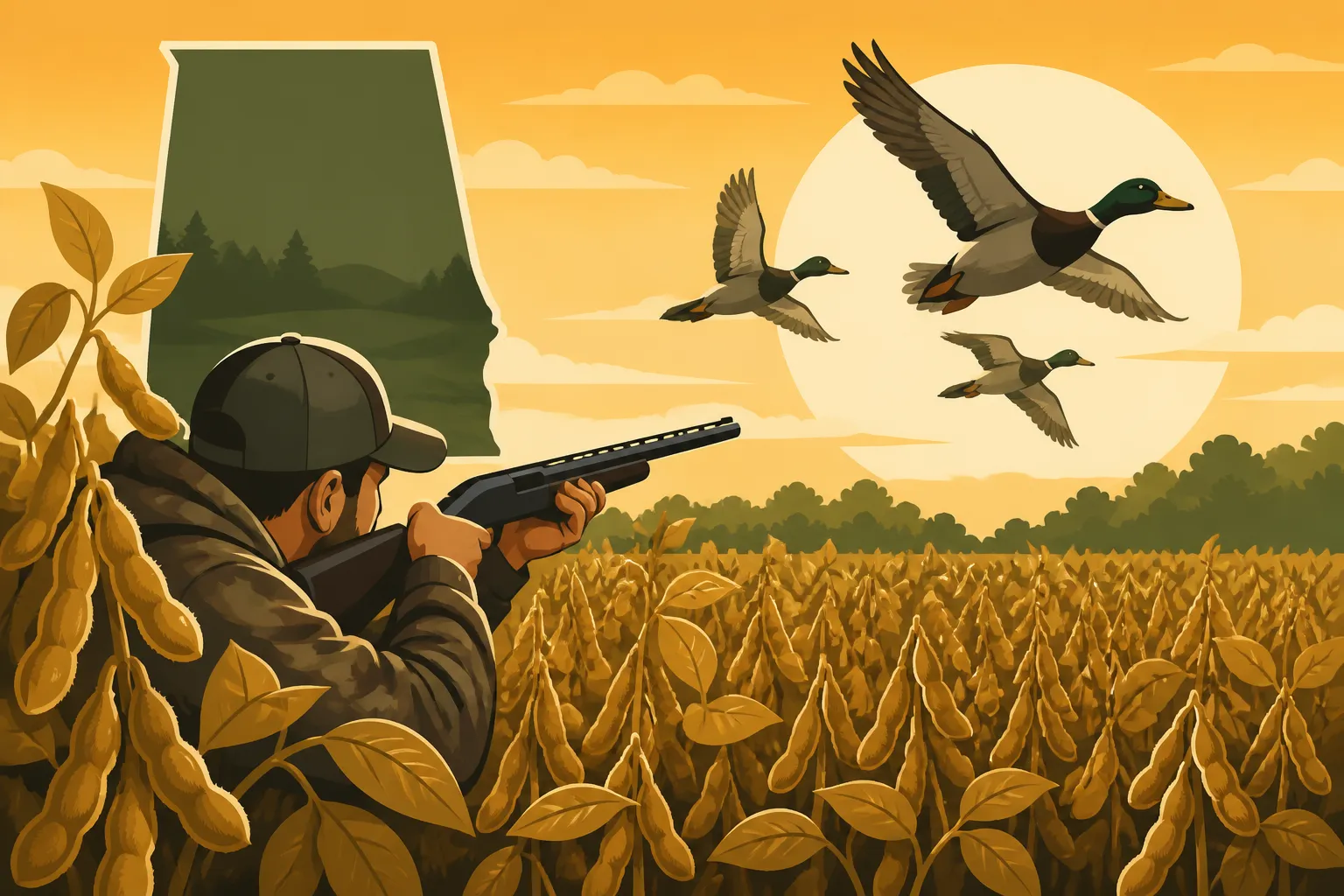
Hunting standing soybean fields in Alabama can be incredibly frustrating. Deer seem to appear and disappear like ghosts, using the dense, tall rows for both food and cover, making them nearly impossible to spot until they're right on top of you. This guide will walk you through the nuances of identifying deer patterns, strategic scouting, and effective hunting tactics specifically tailored for these rich agricultural fields, helping you unlock their potential for successful hunts.
Understanding Standing Soybeans as Deer Habitat
Deer aren't just casually passing through soybean fields; they're actively using them as a primary food source and sanctuary throughout much of the year. The way these fields are utilized by deer changes with the season, making it crucial to understand their allure at different times of the year. Knowing this foundational information helps you anticipate deer behavior and plan your hunts accordingly.
The Allure of the Green Field: Nutritional Value and Growth Stages
Early in the growing season, when soybean plants are young and succulent, they offer high protein and digestible energy. This makes them incredibly attractive for does supporting fawns and bucks growing antlers, as these nutrients are vital for lactation and antler development. Those lush, chest-high fields you see in late summer are, to a deer, nothing short of an all-you-can-eat buffet. As the season progresses into fall, even as the leaves begin to yellow and pods mature, deer will continue to browse on the remaining green leaves and the protein-rich beans themselves. While the overall protein content might dip compared to the peak green stage, the sheer volume of palatable forage keeps deer coming back for more.
The nutritional value of soybeans is a powerful draw. Unlike some other crops that might offer a quick energy boost, soybeans provide sustained, high-quality nutrition that is critical for overall deer health, body condition, and antler growth. A robust soybean field acts like a magnet, pulling deer from surrounding timber, thickets, and less desirable browse areas directly into these accessible food plots. This sustained usage often leads to established deer patterns revolving around these fields for months, creating well-used trails and entry points that a savvy hunter can key into. Understanding the typical growth stages of soybeans—from tender young sprouts to mature, pod-filled stalks—helps you anticipate what the deer are targeting and when, giving you an edge in your hunting strategy.
Seasonal Usage Patterns: From Summer Browsing to Late-Season Cover
The way deer utilize a standing soybean field isn't static; it evolves significantly with the calendar and the plant's life cycle. In late summer and early fall, as discussed, the abundant green foliage and developing pods are a prime food source. You'll frequently find deer entering fields in the evenings to feed, often lingering well into the night, before retreating to nearby bedding cover as the sun begins to rise. However, as the hunting season progresses into the cooler months of late fall and especially into the dead of winter, standing soybeans undergo a remarkable transition from primarily a food source to becoming invaluable thermal and security cover.
When surrounding hardwoods drop their leaves, leaving the woods bare and exposed, and other food sources like acorns become scarce or completely depleted, the dense, tall stalks of a standing soybean field offer an incredible haven. Deer can bed down deep within the rows, hidden effectively from both human predators and natural threats, and sheltered from harsh winds or frigid temperatures. It’s not uncommon for bucks, particularly the older, more wary ones, to spend entire days bedded in these fields, only moving minimally to the edges or slightly out for a quick bite before melting back into the impenetrable cover. This late-season transition makes these fields doubly important, offering both residual food and excellent sanctuary, becoming one of the most reliable Late-Season Food Sources for Alabama Whitetails.
Scouting Strategies for Standing Soybeans
Successfully hunting a standing soybean field requires diligent scouting that begins long before you ever consider setting foot in it with your hunting gear. It's about becoming a detective, piecing together clues about deer presence and their daily movements.
Reading the Edges: Tracks, Trails, and Entry Points
Hunting a standing soybean field successfully starts with meticulous scouting, focusing heavily on the field edges and transitions into surrounding cover. Deer rarely just pop out into the middle of a massive field; they typically use specific, consistent entry and exit points. Your primary mission is to locate these well-worn trails leading directly into the field from thickets, creek bottoms, dense timber, or overgrown fencerows. These trails, often matted down by repeated use, are your first and most important clue. Pay extremely close attention to fresh tracks—especially larger ones—which can tell you about the size, age class, and number of deer utilizing the field recently. Look for signs of distinct deer travel that might suggest a buck is regularly using the area, perhaps even during the day.
Beyond just identifying obvious main trails, you need to scrutinize the first few rows of soybeans themselves. Are there noticeable signs of browsing? Freshly nipped leaves, broken stems, or even fresh deer droppings can indicate very recent activity. Deer will often skirt the edges, nibbling as they go, before either venturing deeper into the rows or circling back into cover. You might also discover rub lines on small trees or saplings along the treeline, or even small scrapes signaling buck activity, particularly if you're trying your hand at Hunting the Rut in the Northern Zones or the southern zones and bucks are actively seeking does. These subtle signs are absolutely crucial for piecing together their daily routines and pinpointing precisely where they prefer to enter and exit the fields.
Glassing and Observation: Uncovering Deer Movement Patterns
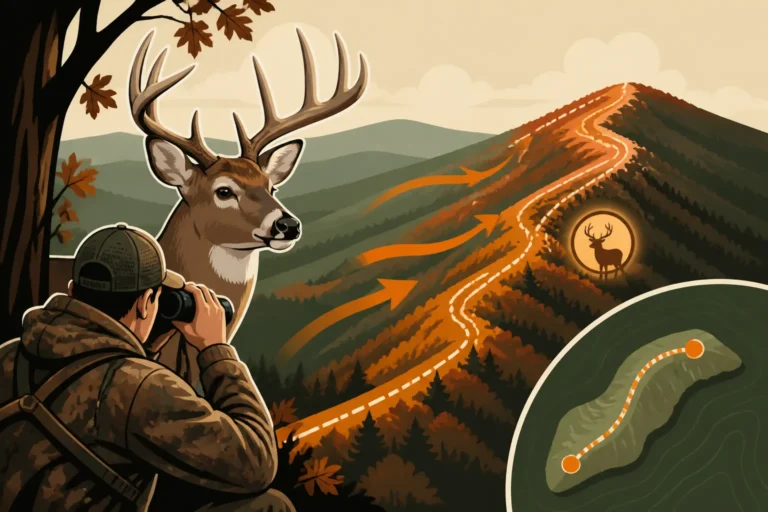
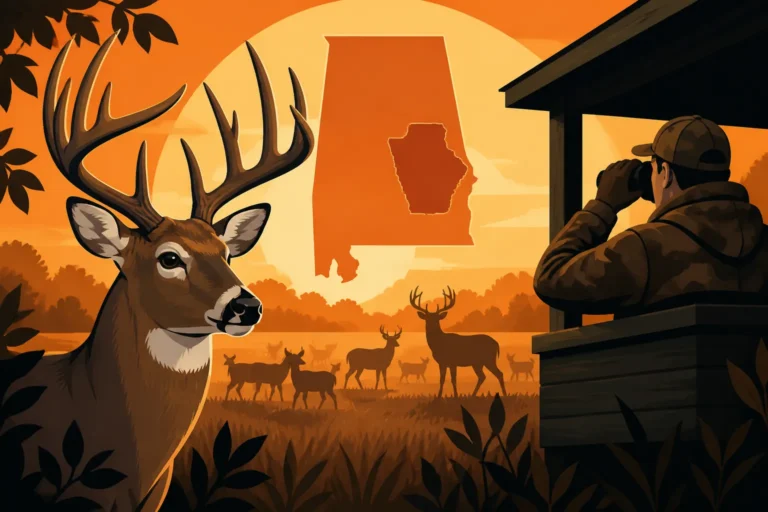
One of the most effective and least intrusive ways to scout standing soybean fields is through strategic observation, commonly referred to as "glassing." This involves using high-quality binoculars or a spotting scope from a distance, typically during the low light hours of dawn and dusk, to watch how deer enter, move through, and exit the fields. Find a vantage point that offers a wide, unobstructed view of the field—this could be a distant hillside, a raised road bed, a powerline cut, or even an adjacent clear-cut. Patience is key here; you might need to commit to spending several mornings and evenings observing the same field.
As you meticulously watch, try to identify specific deer and their consistent patterns. Do they always enter from the same corner? Do they travel along a particular fenceline or ditch before disappearing into the dense rows? Do they only show up after total darkness, or are there reliable daytime users? Noticing and documenting these patterns will help you determine prime stand locations and optimal hunting times. For instance, if you consistently see deer entering from a specific timberline, that might indicate a much better spot for a stand than an open corner that only sees nocturnal activity. This method is particularly useful for larger fields where it's simply impractical to walk every inch, and it minimizes disturbing the area, which is absolutely vital for wary, mature bucks. You can gain insights for similar terrain by Reading Aerial Photos for Piedmont Deer.
Using Technology for Field Intelligence
In today's hunting world, technology can be a huge asset in understanding deer movement in and around standing soybean fields. Satellite imagery and robust mapping apps like GoHunt have revolutionized scouting, allowing you to "see" the field and its surrounding cover without ever physically stepping foot on the property. Before you even drive out to the location, you can meticulously study aerial photos to identify natural funnels, potential bedding areas in adjacent timber, and likely travel corridors leading directly into the soybeans. You can pinpoint subtle topographical features or pinch points that might naturally concentrate deer movement, even if they aren't obvious from the ground.
Beyond advanced mapping, trail cameras are an invaluable tool for intelligence gathering. Strategically placed on key trails entering the field, or even along the edges where deer frequently browse, they can provide a wealth of information. You can discover exactly when deer are using the field (daylight vs. night), what caliber of deer are present (bucks vs. does, mature vs. young), and their preferred travel paths. Some dedicated hunters even place cameras on low-hanging branches or short stakes within the first few rows of the field itself, facing inward, to get a sense of activity deeper in the beans. Just remember to check them discreetly and infrequently to avoid disturbing the area and leaving your scent. Using tools like the Scouting With the Outdoor Alabama App can also help you understand regulations and boundaries for the specific area you're scouting, especially on public lands adjacent to private agricultural fields.
Effective Hunting Tactics in Standing Soybeans
Once you've done your homework and understand the deer's habits in and around the soybean field, it's time to talk about how to actually hunt these challenging yet rewarding areas. It's not as simple as just showing up; precise execution is key.
Stand Placement for Optimal Visibility and Wind Advantage
When it comes to hunting standing soybeans, where you set up your stand is, quite frankly, everything. Due to the inherent height and density of the plants, you absolutely need elevation for adequate visibility, but you also need to play the wind with meticulous precision. A common and costly mistake is setting up too close to an obvious entry point without thoroughly considering the prevailing wind direction, only to have your scent blow directly into the field and spook deer before they even show themselves. Your primary goal, above all else, is to have your scent blowing away from where you expect deer to approach, feed, or bed.
Consider a setup where your stand is positioned on the downwind side of a known travel corridor or a specific field corner that deer consistently use. This might mean setting up 20-30 yards back in the timber edge, allowing deer to enter the field and get comfortable before you get a shot opportunity. Look for large, mature trees that offer good natural concealment and allow you to get high enough to see over the soybean canopy. Sometimes, for maximum flexibility, a double treestand setup is beneficial – one for a north wind, one for a south wind – allowing you to adapt to changing conditions without relocating your entire setup. If you're on a field edge with a slight elevation drop into the field, you might even consider a saddle hunter's approach, which allows for more agile and quieter adjustments. Setting Up on a Black Belt Field Edge often involves these same critical considerations for wind and undetectable entry.
Entry and Exit Routes: Minimizing Disturbance
This is arguably the make-or-break aspect of hunting standing soybeans; this is where many otherwise promising hunts go sideways. Deer in and around standing soybean fields are often extremely sensitive to any hint of human pressure. Your entry and exit routes must be planned with surgical precision to avoid bumping deer out of the field or leaving a strong scent trail that signals your presence. Ideally, your approach should utilize natural terrain features like ditches or creek beds, dense cover, or even a deep erosion gully to conceal your movement and contain your scent. Walk slowly, deliberately, and as quietly as humanly possible, utilizing the cover of darkness if you're hunting morning or evening.
Think meticulously about your path both to and from your stand location. If you inadvertently bust deer on your way out after an evening hunt, those deer, especially mature bucks, will be significantly more wary and nocturnal the next day, if they even return to that field at all. Sometimes, it's actually better to wait until total darkness to climb down and slowly leave, allowing any deer still in the area to clear out naturally. If you're fortunate enough to be hunting private land, you might even be able to arrange for a quiet pickup, such as a golf cart or ATV driven well away from the field, which causes less disturbance than walking a long distance. For morning hunts, arrive well before first light, using a dim headlamp set on a red light mode to minimize alarming any deer still lingering in the field. Remember, the overarching goal is to leave the area as undisturbed as possible, ensuring that your future hunting opportunities remain intact.
Still-Hunting and Ground Blind Approaches
While treestands are undoubtedly the most popular method for hunting field edges, standing soybean fields can also be effectively hunted using still-hunting or ground blind tactics. This is particularly true if the beans are exceptionally tall and dense, or if you are dealing with very pressured, wary deer that are reluctant to step out into the open. Still-hunting involves moving at an incredibly slow pace, taking a few quiet steps, and then pausing for several minutes to meticulously scan for any hint of movement. This can be an incredibly challenging endeavor in dense soybeans due to the limited visibility and noise, but if you can identify natural deer trails running within the rows, or if the field has some low spots or small patches of thinner cover, it can be surprisingly effective for close-quarters encounters.
A ground blind, on the other hand, can offer excellent concealment and critical scent control if it's properly set up. You might opt to brush in a blind on a field edge, using natural vegetation like cedars or palmettos to thoroughly break up its outline. The key here is to get the blind set up well in advance of your actual hunt, allowing deer ample time to get accustomed to its presence and see it as part of the landscape. This tactic works especially well if the soybeans are acting more as dense bedding cover than a primary food source, and deer are primarily moving through them during the day. For more on this, consider exploring strategies for Using a Ground Blind on Alabama Public Land. You can also strategically place a blind deeper within the field if you can access it undetected, positioning it near a known crossing point or an internal "pocket" where deer might congregate. The dense soybean canopy can provide enough visual break-up to make a well-camouflaged ground blind almost invisible from a deer's perspective.
Considerations and Challenges
Hunting standing soybeans isn't always straightforward. There are a few unique challenges and considerations that every hunter needs to be aware of to maximize their chances of success.
Crop Harvest and the Shifting Landscape
Perhaps the biggest and most unpredictable challenge when hunting standing soybean fields is their inherent impermanence. Unlike a natural forest or a permanent food plot, these agricultural fields are eventually harvested, sometimes very quickly and without much warning. One day you might have acres of dense, deer-holding cover and a rich food source, and the very next day it could be a stubble field, completely altering the landscape. This rapid change can utterly disrupt established deer patterns and force you to adjust your hunting strategy on a dime. Farmers typically harvest soybeans from late summer through late fall, depending on the specific variety planted, local weather conditions, and market prices.
It is absolutely crucial to stay in clear and consistent communication with the landowner or farmer if you have permission to hunt their property. Knowing their anticipated harvest schedule can give you a vital heads-up and allow you to plan your hunts accordingly, perhaps focusing on that field for a few prime days before the combines arrive. Once a field is harvested, deer will immediately shift their focus to alternative food sources or thicker, more secure cover. This might mean adjacent timber, a nearby food plot, or even a Hunting a Standing Cotton for Late Deer field if that's available in the vicinity. Sometimes, the residual beans left on the ground after harvest can still be attractive for a short period, especially if other food sources are scarce. But generally, once the combines roll, your standing soybean hunting strategy needs a quick and decisive pivot.
Navigating Landowner Permissions and Best Practices
Accessing private land for hunting is a privilege, not a right, and nowhere is this more true than with active agricultural fields. Farmers are often incredibly busy, and their primary concern is the health and productivity of their crop. If you're seeking permission to hunt standing soybeans, always approach landowners respectfully, professionally, and be crystal clear about your intentions and hunting ethics. Offer to help with other tasks around the farm, or even to help manage other nuisance animals like feral hogs, which can cause significant and costly damage to soybean crops. Being a responsible, helpful, and courteous hunter can open many doors and lead to long-term hunting access.
Once you have secured permission, it is paramount that you respect the property and the farmer's livelihood. Drive only on designated access roads, avoid causing any damage to crops or equipment, and leave absolutely no trash behind. Understand that the farmer's livelihood depends on that field, so tread lightly and be mindful of your impact at all times. Always check in with the landowner before you hunt and report your harvest responsibly, especially if you harvested a deer from their property. In some agricultural areas, farmers might even actively welcome hunters who can help control deer populations that are causing significant crop damage, leading to a mutually beneficial relationship. For more detailed advice on how to approach landowners, you might want to read about "Knocking on Doors in Black Belt Farm Country". Remember, building a good, trusting relationship can ensure future hunting opportunities.
Weather's Impact on Soybean Fields
Just like any other outdoor pursuit, weather plays a truly significant role in hunting standing soybean fields. Heavy or prolonged rain can quickly turn access roads and field edges into muddy quagmires, making silent entry and exit difficult or even impossible without a noisy 4×4, which can spook every deer in the county. Strong, gusting winds can make it incredibly challenging to hear deer moving through the dense, rustling rows, and also make it harder for you to remain still and stable in a treestand. Conversely, prolonged periods of extreme heat can push deer to move mostly at night, seeking cooler temperatures and significantly reducing their daytime activity in the exposed fields.
On the other hand, certain weather conditions can work to your advantage. A sudden cold front, especially after a period of warm weather, can sometimes spark increased deer movement, as they seek out calorie-rich food sources like soybeans to build up their energy reserves. After a light, soft rain, the ground might be softened, making it much easier to identify fresh tracks and significantly quieter to walk, aiding in a stealthy approach. Always check the detailed weather forecast before heading out and adjust your tactics accordingly. If high winds are predicted, a ground blind might be a better and safer option than a treestand, or you might focus your efforts on the leeward sides of timber where deer might seek shelter. Understanding how weather influences deer behavior in relation to the specific cover and food offered by standing soybeans is absolutely crucial for consistent success.
| Aspect of Hunting Standing Soybeans | Early Season (Summer/Early Fall) | Mid-Season (Late Fall) | Late Season (Winter) |
|---|---|---|---|
| Primary Deer Use | Food source (green leaves/pods) | Food/Cover transition | Cover (thermal/security) |
| Deer Activity | Evening feeding, early morning | Consistent feeding/movement | Midday bedding, sparse feeding |
| Visibility | Limited, deer often deep in field | Moderate, leaves yellowing | Best, after defoliation/harvest |
| Preferred Tactics | Field edge stands, observation | Edge stands, still-hunting | Ground blinds, still-hunting |
| Key Challenge | Dense cover, heat | Crop harvest uncertainty | Harvested fields, deep snow |
| Scent Control | Critical, due to heat/humidity | Always important | Still crucial, less humidity |
Internal Links
For those looking to deepen their understanding of deer behavior and hunting strategies in Alabama, explore these helpful resources:
- Learn more about Alabama Deer Season Structure Explained to plan your hunts effectively.
- Get insights into how Hunting the Rut in the Northern Zones might influence deer movement near soybean fields.
- Discover effective strategies for Late-Season Food Sources for Alabama Whitetails when soybeans might be harvested.
- Consider utilizing technology to improve your scouting with the Scouting With the Outdoor Alabama App.
- For tips on getting access to private land, read up on Knocking on Doors in Black Belt Farm Country.
- Understand the advantages of Using a Ground Blind on Alabama Public Land in dense cover.
- Learn about Hunting a Green Field Planted for Deer as another prime food source.
- Perfect your setup with advice on Setting Up on a Black Belt Field Edge.
- Gain perspective on Reading Aerial Photos for Piedmont Deer to identify patterns from above.
- For general hunting requirements, don't forget to check Alabama Hunting Licenses and What They Cost.
- Explore different tactical approaches like Hunting a Clear-Cut Regrowth Edge for similar edge hunting scenarios.
Disclaimer
The information provided in this guide is for general informational purposes only and does not constitute legal advice. Hunting regulations and seasons in Alabama can change. Always consult the latest official regulations from the Alabama Department of Conservation and Natural Resources (ADCNR) before planning any hunting trip. Ensure you have all necessary licenses and permits, and adhere to all safety guidelines.