EHD Die-Offs in Alabama Deer
It's heartbreaking to be out in the woods, enjoying the peace and quiet of an Alabama morning, only to stumble across a deer that's clearly suffering or, worse, has already succumbed to an unseen ailment. Many hunters and landowners in our state have faced the confusing and upsetting reality of discovering deer exhibiting strange symptoms or found dead near water sources. Often, it's Epizootic Hemorrhagic Disease (EHD) that's the culprit. This guide aims to pull back the curtain on EHD, helping you understand what it is, how it spreads, what to look for, and how to respond if you encounter it in Alabama's whitetail population.
Understanding Epizootic Hemorrhagic Disease (EHD) in Alabama Deer
What Exactly is EHD?
Epizootic Hemorrhagic Disease, or EHD, is a viral disease that primarily affects white-tailed deer. It's caused by a type of virus in the genus Orbivirus, and while it can be concerning, it’s important to remember it’s a natural occurrence in deer populations across much of the Southeast, including right here in Alabama. This isn't some new, mysterious affliction; EHD has been documented for decades, and deer herds have evolved with it, developing varying levels of immunity over time. It typically appears during late summer and early fall, when the conditions are just right for its primary carriers.
Unlike bacterial infections that might respond to antibiotics, EHD is a virus, meaning there's no direct treatment for affected deer. Think of it like the common cold for humans – you can manage the symptoms, but the virus has to run its course. For deer, this can range from mild, almost unnoticeable symptoms to a rapid and fatal progression, depending on the individual deer's immune system and previous exposure. It's not to be confused with Chronic Wasting Disease (CWD), which is a completely different, neurological disease with distinct symptoms and transmission methods. Understanding the difference is crucial for hunters and landowners alike, especially with Alabama's Chronic Wasting Disease Management Zone being a significant area of focus for wildlife managers.
EHD is quite common across the warmer regions of the United States. While outbreaks can certainly be alarming in specific areas, it's not generally considered a long-term threat to the overall Alabama Deer Population Estimate. Deer populations are remarkably resilient, and even after a significant EHD die-off in a localized area, numbers tend to rebound over a few seasons. This natural cycle of disease, immunity, and population recovery is an integral part of deer ecology, though it can be tough to witness when it impacts the deer you cherish in your hunting grounds or backyard.
How EHD Impacts Deer
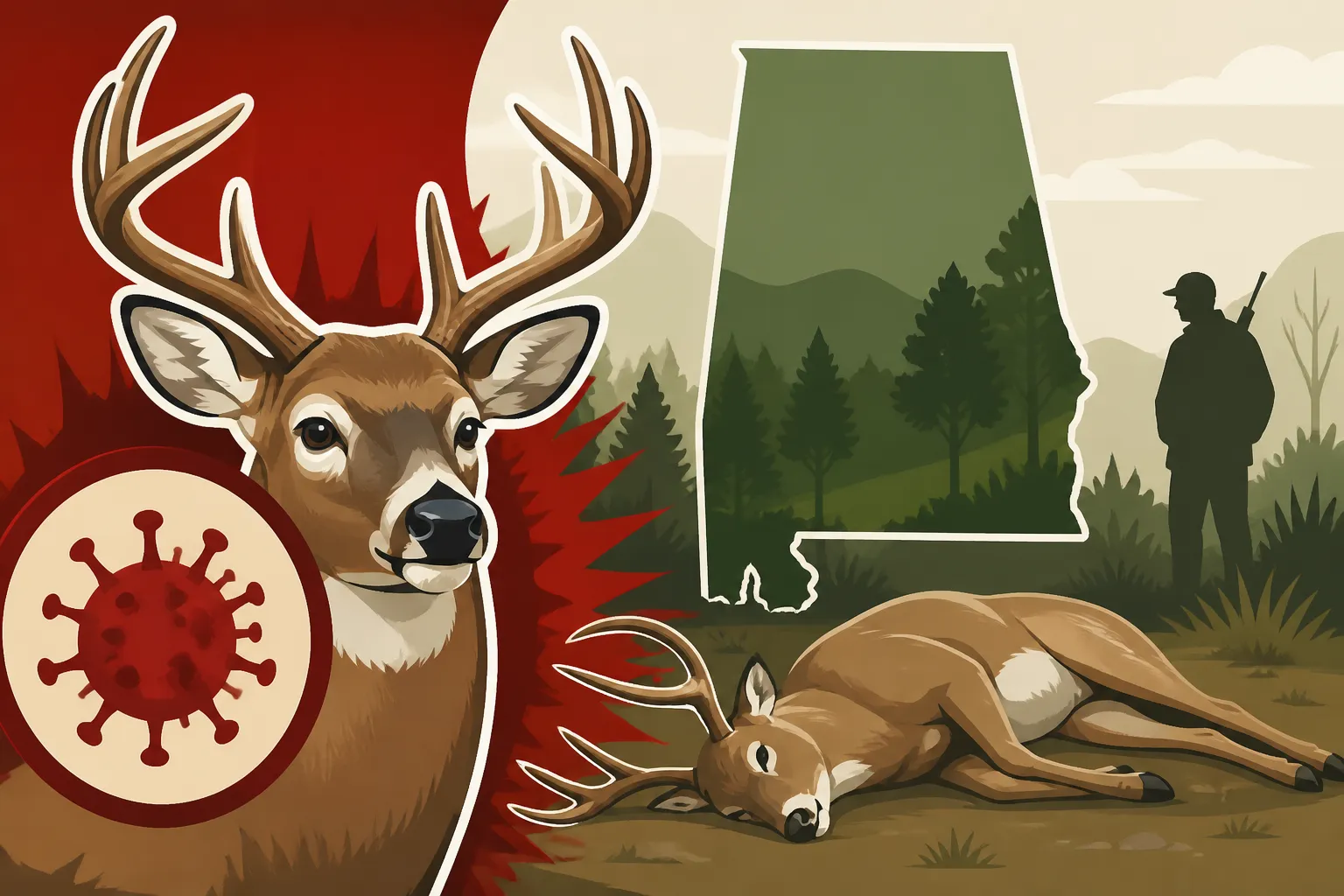
When a deer contracts EHD, the virus attacks the lining of blood vessels. This can lead to a range of severe symptoms. Initially, deer may develop a high fever, become lethargic, and show signs of swelling in the head, neck, tongue, and eyelids. Their hooves might also become inflamed, causing them to be lame and reluctant to move. In advanced cases, you might even see ulcerations in their mouths or on their tongues, which makes eating and drinking incredibly painful and difficult.
One of the most characteristic behaviors of EHD-infected deer is their desperate search for water. The fever drives them to seek out creeks, ponds, and even puddles to try and cool themselves down. This is why many EHD-related deer carcasses are found near water sources. They become disoriented, weak, and often collapse in or around these areas. This behavior, while tragic, can actually be a useful indicator for hunters and landowners trying to identify potential EHD outbreaks in their area.
The mortality rate from EHD varies greatly. In areas where deer have been exposed to EHD viruses before, they may have developed some immunity, leading to less severe outbreaks and higher survival rates. However, in regions where a new strain emerges or where deer have little to no prior exposure, the disease can be highly fatal, causing significant localized die-offs. Fawn survival rates can also be impacted, especially if does are weakened during crucial nursing periods. It's a stark reminder of the delicate balance within nature, and how quickly environmental factors can influence wildlife health.
The Transmission and Spread of EHD
The Role of Midges No-See-Ums
The primary vector for the EHD virus is a tiny biting insect known as a midge, often called a "no-see-um" or sand gnat. These aren't your typical mosquitoes, but rather small, blood-feeding flies belonging to the genus Culicoides. The midges pick up the virus when they bite an infected deer and then transmit it to healthy deer during subsequent blood meals. Without these midges, the virus cannot spread from one deer to another, making their life cycle absolutely critical to understanding EHD outbreaks.
Midges thrive in specific environmental conditions. They lay their eggs in moist, muddy areas with rich organic matter, such as the damp edges of ponds, slow-moving streams, and marshy lowlands. This is why EHD outbreaks are typically seasonal, peaking in late summer and early fall in Alabama. As temperatures rise and water levels might recede due to drier conditions, these muddy breeding grounds become prime real estate for midge populations to explode. Once the first hard frost hits, it usually kills off the adult midges, effectively stopping the transmission cycle for the season.
The direct link between midge populations and EHD outbreaks means that weather patterns play a huge role. A prolonged period of hot, dry weather in late summer and early fall, which often leads to shrinking water sources and more concentrated muddy areas, can create ideal conditions for midge breeding. This, in turn, can lead to more widespread and severe EHD outbreaks as deer are forced to congregate around fewer water sources, increasing their exposure to infected midges and each other.
Environmental Factors and Outbreaks
As mentioned, water sources are critical congregation points for both deer and the midges that transmit EHD. When creeks dry up and ponds shrink, deer are naturally drawn to the remaining waterholes. This increased density of deer in a smaller area not only makes it easier for infected midges to find new hosts but also for deer-to-deer contact (though EHD is not transmitted deer-to-deer, high deer density in confined areas with midges can exacerbate spread). Hunters often use scouting tools like GoHunt to identify these crucial water sources and plan their approach, and during times of EHD concern, these are also the areas to monitor closely.
Localized outbreaks are far more common than statewide epidemics. EHD rarely wipes out an entire Alabama Deer Herd Size across large regions. Instead, it tends to hit specific pockets, sometimes impacting one valley or property severely while a neighboring area remains relatively untouched. This patchy distribution is largely due to the localized nature of midge breeding habitats and the movement patterns of deer. A robust, diverse habitat with multiple water sources can sometimes help disperse deer and lessen the impact of a localized outbreak, but during severe droughts, even varied landscapes can be affected.
Unusual weather patterns, beyond just drought, can also influence EHD outbreaks. Mild winters, for instance, might allow midge populations to get a head start in the spring, potentially leading to earlier or more prolonged transmission periods. Conversely, a wet summer might keep water sources spread out, diluting deer concentrations and potentially reducing the severity of an outbreak. Alabama Wildlife Disease Monitoring keeps a close eye on these factors to predict and understand the dynamics of EHD each year.
Identifying and Responding to EHD in the Field
Recognizing Symptoms in Live Deer
Spotting a live deer suffering from EHD can be distressing, but knowing what to look for can help you identify a potential outbreak. Affected deer often appear unusually lethargic, sometimes walking with a stiff gait or showing general weakness. You might notice excessive drooling or foaming around the mouth, along with a swollen tongue that could be blue-tinged. Their eyelids might be swollen, and they may seem blind or disoriented, often bumping into objects or ignoring your presence, which is highly uncharacteristic for a healthy deer.
Behavioral clues are also important. As we discussed, a major symptom is the drive to seek water. You might find a deer standing listlessly in a shallow creek or pond, or repeatedly returning to a water source. They may also lose their natural fear of humans, allowing you to approach closer than usual before reacting, if at all. This lack of awareness and a generally sickly appearance are strong indicators that something is seriously wrong, and EHD is a likely candidate during the late summer and early fall.
It's crucial to be observant when you're scouting or hunting, especially during the peak EHD season. Pay attention to any unusual activity, not just sick deer. A sudden absence of deer in an area where they were previously abundant, or an uptick in scavenger activity, could also be subtle signs that an EHD event has occurred. Detailed Scouting Alabama Public Land Before Season can provide a baseline for what normal deer activity looks like, making it easier to spot deviations during the season.
What to Do if You Find a Sick or Dead Deer
If you encounter a deer exhibiting severe EHD symptoms or find a freshly dead deer that appears to have succumbed to the disease, the first and most important rule is do not consume the animal. While EHD is not known to be transmissible to humans, the meat from a sick animal can be unappetizing at best and potentially carry secondary bacterial infections due to the deer's weakened state. It's always better to err on the side of caution when it comes to game meat, especially if the animal was clearly ill.
Your next step should be to report your observation to the Alabama Department of Conservation and Natural Resources (ADCNR). Wildlife biologists need this information to track outbreaks, understand the geographic spread, and monitor the severity of EHD across the state. They have specific protocols in place for Reporting a Sick Animal in Alabama, and your information can be vital in their ongoing Alabama Wildlife Disease Monitoring efforts. Provide as much detail as possible, including the exact location, the number of affected animals, and a description of their symptoms.
Practically speaking, if you find a dead deer, it's generally best to leave it alone unless instructed otherwise by ADCNR. If it's on private land and you wish to dispose of it, burying it deeply or moving it to an out-of-the-way spot can prevent scavengers from spreading potential pathogens, though the EHD virus itself doesn't persist long in carcasses. Do not attempt to move a carcass from areas designated as Alabama's Chronic Wasting Disease Management Zone as there are specific Alabama Carcass Movement Restrictions in place there to prevent the spread of CWD, which is a different concern but equally serious.
Here’s a quick comparison of EHD symptoms versus CWD or general sickness:
| Symptom/Condition | Epizootic Hemorrhagic Disease (EHD) | Chronic Wasting Disease (CWD) | General Sickness/Injury |
|---|---|---|---|
| Onset | Rapid (days) | Slow, progressive (weeks to months) | Variable, often sudden after injury/infection |
| Primary Season | Late summer/early fall (midge activity) | Year-round, but symptoms more noticeable in late stages | Any time |
| Key Physical Signs | High fever, swelling (head, neck, tongue, eyelids), lameness, oral lesions, seeking water | Emaciation ("wasting"), abnormal posture, excessive drooling, lack of coordination, listlessness | Visible injury, limping, lethargy, coughing, diarrhea |
| Behavior | Disoriented, loss of fear, often found near water | Star-gazing, head drooping, repetitive movements, increased thirst/urination | Reluctant to move, hiding, signs of pain |
| Mortality | High in severe outbreaks, quick death | Always fatal, but prolonged course | Variable, depends on severity of illness/injury |
| Transmission | Midge bites (insect vector) | Prions (direct contact, environmental contamination) | Bacteria, parasites, physical trauma |
| Human Risk | None known | None known, but CDC advises against consumption | Varies; avoid sick animals |
EHD's Broader Impact on Alabama Deer and Hunting
Localized Herd Reductions
It's natural to worry about the long-term effects of EHD when you've witnessed a die-off. However, it's important to remember that EHD rarely, if ever, causes a widespread, statewide decline in the overall Alabama Deer Herd Size. Its impact is typically localized, hitting specific properties or drainages hard, while other areas, sometimes just miles away, remain unaffected or experience only minimal losses. These localized reductions, while significant for those individual landowners or hunters, are usually short-lived within the context of the state's entire deer population.
In the seasons immediately following a severe localized outbreak, hunters might notice fewer deer, especially older bucks and prime breeding does, who are often hit hardest. This can lead to a temporary dip in harvest numbers and a feeling that the deer herd has "disappeared." However, deer are prolific breeders, and with sufficient habitat and food sources, populations can bounce back remarkably quickly. Fawns born the following spring will help replenish numbers, and often, the remaining deer develop some level of immunity, which can lessen the severity of future outbreaks. This resilience is also seen in how Alabama Deer Antler Growth Timeline might recover quickly after such events.
The resilience of Alabama's deer populations is a testament to their adaptability. While EHD is a natural challenge, deer have faced and overcome similar obstacles for centuries. Wildlife managers monitor these localized impacts closely and will make adjustments to season frameworks or bag limits if sustained, widespread declines were observed, but this is rarely the case for EHD. Keeping an eye on the bigger picture and understanding the natural ebb and flow of deer populations is key.
Implications for Hunters
For hunters, understanding EHD means adjusting expectations and sharpening scouting skills. If you suspect EHD has been active in your hunting area, you might need to recalibrate your approach. Deer activity around water sources could be different, and you might encounter fewer deer or see signs of mortality. This is where tools like GoHunt can really shine, helping you identify alternate water sources, track historical deer movements, and strategize entry and exit routes that avoid disturbing potentially vulnerable animals or areas where midges might be prevalent.
When Field Dressing a Deer in Warm Weather – which is often when EHD is active – it's crucial to be extra vigilant. Always inspect the deer's internal organs for any abnormalities. While the EHD virus itself isn't a human health concern, a deer that died from EHD might have been weakened, potentially leading to secondary bacterial infections that could pose risks. Look for signs of internal hemorrhaging, abnormal blood clots, or unusually dark or discolored organs. If anything looks suspicious, it's always best to discard the meat.
Finally, hunters play a vital role in monitoring for future outbreaks. By staying informed, being observant in the field, and promptly Reporting a Sick Animal in Alabama to the ADCNR, you contribute directly to the health and management of our deer herd. The more data wildlife agencies have, the better equipped they are to understand disease dynamics and implement effective management strategies. Keep an eye on local news and ADCNR announcements for updates on EHD activity in your region. And remember, even after a tough EHD year, with good management and nature's resilience, our Alabama deer populations will continue to thrive, providing ample opportunities for generations of hunters to come. Knowing what Late-Season Food Sources for Alabama Whitetails are available can also help you understand where deer might be congregating or recovering after an EHD event, or even if Hunting After a Poor Acorn Year could exacerbate deer stress.
Disclaimer
This article is for general informational purposes only and does not constitute professional advice. Laws, prices and regulations vary by location and change over time. Consult a qualified professional for guidance on your specific situation.