Filling a Three-Buck Season Limit
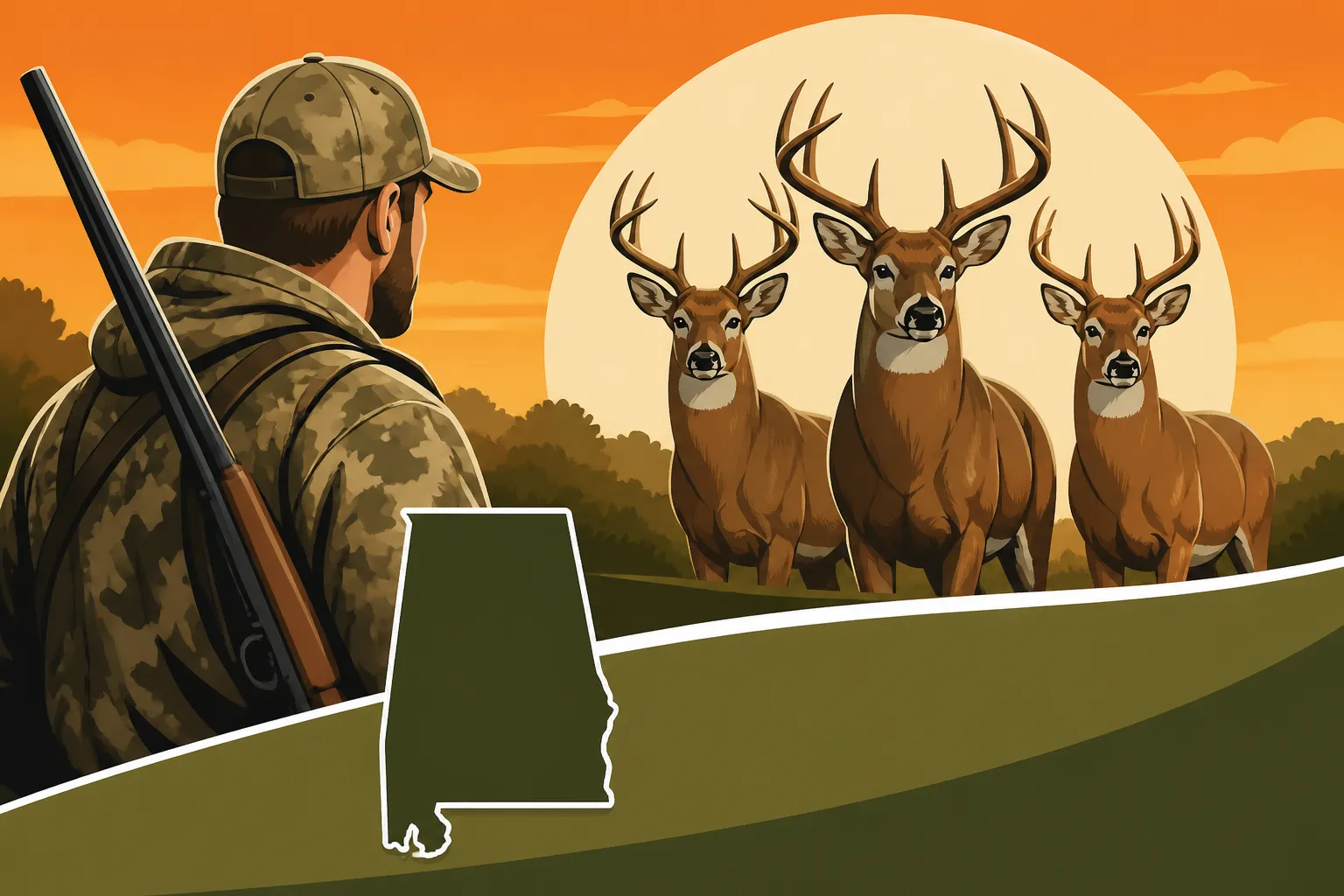
Trying to fill that three-buck season limit in Alabama can feel like chasing a ghost, especially with all the different rules across zones and the sheer amount of hunting pressure out there. It's not as simple as just "shoot three deer;" you've got antler restrictions, specific dates, and the ever-present challenge of finding a mature buck. This comprehensive guide is designed to help you strategically plan your season, from opening day through the late crunch, giving you the best chance to consistently punch those buck tags.
Understanding Alabama's Three-Buck Limit and Regulations
Navigating Alabama's deer regulations is the absolute first step to successfully filling your three-buck limit. It’s not a one-size-fits-all situation; our state is diverse, and so are the rules designed to manage local deer populations. Making a mistake here can cost you a hefty fine or, worse, your hunting privileges. Understanding these nuances is critical for a legal and successful season.
Zone-Specific Antler Restrictions and Season Dates
Alabama is divided into five deer zones (A, B, C, D, and E), and each one operates on its own calendar with slightly different antlerless deer days and season lengths. While the statewide antlered buck limit is generally three per hunter, how and when you take those bucks can vary significantly by zone. For instance, Zone A, covering much of the Black Belt and southern Alabama, typically offers a longer season and more liberal antlerless days than, say, Zone C, which has much tighter antlerless limits to help grow its herd. You really need to know Comparing Alabama's Five Deer Zone Calendars for the specific county you're hunting. Misunderstanding your zone's exact opening and closing dates or its unique structure for antlered-only periods could mean you're hunting out of season or taking an illegal deer. It’s not just about when you can hunt, but also the specific regulations regarding what kind of deer you can harvest on a given day. Always double-check the current hunting digest for your specific zone.
Beyond the general season framework, some zones might have specific public land antlered-only windows, adding another layer of complexity. These windows are often implemented to reduce pressure on younger bucks early in the season, allowing them to mature. If you're hunting a Wildlife Management Area (WMA) or National Forest land within a particular zone, it's crucial to consult the specific WMA regulations in addition to the statewide and zone rules. These WMA rules can sometimes be even more restrictive, imposing different antler point requirements or weapon restrictions. For example, some WMAs might have different muzzleloader or air rifle tactics allowed, or even more stringent antler point restrictions. Always have the latest Outdoor Alabama app or hunting digest on hand.
The Four-Point Rule and Exceptions
The standard rule across much of Alabama is that your first two antlered bucks must have at least four points on one side, OR have a 1-inch spike. This regulation is designed to protect younger bucks and allow them to reach older age classes. However, the rule gets a little more complex when you start thinking about that third buck. On public land, your third buck often still needs to meet this four-point rule. On private land, however, after you've taken two bucks that meet the 4-points-on-one-side criteria, your third buck can sometimes be a legal antlered buck of any size, as long as it has at least one antler. This nuance is critical for planning your season and knowing what you can legally shoot when that third opportunity arises.
Then there are those unique exceptions, like the one in Barbour County. This county has its own special regulation, famously known as the "four-point rule exception," which often requires all harvested bucks to have at least four points on one side. These county-specific rules can be confusing and easily overlooked if you're not paying close attention to the hunting digest. It's not enough to know the statewide rule; you need to know if your specific county has additional requirements. This is where truly understanding the local regulations becomes paramount. When you’re in the field, making a quick, ethical shot means you also have to make a quick, accurate judgment call on the legality of the deer, which is a lot to ask in the heat of the moment, so understanding these rules beforehand is non-negotiable.
Game Check and Mandatory Reporting
Every single deer harvested in Alabama, whether antlered or antlerless, must be reported through the Game Check system. This isn't just a suggestion; it's a mandatory legal requirement. The data collected through Game Check is invaluable to the Alabama Wildlife and Freshwater Fisheries Division (AWFF) for managing the state's deer herd, tracking harvest trends, and making informed decisions about future regulations. You have a very specific deadline to report your deer, typically within 48 hours of harvest or prior to processing and within 24 hours of moving the carcass out of state. Not reporting a deer is a violation, plain and simple.
The process itself is straightforward: you can use the Outdoor Alabama app, go online to their website, or call a toll-free number. Once reported, you'll receive a confirmation number. It's crucial to keep this confirmation number with the deer, especially if you're taking it to a processor or transporting it. Think of it like a receipt for your harvest. I always recommend saving the confirmation number on your phone or writing it down, just in case. This simple step not only keeps you legal but also contributes directly to the conservation efforts that ensure healthy deer populations for generations to come. When you’re Checking an Alabama Deer Harvest Online, you’re doing your part for the future of Alabama hunting.
Early Season Strategies for Your First Buck
The early season can be one of the most exciting times to be in the woods, full of anticipation and opportunities. Bucks haven't faced significant hunting pressure yet, and their behavior is often more predictable. Capitalizing on this window is key to getting that first buck on the board and setting the tone for a successful season.
Patterning Pre-Rut Movement
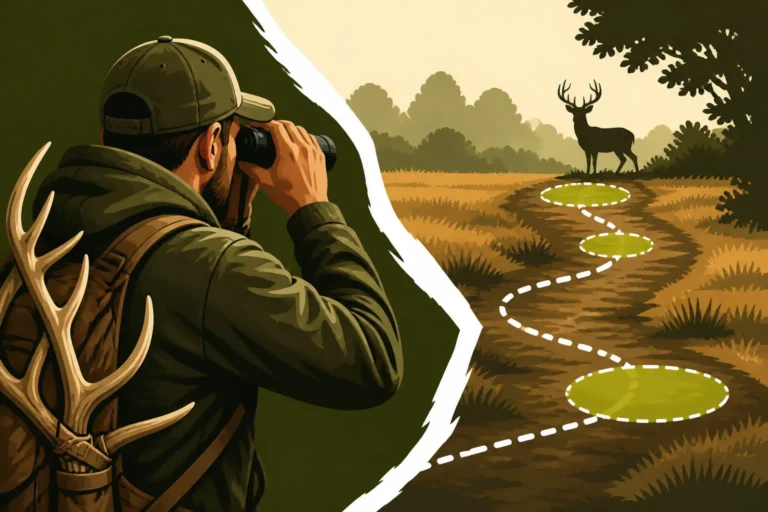
Before the chaos of the rut kicks in, early season bucks are usually still operating on a fairly consistent summer pattern, primarily focused on food. They haven't had their internal clocks completely reset by breeding urges. This means they'll be regularly visiting prime food sources, often agricultural fields like standing peanuts or soybeans, or natural mast crops such as early-dropping white oak acorns. This predictability is your biggest asset. It's essential to invest time in scouting before the season even opens. Use trail cameras to identify specific travel routes and feeding times. Observing field edges from a distance during the evening can also reveal patterns without disturbing the deer.
The key here is stealth. These bucks are still somewhat naïve, but they're not dumb. Any unnecessary pressure or scent left behind can quickly shift their patterns. Plan your entry and exit routes meticulously, always playing the wind. If you can approach and leave your stand undetected, you dramatically increase your chances of seeing these bucks in daylight. Think about how to utilize natural cover and topography to your advantage. A savvy hunter might also be paying attention to Entry Routes Through Standing Peanuts or Hunting a Standing Soybean Field to capitalize on these patterns, especially in agricultural areas.
Food Source Focus and Stand Placement
In the early season, food is the magnet for bucks. Identifying the most attractive and available food sources in your hunting area is paramount. This could be anything from a thriving clover plot to a creek bottom loaded with green browse, or a hardwood ridge dropping a bounty of acorns. The quality and availability of these food sources can dictate deer movement patterns. Once you’ve pinpointed these spots, your stand placement becomes critical. You want to be positioned to intercept deer as they move from bedding areas to feed, typically during the first and last hours of daylight.
Consider the prevailing winds for your chosen stand location. Nothing busts a hunt faster than a mature buck winding you. Have multiple stand options for different wind directions, allowing you to hunt effectively no matter what Mother Nature throws at you. For morning hunts, prioritize stand locations that allow for quiet, undetected entry before daylight, often near bedding areas or along routes leading to food. For evening hunts, focus on positions overlooking the food source itself. Additionally, think about the sun's position. You don't want the rising or setting sun blinding you or silhouetting you against the sky. A good early season setup is all about playing the percentages and minimizing your footprint, giving you the advantage in those crucial first weeks.
Hunting the Alabama Archery Season Opener
The Alabama archery season opens considerably earlier than gun season, often providing a unique, low-pressure opportunity to tag your first buck. Many hunters are still waiting for gun season, meaning the woods are quieter and deer behavior is less altered by human activity. This earlier start is a massive advantage, especially if you're proficient with a bow or crossbow. The deer are still in their predictable feeding patterns, making them more vulnerable to well-placed ambush sites. For those interested, Crossbow Rules During Alabama Archery Season can clarify any equipment questions you might have.
During this period, still-hunting through thick creek bottoms or along transition lines between different cover types can be incredibly effective. Bucks often use these areas for travel and staging before hitting open feeding grounds. Setting up on pinch points, such as where two creek channels meet or a narrow strip of timber connects larger blocks of woods, can also yield excellent results. The key is patience and minimal intrusion. Focus on areas that offer good cover for both you and the deer, allowing them to feel safe as they move. By taking advantage of this early, less-pressured window, you significantly increase your chances of putting that first buck tag on a deer before the rifle hunters even step foot in the woods.
Mid-Season Tactics for Your Second Buck
Once the initial excitement of opening week fades and the pre-rut begins to stir, buck behavior undergoes a significant shift. No longer solely driven by food, these deer start to feel the primal pull of breeding. Successfully taking your second buck during this transition period requires adapting your strategies and focusing on different signs in the woods.
Transitioning from Food to Scrapes and Rubs
As the calendar pages turn towards the middle of the season, bucks begin to focus less on summer food sources and more on their pre-rut and rut-related activities. This is when scrapes and rubs become the dominant sign to look for. Rubs are typically made by bucks as they strip bark from trees, marking their territory and leaving behind their scent. Scrapes are areas where bucks clear leaves and expose bare earth, often urinating into them and leaving scent from glands on their legs. These "signposts" are essentially a buck's dating profile, letting other deer know who's in the area.
Hunting active scrape lines along a logging road or finding a cluster of fresh rubs can be incredibly productive. These areas indicate consistent buck activity. Setting up a stand near a major scrape or along a line of rubs, especially those near bedding areas or travel corridors, can put you right in a buck's wheelhouse. You can even enhance these natural signs with mock scrapes or by using scent lures to pique a buck's curiosity. A good tactic is to create a mock scrape near your stand and use a dripper with a dominant buck or estrous doe scent. Observing Scrape Lines Along a Logging Road can reveal a lot about the local buck population and their habits.
Hunting the Peak Rut by Zone
One of the most critical factors in mid-season success in Alabama is understanding that the rut, or breeding season, is not a monolithic event across the entire state. Our rut peaks at vastly different times depending on your specific deer zone. For instance, hunters in North Alabama might see peak rut activity in late December or early January, while those in the Black Belt could experience it in late January, and some extreme southern zones might not see it until February. This biological diversity means that "rut hunting" is a localized effort. Knowing Hunting the Rut in the Southern Zones versus Hunting the Rut in the Northern Zones is crucial.
During the peak rut, bucks are often distracted, cruising for does, and less cautious than at any other time of the year. This is when aggressive tactics like rattling and grunting become highly effective. Rattling antlers together simulates a buck fight, drawing in curious or territorial bucks. Grunt calls mimic a buck searching for a doe or an excited doe, often pulling deer closer. Remember, the timing for these calls is paramount. Using them too early or too late in the season, or outside the peak rut in your specific area, can be counterproductive. When bucks are actively chasing, covering ground and moving with purpose can also be a successful strategy, always being mindful of the wind and potential ambush points.
Exploiting Funnels and Travel Corridors
As bucks become more mobile during the pre-rut and rut, their travel patterns become less about specific food sources and more about efficiency in covering ground to find does. This is where identifying and exploiting natural funnels and travel corridors becomes paramount. A funnel is any landscape feature that constricts deer movement into a narrower path. This could be a strip of timber between two large open fields, a saddle on a ridge, or a narrow land bridge across a swampy area. Creek bottoms are also fantastic travel corridors, as deer often use them for cover and ease of movement.
Setting up an ambush in these high-traffic areas can be incredibly productive. Bucks will naturally gravitate towards these routes as they search for does, making them ideal stand locations. Look for pinch points where deer are forced to walk by your stand at close range. For example, Hunting a Funnel Between Two Creek Bottoms can be a game-changer. Scout for fresh tracks, droppings, and rubs within these funnels to confirm recent activity. Don't be afraid to move your stand if you're not seeing deer. The mid-season is dynamic, and successful hunters are those who adapt quickly to changing deer behavior and capitalize on those fleeting moments of opportunity. Utilizing brands like GoHunt can help you identify these topographical features on a map before you even set foot in the woods, making your scouting more efficient.
Late Season Approaches for the Third Buck
By the time the late season rolls around, the woods have typically seen significant hunting pressure, and the rut has passed in most parts of Alabama. Deer are often more nocturnal, wary, and focused on survival. Harvesting your third buck during this challenging period requires patience, persistence, and a keen understanding of a deer's late-season needs.
Post-Rut Recovery and Food Sources
After the exhausting demands of the rut, bucks enter a recovery phase. They've lost significant body weight, expended massive amounts of energy, and are often bruised and battered from fighting. Their primary drive shifts back to food – but not just any food. They need high-energy, easily digestible forage to rebuild their reserves before the toughest part of winter. This is why late-season food plots become absolutely critical. Look for green plots of clover, wheat, oats, or brassicas that can withstand colder temperatures and still offer nutritional value. These areas will be magnets for deer, especially bucks.
If planted food sources aren't available, focus on persistent natural mast crops that may still be on the ground, or any green browse that remains. In some agricultural areas, even standing cotton can provide a food source and cover for deer. Bucks will often bed close to these vital food sources, minimizing their travel and conserving energy. A successful late-season hunter will meticulously scout these remaining food options, identifying which ones are being consistently used and setting up ambush points accordingly. Understanding Late-Season Food Sources for Alabama Whitetails is crucial for this final push.
Hunting Thick Cover and Thermal Hubs
When temperatures drop and winter truly sets in, deer, especially mature bucks, will gravitate towards the thickest cover available. These dense areas provide crucial thermal protection from the elements and a sense of security from predators, including hunters. Think about dense pine thickets, impenetrable briar patches, or overgrown clear-cuts. These aren't the easiest places to hunt, but they are often where the biggest bucks will be found trying to avoid pressure and conserve energy.
Still-hunting through these sanctuaries can be incredibly effective, albeit slow and deliberate. Move into the wind, taking one slow step at a time, pausing to scan for movement or a flicker of an ear. Alternatively, identify areas within or adjacent to these thickets that offer a vantage point or a natural travel lane. During colder snaps, sunny, south-facing slopes can act as "thermal hubs," where deer will bed to soak up warmth from the sun. Focusing on these often-overlooked, difficult-to-access areas is a prime strategy for Finding Ground Others Walk Past and finding that elusive third buck.
Leveraging Pressure and Weather Changes
By late season, many hunters have hung up their gear, or the deer have become incredibly educated due to constant pressure. This means that deer on public land will often seek refuge in areas with less human disturbance. Don't be afraid to walk further, deeper into public land, or into seemingly undesirable habitat. These are often the places where pressured bucks will hide. For example, understanding Hunting Pressure on Alabama Public Land means recognizing that bucks will avoid popular spots.
Furthermore, weather changes become massive deer movement triggers in the late season. A cold front, especially one following a period of mild weather, can get deer up and moving, desperate to feed and regain warmth. Similarly, a light rain or snow (rare in Alabama, but possible in northern zones) can provide a noisy cover for your approach. Understanding how to execute a Warm-Weather Sitting Strategy in Alabama if the season stays mild, or truly capitalizing on Hunting Deer After a Cold Front, can be the difference-maker. Bucks will respond by heading to those vital, high-energy food sources or seeking out thermal cover. Being in the right place during these weather shifts dramatically increases your odds of encountering that final buck.
Maximizing Opportunities Across Public and Private Land
To truly maximize your chances of filling a three-buck limit, you need to think beyond just one type of hunting ground. Alabama offers a mosaic of public and private land opportunities, each with its own advantages and challenges. A well-rounded approach often involves leveraging both, using modern tools and traditional networking.
Scouting Smart with Technology
In today's hunting world, technology isn't just a convenience; it's a game-changer. Digital mapping applications like the Outdoor Alabama App or GoHunt are indispensable tools for smart scouting. These apps provide aerial imagery, topographical maps, and clearly marked property lines (especially useful for identifying public land boundaries), allowing you to virtually scout vast areas from your home. You can identify potential bedding areas, travel corridors, food sources, and crucial funnels long before you ever step foot in the woods. This is especially useful for Scouting With the Outdoor Alabama App.
Using topographical layers can help you understand elevation changes, revealing ridge-top saddles, creek bottoms, and benches where deer are likely to travel or bed. For example, Reading Aerial Photos for Piedmont Deer can highlight the nuances of that specific terrain. Mark potential stand locations, entry/exit routes, and points of interest (like old logging roads or water sources) on your map. This detailed digital preparation saves you countless hours of in-field scouting, minimizes disturbance, and ensures that when you do hit the woods, you're doing so with a well-thought-out plan. GoHunt also allows you to layer in public land boundaries and even identify potential public land access points that might not be immediately obvious.
Understanding Public Land Dynamics
Alabama boasts a significant amount of public hunting land, including several National Forests and numerous Wildlife Management Areas (WMAs). While these areas offer incredible opportunities for those without private land access, they also come with unique challenges, primarily hunting pressure. Understanding Public Hunting Land in Alabama is the first step. For example, hunting Talladega National Forest Hunting or William B. Bankhead National Forest Hunting means adapting to these dynamics. Bucks on public land are often more wary, nocturnal, and prone to using the thickest, most inaccessible cover to escape hunters.
To succeed on public land, you need to be willing to work harder than the average hunter. This means walking further, going deeper into remote blocks of timber, and exploring overlooked pockets of habitat that others bypass. Look for subtle terrain features like small draws, isolated thickets, or benches on steep slopes that provide both cover and a vantage point. Scouting these areas thoroughly, identifying hidden food sources, and understanding deer movement under pressure are critical. It's about finding those seldom-visited sanctuaries where a mature buck feels safe. Even in heavily hunted WMAs, there are always areas that see fewer hunters if you're willing to put in the effort.
Seeking Private Land Access
While public land offers a level playing field, gaining access to private land can dramatically increase your odds of filling your buck tags. Private land often has less hunting pressure, better habitat management, and thus, a higher density of mature bucks. The key to gaining private land access is respectful communication and building relationships. Don't just show up unannounced. Start by identifying landowners in areas you're interested in, perhaps through GoHunt's property owner features or county parcel maps.
Approach landowners in person, neatly dressed, and during the off-season. Introduce yourself, explain your intentions clearly, and be upfront about what you're asking for. Offer to help with chores, maintenance, or even offer to assist with their own deer management goals, like harvesting antlerless deer if they have a depredation issue. Many farmers suffer from crop damage hogs cause in Alabama, so offering to help with Running Dogs on Alabama Feral Hogs or Trapping Alabama Feral Hogs can be a great way to earn trust and permission. Respect their property, follow their rules to the letter, and always communicate your plans. A "no" today doesn't mean a "no" forever. Persistence, politeness, and trustworthiness are your greatest assets when it comes to Knocking on Doors in Black Belt Farm Country or any other part of Alabama.
Alabama Deer Season Summary by Zone (Example)
| Zone | Primary Rut Peak | Antlered Buck Limit | 1st & 2nd Buck Antler Rules | 3rd Buck Antler Rules (General) | Notes |
|---|---|---|---|---|---|
| A | Mid-Late January | 3 | 4 points on one side OR 1" spike | Any legal antlered buck (private), 4 pts on one side (public) | Longest season, high deer density |
| B | Early January | 3 | 4 points on one side OR 1" spike | Any legal antlered buck (private), 4 pts on one side (public) | Similar to A, slightly earlier rut |
| C | Late December | 3 | 4 points on one side OR 1" spike | Any legal antlered buck (private), 4 pts on one side (public) | Tighter antlerless limits, often more hilly terrain |
| D | Early February | 3 | 4 points on one side OR 1" spike | Any legal antlered buck (private), 4 pts on one side (public) | Very late rut, coastal influence |
| E | Mid-December | 3 | 4 points on one side OR 1" spike | Any legal antlered buck (private), 4 pts on one side (public) | Shortest season, mountainous region |
Note: Always consult the current Alabama Hunting and Fishing Digest for the most up-to-date and specific regulations for your hunting location, as rules can change annually and may have county-specific exceptions.
Disclaimer
The information provided in this guide is for general informational purposes only and is not a substitute for official hunting regulations. Hunters are solely responsible for understanding and complying with all current Alabama Department of Conservation and Natural Resources (ADCNR) hunting laws and regulations. Always consult the most recent Alabama Hunting and Fishing Digest for specific dates, rules, and licensing requirements before engaging in any hunting activities.