Reading Alabama Outfitter Reviews Critically
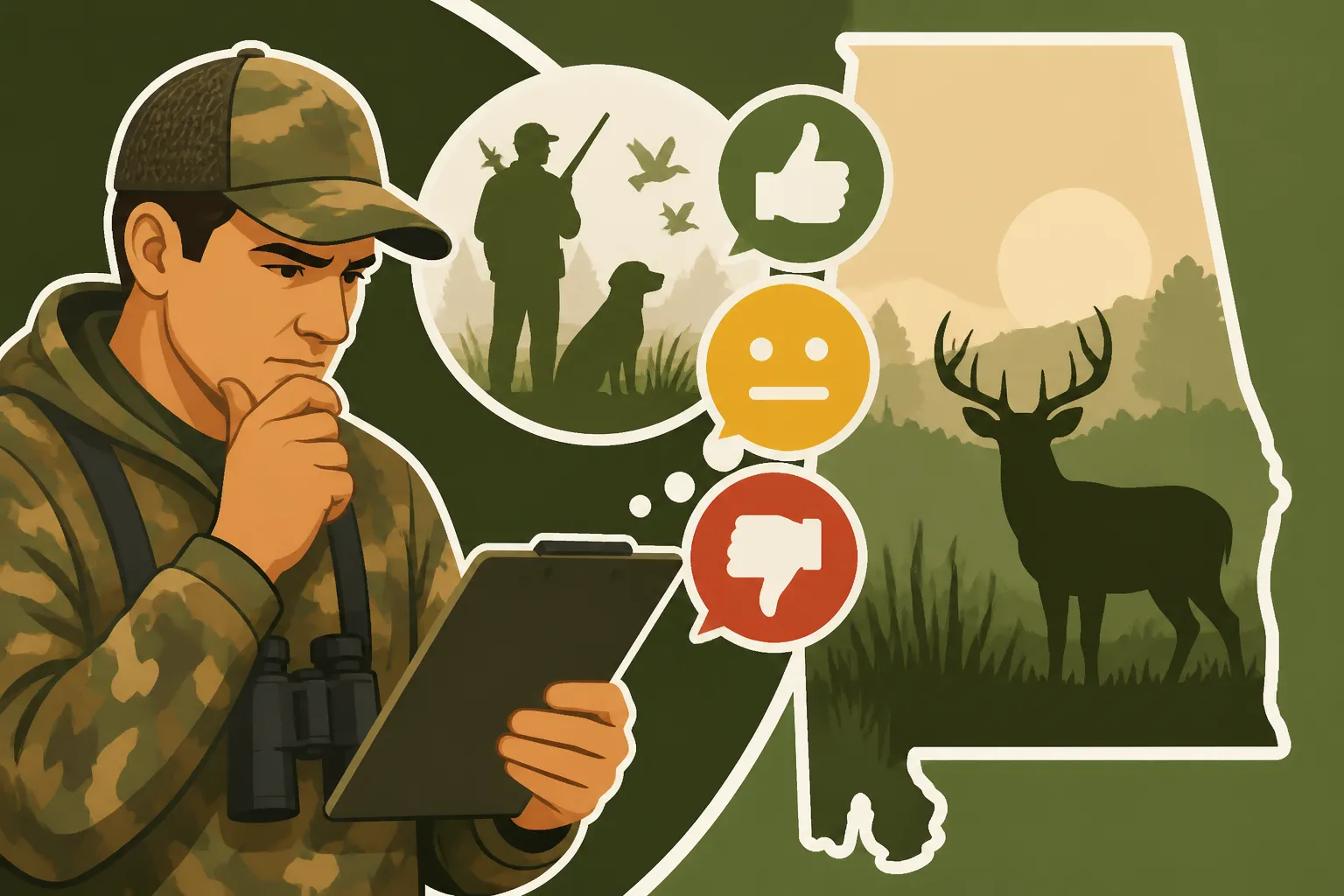
It’s a tale as old as time for Alabama hunters: you’re dreaming of that perfect deer season, a spring gobbler hunt, or even a successful hog eradication trip, and you start looking at outfitters. Suddenly, you're drowning in a sea of online reviews, a mix of glowing five-star praise and scathing one-star rants. How do you possibly tell what’s real, what’s exaggerated, and what actually applies to your hunting goals? This guide will equip you with the tools to critically dissect outfitter reviews, helping you separate the signal from the noise and make the most informed decision for your next Alabama hunting adventure.
The Hidden Truths Behind Online Reviews
Online reviews, while a fantastic starting point, are rarely a complete picture. They're snapshots of individual experiences, filtered through personal biases and expectations that might be vastly different from your own. Understanding these underlying factors is the first step in reading reviews critically.
Understanding Bias and Personal Expectations
Every hunter steps into the field with a unique set of hopes, skills, and definitions of success. What one person proudly labels a "trophy hunt" might feel like an "average outing" to another, especially if they're used to different levels of challenge or game density. This personal lens significantly impacts how a hunt is reviewed. For instance, a hunter accustomed to Bowhunting Alabama's Long Archery Season in public timber might place high value on solitude and the challenge of still-hunting a mature buck, even if deer sightings are low. Conversely, a hunter coming for Alabama's Gun Deer Season by Zone on a managed private property might expect a higher volume of deer and an easier shot opportunity. Neither perspective is wrong, but their reviews will naturally reflect these differing priorities.
Consider the experience level, too. A first-time hunter, perhaps just getting started in the outdoors, might be absolutely thrilled simply to see a few deer or hear a gobbler sound off, regardless of whether they harvest an animal. Their review will likely be overwhelmingly positive, focusing on the excitement and the guide's patience. On the other hand, a seasoned veteran, who's been hunting for decades and has specific goals for a mature animal, might have a much higher bar for a "successful" trip. If they don't encounter the specific challenge or trophy quality they're seeking, even a well-run hunt might receive a lukewarm review. Their personal skill level and a bit of luck also play a huge, often unmentioned, role in their reported success, which doesn't always reflect the outfitter's actual quality or the abundance of game.
The Spectrum of Reviewer Motivation
It’s worth pausing to consider why someone bothered to leave a review in the first place. Some hunters are genuinely motivated to share their positive experiences and help others find a good outfitter. They're often thorough and thoughtful in their feedback. Others might be driven by extreme frustration, feeling wronged and wanting to warn fellow hunters, or by extreme elation from harvesting a once-in-a-lifetime animal. These highly emotional reviews, while vivid, can sometimes lack objective balance.
Unfortunately, there's also the possibility of incentivized reviews. Some outfitters might offer a discount on a future hunt, a piece of merchandise, or even a small gift in exchange for a positive review. While not necessarily dishonest, these reviews might lean towards being less objective, glossing over minor issues to secure the incentive. Conversely, a scathing negative review often stems from unmet expectations, which can sometimes be unrealistic on the hunter's part, rather than outright poor service from the outfitter. For example, a hunt plagued by unseasonably warm weather, making deer movement sluggish, could lead to a negative review even if the guide did everything humanly possible. The reviewer's disappointment with the outcome, which was largely out of the outfitter's control, might color their entire assessment of the experience.
What to Scrutinize in Outfitter Testimonials
Once you understand the inherent biases, you can start digging into the actual content of the reviews. The real value often lies not just in the star rating, but in the specifics, the patterns, and even the omissions.
Looking for Specificity Over Generalities
Generic reviews like "Great hunt!" or "Had a blast!" are, frankly, almost useless when you’re trying to make a significant investment in a guided trip. They tell you nothing about the actual hunting experience, the quality of the lodge, the professionalism of the guides, or the game encountered. When you read a review, actively look for concrete details. Did the reviewer mention the guide by name? Did they describe the type of terrain they hunted, like Still-Hunting Bankhead Forest Ridges or sitting on a Setting Up on a Black Belt Field Edge? Did they elaborate on the hunting methods used, such as Rattling and Grunting in Alabama, or the types of food sources targeted, like Hunting a Green Field Planted for Deer?
These specific details are invaluable. For example, a review that states, "Our guide, John, had us set up overlooking a clear-cut edge and we saw two does and a young buck on day one, and he really understood Wind and Thermals on a Piedmont Ridge," provides far more actionable information than a simple five-star rating. It tells you about the guide's knowledge, the type of habitat hunted, and the game movement observed. Even reviews with less-than-perfect outcomes, but with specific details, can be incredibly valuable for understanding potential challenges or areas for improvement. A review might say, "Didn't harvest a bird, but our guide was excellent at Calling an Alabama Gobbler Off the Roost and knew the property like the back of his hand," which still speaks volumes about the guide's skill and effort.
Red Flags and Warning Signs in Wording
Beyond the presence or absence of detail, the tone and patterns in reviews can signal important information. Be wary of overly emotional or aggressive language, whether it's excessively gushing praise or vitriolic criticism. Such extreme wording often indicates a highly subjective experience, possibly influenced by external factors or personal issues, rather than a balanced assessment of the outfitter's service.
More importantly, pay close attention to recurring complaints. If multiple reviewers consistently mention the same specific problem—be it unhygienic lodge conditions, outdated equipment, poor communication from the office, or high Hunting Pressure on Alabama Public Land in their hunting area—it's highly likely to be a legitimate, systemic issue with the outfitter. While a single complaint could be an anomaly, a pattern strongly suggests a problem that you, too, might encounter. Conversely, an outfitter with only five-star, glowing, yet short and generic reviews can sometimes be a red flag. It might suggest a curated selection of feedback or incentivized postings. A truly trustworthy outfitter often has a few balanced reviews that include minor constructive criticism; these can actually build more trust by showing transparency and a willingness to improve. Hunting booking platforms like BookYourHunt or GoHunt sometimes offer advanced filtering options that can help you identify these patterns more easily.
Consistency Across Multiple Platforms
Never rely on just one source for outfitter reviews. A smart hunter casts a wide net, checking various platforms like Google Reviews, Facebook, dedicated hunting forums, and specialized booking sites. The goal is to get a holistic view of the outfitter's reputation. What's the overall sentiment across all these sources? Is it generally consistent, or are there stark differences?
Inconsistencies are particularly telling. If an outfitter's own website features only pristine testimonials, but their independent Google or Facebook reviews are filled with negative feedback, that's a massive red flag. It suggests that the outfitter is either heavily curating their own site or struggling with customer satisfaction. Another crucial aspect is how the outfitter responds to reviews, especially negative ones. A professional, polite, and constructive response from the outfitter can actually be a positive sign. It demonstrates that they care about their reputation, are willing to address issues, and value customer feedback. This level of engagement can turn a potentially negative impression into a testament to their customer service, showing that they take responsibility and aim to improve.
Cross-Referencing and Digging Deeper
After absorbing all the online feedback, the next step is proactive investigation. Don't be shy about reaching out directly to gather more information and clarify any lingering doubts.
Contacting Past Clients If Possible
The absolute gold standard for vetting an outfitter, even after reviewing countless online testimonials, is to speak directly with past clients. If an outfitter offers references, jump at the opportunity. This direct conversation allows you to ask targeted questions that reviews simply can't answer. Don't just ask, "Was it a good hunt?" Prepare a list of specific inquiries that delve into the day-to-day realities and potential challenges. Ask about the guide's attentiveness, the quality and consistency of the meals, the lodge's cleanliness, whether there were any unexpected costs or issues with equipment, and how the outfitter handled any difficulties that arose. You might ask, "What was the typical hunting day like, from breakfast to getting in the stand?" or "How did the guide adapt if the weather turned bad, or if deer movement was slow?"
While it’s true that outfitters typically provide hand-picked references who are likely to give positive feedback, even these conversations can be incredibly valuable. The details you glean, the nuances in their answers, and the overall impression they leave can confirm positive aspects from reviews or subtly highlight areas you might want to further investigate. Always remember that for a significant investment like a guided hunt, taking the extra step to speak with real people can prevent a lot of disappointment down the line. It's part of the comprehensive process described in Vetting an Alabama Outfitter Before You Book.
Asking Direct Questions to the Outfitter
After you've done your homework on reviews and potentially spoken with references, it's time to engage directly with the outfitter. This is your opportunity to address any specific concerns that cropped up in the reviews or to clarify aspects of the hunt that were vague. A reputable and honest outfitter will be transparent and willing to answer all your questions thoroughly. For instance, if you saw a few reviews mentioning crowded conditions on nearby public land, you could ask the outfitter about their strategies for Finding Ground Others Walk Past or their typical hunting party sizes to ensure your desired experience. If lodge cleanliness was mentioned, ask what measures they've implemented to address it.
This direct communication also serves as an excellent way to gauge the outfitter's professionalism, responsiveness, and communication style before you've committed any money. Do they answer your questions promptly and clearly? Do they seem knowledgeable and genuinely interested in your hunting goals? Their answers, or lack thereof, can be just as informative as any review. Having a clear understanding of what's included in the price, their cancellation policy, and what equipment is provided can save you headaches later. Don't be afraid to be thorough; Questions to Ask Before Booking an Alabama Hunt is a great resource to help you formulate a comprehensive list.
Here's a quick comparison of what to look for when evaluating outfitter reviews:
| Review Characteristic | What It Might Mean | Action to Take |
|---|---|---|
| Vague "Great Hunt!" | Lacks useful details; could be generic or incentivized. | Seek more specific reviews or ask outfitter for details. |
| Mentions guide by name & tactic | High credibility; useful insight into guide's skill. | Note guide's name; ask outfitter about their experience. |
| Consistent complaints on one issue | Likely a genuine systemic problem. | Ask outfitter directly about the issue (e.g., lodge, food). |
| Only 5-star, generic reviews | Potentially curated or incentivized feedback. | Check other platforms (e.g., BookYourHunt, GoHunt) for balance. |
| Negative review, outfitter responds professionally | Outfitter cares about service and reputation; addresses issues. | Note their response; might indicate issues are being addressed. |
| Reviews across multiple platforms align | Strong indicator of consistent service quality. | Higher confidence in booking; still verify details. |
By taking the time to critically analyze outfitter reviews, asking the right questions, and cross-referencing information, you’re not just relying on chance. You're proactively planning for a more successful and enjoyable Alabama hunting trip, whether you're targeting Wild Turkeys in Alabama or pursuing White-Tailed Deer Across Alabama. It’s all about making an informed choice, so you can focus on the hunt when the time comes.
Disclaimer
This article is for general informational purposes only and does not constitute professional advice. Laws, prices and regulations vary by location and change over time. Consult a qualified professional for guidance on your specific situation.