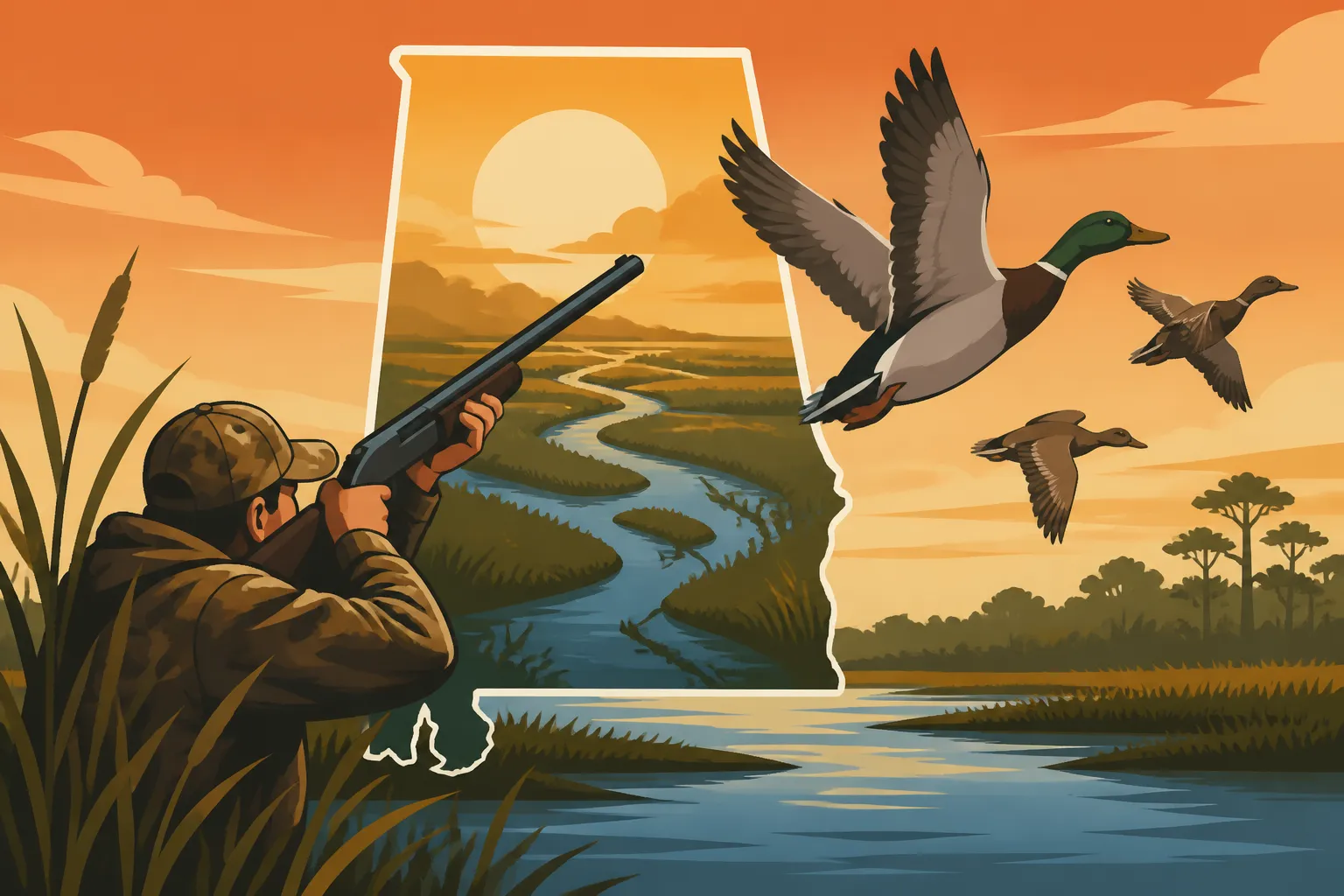
Waterfowl Hunting Alabama’s River Deltas
For many waterfowlers in Alabama, the thought of chasing ducks and geese conjures images of flooded timber in the Black Belt or the sprawling open waters up north. But if you’ve ever found yourself scratching your head, wondering where to consistently find birds away from heavily pressured areas, or how to navigate the complex, often unpredictable waters of Alabama's major river deltas, you’re not alone. This guide is designed to demystify waterfowl hunting in these unique and incredibly productive environments, offering insights into tactics, gear, and regulations that will help you unlock their full potential.
Understanding Alabama's River Delta Systems for Waterfowl
Alabama is blessed with some incredible water resources, and its river deltas are true jewels for migratory waterfowl. These aren't just big, static lakes; they're dynamic, living systems where freshwater meets tidal influences, creating a mosaic of habitats from open bays to intricate sloughs and flooded marsh. Understanding the distinct characteristics of each major delta is the first step to consistent success.
The Mobile-Tensaw Delta: A Waterfowler's Paradise
Down in south Alabama, the Mobile-Tensaw Delta is an absolute behemoth. It's one of the largest river deltas in the entire United States, a sprawling complex of rivers, bayous, creeks, lakes, and vast marshlands that drain into Mobile Bay. This immense system acts like a funnel, catching migratory birds as they move along the Mississippi Flyway. For ducks, it offers everything from deep channels to shallow, vegetated flats, making it a prime wintering ground. The sheer size alone can be intimidating; you could spend a lifetime exploring it and still discover new honey holes. Hunters here often focus on specific areas like Big Bateau, Tensaw Lake, or the myriad of smaller, nameless creeks and ponds that dot the landscape. The tidal influence from Mobile Bay is a huge factor, dictating water levels and bird movement, especially in the brackish marshes closer to the coast.
The Tennessee River Delta: Northern Alabama's Duck Mecca
Shifting gears to north Alabama, the Tennessee River system, particularly the impoundments like Wheeler and Wilson reservoirs, creates another significant deltaic environment. While not a true delta in the same geological sense as the Mobile-Tensaw, these broad, slow-moving river sections and their associated backwaters, islands, and sloughs offer critical habitat for ducks and geese. The focus here is often on large shallow flats, flooded agricultural fields adjacent to the river, and expansive mudflats that emerge as water levels fluctuate. The Tennessee River is a major stopover point for ducks pushing south, particularly mallards, gadwall, and various diving ducks. Areas around Decatur and Florence, with their numerous public access points and adjacent Wildlife Management Areas (WMAs), are classic destinations. Unlike the Mobile-Tensaw, the Tennessee River's water levels are often managed by TVA dams, which can create predictable patterns for hunters who learn the schedule. You'll find many hunters focused on Hunting the Tennessee River Delta for Waterfowl specifically, and for good reason—it's productive.
Other Smaller River Deltas and Estuaries
While the Mobile-Tensaw and Tennessee River systems get most of the attention, Alabama actually boasts several other smaller river deltas and estuaries that offer excellent, though perhaps less known, waterfowl opportunities. Consider the Bon Secour River estuary near Gulf Shores, which offers a mix of tidal marsh and open water that can attract dabblers and divers. Further east, the Apalachicola River in Florida, just across the Alabama border, impacts the waterfowl patterns in the eastern parts of the state's coastal plain, drawing in birds that might swing west. These smaller systems often present unique challenges and rewards, sometimes requiring more scouting and a better understanding of local patterns. They can also offer a more intimate hunting experience, often with less pressure than the larger, more famous destinations. Remember, ducks and geese will utilize any suitable habitat they find, so don't overlook these smaller, often overlooked pockets of potential.
Key Waterfowl Species in Alabama's Deltas
Alabama's river deltas are magnets for a diverse array of waterfowl, offering opportunities for hunters to pursue everything from puddle ducks to hard-flying divers and even big Canada geese. Knowing what species you're likely to encounter and understanding their preferences will greatly inform your hunting strategy.
Dabblers: Mallards, Wood Ducks, and Green-Winged Teal
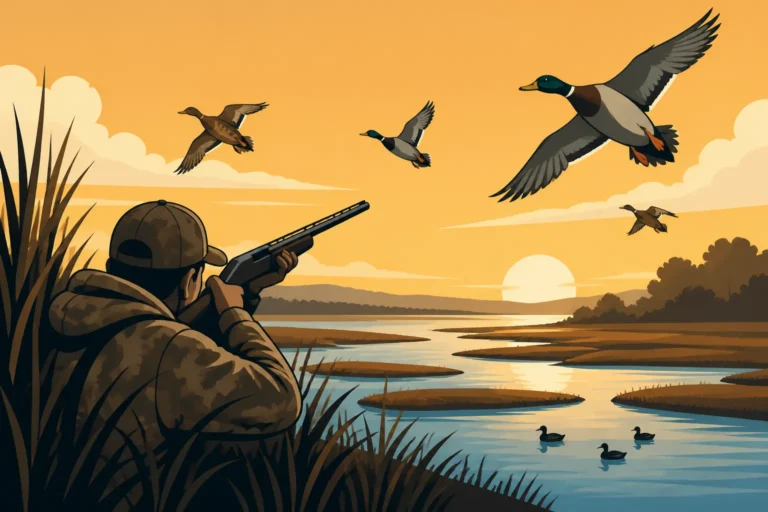
Dabbling ducks, often called puddle ducks, are the bread and butter for many Alabama waterfowlers. They feed in shallow water, tipping up to reach submerged vegetation and invertebrates, rarely diving completely.
- Mallards: The iconic greenhead is a prized bird, and Alabama's deltas can hold significant numbers, especially in the Tennessee River system and the northern, less brackish parts of the Mobile-Tensaw. They love flooded timber, shallow sheet water, and agricultural fields. Hunting Flooded Timber for Mallards is a popular tactic where available.
- Wood Ducks: These stunning ducks are a native staple, often found in dense, wooded swamps, beaver ponds, and the timbered edges of delta sloughs. They are incredibly agile flyers and offer exciting jump-shooting opportunities. Many hunters enjoy Jump-Shooting Alabama Beaver Ponds for Wood Ducks in the early season or in remote delta backwaters.
- Green-Winged Teal: Fast and erratic flyers, these small ducks arrive early in the season and can be found in shallow mudflats, rice fields, and vegetated fringes. Their speed makes for challenging shooting, and they often respond well to aggressive calling.
- Other Dabblers: You'll also encounter gadwall, wigeon, and shovelers. Gadwall are often found in open water grazing on submerged vegetation, while wigeon prefer similar habitats but also feed on agricultural stubble. Shovelers, with their distinctive large bills, are often seen sifting through shallow mud for invertebrates. Understanding their flight patterns and feeding habits is crucial. For instance, mallards often circle before committing, while teal might zip right in.
Divers: Ring-Necks, Bluebills, and Canvasbacks
Diving ducks prefer larger, deeper bodies of water where they can dive for food – mollusks, crustaceans, and submerged aquatic vegetation. They're often found further out on the main river channels or large open bays within the deltas.
- Ring-Necked Ducks: Also known as "ringbills," these are perhaps the most common diver in Alabama. They congregate in large rafts on open water but will readily decoy into spreads placed near emergent vegetation or along deeper channels. Their flight is fast and low over the water.
- Scaup (Bluebills): Both Greater and Lesser Scaup can be found, though Lesser Scaup are more prevalent. They are typically found in very large rafts on open bays and deeper sections of the delta. Getting them to decoy requires large spreads and often more aggressive, long-range calling.
- Canvasbacks: The "king of ducks" is less common but highly sought after. They are powerful flyers and prefer large, open bodies of water with abundant submerged vegetation. Finding a feeding concentration of canvasbacks in Alabama's deltas is a special experience, often requiring extensive scouting on big water.
- Redheads and Buffleheads: Redheads are often found with scaup and ring-necks, favoring brackish and saltwater environments. Buffleheads are tiny, fast divers often found in smaller groups on protected coves and backwaters, adding a bit of charm to any mixed bag. Targeting divers often means setting up in more exposed locations, using bigger boats, and being prepared for colder, windier conditions.
Geese: Resident Canada Geese and Migratory Species
While Alabama isn't traditionally known as a goose hunting hotspot like some northern states, both resident Canada geese and migratory populations utilize the delta systems.
- Resident Canada Geese: These local birds are abundant, particularly in the Tennessee River Valley and around urban areas. They often feed in agricultural fields adjacent to the river, as well as golf courses and parks. Alabama Goose Season Rules are important to understand, as resident populations often have more liberal seasons.
- Migratory Canada Geese: While less common, some migratory Canadas do pass through, especially during colder weather further north. They’ll often join resident flocks or utilize the same large open water and field habitats.
- Snow and Specklebelly Geese: These "light geese" are becoming more frequent visitors to Alabama, though still not in overwhelming numbers. They often stop in large agricultural fields near the deltas during severe cold fronts, offering a unique opportunity for hunters willing to put in the time and specialized spread. Look for them in the agricultural areas adjacent to the Mobile-Tensaw Delta or the Tennessee River. Their patterns can be less predictable, requiring constant monitoring of migration reports and local sightings.
Essential Gear and Equipment for Delta Duck Hunting
Hunting Alabama's river deltas presents unique challenges that demand specialized gear. You're not just dealing with cold water; you're often contending with strong currents, hidden obstacles, vast distances, and variable conditions. Having the right tools isn't just about success; it's about safety and comfort.
Boats and Motors: Navigating Shallow Waters and Open Bays
Your boat is arguably the most critical piece of equipment for delta duck hunting. These environments require versatility.
- Shallow Water Boats: For much of the Mobile-Tensaw, and many backwater areas of the Tennessee River, shallow-draft boats are paramount. Flat-bottomed jon boats, typically 16-20 feet, with robust outboard motors (25-50hp) are common. However, for truly shallow, stump-filled, or vegetated areas, a mud motor (surface drive or longtail) on a heavy-gauge aluminum hull is often superior. Brands like Gatortail, Copperhead, and Backwater Motors are popular choices for serious delta hunters, allowing access to areas conventional outboards can't touch.
- Big Water Boats: If you plan on hunting the open bays of Mobile Bay or the main channels of the Tennessee River, where divers congregate, you'll need a more substantial vessel. A V-hull or semi-V hull aluminum boat (18-24 feet) with a larger outboard (75-150hp) will offer a safer, drier ride in rough water. These boats often require more horsepower to maintain speed in strong currents or when loaded with decoys and hunters. Always prioritize safety: ensure your boat has all required safety equipment, including life jackets, navigation lights, a whistle, and a throw cushion. A reliable anchor system is also crucial, especially in tidal areas where currents can be surprisingly strong.
Decoys and Spreads: Mimicking Natural Delta Feeding
Decoy spreads are your visual magnet, drawing birds into shooting range. The type and size of your spread will vary greatly depending on the species you target and the habitat.
- Dabbler Spreads: For mallards, wood ducks, and teal in the shallows or flooded timber, a spread of 2-4 dozen decoys is often sufficient. Mix in mallard and gadwall decoys, with a few wood ducks if they're prevalent. Motion is key: consider spinning wing decoys (e.g., Mojo Decoys) or jerk strings to add realism. Keep the spread somewhat open, leaving a landing zone for birds. A natural, somewhat loose configuration mimicking feeding birds usually works best.
- Diver Spreads: Hunting divers on open water typically demands much larger spreads. Think 6-10 dozen decoys, predominantly ring-necks and bluebills, often in long lines or "j-hook" patterns. The sheer numbers help create visibility from a distance. Consider using larger, magnum diver decoys for even greater visibility. Diver decoys often need heavier keels or weights to keep them stable in choppy water. Many hunters use Texas rigs or long lines for quick deployment and retrieval in deeper water.
- Goose Spreads: If targeting geese, field spreads of full-body goose decoys (often 2-4 dozen) or large silhouette decoys are effective. For geese on water, floating full-body goose decoys work well. Consistency and numbers are often the keys to drawing in wary geese. Always check Alabama Duck Daily Bag Limit and Alabama Goose Season Rules to ensure your spread size aligns with your hunting goals.
Camouflage and Blinds: Blending into Riverine Environments
Blending into your surroundings is non-negotiable for waterfowl hunting. The delta environments offer a variety of natural cover, but you'll often need to augment it.
- Natural Blinds: Utilize fallen trees, thick cane brakes, cattail stands, or willow bushes. A well-built natural blind can be incredibly effective and often cheaper than manufactured options. The key is to break up your outline and hide any unnatural shapes. For example, if hunting a creek bend in the Mobile-Tensaw, a thick stand of switch cane can provide excellent concealment.
- Layout Blinds and Boat Blinds: For hunting open water or field edges, a layout blind or a boat blind is essential. Layout blinds conceal you effectively in shallow water or field stubble, allowing you to pop up for the shot. Boat blinds, custom-built or manufactured, convert your hunting boat into a floating fortress of camouflage, blending it into the shoreline or emergent vegetation. Brands like Avery, Tanglefree, and Final Approach offer a range of boat blinds and layout blinds suitable for various delta scenarios. When setting up a boat blind, consider brushing it in with local vegetation to match the specific environment, ensuring you're fully concealed from all angles. Brushing In a Blind on a Field Edge is a skill that takes practice but pays off immensely.
Effective Strategies for Hunting Alabama's Deltas
Hunting the river deltas is a chess match with nature. The birds are constantly on the move, influenced by weather, food, and pressure. Successful hunters aren't just lucky; they understand these dynamics and adapt their strategies accordingly.
Scouting and Location: Finding the "X" in Dynamic Environments
Scouting is paramount in dynamic delta environments. Waterfowl are creatures of habit but will shift locations based on food, pressure, and resting areas.
- Pre-Season Reconnaissance: Before the season opens, spend time exploring potential areas. Use mapping apps like GoHunt (or other similar mapping tools) to identify hidden sloughs, shallow flats, and adjacent agricultural fields. Look for signs of bird activity: droppings, feeding holes, and actual birds. Pay attention to traditional flyways and bottlenecks where birds might funnel.
- In-Season Scouting: Once the season starts, scouting becomes a daily ritual. Birds will move. If you find birds using a particular patch of flooded smartweed one day, that's your "X." Don't be afraid to pull up stakes and move if birds aren't working your spread. Utilize early morning and late evening drives to watch where birds are flying and landing. A good pair of binoculars and a spotting scope are indispensable. In the Tennessee River Delta, you might spend mornings observing from public access points to see which sloughs are holding birds. Always be mindful of other hunters, and ensure you're not disturbing their hunts while scouting. Remember that Scouting Alabama Public Land Before Season can save you a lot of frustration later on.
Decoy Setups for Different Water Depths and Species
Your decoy spread needs to be tailored to the environment and the birds you're targeting.
- Shallow Water/Dabblers: In shallow water (1-3 feet), deploy your dabbler decoys in loose groups, mimicking feeding activity. Leave a large "landing strip" in front of your blind. Consider placing a few decoys upwind and upcurrent, simulating birds coming in. Motion decoys, especially a spinning wing or a jerk string, can be incredibly effective here. Place them where they are visible but not directly in the path of incoming birds.
- Deep Water/Divers: For divers in deeper, open water, visibility is key. Use larger numbers of diver decoys, often strung out in long lines (gang rigs) or J-hook patterns that guide birds towards your boat or blind. The broad, open stretches of the Tennessee River often call for this approach. Place a few decoys closer to the blind, within easy shooting range, to provide a focal point. Always ensure your decoys are weighted sufficiently to prevent them from drifting in strong currents. For a detailed look at strategy, consider learning more about Layout Blind Hunting Delta Farm Fields or Reading a Delta Slough for a Morning Flight.
Calling Tactics: Mastering the Delta Dialogue
Calling is an art, not just a noise-making exercise. It's about communicating with ducks and geese.
- Mallard Calling: A good mallard call is essential. Start with basic greetings and comeback calls. As birds approach, switch to softer clucks and quacks, and eventually a feeding chuckle, indicating safety. Don't overcall; let the birds tell you what they want. In heavily pressured areas, subtle calling is often more effective than loud, aggressive sequences.
- Wood Duck Calling: Wood duck calls are distinct and often used to locate birds or to coax them into dense timber. A sharp, loud whistle is often all it takes to get a response.
- Goose Calling: For Canada geese, deep honks, clucks, and moans are used to attract their attention. Learn to differentiate between a lone honk and a rapid hail call. For snow and specklebelly geese, calls are much higher pitched and often more frantic, mimicking large feeding flocks. Practicing your calling year-round will significantly improve your success rate. There are many excellent resources online and through local calling contests to refine your technique.
Timing Your Hunt: Weather, Tides, and Migration
The timing of your hunt is just as important as your location or calling.
- Weather Fronts: Cold fronts are a duck hunter's best friend. They push new birds south and often get existing birds flying. Strong winds can also be beneficial, keeping birds lower and more focused on finding shelter or food. Conversely, warm, calm weather often means sluggish bird activity.
- Tidal Influence (Mobile-Tensaw): In the Mobile-Tensaw Delta, tides are a huge factor. Falling tides often concentrate birds in specific channels or exposed mudflats, while rising tides can flood new feeding areas. Consult a tide chart and plan your hunt around peak feeding times or areas that become accessible with the right water level.
- Migration Timing: Understanding Alabama Waterfowl Migration Timing is crucial. Early season offers opportunities for local wood ducks and teal, while peak migration (often November-January) brings in the bulk of mallards and divers. Late season can offer strong opportunities as birds that have wintered here become more consistent in their patterns, especially during cold snaps. Using a mapping platform like GoHunt can help you overlay weather patterns and potential migration corridors.
Navigating Public Access and Regulations
Alabama offers a significant amount of public land and water, but navigating the rules and access points can be daunting for newcomers or those unfamiliar with specific areas. Doing your homework beforehand will prevent headaches and ensure a legal, enjoyable hunt.
Understanding WMA Rules and Quota Hunts
Wildlife Management Areas (WMAs) are critical public hunting grounds, but they come with specific regulations.
- WMA Permits: Most WMAs require a WMA permit in addition to your regular Alabama hunting license and Alabama State Duck Stamp Cost. These permits are typically affordable and can be purchased online through the Outdoor Alabama website. Always carry proof of purchase.
- Specific WMA Regulations: Each WMA can have its own nuances regarding shooting hours, methods of take, specific open dates, and even daily bag limits that might differ slightly from statewide rules. For example, some WMAs might have later opening times or specific areas designated for certain hunting types. Some WMAs, especially those with managed impoundments, may implement quota hunts or require special sign-in procedures. Always check the current WMA regulations digest available from the Alabama Wildlife and Freshwater Fisheries Division (ADWFF) before heading out. Don't assume; verify. For instance, the Wheeler National Wildlife Refuge, which includes parts of the Tennessee River Delta, has very specific rules for waterfowl hunting, often involving quota draws and designated hunting zones.
- Boat Access and Retrieval: Many WMAs within the delta systems offer designated boat ramps and access points, but it's important to know their condition and accessibility, especially during low water periods. Some areas may have restrictions on boat horsepower or type.
Public Boat Ramps and Access Points
Gaining access to the vastness of Alabama's river deltas almost always requires a boat, and knowing where to launch is fundamental.
- Mobile-Tensaw Delta: Numerous public boat ramps are scattered throughout the lower Alabama and Mobile River systems. Popular launch points include those along US-43 north of Mobile, and various state and county ramps around Stockton, Spanish Fort, and Blakeley. The Alabama Department of Conservation and Natural Resources (ADCNR) website has an interactive map tool that helps locate these. Be aware that some ramps can be very busy, especially on opening day or during peak hunting weekends.
- Tennessee River Delta: Along the Tennessee River, TVA maintains many public access points and boat ramps. Cities like Decatur, Florence, and Guntersville also offer municipal ramps. Wheeler National Wildlife Refuge has several designated launch points. Just like the Mobile-Tensaw, early mornings can see crowded ramps, so plan your arrival accordingly. Consider using mapping apps like GoHunt that integrate public land and access information to help you identify the best launch sites and navigate to your hunting spot. Having a backup ramp in mind is always a good idea.
Important Regulations: Bag Limits, Shooting Hours, and Hunting Methods
Staying within the legal framework is paramount for ethical and responsible hunting.
- Alabama Waterfowl Zones and Seasons: Alabama is divided into specific waterfowl zones with slightly different season dates. The Mobile-Tensaw Delta largely falls within the South Zone, while the Tennessee River Delta is in the North Zone. Always consult the Alabama Waterfowl Zones and Seasons guide for the current year, as dates can shift.
- Bag Limits: Be intimately familiar with the Alabama Duck Daily Bag Limit for each species, as well as the aggregate daily bag. Goose limits are separate. Misidentifying ducks in flight is a common mistake, so take the time to learn your species.
- Shooting Hours: Legal shooting hours for waterfowl typically begin 30 minutes before sunrise and end at sunset. Always confirm the exact times for your hunt date. A reliable headlamp and watch are crucial.
- Hunting Methods: Only migratory game birds can be hunted with shotguns no larger than 10 gauge, incapable of holding more than three shells (plugged to a 3-shot capacity). Non-toxic shot (steel, bismuth, etc.) is mandatory for all waterfowl hunting. It is illegal to hunt waterfowl over bait. Understanding these rules, along with the Alabama Migratory Bird Certification requirement and the need for a Federal Duck Stamp, is essential before you even leave home. This includes knowing your Alabama Duck Zone Rules and making sure you have all the necessary stamps and certifications.
| Feature / Delta | Mobile-Tensaw Delta | Tennessee River Delta |
|---|---|---|
| Location | Southwest Alabama, emptying into Mobile Bay | North Alabama, along the Tennessee River impoundments |
| Primary Habitat | Vast tidal marsh, riverine swamps, open bays | Large reservoirs, shallow flats, flooded agri-fields |
| Key Species | Wood Ducks, Teal, Gadwall, Mallards, Ring-Necks | Mallards, Gadwall, divers, Canada Geese |
| Water Level Influence | Tides (daily), rainfall (seasonal) | TVA dam operations (often weekly/monthly) |
| Typical Boat | Mud motor jon boats for shallow; V-hulls for bays | V-hulls for open water; jon boats for backwaters |
| Hunting Pressure | High in accessible areas; less in remote swamps | High in managed refuge areas; moderate elsewhere |
| Access Challenge | Navigating intricate bayous; tidal changes | Finding unpressured areas; understanding water levels |
Challenges and Considerations for Delta Hunters
Hunting Alabama's river deltas offers incredible rewards, but it's not without its challenges. Being prepared for these hurdles, both environmental and logistical, will make for a safer and more enjoyable experience.
Dealing with Changing Water Levels and Tides
The dynamic nature of delta environments means water levels are rarely static, and this presents a significant challenge.
- Tidal Swings (Mobile-Tensaw): In the Mobile-Tensaw Delta, tides can rise and fall several feet within a day, especially closer to Mobile Bay. What was a dry mudflat in the morning might be a productive feeding area by midday, or vice-versa. This means scouting must account for different tidal stages. A productive blind site at high tide might be high and dry, or inaccessible, at low tide. Always check tide charts and consider how your boat access, decoy placement, and bird movement will be affected. Getting stuck in shallow water on a falling tide is a common, frustrating, and potentially dangerous mistake.
- River Fluctuations (Tennessee River): On the Tennessee River, water levels are largely dictated by TVA dam operations. These can change daily or even hourly, especially during periods of heavy rain or power generation. A backwater slough that was flooded the day before might be a mere puddle, or a field edge might suddenly be under several feet of water. Monitoring TVA water release schedules or using resources like GoHunt that may show historical water level data can provide an edge, allowing you to anticipate changes and target areas that become newly accessible or productive. Always be aware of the possibility of rapidly rising or falling water when setting out your decoys or choosing a blind location, as your boat could become stranded or submerged.
Weather Extremes and Safety on the Water
Alabama's weather can be notoriously unpredictable, especially during the fall and winter, and safety on the water must always be your top priority.
- Cold and Wind: While Alabama winters aren't as harsh as northern states, sudden cold snaps and strong winds are common. Hypothermia is a real danger. Dress in layers with waterproof outer shells. Ensure you have extra dry clothes in a dry bag. If you're on the open water of Mobile Bay or the main Tennessee River, even moderate winds can quickly whip up dangerous whitecaps. A small boat can be easily swamped.
- Fog: Delta mornings are often shrouded in thick fog, especially near the water. This can make navigation incredibly dangerous. Never operate your boat at high speeds in fog. Use GPS, a compass, and sound signals. Consider waiting for the fog to lift before moving.
- Storms and Lightning: Fast-moving thunderstorms can pop up quickly, especially earlier in the season. Seek shelter immediately if lightning is present.
- Boat Safety: Always tell someone your hunting plan, including your launch point and expected return time. Carry all required safety gear: life jackets (wear them!), a throw cushion, navigation lights, a fire extinguisher, and a first-aid kit. A fully charged cell phone (in a waterproof case) and a VHF radio are also highly recommended, especially on large bodies of water. Even minor boat issues can quickly escalate into emergencies in remote delta locations.
Pressure from Other Hunters and Public Land Etiquette
With so many hunters drawn to these productive areas, navigating human pressure is part of the game.
- Crowds on Opening Day: Opening weekend, especially for Alabama Deer Season Structure Explained or Alabama Archery Season Dates (which can overlap with early waterfowl season), and the waterfowl opener, can see extremely high hunter densities at popular access points and WMAs. Arrive early, be patient, and try to find less-pressured areas.
- Respecting Space: Give other hunters ample space. Setting up too close not only diminishes both your chances but also creates friction. A general rule of thumb is to allow at least several hundred yards, if not more, between hunting parties. If you encounter another group, a friendly wave and a wide berth are always appreciated.
- Minimizing Disturbance: When motoring to your spot, try to avoid "skipping" birds out of areas where others are hunting. Idle speed through sensitive areas if possible. Also, avoid unnecessary sky-busting or long shots that educate birds for everyone else. Ethical hunting benefits the entire community. When hunting a WMA, adhere to specific check-in and check-out procedures, and always pack out everything you pack in.
Understanding Carcass Movement Restrictions in CWD Zones
While the main CWD Management Zone (CMZ) in Alabama is concentrated in the northwestern part of the state, primarily associated with deer, it's always wise to be aware of any potential future implications for waterfowl, or general carcass movement rules. Currently, there are no specific CWD-related restrictions directly impacting waterfowl carcasses. However, hunters should always stay informed of current regulations, as rules can change. If you're hunting in or near counties that border the CWD Management Zone, like Lauderdale or Colbert counties in the Tennessee River Delta, and you also deer hunt, understanding Alabama Carcass Movement Restrictions is critical to prevent the spread of CWD. While primarily focused on deer, this knowledge reinforces the importance of responsible wildlife management for all species. Always double-check the ADWFF regulations digest each season for any updates on disease management and carcass transport.
Disclaimer
Always verify current hunting regulations, season dates, and license requirements with the Alabama Department of Conservation and Natural Resources (ADCNR) or the appropriate local authorities before engaging in any hunting activities. Rules and laws can change frequently. This guide is for informational purposes only and does not constitute legal advice.