Why Black Warrior WMA Draws So Many Hunters
Feeling overwhelmed by crowded public land or simply wondering where other hunters find success in Alabama's vast forests? You're not alone. Many hunters are drawn to the promise of wild, expansive ground, and Black Warrior Wildlife Management Area stands out as a beacon. This guide will peel back the layers of its appeal, exploring precisely why this particular WMA consistently attracts so many passionate hunters and how you can make the most of its unique opportunities.
The Lure of Expansive Public Land
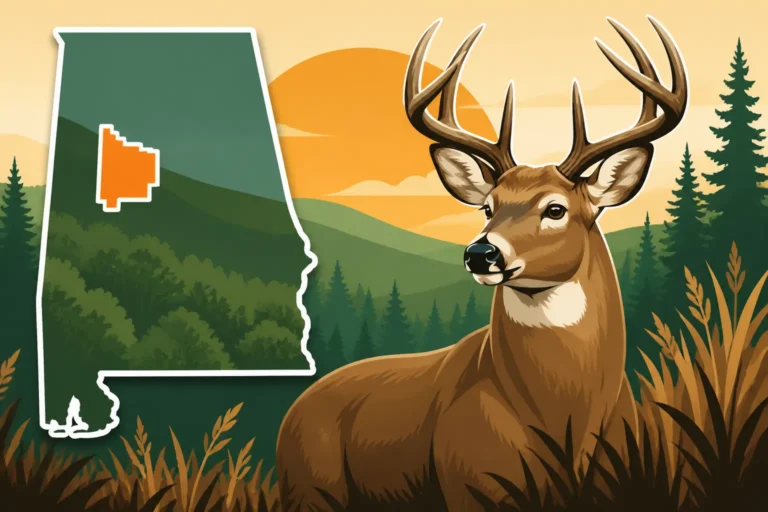
Black Warrior WMA isn't just another patch of woods; it's a significant portion of the William B. Bankhead National Forest, offering a scale of public hunting that's increasingly rare and highly sought after. For many, the sheer size and wild character of this area are what truly set it apart, providing an experience reminiscent of hunting larger national forest lands out West, right here in Alabama.
Size and Accessibility in Bankhead National Forest
Imagine stepping into over 180,000 acres of contiguous public hunting ground. That's essentially what you get with Black Warrior WMA, tucked within the much larger William B. Bankhead National Forest Hunting. This isn't a small, fragmented WMA; it’s a sprawling landscape where you can truly get away from it all if you're willing to walk. The vastness allows for genuine still-hunting, long hikes into unpressured pockets, and the feeling of wilderness that often eludes smaller tracts. For those who enjoy solitude and the challenge of finding game far from the beaten path, Black Warrior delivers. While it's certainly popular, especially on opening weekends, its sheer size means that hunters willing to put in the effort can often find ground that sees less human disturbance. Getting into the heart of it is relatively straightforward, with numerous forest roads providing access points, though some of the best spots still require a good walk. If you're wondering How Many Acres Bankhead Forest Covers, a quick search will show you the impressive scale we're talking about, and Black Warrior makes up a significant chunk of that.
Diverse Habitat for Key Species
One of the undeniable strengths of Black Warrior WMA lies in its incredibly diverse habitat, which acts like a magnet for game animals, particularly deer and turkey. You'll find a mosaic of towering, mature hardwoods, dense pine plantations, steep creek bottoms carving through the landscape, and regeneration areas from past timber harvests. This variety isn't just pretty to look at; it's vital for a healthy ecosystem. The mature hardwoods drop acorns, a critical food source for deer and turkey, especially in fall. The pine thickets and clear-cuts offer dense bedding cover and browse, providing security and sustenance for deer. The creek bottoms, with their richer soils and perennial water sources, create natural travel corridors and provide diverse vegetation. This complex tapestry means that as food sources and cover types change throughout the seasons, game animals have ample options to thrive and move, offering hunters varied opportunities to adapt their tactics. This varied terrain is a dream for Squirrel Hunting Alabama Hickory Groves in the fall, too.
Prime Hunting Opportunities for Deer and Turkey
While Black Warrior WMA hosts a variety of game, it's undoubtedly the whitetail deer and wild turkey that draw the lion's share of attention. The combination of managed habitat and healthy populations makes it a compelling destination for hunters targeting these iconic Alabama species.
Strong Deer Population and Management
The deer population in Black Warrior WMA is generally robust, a testament to effective management practices within the national forest system. While it might not boast the sheer trophy potential of some private Black Belt properties, the WMA offers consistent opportunities for quality hunting. The diverse habitat, from steep ridges to dense bottoms, provides ample cover and forage, leading to healthy deer. Hunters who spend time in the area learn to interpret the landscape, recognizing Where Bankhead Forest Bucks Bed in thickets or along creek banks, or how they move along Reading a Ridge for North Alabama Deer. You'll often find concentrated sign in areas where different habitat types converge, like where a mature hardwood stand meets a younger pine plantation. The overall North Alabama Deer Density supports a satisfying hunting experience, with consistent sightings and opportunities to fill your tags if you're patient and strategic. The challenge comes from adapting to the expansive, often rugged terrain and outsmarting deer that are accustomed to human presence, especially during peak hunting times.
Excellent Turkey Hunting Prospects
Beyond deer, Black Warrior WMA is celebrated among turkey hunters as one of Alabama's premier public land destinations. The expansive tracts of mature timber, coupled with the varied topography of ridges, hollows, and creek bottoms, create ideal habitat for wild turkeys. These birds have plenty of space to roam, roost, and breed, leading to a healthy and challenging population. Locating roosted gobblers in the morning can be an adventure in itself, often requiring early starts and covering significant ground to pinpoint their morning calls. Once a bird is located, the vastness of the WMA allows for classic Run-and-Gun Turkey Tactics on Public Land, moving quickly to cut off a gobbler or to get ahead of a strutting tom. The terrain can be physically demanding, with steep climbs and thick undergrowth, but the reward of calling in a wild gobbler in such a majestic setting is a feeling few other places can offer. It’s a hunt that truly tests your woodsmanship and calling skills, making every successful hunt incredibly satisfying.
Strategies for Navigating and Hunting Black Warrior WMA
Given the vastness and popularity of Black Warrior WMA, successful hunting isn't just about showing up; it's about smart planning, effective navigation, and adapting to the conditions, including fellow hunters.
Utilizing Mapping Tools for Success
In an area as large and complex as Black Warrior WMA, modern mapping tools are absolutely indispensable. Forget the old paper maps unless they're a backup; digital mapping apps like onX Hunt and GoHunt are game-changers. These platforms allow you to overlay satellite imagery with topographical maps, revealing subtle terrain features, potential funnels, and hidden clearings that are impossible to spot from the ground. Crucially, they delineate public and private land boundaries with precision, preventing accidental trespass – a common concern in areas bordering private timber tracts. You can mark potential stand locations, scout entry and exit routes, and even track your movements in real-time, which is invaluable when navigating dense woods without cell service, which can happen frequently in some of the deeper pockets. Planning your attack before you ever step foot in the woods, by identifying key bedding areas, food sources, and travel corridors, gives you a significant edge. Knowing Using Outdoor Alabama Without Cell Service is possible with offline maps is key.
Adapting to Pressure and Terrain
It's no secret that popular public lands, including Black Warrior WMA, can see significant Hunting Pressure on Alabama Public Land, especially during opening days and weekends. However, smart hunters know how to adapt. The sheer size of Black Warrior means that most hunters tend to stick close to roads and easily accessible areas. Your advantage lies in going deeper, pushing past those initial layers of pressure. This often means walking an extra mile or two, navigating tougher terrain, and being willing to explore areas that might seem less appealing at first glance. Targeting weekdays or later in the season can also significantly reduce the number of fellow hunters you encounter. Furthermore, understanding the terrain is critical. Deer and turkeys often use topography to their advantage, traveling along specific ridges, creek bottoms, or benches to avoid detection. Learning to read these natural features and how game animals utilize them can lead you to less-pressured pockets holding deer and gobblers. For those interested in deer drives, understanding the lay of the land is critical for Deer Drives With Three or Four Hunters.
Essential Gear and Preparedness
Hunting Black Warrior WMA is not a casual stroll through the park; it demands a higher level of preparedness. Because of its expansive, rugged nature and the potential for limited cell service, being self-sufficient is paramount. Your gear list should prioritize navigation, safety, and comfort. A reliable GPS device or a smartphone with offline mapping capabilities (like onX Hunt or GoHunt) is non-negotiable. Carry a compass and know how to use it as a backup. A well-stocked first-aid kit, fire-starting materials, a water filter or ample water, and emergency shelter are all prudent additions. Consider a headlamp, even for daytime hunts, in case you're tracking game after dark. Given the often steep and varied terrain, comfortable, broken-in hiking boots with good ankle support are crucial. And remember, while ATV Rules on Alabama Forest Roads exist, much of the best hunting will require boots on the ground. Also, be aware of Trail Camera Rules on Alabama Public Land if you plan to use scouting cameras.
Beyond Deer and Turkey: Other Game and Future Considerations
While deer and turkey hunting dominate the conversations around Black Warrior WMA, the area offers more than just these two flagship species. It also holds a significant place in the broader conservation efforts in Alabama.
Small Game and Feral Hog Opportunities
For hunters looking for additional opportunities, Black Warrior WMA also provides a fantastic environment for small game. Squirrels are abundant, especially in the mature hardwood bottoms and ridges, offering a fun, active hunt often enjoyed with a trusty .22 rifle or shotgun. Rabbit hunting is also an option in areas with dense brush and fencerows. These small game seasons can extend the time you spend in the woods, introduce new hunters to the sport, and provide delicious table fare.
Feral hogs are another prevalent species throughout the WMA. While often considered a nuisance due to their destructive rooting habits and impact on native ecosystems, they represent a year-round hunting opportunity with no bag limit. Hogs can be incredibly challenging to hunt in such a vast environment, often moving nocturnally and frequenting the densest, most inaccessible thickets and creek bottoms. However, their presence adds another layer of excitement and a chance to do some good for the habitat while pursuing game.
| Game Species | Primary Habitat within Black Warrior WMA | Typical Hunting Challenges | Key Success Tips |
|---|---|---|---|
| White-tailed Deer | Mature hardwoods, pine plantations, creek bottoms | High pressure, vastness, dense cover | Use onX Hunt for scouting deep, hunt transition zones, focus on food sources |
| Wild Turkey | Ridge tops, mature timber, steep hollows | Wary birds, locating roosts, dense undergrowth | Roost birds, adapt to terrain, use aggressive calling tactics |
| Feral Hogs | Swampy bottoms, thickets, creek drainages | Elusive, nocturnal, strong scenting ability | Hunt near water and fresh sign, consider night hunting on adjacent private land |
| Squirrels | Oak and hickory groves, bottomland hardwoods | Staying quiet, locating productive trees | Hunt early morning, focus on mast crops, listen for cutting squirrels |
Long-Term Outlook and Conservation
The enduring appeal of Black Warrior WMA hinges on its continued health and the responsible actions of its users. As a publicly accessible resource, it relies heavily on hunters respecting regulations, practicing ethical hunting, and doing their part to minimize their impact. Adherence to rules regarding Camping Rules on Alabama National Forest Land and Treestand Rules on Alabama Public Land helps preserve the area for everyone. Conservation efforts, including habitat management by the Alabama Department of Conservation and Natural Resources (ADCNR) and the U.S. Forest Service, are crucial for maintaining the diverse ecosystems that support all these game species. This includes ongoing monitoring for diseases like Chronic Wasting Disease (CWD), which, while primarily in Northwest Alabama's high-risk zone, requires vigilance across the state. By engaging responsibly, hunters can ensure that Black Warrior WMA remains a prime destination for generations to come, continuing its legacy as a cherished wild space in Alabama.
Disclaimer
This article is for general informational purposes only and does not constitute professional advice. Laws, prices and regulations vary by location and change over time. Consult a qualified professional for guidance on your specific situation.