National Forest Camping Near Your Stand
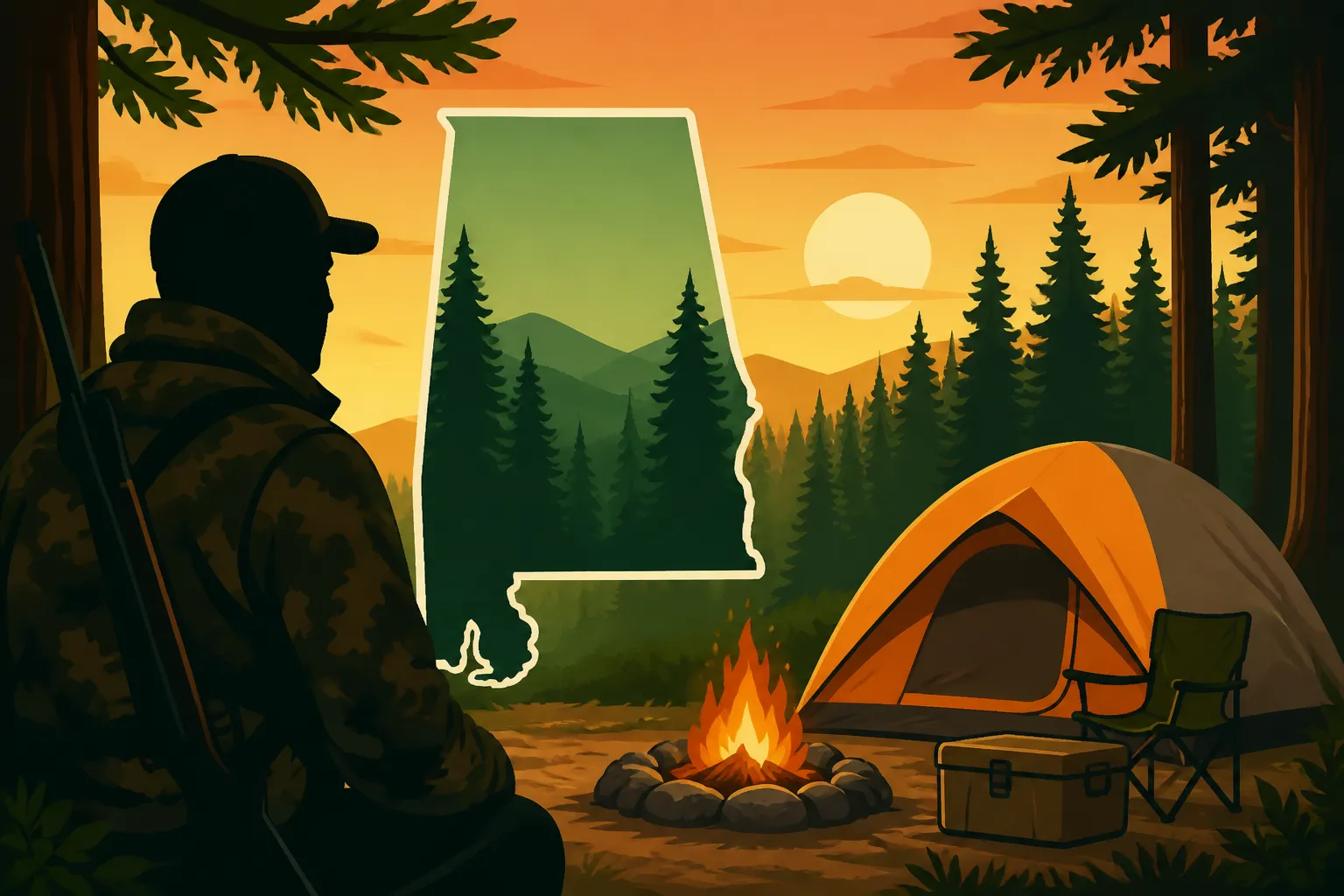
Imagine waking up in the pre-dawn quiet, the crisp Alabama air hinting at the sunrise, and knowing your deer stand is just a short, silent walk away. For many Alabama hunters, the long drive to a distant public land spot, only to rush through setting up in the dark, is a familiar frustration. This guide is all about embracing the deep woods experience by camping right near your hunting stand in Alabama's national forests, giving you more time hunting and less time driving, all while staying within the rules.
Why Camp Near Your Stand in Alabama's National Forests?
The allure of setting up a temporary camp close to your hunting stand in Alabama's vast National Forests isn't just about rustic charm; it's a deeply practical strategy that can dramatically improve your hunting success and overall experience. Forget the alarm clock blaring at 3 AM, the long, groggy drive, and the scramble to get to your stand before legal shooting light. When your camp is just a short stroll away, your whole approach to the hunt transforms.
Maximizing Your Time in the Field
One of the biggest advantages of camping near your stand is the sheer amount of time it buys you. Instead of an hour-long commute each way, that time becomes extra minutes in your sleeping bag, a more relaxed breakfast, or even an earlier start to your walk into the woods. This means you can be settled in your stand well before first light, giving the woods time to calm down after your entry. Similarly, at dusk, you can stay in your stand until the last legal minute, confident that a quick, known path leads back to the warmth of your camp, rather than a long, uncertain journey to your truck. This extra time allows for more thorough scouting, a slower, stealthier approach, and crucial moments for game observation.
Stealth, Scent Control, and Adaptability
Think about the scent you carry into the woods. A long drive in your truck, stopping for gas or coffee, all contribute to external odors that can alert wary game. When you camp near your stand, you can minimize these foreign smells. You're already immersed in the environment, and with proper hygiene and gear storage, you can reduce your scent footprint significantly. You can literally wake up, walk a few hundred yards, and be in your stand with minimal disturbance. Furthermore, being on-site offers unparalleled adaptability. If a cold front rolls in or a sudden rainstorm changes game movement, you're right there to adjust your strategy. You can quietly move to a different stand location or change your tactics without having to pack up a whole vehicle and drive to a new area. This immersion into the hunting environment also allows you to observe subtle changes in wildlife behavior and react accordingly.
Deeper Connection to the Wild
Beyond the practical benefits, there's an undeniable spiritual aspect to camping in the national forest. It fosters a deeper connection to the wild places we cherish. The solitude, the sounds of the forest at night, the crisp morning air as you step out of your tent – it all combines to create an experience far richer than a day trip. It's about living the hunt, not just visiting it. This profound connection can also lead to better hunting. You become more attuned to the rhythms of the forest, the subtle signs of game, and the flow of the land. It’s a chance to truly disconnect from the everyday grind and immerse yourself in nature, which is, for many of us, the very essence of why we hunt.
Understanding National Forest Camping Regulations for Hunters
Alabama's National Forests, including the Talladega, William B. Bankhead, and Conecuh, offer incredible opportunities for hunters, but knowing the rules for camping, especially when you want to be close to your stand, is absolutely crucial. These aren't your typical developed campgrounds with paved sites and hookups; we're talking about dispersed camping, which grants immense freedom but comes with distinct responsibilities.
Dispersed Camping: The Hunter's Secret Weapon
Dispersed camping means pitching your tent or parking your camper outside of designated campgrounds. This is where hunters can truly shine, as it allows you to get off the beaten path and nearer to prime hunting ground. Generally, you can dispersed camp almost anywhere in the National Forests, unless specifically prohibited. However, there are some universal guidelines to keep in mind. You typically need to be at least 100-200 feet away from any water source (streams, rivers, lakes) to protect water quality. You also need to be a certain distance, usually 150-200 feet, from developed roads, trails, or recreation sites. This distance ensures you're not obstructing traffic or impacting other users. The idea is to spread out and minimize your impact.
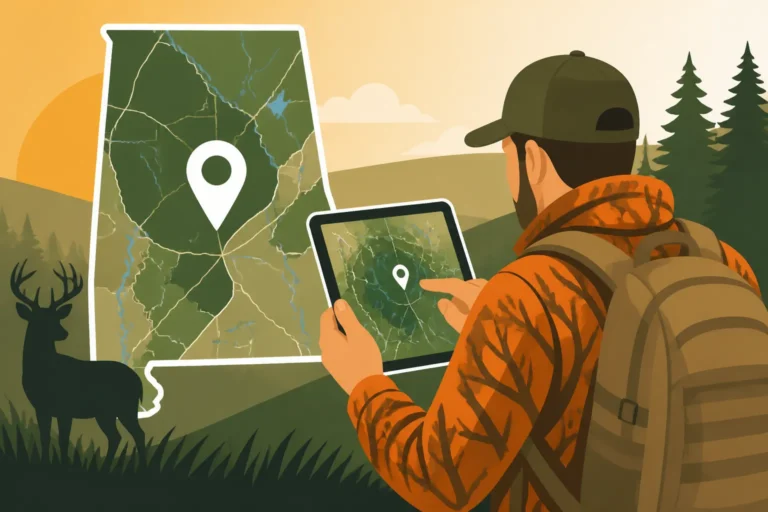
When scouting for these spots, mapping tools like onX Hunt are invaluable. You can see forest boundaries, roads, topography, and even identify potential water sources, helping you pinpoint legal and strategic camping locations that respect these distance rules. Always aim to choose a spot that shows minimal previous use, and be prepared to pack out everything you pack in.
Prohibited Areas and Stay Limits
While dispersed camping offers a lot of flexibility, it's not a free-for-all. Certain areas are off-limits for camping, regardless of whether you're hunting. This often includes designated wilderness areas, where specific permits might be required or camping restricted to certain zones, and within the immediate vicinity of developed recreation sites like picnic areas, trailheads, or boat launches. Always check the specific forest or ranger district regulations, as rules can vary slightly. For instance, Camping Rules on Alabama National Forest Land will give you a deeper dive into the specifics.
Additionally, most National Forests have stay limits for dispersed camping, commonly around 14 days within any 30-day period. This is to prevent long-term residency and ensure fair use for everyone. As a hunter, you're usually only staying a few nights or a week, so this shouldn't be an issue, but it's good to be aware. Make sure your camp isn't impacting sensitive wildlife habitats or blocking established game trails that animals use.
Firewood, Fire Safety, and Vehicle Access
Building a campfire is a quintessential part of the hunting camp experience, but strict rules apply. Always check for current fire restrictions or burn bans, especially during dry seasons. When fires are permitted, use existing fire rings if available, or create a small, contained ring in a safe spot, clearing away all flammable material from around it. Gather dead and downed wood that is smaller than your wrist; never cut standing trees, even if they appear dead. Ensure your fire is completely out and cold to the touch before leaving it unattended or breaking camp.
Regarding vehicle access, you can typically drive and park on established forest roads, but off-road travel is almost universally prohibited unless explicitly marked. This means you might need to park your vehicle and hike in a short distance to your desired camp spot, especially if you're truly trying to get close to a secluded stand location. This is where a good map or GPS with satellite imagery, perhaps from GoHunt, becomes essential, allowing you to identify access roads and then transition to foot travel. Understanding where your vehicle can and cannot go is key to both legality and minimizing your impact on the forest.
Practical Tips for Setting Up a Hunter's Camp
Setting up a functional and low-impact hunter's camp near your stand in an Alabama National Forest requires a bit of planning, but it's well worth the effort. The goal is to create a comfortable, stealthy base that supports your hunting efforts without leaving a trace.
Essential Gear for a Backcountry Base Camp
When you're trying to stay mobile and close to your stand, heavy gear is your enemy. Think lightweight and multi-functional. A good quality, lightweight tent or a sturdy hammock with a rainfly and underquilt (for warmth) is paramount. A comfortable sleeping pad and a sleeping bag rated for the expected overnight temperatures are non-negotiable for a good night's rest. For cooking, a compact backpacking stove with a fuel canister is ideal for quick meals and hot coffee. Don't forget a pot, a mug, and minimal utensils.
Water is life, and in the backcountry, you need a plan. Carry enough water for your first day, but also bring a reliable water filter or purification tablets. Alabama's National Forests often have springs or creeks, but always filter or treat any natural water source. A headlamp with a red light setting is crucial for navigating in the dark without spooking game or disrupting your night vision. Pack a first-aid kit, a compass, and a whistle, and ensure your hunting pack has enough room for your daily essentials.
Food Management and Critter Safety
Food planning for a remote camp means thinking about calories, weight, and shelf-stability. Dehydrated meals, instant oatmeal, jerky, trail mix, and energy bars are great options. Avoid anything that requires refrigeration if you don't have a cooler you can secure from critters. Speaking of critters, bear safety is a real concern in some parts of Alabama, particularly in areas like the Mobile River Basin or Little River Canyon, where black bears are recovering. Even where bears aren't common, raccoons, opossums, and other animals are keen opportunists.
Always store all food, scented items (like toothpaste), and trash in a bear-resistant container, a bear bag hung from a tree well away from your camp, or inside your locked vehicle if it's close by. Never eat or store food in your tent. Cook away from your sleeping area and clean up immediately after meals. Pack out all trash, including food scraps. "Leave No Trace" isn't just a philosophy; it's a critical practice for preserving these wild places and ensuring future access.
Low-Impact Camping and Stealth
The core principle of camping near your stand is to have minimal impact on the environment and on the game you're pursuing. This extends to how you set up your camp. Choose a spot that's already somewhat flat or open, rather than creating a new one. Avoid sensitive vegetation. When you leave, the goal is for no one to know you were ever there. Pack out all trash, scatter any disturbed ground, and dismantle fire rings.
For stealth, select a camp location that is downwind from your primary hunting area and well away from known game trails. You want to be close enough for convenience but far enough not to impact deer movement. Use natural cover to conceal your tent and gear. Keep noise to a minimum, especially during prime hunting hours. The less aware the wildlife (and other hunters) are of your presence, the better your chances of success. Reviewing resources like Hunting Pressure on Alabama Public Land can help you choose areas less frequented by others, further enhancing your stealth.
Choosing the Right Spot for Your Camp and Stand
The success of your National Forest hunting trip hinges on a critical balance: finding a camp spot that's convenient, legal, and low-impact, while strategically placing your stand for optimal hunting. It’s an art form that blends mapping, scouting, and a keen understanding of the terrain and wildlife.
Proximity Versus Seclusion: Striking the Balance
While the idea is to camp "near your stand," this doesn't mean pitching your tent 50 yards from your treeline. That's likely too close, as any activity at your camp—even subtle movements or cooking smells—could alert deer. The sweet spot is usually a few hundred yards to half a mile away. This distance offers convenience for quick access but also provides enough separation for your camp activities not to interfere with game movement near your stand.
When you're looking at your chosen hunting area on an app like onX Hunt, consider the topography. Can you tuck your camp behind a ridge or in a small drainage where it's out of sight and sound from your stand approach? Is there a natural barrier between the two? The goal is to be close enough to save time and energy, but far enough to maintain the element of surprise. Remember, deer rely heavily on their senses, and even faint odors or sounds can send them packing.
Terrain, Cover, and Water Considerations
When you're out scouting, look for flat, well-drained ground for your camp. Nobody wants to wake up in a puddle or on a rocky incline. Areas with natural cover, like thickets of pines, hardwoods, or even dense brush, are ideal for concealing your camp from both game and other hunters. A hidden camp is a quiet camp. Use satellite imagery on GoHunt or onX Hunt to identify these potential spots before you ever set foot on the ground. You can often spot subtle terrain features that offer natural concealment.
Water is vital. While you need to be at least 100-200 feet from a water source for dispersed camping regulations, having a reliable stream or spring within a reasonable walking distance (say, half a mile) is incredibly convenient for filtering drinking water, especially on longer hunts. Again, mapping tools will show you perennial and intermittent streams, helping you plan your water strategy. Just remember the rules about not camping directly on top of these sources.
Scouting for Success: Camp, Stand, and Approach
Effective scouting isn't just about finding deer sign; it's about planning your entire hunting operation, including your camp. Before the season, spend time walking the National Forest land you intend to hunt. Identify potential bedding areas, food sources (like acorn flats or browse), and travel corridors. Then, think about where your stand would be most effective along those corridors or near food sources. Finally, look for a suitable camp spot that is strategically located:
- Downwind: Always consider the prevailing wind direction relative to your stand and camp. You don't want your camp scent blowing into your hunting area.
- Easy Access: Can you get to your stand from camp quickly and quietly, even in the dark? Are there any obstacles like thick briars or noisy leaf litter on your path?
- Concealment: Is your camp well-hidden, both visually and audibly, from your stand and potential game travel routes?
For example, in the William B. Bankhead National Forest, you might find a promising ridge top for deer movement. Your stand placement might be on the downwind side of a saddle on that ridge. Your camp, then, could be tucked away in a small drainage or a dense pine thicket a quarter-mile further down the slope, still within walking distance but completely out of sight and scent of your stand. Using an app like onX Hunt, you can mark potential stand locations and then scout for camp spots that are both legal and stealthy relative to those marks. This meticulous planning is key to a successful and enjoyable backcountry hunt. Remember, your camp is an extension of your hunting strategy, not just a place to sleep. Consider reading Scouting Alabama Public Land Before Season to refine your pre-hunt strategy and Treestand Setups in Talladega National Forest for specific stand advice.
| Feature | Developed Campground for Hunters | Dispersed Camping (Near Stand) |
|---|---|---|
| Proximity to Stand | Often a drive, then a hike | Direct walk, much closer |
| Amenities | Restrooms, water, trash cans, picnic tables | None (pack everything in/out) |
| Cost | Fee per night | Free in most areas |
| Rules/Regulations | Strict, posted rules apply | General National Forest rules (e.g., Leave No Trace, distance from water/roads) |
| Privacy/Seclusion | Low; often close to other campers | High; can pick remote spots |
| Stealth/Scent | Challenging; vehicle & camp smells | Easier to control |
| Impact | Concentrated in designated area | Dispersed; high individual responsibility to be low-impact |
| Flexibility | Low; fixed sites | High; can move camp with hunting strategy |
Disclaimer
This article is for general informational purposes only and does not constitute professional advice. Laws, prices and regulations vary by location and change over time. Consult a qualified professional for guidance on your specific situation.