Hunting the Talladega Division for Turkey
Hunting wild turkeys in the Talladega Division of Alabama's National Forest System can feel like trying to find a needle in a haystack, especially when those wily gobblers play hard to get. The vastness of the public land, combined with the terrain and the sheer challenge of these birds, can certainly test a hunter's patience. But with the right approach, understanding of the land, and a few seasoned tactics, you can turn those frustrations into a memorable spring hunt. This guide is all about equipping you with the knowledge to pursue gobblers effectively in the beautiful, yet demanding, Talladega Division.
The Unique Challenge of Hunting Turkeys in Talladega Division
The Talladega National Forest is a gem, offering incredible public access, but it's also a landscape that demands respect and a strategic approach, especially when you're chasing spring gobblers. This isn't your grandfather's managed pine plantation with perfectly spaced food plots; this is wild, rugged Alabama.
Understanding the Terrain and Gobbler Behavior
The Talladega Division, stretching across parts of Clay, Cleburne, Randolph, and Talladega counties, is characterized by its dramatic elevation changes. You've got steep, oak-covered ridges giving way to deep, winding hollers and creek bottoms. Interspersed with these hardwoods, you'll find pine plantations in various stages of growth, from thick saplings to mature stands. This varied terrain plays a huge role in how turkeys behave.
Gobblers here often roost in the tallest timber, frequently near water sources within those deep hollers or along prominent ridge lines. Their calls can echo for miles, making it sound like they're closer than they are, or conversely, making them seem distant when they're just over the next ridge. Understanding these acoustics is crucial. When a bird gobbles, try to triangulate its position, but always consider the influence of the topography. Turkeys will use those same ridges and creek bottoms as travel corridors, moving between roosting areas, feeding grounds, and breeding territories. They learn the lay of the land, just like we do, but they've been doing it for generations. Navigating these dense covers and elevation changes quietly and efficiently is a skill that comes with practice and patience. It's truly an immersive experience that highlights what Talladega National Forest Hunting is all about.
When to Hunt: Early Season Versus Late Season Strategies
Alabama's spring turkey season spans several weeks, and the Talladega Division experiences changes throughout, similar to the rest of the state. Knowing when to hunt and adjusting your tactics accordingly can make all the difference. Generally, Alabama's turkey zones dictate the precise opening dates, so always double-check the current Alabama Spring Turkey Zones and Dates before planning your trip.
In the early season, typically March and early April, the woods are still waking up. Foliage is sparse, which can be both a blessing and a curse. It allows you to see further, but also means gobblers can spot you more easily. Birds might still be in larger groups, and often more vocal, especially on the roost. They're eager to find hens after the winter, and their gobbling can be a dominant feature of the morning woods. This is a great time to be aggressive with your calling, trying to locate those eager gobblers as they fly down. You might find them closer to creek bottoms where early green-up is happening, or working ridge lines in search of receptive hens.
As the season progresses into late April and May, you're entering the late season. The woods will be fully greened up, sometimes so thick you can barely see twenty yards. This denser foliage means turkeys are less visible, and often less vocal, as they've been pressured by hunters and many hens are already bred and on nests. Gobblers are frequently "henned up," meaning they're already with a group of hens, making them notoriously difficult to call away. During this period, patience becomes paramount. You might have to switch from aggressive calling to very subtle tactics, like soft clucks and purrs, mimicking a contented hen that a lonely gobbler might investigate. Focus on finding fresh sign and trying to intercept birds as they move, rather than relying solely on their gobbling to pinpoint them. It’s a different kind of hunt, often requiring more patience and stealth.
Pre-Season Scouting and Leveraging Digital Tools
You wouldn't head into an important meeting without preparing, right? The same goes for turkey hunting, especially on public land like the Talladega Division. Pre-season scouting is your secret weapon, and these days, you've got some incredible tools to help you do it.
Boots-on-the-Ground Reconnaissance
Nothing, and I mean nothing, replaces putting boots on the ground. Digital maps are fantastic for planning, but they can't tell you the smell of fresh scratchings or the sound of a distant crow. Before the season opens, make a few trips to your target areas in the Talladega. Walk the ridges, explore the creek bottoms, and push through those thick pine stands. Look for physical turkey sign:
- Scratchings: Turkeys are constantly scratching through leaves and debris looking for insects, acorns, and seeds. Fresh scratchings, especially in hardwood bottoms or on sunny ridge lines, are a huge clue.
- Droppings: Look for distinct turkey droppings. Gobbler droppings are typically J-shaped or elongated, while hen droppings are more spiral or blob-shaped.
- Tracks: While harder to spot on dense leaf litter, look for three-toed tracks in muddy areas or along logging roads.
- Dusting Bowls: Turkeys love to take dust baths to clean their feathers and deter parasites. These shallow depressions in soft dirt or sand are a clear indicator of recent activity.
- Feathers: Finding a primary wing feather can indicate a roosting area, especially if you find several in one spot.
Pay close attention to potential roosting sites – tall, mature trees (often pines or oaks) on ridge lines or overlooking creek bottoms. These birds will often use the same roosting areas year after year. Identifying these spots during scouting will give you a massive advantage on opening morning, allowing you to get in silently and set up effectively. This groundwork is key to Scouting Alabama Public Land Before Season.
Harnessing Technology: Maps and Apps
While boots on the ground are irreplaceable, modern digital mapping tools have revolutionized public land hunting. Brands like onX Hunt and GoHunt offer incredible advantages, turning your smartphone into a powerful scouting and navigation device. These apps allow you to:
- Identify Property Lines: The Talladega National Forest abuts private property in many areas. Knowing exactly where the public land ends and private land begins is crucial to avoid accidental trespassing. onX Hunt excels at this, clearly delineating land ownership with different color overlays.
- Analyze Topography: Use the topographic and 3D views to understand the lay of the land. Identify steep slopes, gentle ridges, saddles, and drainages. Turkeys, like most wildlife, often travel the path of least resistance or utilize terrain features for security. You can literally scout from your couch, pinpointing potential roosting spots on prominent ridge points or identifying funnels where birds might cross.
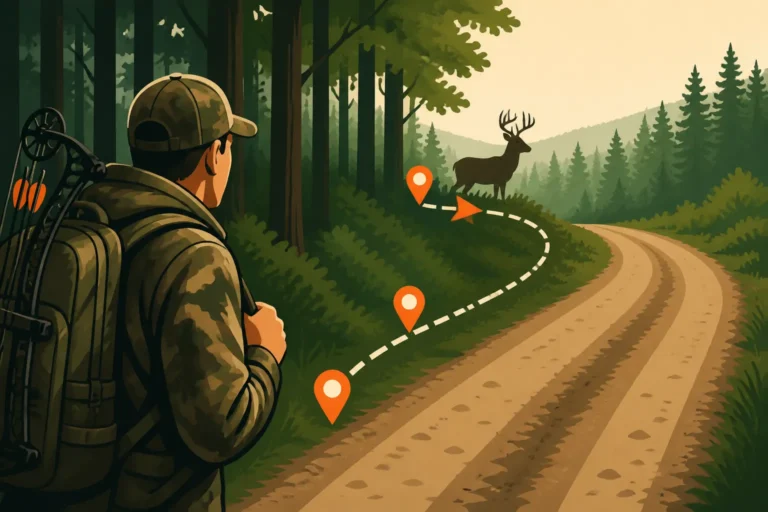
- Pinpoint Access Points: These apps help you find legal parking areas, forest roads, and walking trails, allowing you to plan your entry and exit routes to minimize disturbance to your hunting area. You can drop pins for potential truck spots, or mark a path to a ridge top you want to hit at first light.
- Review Satellite Imagery: Satellite views are invaluable for identifying different timber types, clear-cuts, food plots on adjacent private land that might draw birds, or even openings in the canopy that could serve as dusting areas. I personally use onX Hunt to look for mature timber stands with open understories along creek beds, often ideal roosting spots, then verify these spots on foot.
- Track Your Movement: While hunting, these apps track your movement, so you always know where you are in relation to boundaries, your vehicle, and any marked waypoints. This is especially useful in dense woods or when navigating after dark. GoHunt also offers robust mapping features that can help with this kind of detailed planning. It's a huge step up from relying solely on a basic paper map, though a traditional map is always a good backup, especially in areas with spotty cell service. For more general guidance on digital tools, check out Using the Outdoor Alabama Map Tool.
In-Season Tactics for Success in Talladega's Woods
You've done your scouting, you've got your gear, and the season is open. Now it's time to put those plans into action. Hunting turkeys in the Talladega Division requires a blend of patience, aggression, and adaptability.
Roosting Birds and Morning Setups
There's nothing quite like the sound of a gobbler hammering on the limb, breaking the pre-dawn silence. This is often the most exciting and productive time to hunt. Your pre-season scouting should have given you a few ideas for potential roosting areas. The goal is to get as close as possible, silently and stealthily, to a roosted bird before it flies down, without spooking it.
Once you hear a gobble, use soft tree yelps and clucks to gauge his interest and pinpoint his exact location. As soon as you have him pegged, quickly and quietly set up with good back cover against a tree wider than your shoulders. Don't set up too close; you want him to feel comfortable enough to pitch down into your calling. Place your decoys (if using) in an open spot where they are visible. Then, it's a waiting game. When the bird flies down, he'll likely be looking for the hen he heard. Your soft calls will often seal the deal. Remember, consistency is key, and getting in early can often mean the difference between seeing a bird and just hearing one. This is the essence of Roost Hunting Alabama Gobblers.
Run-and-Gun Versus Patient Sitting
The terrain in Talladega can make traditional sitting hunts challenging, as birds might walk out of earshot or simply hang up on a distant ridge. This is where the decision to "run-and-gun" or "sit and wait" comes into play.
Run-and-gun tactics are often effective when birds are quiet, widely dispersed, or when you've heard a gobbler gobble once and then go silent. It involves walking slowly, stopping frequently to call (a series of yelps, cuts, or crow calls to locate a shock gobble), and covering ground. When you get a response, quickly assess the situation and try to close the distance, setting up in a spot that funnels the bird to you. This approach is demanding physically, especially in Talladega's hills, but can be incredibly rewarding when you strike a hot bird. It's a fantastic tactic for Run-and-Gun Turkey Tactics on Public Land.
Patient sitting is often best when you've already located a vocal bird, or if you've done extensive scouting and know birds frequent a particular area, like a specific field edge or a creek bottom with good feeding. This involves committing to a setup, getting comfortable, and letting the woods come alive around you. Sometimes, a quiet morning can suddenly erupt with a gobble from a bird that was there all along. Mid-morning, after the initial fly-down period, can be a great time for patient sitting, as birds might be moving more randomly, looking for hens, or heading to feeding areas. Don't underestimate the power of simply being still and observant. The pressure from other hunters on public land, which can sometimes be high, makes patience even more critical, as educated birds might hold up longer.
Calling Strategies for Educated Gobblers
Talladega turkeys, especially on public land, have often heard it all. They're smart, and they can be easily "educated" by over-calling or unrealistic calling. The key is often subtlety and realism.
Start with soft, pleading calls. A few soft tree yelps and clucks as a bird is on the roost can be irresistible. Once he's on the ground, use simple hen yelps, clucks, and purrs. Don't be afraid to go quiet for extended periods; silence can sometimes be your most effective call, making the gobbler think the hen is moving away, forcing him to come investigate. Vary your calls: use a slate call for sweet, soft purrs, a box call for louder yelps, and a diaphragm for hands-free cutting. Calling an Alabama Gobbler Off the Roost requires a nuanced approach.
Sometimes, a jake gobble or a series of aggressive cuts can provoke a tom into responding, especially if he thinks another gobbler is moving in on his territory. However, use these sparingly and read the bird's reaction. If he gobbles harder, keep it up. If he goes silent, back off and try softer calls. Always consider the Alabama Turkey Bag Limit Rules and ensure you're making ethical shots, as getting close to a smart gobbler is hard-earned.
Navigating Public Land Realities and Ethical Hunting
Hunting on public land is a privilege, and with that comes a responsibility to respect both the resource and your fellow hunters. The Talladega Division is a popular destination, so understanding public land etiquette and regulations is just as important as knowing your calling sequences.
Dealing with Other Hunters
It's a fact of public land life: you're probably not going to be the only hunter out there. This is particularly true on opening day and weekends. The frustration of hearing another hunter's call, or worse, having them walk through your setup, is something almost every public land hunter has experienced.
The best defense is often a good offense:
- Get There Early: The early bird catches the worm, or at least gets to their chosen spot first.
- Go Deeper: Many hunters stick close to roads and easy access points. If you're willing to walk a mile or two (or more) into the deeper reaches of the forest, you significantly increase your chances of finding unpressured birds and having an area to yourself. onX Hunt and GoHunt can help you identify these harder-to-reach pockets.
- Be Courteous: If you encounter another hunter, a friendly wave or quiet acknowledgement is usually sufficient. Give them space. If you accidentally walk into someone's setup, apologize, back out quietly, and find a new area. Remember, you're all out there for the same reason.
- Have Backup Plans: Always have two or three alternate spots scouted out. If your primary spot is occupied, you can quickly pivot to another promising area without losing valuable hunting time. Be mindful that Hunting Pressure on Alabama Public Land often means birds are more wary.
While blaze orange isn't required for turkey hunting while stationary, wearing it when you're walking in and out of the woods, especially in low light, is a smart safety practice.
Respecting the Resource and Regulations
Public land in Alabama is managed for all to enjoy, and that means adhering to the rules set forth by the Alabama Department of Conservation and Natural Resources (ADCNR).
- Report Your Harvest: Always report your turkey harvest through the Game Check system as required by Alabama law. This data is vital for wildlife biologists to manage turkey populations.
- Leave No Trace: Pack out everything you pack in. Don't leave trash, spent shell casings, or flagging tape in the woods. Leave the area cleaner than you found it.
- Know WMA Rules: While the Talladega Division is a national forest, parts of it may fall under specific Wildlife Management Area (WMA) designations with additional rules regarding permits, hunting dates, or equipment. Always check the specific regulations for the area you plan to hunt.
- Camping and Treestand Rules: If you plan on overnight trips, be aware of Camping Rules on Alabama National Forest Land. Also, familiarize yourself with Treestand Rules on Alabama Public Land, even though you're likely ground hunting for turkeys, understanding the rules for other gear can be helpful.
By understanding the unique challenges of the Talladega Division, putting in the effort during scouting, employing smart in-season tactics, and being a responsible public land hunter, you can significantly increase your chances of calling in a beautiful Alabama gobbler this spring. Good luck out there!
Disclaimer
This article is for general informational purposes only and does not constitute professional advice. Laws, prices and regulations vary by location and change over time. Consult a qualified professional for guidance on your specific situation.