Alabama State Park Deer Quota Hunts
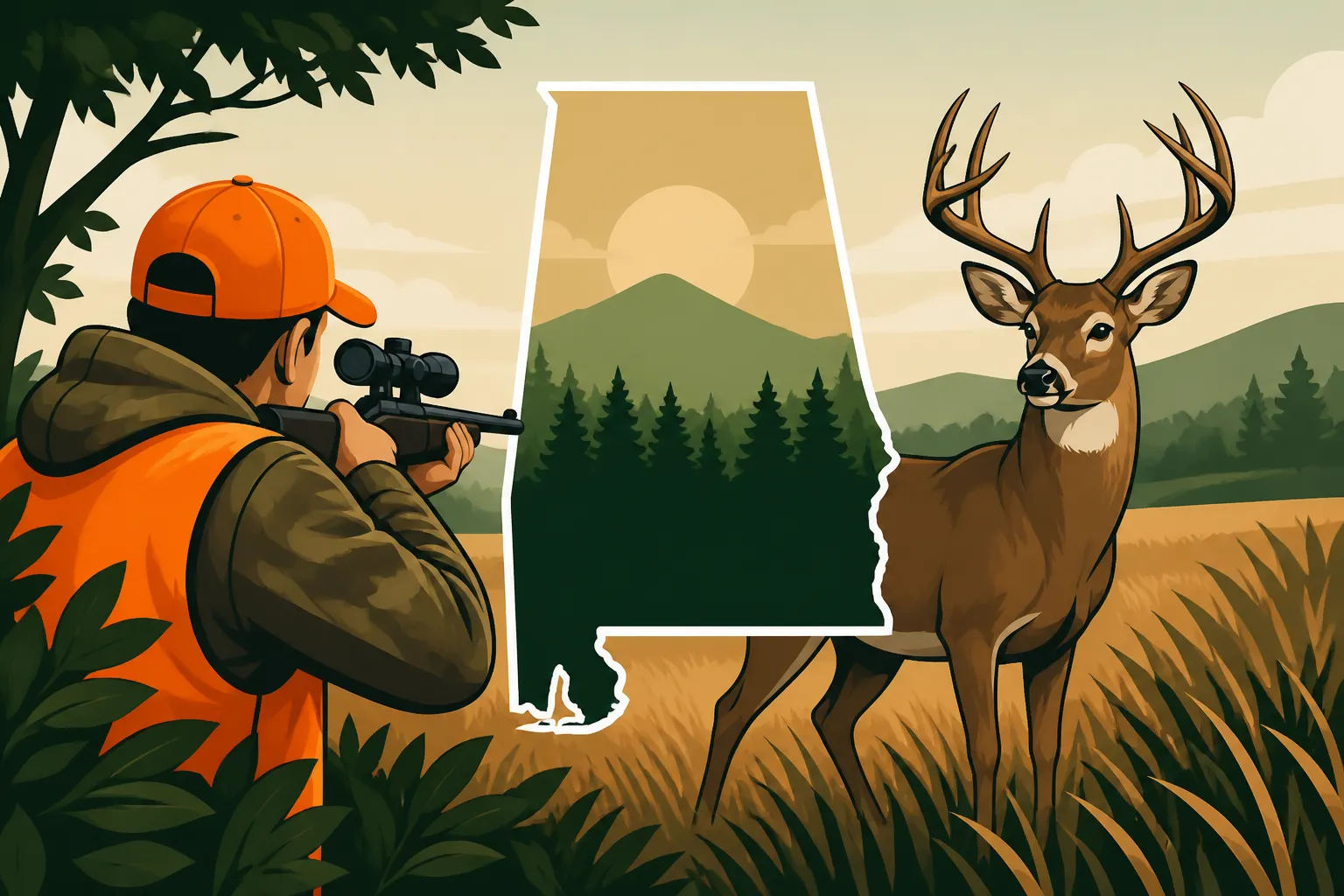
Finding quality hunting land in Alabama can feel like a constant battle, especially if you're not part of a private club or don't have access to vast family acreage. Many hunters overlook the unique and often exceptional opportunities hidden within our very own Alabama State Parks. This guide is dedicated to breaking down everything you need to know about navigating the Alabama State Park deer quota hunt system, helping you understand how to apply, what to expect, and how to maximize your chances of a successful and memorable hunt in these special areas.
Understanding Alabama's State Park Quota Hunt System
It's easy to assume that state parks are solely for hiking, camping, and picnics, and that hunting is off-limits. However, many of Alabama's State Parks actively manage their deer populations through controlled quota hunts. These aren't your typical open-season free-for-alls; they are carefully orchestrated events designed to maintain healthy wildlife populations, prevent overbrowsing, and offer unique hunting experiences in areas that would otherwise be closed to hunting. The system can seem a little intimidating at first glance, but once you understand the "why" and "how," you'll see the immense value.
Why State Parks Have Quota Hunts
The primary reason state parks conduct deer quota hunts is rooted in sound wildlife management. Without natural predators to keep their numbers in check, deer populations can explode, leading to significant environmental damage from overbrowsing. This not only impacts forest health by destroying native vegetation but also degrades habitat for other wildlife species. Additionally, unchecked deer populations can lead to increased deer-vehicle collisions on park roads and contribute to the spread of diseases. By allowing controlled hunting, parks can responsibly manage these populations, ensuring a healthier ecosystem for everyone and everything. It's a win-win: hunters get access to prime, often less-pressured areas, and the park's natural resources are conserved. These hunts are a testament to the dedication of wildlife biologists and park managers working together for long-term ecological balance.
Beyond biological management, these hunts also serve an important public engagement role. They offer a unique chance for hunters to experience areas usually reserved for other forms of recreation, often showcasing the pristine beauty of Alabama's landscape. The limited access also means a higher quality hunting experience, with less competition and often larger, healthier deer. It's about balancing conservation with recreation, and providing diverse opportunities for the state's citizens.
The Application Process and How It Works
Getting into an Alabama State Park quota hunt isn't as simple as buying a regular hunting license and walking in. These hunts operate on an application and draw system, meaning you have to apply for a permit and hope your name is selected. The application periods are typically announced well in advance, often in late summer or early fall, preceding the deer season. It's crucial to pay close attention to the Alabama Department of Conservation and Natural Resources (ADCNR) website or the specific State Park's website for these announcements, as missing a deadline means missing out on the opportunity entirely. Different parks will have different hunt types, ranging from archery-only weekends to short gun hunts, each with its own set of dates and specific rules. You'll need to decide which parks and hunt types you're interested in and apply accordingly.
The process usually involves an online application where you select your preferred park and hunt dates. There might be a small application fee, and some hunts are highly sought after, making the draw competitive. If you're drawn, you'll receive a notification, often by email, with detailed instructions for the hunt, including check-in procedures, specific boundaries, and any special regulations unique to that park. Remember, each hunter is responsible for knowing and adhering to all Alabama Hunting Licenses and What They Cost and regulations, as well as the park-specific rules. It's not uncommon for hunters to apply for several different quota hunts across various parks to increase their chances of getting drawn for at least one. Consider using tools like GoHunt, which, while primarily known for western draws, can give you a good framework for how to research and approach draw systems effectively, even for local Alabama hunts.
Preparing for an Alabama State Park Quota Hunt
Once you've been fortunate enough to draw a tag for a state park quota hunt, the real preparation begins. These aren't typical public land hunts where you can wander for miles. State parks have specific boundaries, high recreational use in certain areas, and unique terrain considerations. Being prepared means not just having your gear in order, but also understanding the specific environment you'll be entering.
Key Gear Considerations for State Park Terrain
Hunting in a state park often means navigating terrain that might be less rugged than a national forest but still presents its own challenges. You're likely to encounter a mix of managed woodlands, open areas, and possibly even trails frequented by hikers and nature enthusiasts. Therefore, stealth and portability are paramount. Quiet clothing that won't rustle as you move is essential, especially if you're planning a still-hunt or stalking. Good quality, comfortable boots are a must, as you might be walking quite a bit to get away from designated public access points. A reliable headlamp or flashlight is also non-negotiable, not just for navigating in the pre-dawn or post-dusk hours, but also for safety if you need to track a deer after legal shooting light.
Your choice of treestand or ground blind should prioritize portability and ease of setup. Many state parks have specific regulations regarding stand placement and removal, so make sure to check those rules carefully before you go. Lightweight climbing sticks or a compact ladder stand can be ideal. Scent control is also incredibly important; while deer are deer no matter where they are, the presence of more human activity in a park might make them even warier of unnatural odors. Pack a small, efficient backpack with essentials like water, snacks, a first-aid kit, and perhaps a rangefinder. If it's an archery hunt, consider compact broadheads for maximum penetration in case of a less-than-ideal shot angle. Don't forget your Alabama Legal Firearms for Deer Hunting if it's a gun hunt, and ensure your weapon is sighted in and ready.
Scouting and Strategy for Limited Access Areas
Scouting for a state park quota hunt requires a slightly different approach than typical public land scouting. While you might not be able to physically walk every inch of the hunt area prior to the season, you can still do significant pre-hunt research. Start with online mapping tools like onX Hunt. Use the satellite imagery to identify potential food sources, bedding areas, water sources, and especially travel corridors or pinch points. Look for areas with dense cover, creek bottoms, or natural funnels that might concentrate deer movement. Overlaying public land boundaries with the hunt zone will be crucial for staying within legal limits. Scouting Alabama Public Land Before Season is a great way to familiarize yourself with general strategies, but remember to adapt them to the unique constraints of a state park.
Because access might be limited to specific entry points, focus your strategy on getting away from those initial crowds. Deer in state parks, much like those on heavily pressured public land, will often gravitate towards thicker cover or less accessible pockets of the park. Even if the park is relatively small, finding these overlooked sanctuaries can make all the difference. Consider wind direction and thermals carefully, as deer will use them to their advantage, especially when human activity is higher. If permitted, placing a trail camera in key travel corridors a few weeks before the hunt can provide invaluable intel on deer movement patterns, even if it's just to confirm deer presence and general travel times. Keep in mind that Trail Camera Rules on Alabama Public Land may apply, so always double-check park-specific guidelines.
Navigating the Hunt Day in an Alabama State Park
The day of your state park quota hunt is unlike any other. You're hunting in an environment that often blends the wild with the recreational, meaning you need to be extra vigilant about safety, park regulations, and being a good ambassador for hunters. These hunts are a privilege, and successful continuation depends on everyone following the rules.
Regulations and Safety Protocols
When you check in for your quota hunt, you'll likely receive a detailed briefing on specific park regulations. Pay close attention to these, as they often include unique rules regarding boundaries, safe shooting lanes, designated non-hunting zones, and even retrieval protocols. For example, some parks may have specific instructions on how to handle a harvested animal, especially if it's near a public trail or road. The overall Alabama Public Land Hunting Hours will apply, but there might be additional curfews or specific entry/exit times to adhere to. Blaze orange requirements are standard for gun hunts, but even during archery seasons, wearing a blaze orange cap or vest while walking in and out can significantly increase safety, especially if other hunters are present.
Beyond park rules, always prioritize general hunting safety. Know your target and what's beyond it. Be acutely aware of other park users, even if they aren't supposed to be in your hunting zone. Sound communication with any hunting partners is also vital. The controlled nature of these hunts is meant to enhance safety, but individual vigilance is always the best defense. Treat every weapon as if it's loaded, keep the muzzle pointed in a safe direction, and keep your finger off the trigger until you are ready to shoot. Being a responsible hunter in these sensitive areas ensures future opportunities for everyone.
Post-Harvest Procedures and Reporting
Should you be successful in harvesting a deer, the work isn't over. Immediately after the harvest, you'll need to follow the park's specific guidelines for reporting and processing. This often means contacting park staff or checking in at a designated station before you field dress or transport the animal. They may need to inspect the deer or record specific data for their management efforts. Then, it's time for Field Dressing a Deer in Warm Weather if the temperatures are high, ensuring the meat is cooled quickly. You'll also need to comply with Alabama's statewide Alabama Deer Reporting Rules through the Game Check system. This involves reporting your harvest online or via phone by the deadline, providing details like species, sex, and county of harvest.
Retrieving a deer from a state park can sometimes be a challenge, especially if you're deep in the woods or trying to avoid popular walking trails. Some parks might offer assistance with retrieval if conditions allow, but don't count on it. Plan for how you'll get your deer out, whether it's with a deer cart, a sled, or simply breaking it down into manageable pieces for packing out. Remember, you're representing the hunting community, so conduct yourself professionally and respectfully at all times, especially if you encounter non-hunters during retrieval. Your actions reflect on all of us.
| Aspect | Description |
|---|---|
| Purpose of Hunts | Deer population management, habitat health, public recreation opportunities. |
| Hunt Type | Primarily white-tailed deer. Often archery-only, sometimes modern gun or muzzleloader. Specific hunts may target antlerless deer. |
| Application Method | Online application via ADCNR or specific park websites. Lottery drawing system. |
| Application Period | Typically late summer/early fall (e.g., August-September), preceding deer season. Dates vary by park and year. |
| Access & Boundaries | Restricted access to designated hunting areas within the park. Strict boundaries are enforced, often requiring hunters to check-in/out daily. Mapping apps like onX Hunt are essential for staying within bounds. |
| Special Regulations | Park-specific rules regarding treestands, ground blinds, vehicle access, game retrieval, and non-hunting zones. Mandatory safety briefings often occur. |
| Harvest Reporting | Mandatory Alabama Game Check reporting for all harvested deer. Additional park-specific reporting or inspection may be required at check-in/out. |
| Hunter Preparation | Thorough scouting (even if virtual), quiet and portable gear, emphasis on scent control due to potential for more human activity. Understanding Hunting Pressure on Alabama Public Land in a contained area is key. |
Alabama State Park deer quota hunts offer some truly exceptional opportunities for hunters willing to put in the effort to understand the system and prepare properly. These aren't just hunts; they're managed conservation efforts that provide a unique experience in often picturesque settings. By respecting the rules, prioritizing safety, and being a responsible ambassador, you're not only increasing your own chances of success but also ensuring these valuable hunting opportunities continue for generations of Alabama hunters. Good luck out there!
Disclaimer
This article is for general informational purposes only and does not constitute professional advice. Laws, prices and regulations vary by location and change over time. Consult a qualified professional for guidance on your specific situation.