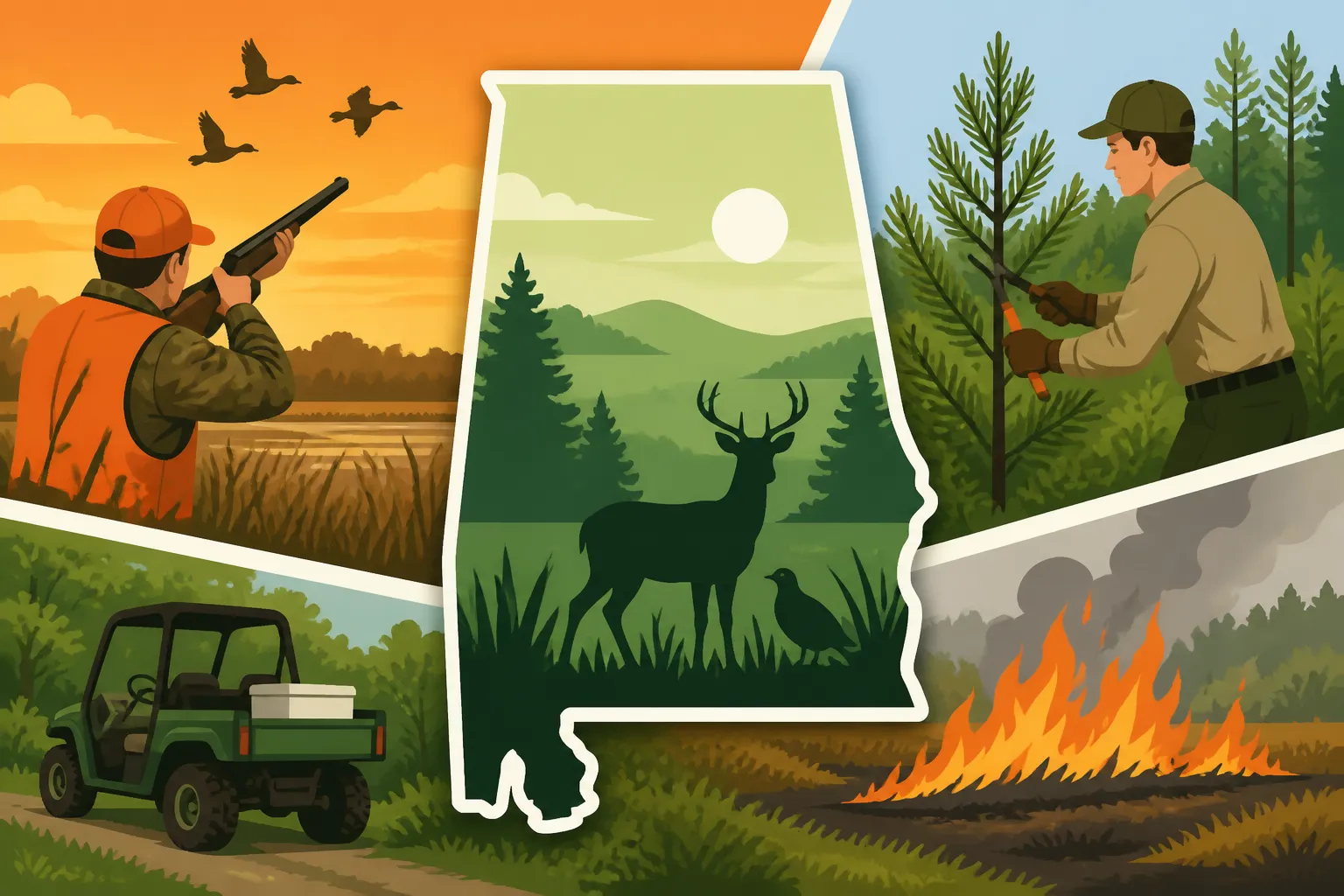
How Alabama WMAs Are Managed
Trying to make sense of the vast network of Alabama's Wildlife Management Areas, or WMAs, can feel like navigating a complex maze without a map. You know these lands offer incredible opportunities for hunting, fishing, and outdoor recreation, but understanding how they're managed – the intricate dance between habitat work, wildlife biology, and regulatory frameworks – is key to truly appreciating and utilizing them. This guide will pull back the curtain on the science and strategy behind Alabama's WMAs, helping you understand the dedicated effort that goes into keeping these public lands productive and accessible.
The Backbone of Public Hunting: What are Alabama's WMAs?
For many of us, the Wildlife Management Areas are our hunting grounds, our escape, our connection to the wild heart of Alabama. They represent a phenomenal resource, offering millions of acres of public access across the state, from the mountains of North Alabama to the coastal plain. But these aren't just tracts of undeveloped land; they are actively managed ecosystems, carefully tended to ensure the health of wildlife populations and the sustainability of our outdoor traditions. It's a huge undertaking, far more involved than simply opening a gate and saying, "Here, hunt."
The Core Mission: Balancing Access with Conservation
At its heart, the mission of Alabama's WMAs is a delicate balance: providing public recreational access while simultaneously conserving and enhancing diverse wildlife habitats. Think about it for a moment: if the primary goal were only conservation, they might restrict access severely. If it were only access, the habitats could quickly degrade under heavy pressure. Instead, the Alabama Wildlife and Freshwater Fisheries Division (WFF) works tirelessly to manage these lands as dynamic, working landscapes where both people and wildlife can thrive. This means making tough decisions about everything from timber harvests to hunting season lengths, always with an eye on the long-term health of the resource. They're striving to ensure that healthy deer herds, robust turkey populations, and flourishing waterfowl migrations continue for generations, not just for next season. It's a generational commitment. Public Hunting Land in Alabama is a testament to this ongoing effort.
Imagine a WMA like a well-tended garden, but on a massive scale. The "gardeners" are the wildlife biologists, foresters, and enforcement officers who implement specific strategies. They might be thinning timber to encourage undergrowth for deer browse, planting specific food sources to bolster turkey poult survival, or flooding impoundments to create perfect conditions for wintering ducks. Every decision is aimed at creating diverse habitats that support a wide array of species, ensuring that whether you're after a mature buck or just want to observe songbirds, the WMA delivers. This holistic approach ensures that the habitat can support the game species we pursue, even as hunter numbers fluctuate.
Funding the Future: Where WMA Dollars Really Come From
Ever wonder who pays for all this management? It's a question many hunters ponder as they buy their licenses or fill up their gas tanks. The truth is, WMA management relies on a fascinating and effective funding model, largely driven by hunters and anglers themselves. The primary source comes from the sale of hunting and fishing licenses, permits, and stamps. When you purchase an Alabama Hunting Licenses and What They Cost, a significant portion of that money goes directly back into the pot for land acquisition, habitat projects, and staffing for these public lands. It's a direct investment in the resource you love to use.
Beyond license sales, a huge portion of WMA funding comes from the federal Pittman-Robertson Act, also known as the Federal Aid in Wildlife Restoration Act. This landmark legislation, passed in 1937, levies an excise tax on firearms, ammunition, and archery equipment. That 10-11% tax you pay when you buy a new rifle or a box of shells? It doesn't just disappear into federal coffers; it's apportioned back to state wildlife agencies like Alabama's WFF for wildlife management and hunter education programs. This "user-pays, user-benefits" model is incredibly effective, creating a direct link between sporting goods purchases and tangible conservation efforts on the ground. Think of it as your equipment buying a piece of future habitat.
| Funding Source | Description | Primary Use |
|---|---|---|
| Hunting/Fishing Licenses | Sales of state hunting, fishing, and WMA-specific permits. | Land acquisition, WMA operations, staff salaries, habitat projects. |
| Pittman-Robertson Act | 10-11% excise tax on firearms, ammunition, and archery equipment. | Wildlife research, habitat restoration, land acquisition, hunter education. |
| Dingell-Johnson Act | 10% excise tax on fishing equipment and motorboat fuels. | Fisheries management, boating access, aquatic habitat restoration. |
| Federal Grants | Competitive grants for specific conservation projects (e.g., CWD research). | Targeted research, infrastructure improvements, disease control. |
| Timber Sales / Other Revenue | Limited sales of timber products, agricultural leases within WMAs (if applicable). | Direct reinvestment into the specific WMA or state programs. |
This comprehensive funding approach allows Alabama to manage its WMAs effectively. It’s a testament to the fact that hunters, more than any other group, are often the strongest proponents and funders of conservation. Every time you buy an Alabama WMA Permit Requirement, you're directly contributing to maintaining and enhancing these vital public spaces.
Strategic Habitat Work: Shaping the Land for Wildlife
The sight of a fresh prescribed burn or a newly planted food plot on a WMA isn't just a random act; it's a calculated part of a larger habitat management strategy. Biologists and land managers aren't just passively observing nature; they are actively intervening to create and maintain optimal conditions for various wildlife species. This hands-on approach is what makes WMAs so productive for hunters and so vital for biodiversity.
The Fire and the Plow: Forestry and Agricultural Practices
One of the most powerful tools in an Alabama WMA manager's arsenal is fire. Prescribed burns, carefully set and controlled, mimic natural fire cycles that historically shaped much of the state's ecosystems. You might see smoke columns rising from a WMA, and while it looks dramatic, it's a sign of health and renewal. These burns accomplish several critical things: they reduce dense underbrush, preventing catastrophic wildfires; they encourage the growth of tender, nutritious new sprouts that deer and other herbivores crave; and they help maintain open pine woodlands, which are crucial for species like bobwhite quail and wild turkeys. Without fire, many native plant communities become choked with undesirable species, reducing their value to wildlife. If you've ever wondered about Prescribed Burns and Alabama Hunting Closures, this is why they're so important.
Beyond fire, timber management is another cornerstone. This isn't just about logging for profit; it's about creating diverse forest structures. Sometimes, managers will conduct selective thinning, removing certain trees to allow more sunlight to reach the forest floor, promoting the growth of a dense understory. Other times, larger clear-cuts might be used, followed by replanting with specific native trees. These varying stages of forest growth, from early successional clearings to mature timber, provide different benefits for different species. For example, young clear-cuts offer excellent cover and browse for deer and rabbits, while mature mast-producing hardwoods are vital for turkeys and squirrels.
Agricultural practices also play a role, albeit a more limited one. On some WMAs, managers might plant specific crops like corn, sunflowers, or clover in designated food plots. These aren't just "bait" for game; they provide critical supplemental forage, especially during lean times of the year or to help support larger populations than the surrounding natural habitat might sustain. A lush clover plot can be a godsend for a whitetail deer herd after a long winter or provide high-protein forage for growing fawns. These plots are strategically placed, often rotating crops to maintain soil health and provide varied benefits throughout the seasons.
Waterfowl Sanctuaries: Managing Wetlands for Migratory Birds
For the duck hunter or bird watcher, some WMAs offer incredible waterfowl opportunities, and that's no accident. Managing wetlands for migratory birds is a highly specialized science. Biologists work to create ideal conditions, often involving intricate water control structures, to attract and hold ducks and geese during their long migrations down the Alabama Waterfowl Zones and Seasons.
One common technique is the management of "greentree reservoirs" (GTRs). These are forested areas, typically bottomland hardwood swamps, that are intentionally flooded during the fall and winter months. The submerged acorn-producing trees become a haven for ducks like mallards, wood ducks, and pintails, offering both food and cover. Managers carefully control water levels, mimicking natural flood cycles, to ensure the trees remain healthy during the growing season and are flooded at the opportune time for migrating birds.
Another critical wetland management practice involves "moist soil units." These are areas that are drained in the spring, allowing native wetland vegetation (like millet, smartweed, and other seed-producing plants) to germinate and grow during the summer. As fall approaches, these units are reflooded, providing a buffet of natural seeds and invertebrates that are absolutely vital for ducks, especially before and during their migration. The timing of these drawdowns and refloods is crucial and takes years of experience and careful observation to perfect, aligning with the birds' natural cycles. These efforts ensure that when the ducks arrive, the habitat is ready and waiting for them.
Navigating the Rules: Permits, Seasons, and Hunter Opportunities
Hunting on an Alabama WMA is a privilege, and with that comes a set of responsibilities and rules designed to manage both the wildlife and the hunter experience. Unlike private land where you might only need a state license, WMAs often have their own specific regulations and requirements. Understanding these is crucial for a successful and legal hunt.
Gaining Access: Permits, Check-Ins, and the Outdoor Alabama App
First and foremost, to hunt on almost any WMA in Alabama, you'll need a WMA license or permit, in addition to your regular state hunting license. This dedicated WMA permit helps fund the specific management efforts on these lands, ensuring they remain productive. Think of it as your entry ticket, directly contributing to the upkeep of the very place you're enjoying. You can typically purchase these permits through the Outdoor Alabama website or through authorized license vendors. It’s always smart to have a digital or physical copy on hand, just like your other licenses.
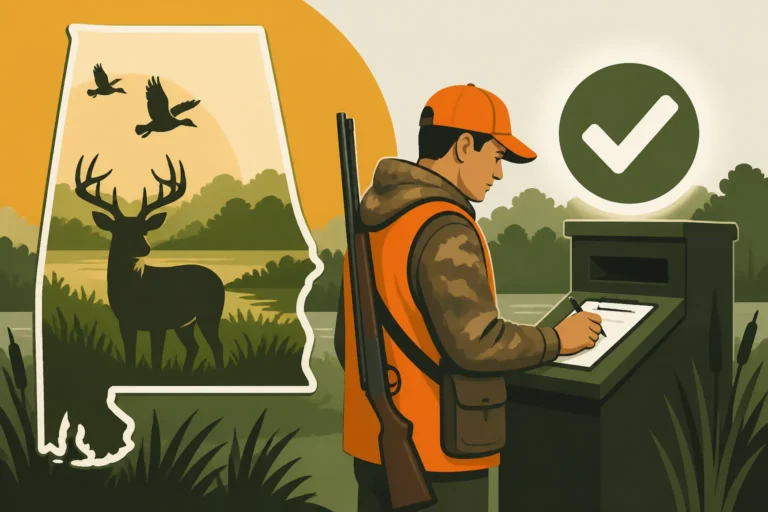
Beyond the permit, most WMAs require hunters to check in and check out each day they hunt. This is a critical data collection point for managers. In years past, this meant physically stopping at a check station and filling out a card. While some WMAs still use this system, many have transitioned to more modern methods, such as phone apps or online portals. The Outdoor Alabama app, for instance, allows hunters to check in and out digitally from their smartphone. This makes it incredibly convenient, but it also means hunters are responsible for ensuring they have cell service or have taken steps to check in before losing service. This daily check-in process helps managers track hunter numbers and distribute pressure, which is vital for managing resources. Using the Outdoor Alabama Map Tool is invaluable for this, as it often integrates check-in features and shows WMA boundaries. Tools like onX Hunt can also be incredibly helpful in understanding where you are in relation to WMA boundaries and private land. Many hunters use these digital mapping tools to pre-scout and ensure they are on public land.
Beyond General Season: Quota Hunts and Special Regulations
WMAs often have more specific and sometimes more restrictive regulations than statewide seasons. This isn't to make things harder for hunters, but rather to fine-tune management for local conditions. For example, some WMAs might have different antler restrictions than the general statewide rule, or they might have specific either-sex days for deer that differ from what's allowed in the surrounding county. It's imperative to always check the specific WMA regulations for the area you plan to hunt; never assume they mirror statewide rules or even adjacent private land rules.
One of the most unique aspects of WMA hunting is the concept of "quota hunts." For certain species, like deer or turkey, on specific WMAs, the WFF might implement a quota system. This means only a limited number of hunters are allowed to participate during a given hunt period. These hunts are often highly sought after because they typically offer higher success rates due to reduced hunter pressure and often excellent game populations. Hunters must apply for these quota hunts, and successful applicants are chosen through a lottery system. This ensures a quality hunting experience and prevents overharvest in sensitive areas. Alabama Deer Season Structure Explained covers the broader season, but WMA regulations can add another layer.
Beyond quota hunts, many WMAs have special youth hunting days, specific rules for Treestand Rules on Alabama Public Land, or limitations on certain types of equipment (e.g., specific dates when crossbows are allowed if different from general archery rules). Some areas might have specific requirements for blaze orange, even when not mandated statewide, or stricter rules on vehicle access. The sheer variety means diligence is required. A quick check of the Outdoor Alabama website or a physical regulations pamphlet before heading out can save you a lot of headache and potential citations.
The Eyes on the Ground: Monitoring Wildlife and Habitat Health
How do wildlife managers know if their strategies are working? They don't just guess; they gather data. A huge part of WMA management involves continuous monitoring of wildlife populations and habitat conditions. This scientific approach ensures that decisions are evidence-based, adapting to changes in animal numbers, environmental factors, and even hunter behavior.
Counting Critters: Population Surveys and Harvest Data
For species like white-tailed deer and wild turkeys, population surveys are a cornerstone of management. Biologists use a variety of techniques to estimate numbers and health. For deer, this can involve spotlight surveys at night, where routes are driven and deer are counted. They also use trail cameras extensively, deploying them across WMAs to capture images of deer, which helps them determine population density, buck-to-doe ratios, and fawn recruitment rates. This raw data helps paint a picture of the herd's health and potential harvestable surplus.
Perhaps the most direct and crucial source of data comes from hunter harvest records. This is why the WMA check-in and check-out process is so important. When you report your harvest, whether it's a deer, turkey, or other game, that information feeds directly into the management system. Managers track the total number of animals harvested, the age and sex ratios of deer, and even the weight and antler measurements. If harvest numbers decline, or if certain age classes are under or overrepresented, it flags a potential issue that needs investigation. This data informs future season lengths, bag limits, and specific WMA regulations. It's a critical feedback loop, and your participation is vital.
For turkeys, managers conduct brood surveys, often involving volunteers, to count poults (young turkeys) per hen during the summer months. This helps them gauge nesting success and future population trends. Listening routes are also used, where biologists record gobbling activity during the spring to estimate the number of active gobblers. These combined datasets allow for nuanced management decisions, ensuring that hunter opportunities are balanced with the species' ability to reproduce and thrive.
The Silent Threat: Disease Surveillance and Management
Unfortunately, wildlife populations aren't immune to disease, and monitoring for outbreaks is a critical, though often unseen, aspect of WMA management. Chronic Wasting Disease (CWD) is a prime example of a disease that requires constant vigilance. While Alabama has a relatively low number of CWD cases compared to some other states, managers are on high alert, especially in areas like the Alabama's Chronic Wasting Disease Management Zone in the northwest corner of the state.
WMA staff regularly collect samples from harvested deer for CWD testing, particularly during mandatory testing weekends or at designated sampling stations. This proactive surveillance helps detect the disease early and track its spread. If CWD is found, specific management actions are implemented, which might include changes to carcass movement rules, increased testing efforts, or altered bag limits to reduce population density. Hunters play a crucial role here by cooperating with testing requirements and understanding the importance of these sometimes inconvenient regulations.
Beyond CWD, managers also monitor for other diseases like Epizootic Hemorrhagic Disease (EHD), which can cause localized deer die-offs, especially during drought years. They also keep an eye on general animal health, looking for signs of mange in coyotes or other predators, or avian influenza in waterfowl. When unusual animal mortalities are observed, they are investigated to determine the cause and prevent further spread if possible. This vigilant approach helps protect the overall health of the WMA's wildlife populations.
Facing Tomorrow: Challenges and Evolving Management Strategies
Managing Alabama's WMAs is not a static process; it's a dynamic, ever-evolving challenge. Managers constantly face new pressures and adapt their strategies to ensure the long-term sustainability of these vital public lands. From growing hunter numbers to invasive species, the future of WMAs requires foresight and flexibility.
The Human Element: Balancing Hunter Pressure and Quality Experiences
One of the biggest challenges facing WMAs, especially those close to population centers, is managing hunter pressure. As more people discover the joys of public land hunting, certain WMAs can become crowded, leading to reduced quality experiences, increased competition, and even safety concerns. This is a delicate balance: WFF wants to provide access, but not at the cost of the resource or the experience. Hunting Pressure on Alabama Public Land is a real concern.
To address this, managers employ several strategies. Quota hunts, as discussed earlier, are one way to limit hunter numbers in specific areas or during peak times. Spreading out hunting opportunities across different WMAs and offering varied season dates also helps disperse hunters. They also use mapping tools and data from check-in systems to identify areas of high pressure and then might adjust regulations or focus habitat work on underutilized areas to draw hunters away from overcrowded spots. For instance, creating new food plots or clearings in remote sections of a WMA might encourage hunters to venture deeper, easing pressure near access points. Digital mapping tools like GoHunt or onX Hunt are incredibly valuable for hunters looking to find less pressured spots by identifying remote access points or thick cover. Scouting Alabama Public Land Before Season with these tools can make a huge difference.
Another aspect is hunter education and ethics. Encouraging responsible behavior, respect for other users, and adherence to regulations is key to maintaining a positive experience for everyone. This includes everything from proper field dressing and waste disposal to minimizing noise and disturbance.
Battling the Invaders: Controlling Feral Hogs and Exotic Plants
Alabama faces a relentless battle against invasive species, and WMAs are on the front lines. Feral hogs, for example, are a major problem across the state, causing immense damage to agricultural crops and natural habitats. On WMAs, these destructive animals compete with native wildlife for food, destroy crucial habitat through their rooting behavior, and can even prey on fawns and turkey poults. Hunting Alabama's Year-Round Feral Hogs is encouraged for a good reason.
WMA managers employ a variety of tactics to control hog populations, including trapping, baiting, and encouraging hunter harvest. They recognize that complete eradication is often impossible, but aggressive control measures are essential to mitigate the damage. This often involves large-scale trapping operations, where multiple hogs can be removed at once, or working with hunters who specialize in night hunting with thermal optics to maximize their effectiveness.
Beyond hogs, invasive plant species like cogongrass, privet, and kudzu also pose a significant threat. These aggressive plants outcompete native vegetation, reducing the quality of forage and cover for wildlife. Managers use a combination of prescribed fire, herbicides, and mechanical removal (like mowing or hand-pulling) to control these botanical invaders. It’s a constant struggle, requiring significant resources and ongoing effort, but it’s crucial for maintaining the ecological integrity and productivity of the WMA habitat.
Climate Change and Habitat Resilience
Looking further ahead, WMA managers are also beginning to consider the potential impacts of climate change on Alabama's wildlife and habitats. This involves thinking about long-term strategies for creating more resilient ecosystems. For instance, planting tree species that are more tolerant of predicted changes in temperature and rainfall, or designing wetland management plans that can adapt to altered precipitation patterns.
This foresight involves understanding how changing weather patterns might affect everything from acorn production and insect populations (which are vital for turkey poults) to the timing of migrations and the prevalence of certain wildlife diseases. By focusing on maintaining diverse habitats, promoting healthy native plant communities, and managing water resources carefully, WMA managers are working to ensure that Alabama's public lands can continue to support abundant wildlife, even in the face of environmental shifts. It's a complex, long-term vision, but one that is absolutely essential for the future of hunting and conservation in our state.
Disclaimer
This article is for general informational purposes only and does not constitute professional advice. Laws, prices and regulations vary by location and change over time. Consult a qualified professional for guidance on your specific situation.