How Many Acres Bankhead Forest Covers
For many hunters, the sheer thought of venturing onto vast tracts of public land in Alabama can be both exciting and a little daunting. You imagine endless timber, untouched creek bottoms, and elusive deer, but also the real worry of getting turned around or feeling overwhelmed by the scale of it all. This guide is all about navigating that feeling, specifically focusing on William B. Bankhead National Forest, and understanding just how much ground it covers and what that means for your hunting adventures.
The Sheer Scale of William B. Bankhead National Forest
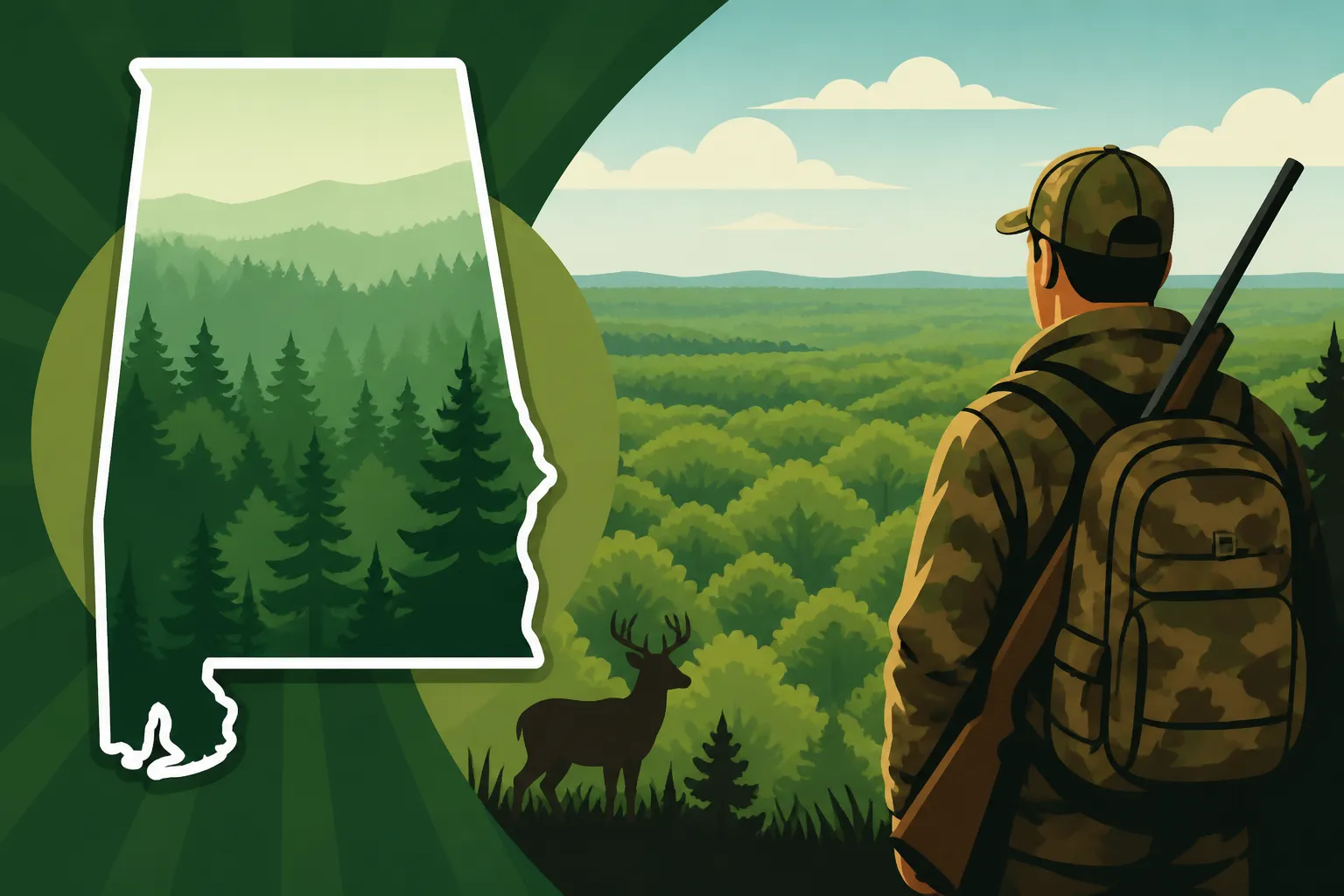
When you hear "national forest," your mind might conjure images of massive, sprawling wilderness, and in the case of William B. Bankhead National Forest, that image is absolutely spot-on. It truly is a gem of public land in Alabama, offering an incredible amount of space for hunters, hikers, and anyone looking to connect with nature. But knowing the exact numbers can help you really grasp the opportunities – and challenges – that come with hunting such an expansive area.
Understanding the Official Acreage
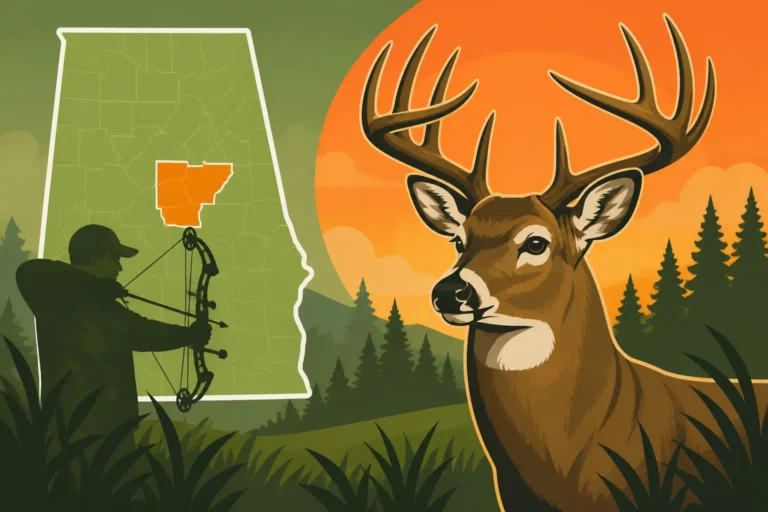
William B. Bankhead National Forest is a significant chunk of Alabama's public hunting lands, encompassing approximately 181,230 acres. Think about that for a moment: that's a tremendous amount of territory! It's not just a big woodlot; it's an entire ecosystem of ridges, hollows, creeks, and diverse timber types. This vastness is what makes it so appealing to hunters, providing room to roam without constantly bumping into other groups, especially during peak seasons. It's truly a place where you can feel like you've got a piece of wild Alabama all to yourself. Knowing this official figure helps set expectations – you're not going to cover this entire forest in a weekend, or even a season. It requires a different kind of hunting strategy, one focused on breaking down this immense landscape into manageable chunks.
To put its size into perspective with some other notable public land areas in Alabama:
| Public Land Area | Approximate Acreage (Acres) | Primary Purpose |
|---|---|---|
| William B. Bankhead NF | 181,230 | Multiple-use (timber, recreation, wildlife) |
| Talladega National Forest | 392,567 | Multiple-use (timber, recreation, wildlife) |
| Conecuh National Forest | 83,000 | Multiple-use (timber, recreation, wildlife) |
| Black Warrior WMA (within Bankhead) | 90,000 | Wildlife Management Area (focused on hunting) |
As you can see, even though it's not the largest national forest in the state, Bankhead still offers an incredible amount of land, particularly when you consider the Black Warrior WMA Inside Bankhead Forest, which makes up a substantial portion of its hunting grounds.
Beyond the Numbers: The Feeling of Vastness
While the numbers are impressive, the real experience of Bankhead's vastness hits you when you step out of your truck and into the woods. The sheer scale can feel intimidating. You might drive for miles along the forest roads, seeing nothing but seemingly endless timber stretching in every direction. It's easy to feel small and, if you're not careful, a little lost. This isn't your local 40-acre woodlot. The terrain can be rugged, with steep ravines, winding creeks, and thick underbrush in some areas, contrasting with more open, mature timber stands in others.
For a hunter, this feeling of vastness translates into both opportunity and a need for careful preparation. It means you can hike deep, find areas that might see less pressure, and potentially stumble upon some truly unpressured game. But it also means you need to be self-sufficient, confident in your navigation skills, and prepared for long treks far from any road or human development. The feeling isn't just about how many acres Bankhead Forest covers; it's about the deep woods experience it offers, where the wild truly feels wild.
What Those Acres Mean for Hunters
The immense size of William B. Bankhead National Forest directly influences the hunting experience there. It's not just a matter of having more ground; it's about the diversity of habitats, the potential for solitude, and the unique challenges and rewards that come with pursuing game in such an expansive, wild setting.
Diverse Habitats Across the Forest
Within those 181,230 acres, you're not going to find a monoculture of trees. Bankhead is a mosaic of different ecosystems, and this habitat diversity is a key reason why it supports such a healthy population of game animals. You'll encounter everything from hardwood bottomlands along the numerous creeks and rivers, to steep, rocky ridges covered in pines and mixed hardwoods, and even pockets of old-growth timber.
- Creek Bottoms and Riverine Areas: The Sipsey Fork of the Black Warrior River runs through Bankhead, along with countless smaller creeks and tributaries. These areas often feature rich soils, dense cover, and an abundance of mast-producing trees like oaks and hickories, making them prime locations for deer, turkeys, and Squirrel and Small Game Hunting in Alabama. Deer often use these bottomlands as travel corridors and bedding areas, especially during warmer weather or when seeking relief from hunting pressure.
- Ridge Tops and Slopes: Higher elevations offer different hunting opportunities. Pine plantations, often interspersed with mature hardwoods, can provide bedding cover and thermal protection for deer. These ridges are also excellent places for glassing, especially during the colder months when leaves are down. Understanding how wind and thermals affect deer movement on these ridges is crucial for success. Where Bankhead Forest Bucks Bed often varies with the season and available food sources.
- Mixed Hardwood Stands: These areas are crucial for deer and turkey, particularly during the early fall when acorns are dropping. Scouting for mast crop production is vital. The mixture of different tree species provides varied food sources throughout the year, keeping game in the area.
This varied terrain means that your hunting approach needs to be adaptable. What works in a creek bottom might not be effective on a steep ridge. It forces you to become a better, more versatile hunter, always observing and adjusting your tactics to the specific environment you're in.
Opportunities for Solitude and Exploration
One of the most significant benefits of hunting such a large national forest is the opportunity for solitude. On many smaller public land tracts, you might find yourself constantly bumping into other hunters, especially on opening weekend. While Bankhead certainly sees its share of pressure, especially near easily accessible roads, its sheer size means you can, with a little effort, get away from the crowds. If you're willing to hike a mile or two (or more!) off the beaten path, you'll often find yourself in peaceful, untouched woods where deer haven't been constantly disturbed.
This provides an incredible sense of exploration. Every time you venture deeper into Bankhead, you're discovering new terrain, new pinch points, new bedding areas, and new travel routes. It encourages you to learn the land intimately, rather than just hunting the same few spots year after year. For those who cherish the quiet and challenge of truly wild hunting, Bankhead offers endless possibilities. Whether you're tracking a late-season buck or trying to call in a wary gobbler, the chance to do it without interruption is a huge draw.
Navigating the Expansive Landscape
The vastness of Bankhead National Forest makes solid navigation skills and tools absolutely essential. Gone are the days of just a compass and paper map (though you should always have them as backups!). Today, modern technology can be a game-changer. Apps like onX Hunt or GoHunt have revolutionized how hunters approach large public lands.
These digital mapping tools allow you to:
- See property lines clearly: Critical for knowing where the public land ends and private property begins.
- Mark waypoints: You can drop pins for your truck, your stand locations, rub lines, scrape lines, water sources, or anything else you find while Scouting Alabama Public Land Before Season.
- Track your movement: Seeing your exact path on the map helps prevent getting lost and allows you to analyze your entry and exit routes.
- Identify terrain features: Topographical maps show elevation changes, creek drainages, and ridges, helping you visualize the landscape even before you step foot in it.
- Use satellite imagery: This provides a bird's-eye view, revealing hidden clear-cuts, thickets, and open timber that might not be apparent on a topo map alone.
Relying on these tools can make the difference between a productive, safe hunt and a frustrating, potentially dangerous one. Even with cell service being spotty in many remote areas of Bankhead, these apps allow you to download maps for offline use, ensuring you always know where you are. Furthermore, always have a fully charged power bank for your phone, and consider a dedicated GPS unit as an additional safeguard.
Planning Your Hunt in Bankhead's Vastness
Hunting in William B. Bankhead National Forest isn't something you can just do on a whim, especially if you're looking for consistent success. The sheer acreage demands thoughtful preparation, meticulous scouting, and a keen eye for safety. Think of it less like a quick trip to a local hunting preserve and more like an expedition into a significant wilderness area.
Essential Pre-Hunt Scouting
Given how many acres Bankhead Forest covers, you simply can't scout it all. The trick is to be strategic and break it down. Start with aerial photos and topographical maps from home. Use tools like onX Hunt or GoHunt to identify potential areas of interest:
- Access Points: Where are the forest roads that lead deep into the areas you want to explore? Remember that vehicle access rules vary, so check current regulations.
- Water Sources: Creeks, springs, and even small seeps are magnets for game, especially during dry periods.
- Terrain Funnels and Choke Points: Look for saddles between ridges, narrow creek bottoms, or sections of dense cover that naturally channel deer movement. These are excellent places for a Hanging a Stand on a Talladega Ridge style setup, adapted for Bankhead.
- Food Sources: Identify areas with significant oak stands for acorns, or other mast-producing trees. Early season scouting for food is critical.
- Thick Cover/Bedding Areas: Often located on secluded benches, steep slopes, or in regenerating clear-cuts. These are places deer feel safe.
Once you have a few promising spots identified on your map, it's time for boots-on-the-ground scouting. Hike in during the off-season or just before the season opens. Look for deer sign: tracks, rubs, scrapes, and droppings. Pay attention to game trails and how they connect different habitat types. Remember, Trail Camera Rules on Alabama Public Land generally allow their use, so consider deploying a few in promising areas to gather intelligence on game movement patterns. This pre-hunt diligence will save you countless hours during the actual season.
Gear and Safety Considerations
Hunting in such an expansive and often rugged environment requires more than just your weapon and hunting clothes. Your gear list needs to prioritize self-sufficiency and safety.
- Navigation: As mentioned, a reliable GPS unit or a fully charged smartphone with offline maps (like those on onX Hunt) is non-negotiable. Always carry a physical compass and a paper map of the area as a backup, and know how to use them.
- Hydration and Nutrition: Pack more water and high-energy snacks than you think you'll need. Long hikes through challenging terrain can be physically demanding.
- First-Aid Kit: A compact but comprehensive first-aid kit is vital for treating minor injuries or stabilizing something more serious until help arrives.
- Lighting: Headlamps or flashlights with extra batteries are crucial, especially if you plan to hunt until dark or need to track a deer after sundown.
- Shelter/Emergency Gear: A lightweight emergency blanket, fire starter, and whistle can be lifesavers if you get stranded or have to spend an unexpected night in the woods.
- Weather Appropriate Clothing: Alabama weather can be fickle. Dress in layers, and always have rain gear, even if the forecast looks clear.
- Communication: A fully charged phone (even if service is spotty, it can be useful in an emergency in certain spots), and consider a satellite communication device if you plan to go very deep into remote areas. Tell someone where you're going and when you expect to return.
- Blaze Orange: Follow all regulations regarding How Much Blaze Orange Alabama Requires, especially during gun seasons. Safety is paramount.
The sheer size and wildness of Bankhead mean you're often far from immediate help. Being prepared for various scenarios is not just smart; it's essential for your well-being.
Utilizing Digital Tools for Bankhead
The digital age has brought incredible advantages to hunters, and these tools are particularly valuable when tackling a large area like Bankhead. Beyond mapping applications, there are other digital resources that can enhance your hunt.
- The Outdoor Alabama App: This official app from the Alabama Department of Conservation and Natural Resources (ADCNR) is a must-have. It provides access to regulations, season dates, harvest reporting (which is mandatory for deer and turkey), and often includes detailed maps of Alabama Wildlife Management Areas, which are crucial since a significant portion of Bankhead is managed as the Black Warrior WMA. It's an excellent companion to a dedicated mapping app like onX Hunt.
- Weather Apps: While a basic weather app is good, consider one that offers hyper-local forecasts and radar, which can be critical for predicting sudden thunderstorms or cold fronts that impact game movement.
- Scent Control Apps: Some hunters use apps that factor in wind direction and thermals to help plan optimal stand locations and entry/exit routes. This is particularly useful in Bankhead's varied terrain where wind can swirl.
- Community Forums and Online Groups: While you won't find specific honey holes, online communities dedicated to Alabama hunting can be great resources for general information, sharing experiences, and learning about current conditions or specific areas within Bankhead.
By integrating these digital tools into your hunting strategy, you can transform the daunting task of hunting 181,230 acres into a series of manageable, well-informed decisions. They help you leverage data, stay safe, and ultimately increase your chances of a successful and rewarding experience in the magnificent William B. Bankhead National Forest.
Disclaimer
This article is for general informational purposes only and does not constitute professional advice. Laws, prices and regulations vary by location and change over time. Consult a qualified professional for guidance on your specific situation.