Franklin County CWD Buffer Zone Access
Hunting in Franklin County, Alabama, has taken on a new layer of complexity with the establishment of the Chronic Wasting Disease (CWD) Management Zone. Many hunters feel a natural apprehension about navigating these new regulations, unsure how they might impact their traditional hunting spots and practices. This guide aims to clear up the confusion surrounding CWD rules and specific access points for hunters in Franklin County, helping you understand what's required to hunt responsibly and legally in this critical area.
Understanding Franklin County's Place in the CWD Management Zone
The discovery of Chronic Wasting Disease in northwest Alabama has naturally led to the establishment of specific management zones to monitor and control its spread. Franklin County finds itself within the broader CWD Management Zone (CMZ), a designation that brings with it a unique set of responsibilities and rules for hunters. It’s not just a casual suggestion; these are mandatory regulations designed to protect Alabama’s deer herd for future generations.
Defining the CWD Management Zone and Its Reach
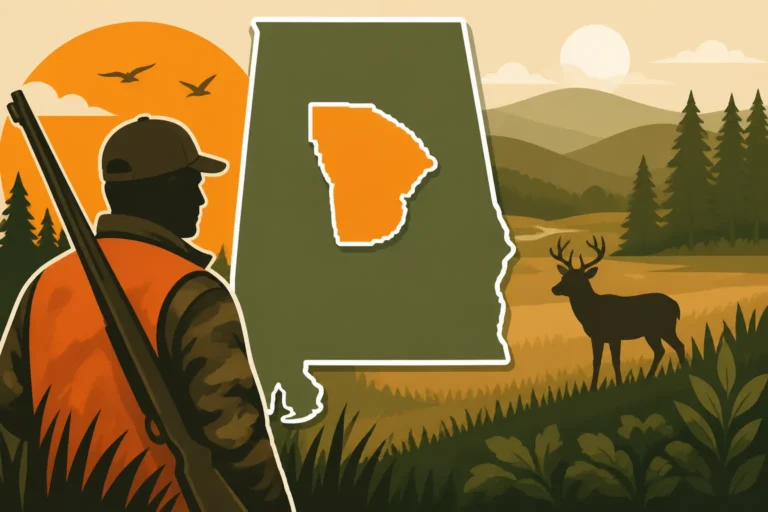
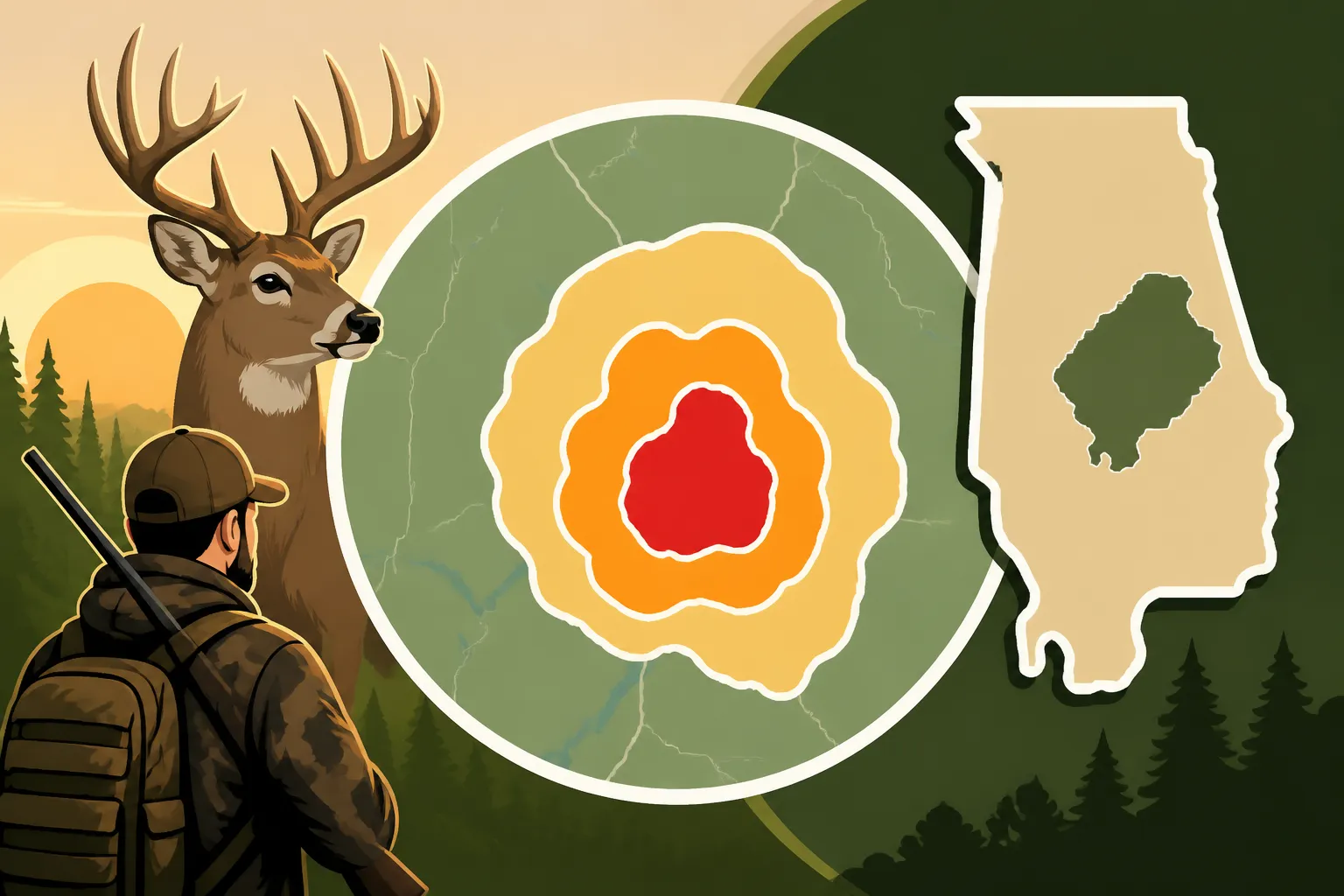
When the Alabama Department of Conservation and Natural Resources (ADCNR) first announced the presence of CWD, they immediately designated the surrounding counties as part of a CWD Management Zone. This zone typically encompasses counties where CWD has been detected, as well as adjacent counties deemed at high risk for spread due to deer movement. For a deeper dive into the overall strategy, you can explore Alabama's Chronic Wasting Disease Management Zone. Franklin County is one of the primary counties included, meaning hunters here are operating under stricter guidelines than those outside the zone. Understanding Which Counties Sit in Alabama's CWD Zone is the first step in ensuring you're compliant.
Why Franklin County is Crucial (Even If Not the Epicenter)
While the initial detections of CWD may have occurred predominantly in specific areas of a neighboring county, Franklin County's inclusion in the CMZ is no accident. Deer don't recognize county lines, and their movements, especially during the rut, can cover significant distances. This makes every county within the CMZ, including Franklin, a crucial component in the overall management strategy. Think of Franklin County as a vital barrier, a place where vigilance is key to preventing further spread. The regulations here are about proactive management, ensuring that any potential CWD cases are identified quickly and that the risk of transmission is minimized across the landscape. Even if your favorite hunting spot in Franklin County feels miles from the initial confirmed cases, it's still part of the bigger picture, and your adherence to the rules is paramount.
Navigating Hunting Regulations in Franklin County's CWD Zone
Hunting in Franklin County requires a clear understanding of the specific CWD regulations. These rules are not optional; they are legally binding and designed to mitigate the risks associated with this devastating disease. From how you handle your harvested deer to where and when you can get it tested, there are critical steps every hunter must follow.
Carcass Movement Rules: What You Can and Can't Take Out
Perhaps the most significant change for hunters in the CWD Management Zone, including Franklin County, involves carcass movement. You cannot simply harvest a deer in Franklin County and take the entire carcass to your deer camp in another part of the state. The goal is to prevent the transport of potentially infected tissues, like brain and spinal cord, which are known to carry the CWD prions. This means significant restrictions on what parts of a deer can leave the CMZ. Typically, only deboned meat, clean skull plates (antlers attached), cleaned hides, and finished taxidermy products are allowed to be transported out. For comprehensive details, be sure to consult Alabama Carcass Movement Restrictions on the ADCNR website. This might mean processing your deer much closer to where you harvest it or making arrangements with local processors who understand the rules.
Mandatory Testing and Sampling Stations
Depending on the specific CWD prevalence and monitoring needs, there may be periods of mandatory CWD testing for deer harvested within certain parts of the CMZ, or even year-round voluntary testing. While Franklin County might not always fall under the "High-Risk Zone" (HRZ) where mandatory testing is most concentrated—you can learn more about The High-Risk Zone Inside the CMZ—it's still often subject to important sampling efforts. The ADCNR frequently sets up specific weekends or locations for hunters to bring their harvested deer for CWD sampling. Participating in these efforts is a vital contribution to understanding the disease's presence and distribution. Look for specific announcements regarding Mandatory CWD Testing Weekends and where to find Finding an Alabama CWD Sampling Station in or near Franklin County. Even outside mandatory periods, voluntarily submitting a sample helps biologists track the disease.
Reporting Your Harvest: An Extra Layer of Responsibility
Beyond the standard Game Check system, hunting in a CWD Management Zone like Franklin County sometimes involves additional reporting. While all deer harvested in Alabama must be reported through Game Check, specific CWD protocols might require recording the harvest location with more precision or providing additional information related to CWD sampling. This meticulous data collection is crucial for tracking disease patterns and making informed management decisions. Always ensure you are familiar with Alabama Deer Reporting Rules and any specific instructions provided for harvests within the CWD Management Zone. Taking the extra minute to accurately report your harvest location and any CWD sample submission helps wildlife biologists immensely.
Here's a quick reference for carcass movement:
| Carcass Part | Allowed to Leave CWD Management Zone? | Notes |
|---|---|---|
| Deboned Meat | Yes | Must be entirely free of bone. |
| Clean Skull Plate | Yes | Antlers attached, brain material removed and skull thoroughly cleaned. |
| Hides | Yes | Must be clean, no brain matter or spinal cord attached. |
| Finished Taxidermy | Yes | After professional processing. |
| Whole Carcass | No | Not allowed unless directly to a CWD sampling station or licensed processor within the CMZ. |
| Brain/Spinal Cord | No | These are considered high-risk materials and must be left in the CMZ. |
Finding Hunting Access in Franklin County's CWD Zone
Finding a place to hunt is often half the battle, and in a CWD Management Zone like Franklin County, knowing where you can legally hunt and what specific rules apply to that land is more important than ever. Whether you prefer public land adventures or have secured private land access, there are unique considerations for each.
Public Land Opportunities and Their Limitations
Franklin County does offer some public hunting opportunities, often managed by the ADCNR or as part of national forests. For general information on where these lands are, Public Hunting Land in Alabama is a great starting point. When hunting public land within the CWD Management Zone, it's absolutely vital to be aware of any specific regulations beyond the statewide CWD rules. Some WMAs or national forest areas might have additional local rules, specific check-in procedures for CWD sampling, or even temporary closures if CWD surveillance activities are underway. Always check the individual WMA regulations or national forest guidelines for the specific tract you intend to hunt. Utilize tools like the Outdoor Alabama app, which can often show you boundaries and specific rules. Scouting With the Outdoor Alabama App can be a real game-changer for finding these areas and staying informed. It's not just about finding a spot to hunt; it's about finding a spot where you can comply with all the rules.
Securing Private Land Access Amidst New Rules
For many hunters, private land is their preferred domain. If you're fortunate enough to have access to private land in Franklin County, whether it's your own property, a friend's land, or a hunting lease, you still fall under the CMZ regulations. The advantage is that you might have more control over your hunting activities and can implement CWD-preventative measures more consistently. However, it's your responsibility, as well as the landowner's, to ensure compliance with carcass movement restrictions and any mandatory testing requirements. When scouting new properties or verifying old ones, digital mapping tools like onX Hunt are invaluable. Using onX Layers for Alabama Land Status can help you visualize the CWD zone boundaries directly on your map, alongside property lines and public land overlays. This kind of information is critical for making informed decisions and avoiding unintentional rule violations, especially when dealing with land that might straddle a CWD boundary. Knowing Finding Alabama Property Lines can also help prevent trespassing and ensure you're hunting within your legal access.
Responsible Hunting Practices in a CWD Zone
Beyond simply following the rules, there's a higher calling for hunters in a CWD Management Zone: adopting responsible practices that actively help mitigate the spread of the disease. This isn't just about legality; it's about stewardship and ensuring the long-term health of our deer herds.
Minimizing CWD Spread on Your Hunt
Every hunter in Franklin County has a role to play in minimizing the risk of CWD transmission. This starts with basic biosecurity. When field dressing a deer, try to do so at the harvest site and leave any high-risk parts (brain, spinal cord, spleen, lymph nodes) there. Avoid spreading these materials across the landscape. Don't dispose of deer carcasses in areas where other deer might congregate, such as bait sites or active food plots. If you use scent lures, be aware of any regulations regarding natural urine-based products, as some states restrict their use to prevent CWD transmission. Consider synthetic alternatives. Also, if you use feeders or mineral sites, be mindful that these can concentrate deer and potentially facilitate disease transmission. While legal in Alabama, responsible use, like moving sites frequently or limiting use in high-risk areas, is something to consider. Remember, you're handling venison, and it's important to understand Handling Venison From the CWD Management Zone to ensure safety for your family and friends.
What to Do If You Suspect CWD in a Harvested Deer
Sometimes, despite all precautions, you might encounter a deer that appears sick or exhibits symptoms consistent with CWD. These symptoms can include drastic weight loss, stumbling, drooling, excessive thirst, and a general lack of fear of humans. If you harvest a deer that shows any of these signs, do not consume the meat. Instead, contact the ADCNR immediately. They will provide instructions on how to submit the animal for testing. It’s a difficult decision to make after a successful hunt, but it’s the most responsible course of action for the health of the deer herd and public safety. Your swift action can help prevent further spread and allow wildlife biologists to gather crucial data. Being proactive and reporting suspicious animals is a cornerstone of responsible hunting in a CWD-affected area.
Disclaimer
This article is for general informational purposes only and does not constitute professional advice. Laws, prices and regulations vary by location and change over time. Consult a qualified professional for guidance on your specific situation.