Talladega National Forest Hunting
One of the biggest challenges for hunters in Alabama, especially those without extensive private land access, is finding vast, open public ground where you can truly escape the crowds and immerse yourself in the hunt. Talladega National Forest offers just such an opportunity, spanning hundreds of thousands of acres across the state's rugged Appalachian foothills, but navigating its diverse terrain and understanding its unique regulations can feel overwhelming. This comprehensive guide will walk you through everything you need to know to successfully plan and execute a rewarding hunting experience within this magnificent Alabama treasure.
Understanding Talladega National Forest for Hunting
Talladega National Forest isn't just one big block of timber; it’s a sprawling landscape with distinct characteristics across its various divisions. Knowing these areas, the general rules that govern them, and how to get around is the first crucial step to a successful hunt. This isn't your typical small WMA; Talladega demands respect for its size and ruggedness, but it rewards those who put in the effort.
The Lay of the Land: Divisions and Geography
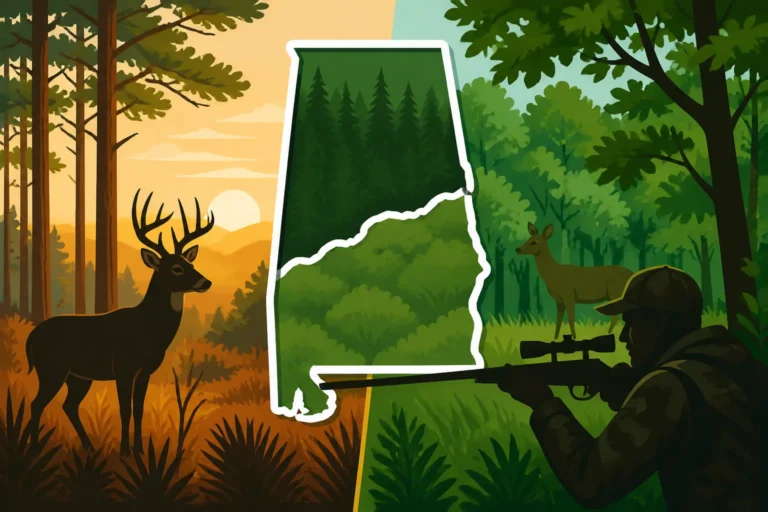
Talladega National Forest covers an impressive amount of ground, totaling nearly 400,000 acres, divided into two primary sections: the Oakmulgee District to the southwest, and the Talladega District, which includes the Shoal Creek and Talladega divisions, stretching across the eastern part of the state. These divisions present very different hunting experiences, from the rolling hills and pine plantations of Oakmulgee to the steep, rocky ridges and hardwood hollows of the Talladega and Shoal Creek areas. Understanding this geography is paramount to selecting your hunting grounds.
For instance, the Oakmulgee District, near cities like Centreville and Selma, is characterized by its lower elevation, a mix of pine and hardwood, and generally more accessible terrain. You'll find areas here that feel more like classic Southern timberland, with logging roads cutting through, making it a bit easier to cover ground. In contrast, the Talladega District, particularly around Cheaha Mountain (Alabama's highest point), offers a true mountain hunting experience. Think steep climbs, rocky outcrops, and dense cover that can test even the most seasoned hunter's endurance. Each division has its own charm and challenges, and what works in one might not work in another. It's truly a diverse landscape that reflects Alabama's varied topography.
General Rules and Regulations for Hunters
Hunting in a National Forest comes with a specific set of rules that often differ from state-managed Wildlife Management Areas (WMAs). While you still need your Alabama hunting license and any necessary stamps, there are additional considerations unique to federal land. For example, some areas within the forest might have special regulations regarding ATVs, camping, or even specific hunting methods. It’s absolutely vital to consult the current Alabama Hunting & Fishing Digest, specifically the section on National Forests, before you head out. These rules can change, and ignorance is rarely an excuse in the eyes of a game warden.
Beyond the formal regulations, there's an unwritten code of conduct that applies to public land hunting. Respect for other users, whether they're hikers, mountain bikers, or other hunters, is key. Understand that you're sharing this space. Also, remember that baiting is generally prohibited on National Forest land. This is a big one for many hunters accustomed to private land practices, but it's a rule that helps ensure fair chase and maintains the wild character of the forest. Familiarizing yourself with these nuances will help ensure a safe, legal, and enjoyable hunt.
Vehicle Access and Road Systems
Navigating the vastness of Talladega National Forest requires a good understanding of its road system. While there are paved roads running through portions of the forest, many of the deeper access points are via dirt and gravel forest service roads, some of which may be seasonally closed or only passable with a high-clearance vehicle. This is where tools like onX Hunt become invaluable, as they show you not only public and private land boundaries but also detailed road networks, including those that are gated or designated for foot traffic only. Don't rely solely on your phone's GPS, as cell service can be spotty or nonexistent in many remote areas.
Many hunters will drive these forest roads, looking for promising access points or signs of game, then hike into the timber. Pay attention to signage; some roads are designated "closed to vehicles" year-round, while others might be open during hunting season but shut down at other times to prevent habitat damage or reduce disturbance. Understanding these restrictions is crucial not only for compliance but also for planning your hunt. Parking in designated areas or at least well off the main thoroughfare is always recommended to avoid blocking access or attracting unwanted attention to your vehicle. Remember, the deeper you get into the forest, the more primitive the roads tend to be, often turning into simple two-tracks. For detailed information, you can always check the forest's official website or stop by a local ranger station.
Deer Hunting in Talladega National Forest
Deer hunting in Talladega National Forest is a deeply rewarding experience for those who appreciate a challenge and the chance to truly earn their harvest. This isn't a high-fence operation; these are wild deer living in a rugged, expansive environment. Success here often comes down to dedication, physical conditioning, and smart strategies. Alabama Deer Season Structure Explained is critical to consult for overall season dates.
Scouting Strategies for Talladega Whitetails
Scouting is probably the single most important factor for consistent success when deer hunting in Talladega National Forest. With hundreds of thousands of acres, you can't just wander in and expect to bump into a mature buck. The sheer scale means deer might be spread out, or they might concentrate in areas with specific food sources, bedding cover, or water. Early season scouting, before the leaves drop, can reveal subtle clues that become invisible later in the year. Look for old rub lines, established trails leading from bedding to feeding areas, and distinct funnel points in the topography.
Often, the best way to scout Talladega is by foot, covering ground that others won't. Pay close attention to ridge lines, creek bottoms, and saddles, as these often act as natural travel corridors. During the pre-season, I spend a lot of time walking, using digital mapping apps like GoHunt to mark potential stand locations, bedding areas, and water sources. Sometimes, a deer trail might be faint, but if it consistently connects a ridge top to a bottomland, it's worth noting. Also, remember to look for mast crop availability. A good white oak or red oak acorn crop can draw deer from miles around, creating temporary hotspots. This is especially true after a poor acorn year, when deer will gravitate to any available food.
Tactics for Still-Hunting and Stand Placement
Given the varied terrain of Talladega, a combination of still-hunting and strategic stand placement often yields the best results. Still-hunting, moving slowly and deliberately through the woods, pausing frequently to observe and listen, is incredibly effective in areas with dense cover or where deer patterns are less predictable. This method allows you to cover more ground and react to fresh sign you encounter, especially on windy days when deer movement is harder to hear. Focus on walking into the wind, paying close attention to thickets, creek bends, and areas of dense regeneration where deer might be bedded.
For stand placement, think about the access. Many of the best spots are a considerable hike from any road. This means selecting a stand site that offers good visibility and a clear shot opportunity, while also considering your entry and exit routes to minimize disturbance. Ridge saddles, natural funnels between two drainage systems, or points overlooking a steep drop-off where deer will travel along contours are excellent choices. Hanging a Stand on a Talladega Ridge goes into more detail, but generally, look for pinch points. Placing a stand near a reliable water source or a transition zone between different timber types can also be highly productive. Remember, lightweight, portable stands are often favored here, given the need to pack in and out.
Navigating Season Dates and Bag Limits
Understanding the specific season dates and bag limits for Talladega National Forest is non-negotiable. While the forest falls under the general statewide deer seasons, there might be specific public land windows or variations within certain zones. For instance, the general archery season opens in October, but gun seasons for deer typically start later, and specific dates can vary by zone, even within the forest's broad boundaries. Always check the current regulations published by the Alabama Department of Conservation and Natural Resources (ADCNR) to confirm exact dates for the division you plan to hunt.
Alabama has a three-buck season limit, and often an antlered-only restriction for a portion of the season on public land, which is critical to observe. The requirements for antlerless deer can also vary, sometimes requiring specific tags or being open for certain periods only. For example, some parts of Talladega might fall into areas with more conservative antlerless limits, while others are more liberal. Reporting your harvest through the Game Check system is mandatory for all deer taken in Alabama, including those from National Forests. This data helps wildlife biologists manage the herd effectively. Staying informed about these regulations is not just about legality; it's about being a responsible steward of the resource and ensuring future hunting opportunities.
Turkey Hunting in Talladega National Forest
Hunting wild turkeys in Talladega National Forest is a quintessential spring experience for many Alabama hunters. The forest's diverse habitat, from mature hardwoods to pine stands, provides excellent turkey habitat, but these birds can be elusive and challenging in the expansive, often steep, terrain. Spring Turkey Hunting in Alabama offers an excellent overview of the season.
Finding Roosting Areas and Spring Hotspots
Locating where turkeys roost is often the first step to connecting with a gobbler in Talladega National Forest. Turkeys prefer to roost in large, mature trees, often pines, over open areas or along ridge lines, giving them a commanding view and a sense of security. Identifying these general areas during pre-season scouting or even the afternoon before a hunt can give you a significant advantage. Listen for gobbling activity at dawn and dusk, which will pinpoint not only roost trees but also general areas where birds are active. These "shock gobblers" can be quite vocal, especially on calm mornings, and will clue you into their presence.
Creek bottoms and hardwood ridges that offer a mix of open understory for strutting and dense cover for escape are classic turkey hotspots. As spring progresses, pay attention to green-ups. Areas where new vegetation emerges first, like sun-drenched slopes or recently burned areas (if applicable and legal), can draw turkeys looking for fresh forage and insects. Also, consider the water source. Turkeys need water daily, so areas near perennial streams or spring seeps can be productive. The key is to find patterns in their movement, which will dictate where you set up.
Run-and-Gun Tactics in Mountainous Terrain
Turkey hunting in Talladega's mountainous terrain often demands a "run-and-gun" approach. This isn't flat-land hunting where you might sit patiently for hours. Here, you'll need to be mobile, covering significant ground to locate vocal gobblers. This means being physically prepared for steep climbs and descents, often through thick brush. I recommend carrying a lightweight vest with essential calls, a small seat cushion, and water. The goal is to move, stop, call, listen, and then move again if you don't get a response.
When you do get a gobbler to respond, the next challenge is closing the distance and setting up in a spot that encourages him to come to you. This usually involves using the topography to your advantage, such as slipping around a ridge to get on his level or positioning yourself where he has to come over a rise to see your setup. Keep your calls realistic and varied. Sometimes a soft series of yelps and clucks is all it takes; other times, a more aggressive cutting sequence might be necessary to pique his interest. Remember, turkeys have exceptional eyesight, so breaking up your outline against a large tree is essential. You'll find that Run-and-Gun Turkey Tactics on Public Land is a great resource for developing this skill set.
Decoy Use and Calling Strategies
Decoy use in Talladega National Forest can be highly effective, but it requires careful consideration. A single hen decoy or a jake and hen setup can sometimes be enough to draw a wary gobbler the last few yards. However, in heavily hunted areas, especially on public land, decoys can also attract other hunters, so safety is paramount. Always place your decoy in an open spot where it's clearly visible, and always set up with a tree wider than your shoulders between you and where you expect the bird to approach. Also be aware of Alabama's Ten-Day Decoy Restriction early in the season, which prohibits the use of decoys for the first ten days of the season.
Your calling strategy should adapt to the birds and the terrain. In Talladega, sometimes less is more. Over-calling can spook an educated gobbler, especially on public land. Start with soft, subtle calls, mimicking a contented hen, and gauge his response. If he's hot, you might increase the volume and aggressiveness. If he's hanging up, try to change your calls, maybe switching from a box call to a slate call, or even going silent for a period to make him think the "hen" is leaving. Understanding the different calls—yelps, clucks, purrs, cutting—and when to use them is a skill developed over many hours in the woods. A smart hunter carries multiple types of calls to adapt to whatever the birds are doing that day.
Small Game and Predator Hunting Opportunities
Talladega National Forest isn't just for big game. It offers fantastic opportunities for small game and predator hunting, providing year-round action and a chance to hone your woodcraft. These hunts often involve less pressure and can be incredibly rewarding. Squirrel and Small Game Hunting in Alabama is a great resource for getting started.
Squirrel and Rabbit Hunting in Hardwood Bottoms
Squirrel and rabbit hunting are traditional pastimes in Alabama, and Talladega National Forest provides prime habitat for both. For squirrels, focus on the mature hardwood bottoms and ridges, especially areas rich in oak and hickory trees. These mast-producing trees are critical food sources. Early in the season, before the leaves drop, look for squirrels cutting nuts or foraging on the ground. As the season progresses and the leaves fall, they become easier to spot in the bare branches. A good pair of binoculars can be your best friend here, helping you spot subtle movements high in the canopy.
Rabbit hunting is often best along the edges of clearcuts, brushy fencerows (if applicable to forest boundaries), and thick creek bottoms within the forest. These areas provide the dense cover that rabbits need for protection. Many hunters enjoy running beagles for rabbits, which is a fantastic social hunt and a very effective way to flush cottontails from thick cover. Even without dogs, slow still-hunting through brushy areas or focusing on fresh tracks after a rain can lead to success. These hunts are a great way to introduce new hunters to the woods, teaching them tracking, stalking, and gun safety in a less intense environment than big game hunting.
Pursuing Feral Hogs Year-Round
Feral hogs are a pervasive problem across Alabama, and Talladega National Forest is no exception. For hunters, this translates into a fantastic, year-round hunting opportunity with no closed season or bag limits on private lands and often very liberal rules on public lands like the National Forest. This makes hog hunting a great way to stay active in the woods even when other seasons are closed. Hunting Alabama's Year-Round Feral Hogs delves deep into effective strategies.
To find hogs in Talladega, look for signs of their destructive rooting, wallows near water sources, and fresh tracks in muddy areas. Hogs are often found in thick cover, especially along creek drainages and in dense pine plantations, where they can find food and escape detection. They are primarily nocturnal, so hunting early morning or late evening, or even night hunting with legal lights (where permitted), can be productive. Thermal imaging and night vision gear can be a game-changer for night hunting, allowing you to effectively locate and target these elusive animals. Due to their destructive nature, taking as many as you can is often encouraged by land managers.
Coyote and Other Predator Hunting
Coyotes are abundant throughout Talladega National Forest, and hunting them offers another year-round challenge. They are incredibly intelligent and wary, providing a thrilling chase for dedicated predator callers. Their presence also helps manage deer and turkey populations by preying on fawns and poults, so ethical predator hunting is a form of wildlife management. Focus on calling in areas with good visibility, such as clearcuts, power line easements, or along wider forest roads, ensuring you have a safe backdrop for any shot.
Beyond coyotes, other predators like bobcats and foxes can also be pursued during their respective seasons. These animals require even more stealth and patience. Calling setups for coyotes will often bring in bobcats, especially if you use a variety of distress calls mimicking rabbits, birds, or fawns. Night hunting with predator calls and lights, following specific regulations, can be an exciting way to target coyotes and other furbearers. Always remember to check the specific regulations for predator hunting, as rules regarding seasons, legal hours, and equipment can vary. Predator Hunting in Alabama covers many of these details.
Essential Gear and Preparation for Talladega Hunts
Hunting in Talladega National Forest is an immersive experience, but it's also demanding. The rugged terrain, potential for remote locations, and variable weather mean you need to be well-prepared with the right gear and physical conditioning. Don't underestimate the challenges of this expansive public land.
Navigation Tools and How to Use Them
When you're deep in Talladega's dense woods, especially in the Talladega or Shoal Creek districts, getting turned around is a real possibility. Reliable navigation tools are not just convenient; they are essential for safety. A good GPS unit or a smartphone with robust mapping applications like onX Hunt or GoHunt downloaded for offline use is paramount. These apps allow you to mark waypoints, track your path, and instantly see property boundaries, which is crucial on public land. Knowing how to use these tools proficiently before you enter the woods is key. Practice in your backyard or a local park first.
Beyond digital aids, always carry a physical compass and a topographic map of the area you're hunting. Batteries die, and electronics fail. Knowing how to use a compass to navigate by terrain features can literally be a lifesaver. Familiarize yourself with major landmarks, ridges, and drainages on your map. It's also wise to share your hunting plans with someone outside the forest, letting them know your intended area and estimated return time. Many successful hunters will drop a pin on their vehicle location at the start of every hunt, ensuring they can always find their way back, even if they wander further than planned.
Physical Conditioning and Safety Considerations
Talladega National Forest is not for the faint of heart, especially the more mountainous regions. Long hikes up steep grades, often carrying gear, demand a good level of physical fitness. Training beforehand, whether it's hiking with a loaded pack or regular cardio, will make your hunt more enjoyable and safer. Getting winded halfway up a ridge while trying to slip in on a gobbler can ruin a hunt and increase your risk of injury. The more in shape you are, the more ground you can cover and the further you can get from other hunters.
Safety is paramount. Always hunt with a first-aid kit, a whistle, a headlamp, and sufficient water. Cell service can be spotty or nonexistent, so don't rely on it for emergencies. Blaze orange or blaze pink is required during certain gun seasons for deer, and even when not strictly required, wearing it to and from your stand or when still-hunting is a smart safety practice to make you visible to other hunters. Be mindful of your surroundings, scan for snakes, and always practice safe firearm handling. Hunting with a partner, especially in remote areas, is always a good idea, as two heads (and two sets of emergency supplies) are better than one.
Camping and Backcountry Hunt Logistics
For those looking to truly immerse themselves in the Talladega experience, backcountry camping can extend your hunt and put you deeper into prime territory. Camping Rules on Alabama National Forest Land will give you a good overview. Dispersed camping (camping outside of designated campgrounds) is often permitted in National Forests, but you must adhere to "Leave No Trace" principles. This means packing out everything you pack in, camping at least 200 feet from water sources, and minimizing your impact on the environment.
When planning a multi-day backcountry hunt, meticulous logistics are crucial. You'll need to consider how to pack in enough food, water (or water purification methods), shelter, and hunting gear. Lightweight equipment becomes critical here. Think about how you'll manage your game after a successful harvest; carrying out a deer or even a turkey from deep within the forest can be a strenuous task. Many hunters will debone an animal to reduce weight, packing the meat out in game bags. Having a solid plan for meat care, especially in Alabama's often warm weather, is essential to prevent spoilage. Scouting potential camp locations that offer both concealment and easy access to your hunting grounds will also save you time and energy.
Navigating Pressure and Finding Unpressured Areas
Public land hunting, by its very nature, means sharing the woods. Talladega National Forest is no exception, and popular access points can see significant hunter pressure, especially during opening weekends. However, its immense size means that unpressured pockets do exist for those willing to work for them.
Understanding Hunter Density and Access Points
Hunter density in Talladega National Forest varies greatly depending on the time of year, the specific district, and the proximity to popular access roads. On opening day of gun season, main entrances and easily accessible timber company lands bordering the forest can feel like a parking lot. This is particularly true in areas closer to larger metropolitan centers. Understanding these pressure points is the first step to avoiding them. Satellite imagery on mapping apps can often reveal these well-worn paths and popular parking spots.
Generally, the further you get from a paved road or a well-maintained gravel road, the less hunter pressure you'll encounter. Hunters are creatures of habit, and many won't venture more than a mile or two from their vehicle. If you're willing to walk 3, 4, or even 5 miles into the backcountry, your chances of finding undisturbed game increase dramatically. Opening Weekend Crowds in Zone A gives a good general sense of hunter numbers to expect. Look for less obvious access points, faint logging roads that aren't well-maintained, or even areas that require crossing a creek or navigating a particularly thick section of woods to reach. These natural barriers often deter casual hunters, leaving the deeper woods relatively untouched.
Deep Woods Exploration and Remote Zones
The true secret to consistent success in Talladega often lies in deep woods exploration and identifying remote zones that other hunters overlook. These are the areas where deer feel safest, where gobblers gobble more freely, and where you're more likely to encounter mature animals. This kind of exploration requires a commitment to physical exertion and a strong sense of direction. It means studying topographic maps and aerial photos, looking for subtle features like isolated benches on steep hillsides, hidden spring seeps, or overlooked pockets of mature mast trees.
Once you've identified potential remote zones, the next step is to physically explore them, even if it's just a scouting trip during the off-season. Mark trails, identify potential stand sites, and note bedding areas. Don't be afraid to hike beyond what feels comfortable, then go a little further. Often, the best hunting begins where the average hunter stops. Remember that Reading Aerial Photos for Piedmont Deer can be incredibly useful, even if Talladega is more mountainous, for identifying these remote pockets and understanding terrain features that funnel game.
Utilizing Topography to Your Advantage
Talladega's rugged topography is both a challenge and a strategic asset. Understanding how deer and turkeys use the terrain can give you a significant edge. Animals tend to travel along the path of least resistance, meaning ridge lines, saddles, and creek bottoms are natural travel corridors. During cold weather, deer might bed on sunny, south-facing slopes, while in warmer periods, they might seek cooler, north-facing slopes or dense creek bottoms. Understanding these tendencies allows you to predict their movement.
Wind and thermals also play a huge role, especially in mountainous terrain. As the sun rises, thermals typically rise, carrying scent up the hillsides. In the evening, as the air cools, thermals often drop down into the valleys. Positioning yourself to take advantage of these thermal currents can keep your scent away from a wary buck or gobbler. Using the terrain to mask your approach, slipping along the backside of a ridge or staying in a deep hollow, allows you to get closer to game without being detected. This is where truly understanding the "lay of the land" becomes a crucial skill, helping you move quietly and unseen.
Conservation and Responsible Hunting in Talladega
Hunting in Talladega National Forest is a privilege, and with that privilege comes a responsibility to conserve the resource and respect the land. Being a responsible hunter means more than just following the rules; it means actively contributing to the health of the ecosystem and ensuring opportunities for future generations.
Pack It In, Pack It Out: Leave No Trace
The principle of "Leave No Trace" is fundamental to responsible public land use, and it's especially critical in a place as wild and expansive as Talladega National Forest. This means that everything you bring into the woods—from empty water bottles and snack wrappers to spent shotgun shells and flagging tape—must be packed out. Do not leave trash, food scraps, or any non-natural items behind. Even biodegradable items can take a long time to break down and can attract unwanted wildlife or detract from the wilderness experience for others.
Consider the impact of your actions. If you set up a ground blind, ensure it's removed at the end of your hunt, or at least before the season closes, if rules allow for temporary blinds. If you use flagging tape to mark a trail, remove it on your way out. The goal is that no one should be able to tell you were there after you've left. This simple philosophy helps preserve the natural beauty and ecological integrity of Talladega National Forest for all users, whether they're hunters, hikers, or nature enthusiasts.
Understanding Forest Management Practices
Talladega National Forest is a dynamic landscape that undergoes active management to maintain forest health, improve wildlife habitat, and support various recreational uses. This management can include prescribed burns, timber harvests (thinning or clearcuts), and planting efforts. Understanding these practices helps hunters interpret the landscape and anticipate game movement. For example, a recent clearcut might initially displace deer, but the subsequent regrowth often creates dense bedding cover and new food sources, drawing deer back in within a year or two. Prescribed Burns and Alabama Hunting Closures is a very relevant topic here.
Prescribed burns are particularly common in many parts of the forest, often conducted to reduce fuel loads, control invasive species, and promote the growth of native grasses and forbs that benefit deer, turkey, and quail. Freshly burned areas can be magnets for game as new sprouts emerge, providing highly palatable forage. Timber thinning operations open up the canopy, allowing sunlight to reach the forest floor and stimulate understory growth, creating more browse. Being aware of current or recent management activities in your hunting area can provide valuable clues about where game might be concentrated and how they are utilizing the habitat.
Reporting Violations and Wildlife Sightings
As stewards of the land, hunters have a vital role to play in protecting wildlife and preventing illegal activities. If you witness a wildlife violation—such as poaching, illegal baiting, or trespassing—it's your responsibility to report it to the proper authorities, typically the ADCNR or the National Forest Service. Obtaining as much detail as possible (location, vehicle description, time, nature of the violation) without putting yourself in danger is helpful. Reporting these acts helps maintain healthy game populations and ensures that fair-chase hunting traditions are upheld.
Additionally, reporting unusual wildlife sightings, such as sick or injured animals, or even unusual concentrations of specific species, can be valuable for wildlife biologists. The ADCNR uses data from hunters to monitor population trends, disease outbreaks (such as CWD in northwest Alabama, though not yet prevalent in Talladega), and overall ecosystem health. Your observations from the field contribute directly to informed management decisions. Participating in official harvest reporting systems is another simple yet powerful way to support conservation efforts. Every deer checked through Game Check, for example, provides crucial data for management.
Disclaimer
This article is for general informational purposes only and does not constitute professional advice. Laws, prices and regulations vary by location and change over time. Consult a qualified professional for guidance on your specific situation.