Alabama Wildlife Rehabilitation for Injured Game
Finding an injured wild animal can be a truly heartbreaking experience, often leaving us feeling helpless and unsure of the best course of action. It's natural to want to immediately step in and help, but the truth is, without the right knowledge, our well-intentioned efforts can sometimes do more harm than good. This guide is here to walk you through the proper steps to take when you encounter injured game or any distressed wildlife in Alabama, ensuring both your safety and the best possible outcome for the animal.
The Heartbreaking Reality of Injured Wildlife in Alabama
It’s a tough world out there for wild animals, and unfortunately, injuries are a common part of their lives. From the vast forests of Talladega National Forest to the bustling suburban edges around Birmingham, wildlife faces constant threats. When we stumble upon an animal that's clearly in distress, it pulls at our heartstrings, and we immediately want to intervene. Understanding why they get injured helps us grasp the scope of the issue.
Common Scenarios Leading to Injury
In Alabama, wildlife encounters numerous dangers that can lead to injury. One of the most frequent scenarios, particularly for deer, is vehicle collisions. It's a sad reality that as our roads expand and traffic increases, more animals become victims of accidents, especially during dawn and dusk. You might be driving along a quiet country road in the Black Belt, or even on a busy highway near Mobile, and suddenly see a deer dart out, leading to a collision that leaves it injured on the roadside. These animals, often disoriented and in pain, require careful handling. We even see situations like Alabama Deer Vehicle Collisions as a tragic commonality.
Beyond traffic accidents, animals can get injured through natural processes like predation, getting tangled in fences or debris, or falling from nests. A hawk or owl might suffer a wing injury, making it impossible to hunt. Sometimes, young animals, like a fawn, are mistakenly thought to be injured or abandoned when their mother is simply hiding nearby, waiting for nightfall. It's crucial to distinguish between a genuinely injured animal and one that is simply "parked" or naturally vulnerable. Diseases, too, play a role; while not an injury in the traditional sense, conditions like EHD can leave deer weak and disoriented, making them appear injured and easy targets for predators. Tracking Alabama Wildlife Disease Monitoring helps biologists understand these natural threats.
Why Immediate Action (or Non-Action) Matters
The immediate aftermath of finding an injured animal is a critical period. Your first instinct might be to rush in, pick up the animal, and take it home. However, this is rarely the right move. Wild animals, even when injured, are unpredictable and can pose a significant danger. A scared, in-pain deer can kick with incredible force, and a seemingly docile raptor can deliver a serious bite or talon strike. Plus, improper handling can exacerbate an injury, cause undue stress, or even transmit diseases. For some species, like the protected Alabama black bear, even approaching them can be illegal and dangerous.
Furthermore, intervening without proper guidance can be illegal. Many game and non-game species are protected by state and federal laws, and possessing them without the correct permits, even with the best intentions, is a violation. It’s also incredibly stressful for a wild animal to be handled by humans. Stress alone can be fatal, especially for already compromised creatures. So, before you do anything, take a deep breath and understand that the right action might be no immediate physical action at all, but rather making a crucial phone call.
What to Do (and Not Do) When You Find Injured Wildlife
When you come across an injured animal, it’s a moment that demands both compassion and caution. Your actions here are vital for the animal's well-being and your own safety. Remember, you're dealing with a wild creature, not a pet.
Safety First: Protecting Yourself and the Animal
First and foremost, prioritize your safety. Injured animals are frightened, confused, and often in pain, which makes them unpredictable. They may lash out with teeth, claws, antlers, or hooves. Never attempt to directly handle any wild animal, especially larger game like deer or bobcats, or any predator like a coyote. Even a small bird or squirrel can deliver a surprising bite. Always keep a safe distance. Observe the animal from afar to assess its condition without causing further stress.
If you must get closer to confirm an injury or to provide minor, temporary aid (only if specifically advised by a professional), wear thick gloves, long sleeves, and pants. Approach slowly and calmly, trying not to make eye contact, which can be perceived as a threat. If the animal shows signs of aggression or extreme fear, back away immediately. Your safety is paramount. Remember, even picking up a seemingly small, "abandoned" animal like a fawn can be a violation of Alabama Wildlife Violation Penalties if not done under the guidance of a licensed rehabilitator.
Contacting the Right Authorities
This is the most crucial step. Do not try to be a lone hero. Your best resource is a licensed wildlife rehabilitator. These individuals are trained, permitted by the state, and equipped to handle injured and orphaned wildlife safely and effectively. They know which animals are truly orphaned versus those merely awaiting their parent's return (a common misconception, especially with young Alabama Fawn Survival Rates).
How do you find one? Start by searching online for "wildlife rehabilitator Alabama" or "animal rescue near [your city/county]." The Alabama Department of Conservation and Natural Resources (ADCNR) website is an excellent resource and often lists licensed rehabilitators by county. You can also call your local animal control or sheriff’s department; they often have contact lists for rehabilitators. Organizations like GoHunt might not directly connect you with a rehabilitator, but their community forums or state-specific resources can sometimes point you in the right direction or help you find local conservation groups who can advise. When you call, be prepared to provide details:
- Your exact location: GPS coordinates, street address, or prominent landmarks.
- The species of animal: Deer, turkey, hawk, squirrel, etc.
- The nature of the injury: Visible blood, broken limb, lethargy, entanglement, etc.
- The animal's behavior: Aggressive, docile, unresponsive, trying to flee.
- Your contact information: So they can call you back for more details or updates.
For specific concerns like potentially sick animals, especially those exhibiting neurological symptoms, you should contact the ADCNR directly or use their specific reporting lines for Reporting a Sick Animal in Alabama.
Temporary Care Best Practices (If Advised)
In very rare circumstances, a rehabilitator might instruct you on how to provide minimal, temporary care until they can arrive or you can transport the animal. This is not a common request, but if it happens, follow their instructions to the letter.
General guidelines for temporary care, only if advised:
- Warmth: A cardboard box lined with a soft cloth (no loops or fringes that can entangle) can provide a dark, quiet, warm space. For very small animals, a hot water bottle (wrapped in a towel) or a heating pad set on low, placed underneath half of the box, can provide warmth. Ensure the animal can move off the heat if it gets too warm.
- Quiet and Dark: Place the box in a quiet, dark room away from pets, children, and excessive noise. This reduces stress.
- No Food or Water: Unless specifically instructed by the rehabilitator, do NOT offer food or water. Improper feeding can cause severe digestive issues, pneumonia, or even death. Many injured animals are in shock and cannot properly swallow.
- Containment: Ensure the container is secure so the animal cannot escape but has adequate ventilation.
Again, these are only if instructed. The best temporary care is often simply leaving the animal undisturbed, keeping pets and people away, and waiting for the professionals to arrive.
The Journey Through Wildlife Rehabilitation in Alabama
Once you've made contact and the animal is safely in the hands of a professional, what happens next? Wildlife rehabilitation is a demanding, often thankless job performed by dedicated individuals who put countless hours and resources into giving these animals a second chance.
The Role of Licensed Rehabilitators
Wildlife rehabilitators in Alabama are not just animal lovers; they are highly trained and state-permitted individuals. They often work out of their homes, personal facilities, or sometimes within veterinary clinics. Obtaining a state permit requires extensive knowledge of wildlife natural history, animal husbandry, basic veterinary care, and legal regulations. This isn't a hobby; it's a specialized field requiring specific skills and dedication. They understand the nuances of various species, from the dietary needs of a young squirrel to the complex flight conditioning required for an injured raptor.
These rehabilitators are the unsung heroes, often working on shoestring budgets, relying heavily on donations and volunteers. They provide initial medical assessment, administer first aid, stabilize injuries, and then embark on the long process of feeding, raising, and conditioning the animal for release. They know when an animal is truly orphaned and when it simply needs to be reunited with its parents. They also know that certain animals, like Alabama Alligator Nuisance Complaints are not typically candidates for general wildlife rehabilitation and require specialized handling.
The Rehabilitation Process: From Rescue to Release
The journey from rescue to release is often long and challenging.
- Assessment and Initial Care: Upon arrival, the rehabilitator performs a thorough assessment, checking for injuries, dehydration, parasites, and overall health. They'll clean wounds, administer fluids, and make the animal comfortable. This stage is about stabilization.
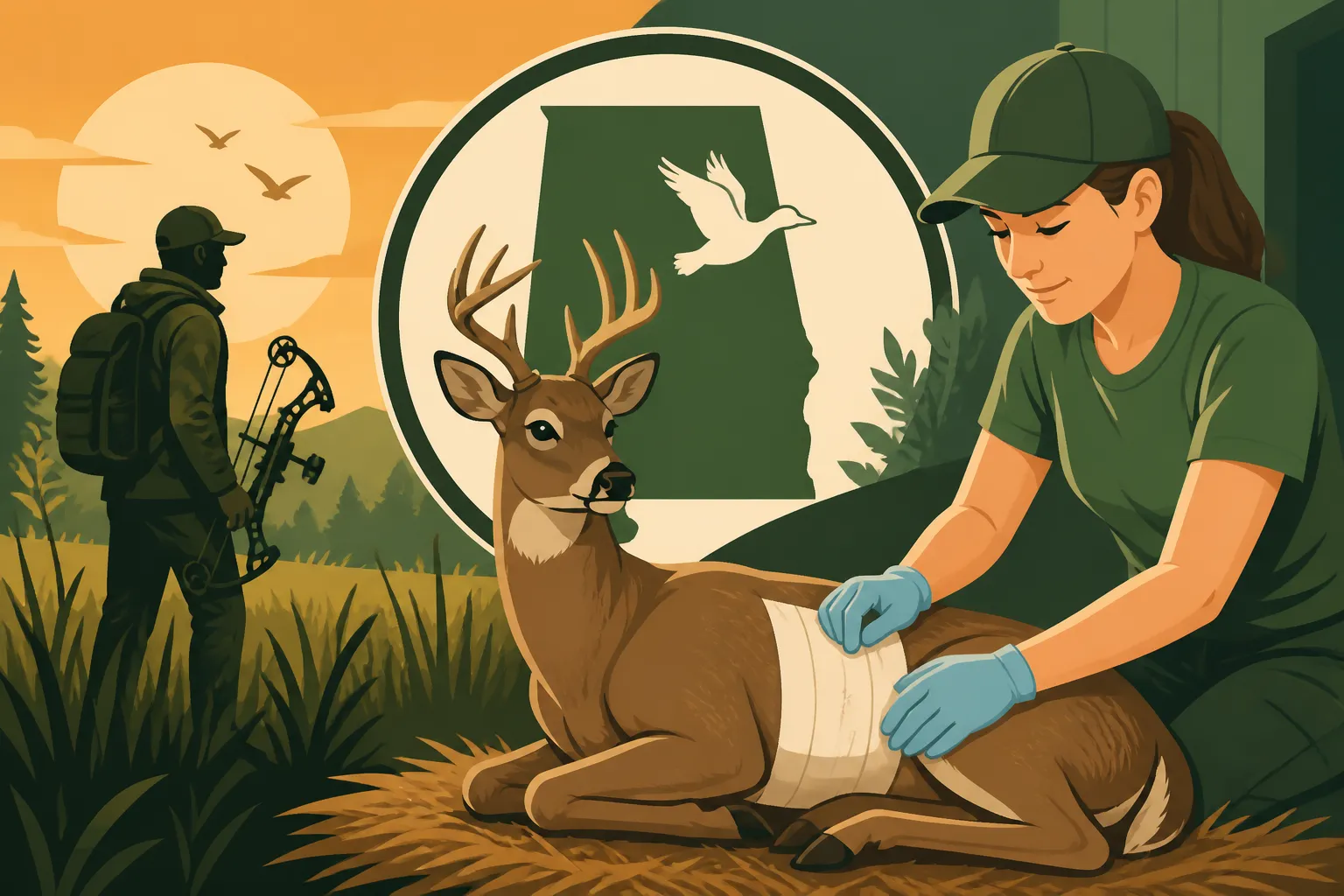
- Medical Treatment: Depending on the injury, this could involve medication, bandaging, or even working with a collaborating veterinarian for surgery on broken bones or severe wounds.
- Nutrition and Growth: Young animals require species-specific diets and frequent feedings, often around the clock. Rehabilitators meticulously track growth and development to ensure the animal is hitting natural milestones. Adult animals receive appropriate diets to regain strength.
- Conditioning: As the animal recovers, it needs to be conditioned for release. This might involve flight cages for birds to regain muscle strength and endurance, or large enclosures for mammals to practice natural behaviors like foraging and climbing. The goal is to minimize human interaction at this stage, preventing habituation to humans that would hinder their survival in the wild.
- Release: The ultimate goal is to release the animal back into its natural habitat, away from human activity, once it is strong, healthy, and capable of fending for itself. The release site is carefully chosen to offer appropriate food, water, and shelter, as close as possible to where the animal was found, unless that area is deemed unsafe. For instance, a deer might be released on a large tract of public land like Talladega National Forest Hunting, if that aligns with its original territory.
When Rehabilitation Isn't Possible
Unfortunately, not every animal can be saved. Sometimes, injuries are too severe, or the animal's condition is beyond recovery. In these heartbreaking cases, licensed rehabilitators, often in consultation with a veterinarian, may make the humane decision to euthanize the animal. This is done to prevent prolonged suffering when there is no reasonable hope for recovery or a return to a wild, self-sufficient life. It’s a difficult but necessary part of their work, ensuring that suffering is minimized. This is a far more humane option than allowing an animal to linger in pain or be killed by secondary factors.
| Action | Do | Don't |
|---|---|---|
| Observe & Assess | Observe from a safe distance; note species, location, injury type. | Rush in; make direct eye contact; assume a young animal is abandoned. |
| Contact Professionals | Call a licensed wildlife rehabilitator, ADCNR, or local animal control immediately. | Attempt to self-diagnose or treat the animal yourself. |
| Temporary Containment | Only if instructed by a professional, use a dark, quiet, ventilated box. | Offer food or water unless explicitly told to do so by a professional. |
| Handling | Wear thick gloves if advised to handle; handle as little as possible. | Handle with bare hands; allow children or pets near the animal. |
| Transport | Follow professional instructions for transport, ensuring safety and warmth. | Put the animal in a loud, bright, or unsecured vehicle. |
| Follow-up | Provide accurate information to rehabilitators; respect their advice. | Keep the animal yourself; attempt to make it a pet; release it prematurely. |
Preventing Wildlife Injuries and Supporting Rehabilitation Efforts
While we can't prevent every injury, there are many proactive steps we can take as Alabamians to reduce human-caused wildlife trauma and support the vital work of rehabilitation. These efforts benefit not just injured game but the overall health of Alabama's diverse ecosystems.
Simple Steps to Minimize Human-Wildlife Conflicts
Preventing injuries starts with understanding how our daily lives intersect with wildlife. Many injuries are preventable, often stemming from human activity.
- Drive Carefully, Especially at Dawn and Dusk: This is when many animals, particularly deer, are most active. Paying extra attention on rural roads, near wooded areas, and even in suburban neighborhoods can significantly reduce the risk of vehicle collisions. Slow down and scan the roadsides diligently, especially when you know When the Alabama Rut Peaks by Zone and deer movement is at its highest.
- Secure Your Trash and Pet Food: Easily accessible food sources, like unsecured garbage cans or outdoor pet food bowls, attract wildlife into residential areas, increasing their risk of injury from cars, domestic pets, or conflicts with humans. Using wildlife-proof trash cans and bringing pet food indoors at night are simple yet effective deterrents. This is particularly important with species like raccoons and opossums, and can even help avoid Alabama Coyote Attacks on Livestock by removing easy food sources.
- Keep Pets Contained: Roaming cats and dogs are a major threat to small mammals, birds, and young wildlife. Keeping your pets on a leash or within a fenced yard prevents them from preying on or injuring wild animals, many of which are under protection, even if not traditionally "game" species. For hunters, proper dog training for specific game like Running Dogs on Alabama Feral Hogs is essential to prevent harm to non-target species.
- Trim and Maintain Your Property: Clear away old fencing, discarded netting, or other debris that can entangle wildlife. Check your yard before mowing for nests or small animals. Being mindful of your property's impact on local wildlife can make a huge difference.
- Avoid Feeding Wildlife: While it might seem kind, feeding wild animals can lead to dependency, poor nutrition, overcrowding, and increased disease transmission. It also draws them into closer contact with humans, raising their risk of injury. This goes for casual feeding of squirrels in your yard just as much as setting up unauthorized bait sites for deer or hogs.
How You Can Support Alabama's Rehabilitators
Wildlife rehabilitators are often under-resourced and rely heavily on community support. If you're passionate about helping Alabama's wildlife, there are several ways you can contribute:
- Volunteer Your Time: Many rehabilitators need assistance with animal care, cleaning enclosures, transportation, fundraising, or administrative tasks. Even a few hours a week can make a huge difference. Contact local rehabilitators directly to see how you can help.
- Make Financial Donations: Rehabilitation costs are significant. Food, medicine, veterinary care, and enclosure maintenance add up quickly. Even small monetary contributions can help cover these essential expenses. Many rehabilitators operate as non-profits and rely on public generosity.
- Donate Supplies: Old towels, blankets, newspapers, paper towels, pet carriers, and even specific types of food (check with the rehabilitator first) are always in demand. Before donating, always check with the specific facility to see what they currently need.
- Spread Awareness: Educate your friends, family, and community about the importance of wildlife rehabilitation and the correct steps to take when finding an injured animal. Sharing information about licensed rehabilitators helps ensure that distressed animals get the professional care they need, rather than well-meaning but misguided interventions. Supporting the work of groups like the Alabama Wildlife Federation or specific rehabilitation centers listed on resources like GoHunt (if they feature such information) helps amplify their message and reach. Learning about Alabama Hunter Education Requirements can also deepen your understanding of responsible wildlife interaction.
By being mindful of our actions and supporting these dedicated individuals, we can all play a part in giving Alabama's injured wildlife a fighting chance to return to the wild.
Disclaimer
This article is for general informational purposes only and does not constitute professional advice. Laws, prices and regulations vary by location and change over time. Consult a qualified professional for guidance on your specific situation.