Bears Moving Into North Alabama Suburbs
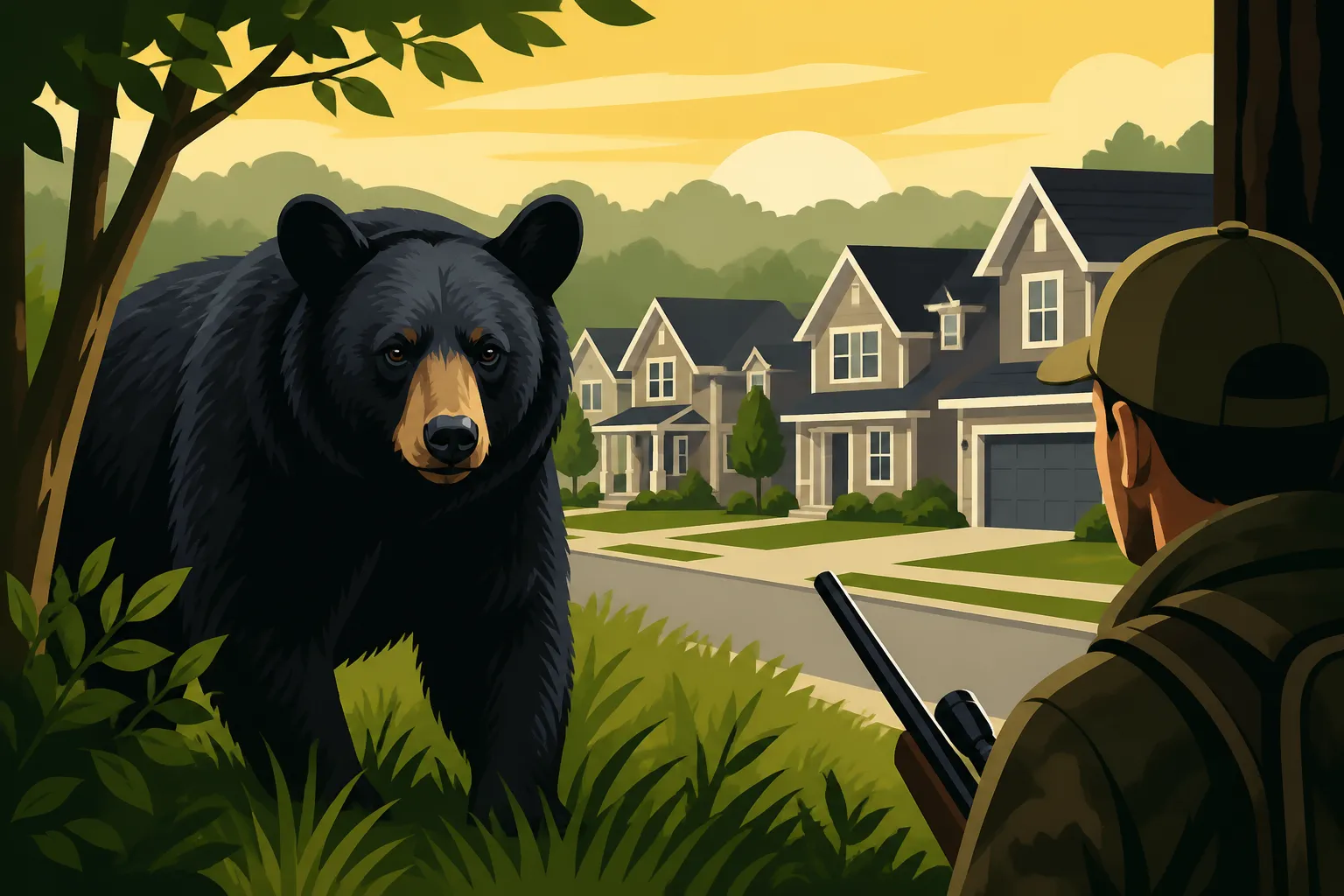
It can be incredibly jarring, even a little unsettling, to step out your door in North Alabama and spot a black bear rummaging through a garbage can or sauntering across a suburban lawn. For many years, the idea of seeing a bear outside of deep wilderness areas like the Mobile-Tensaw Delta or the far reaches of the Little River Canyon seemed like a distant memory, a story from generations past. But times are changing, and as Alabama's black bear population makes a remarkable comeback, these majestic creatures are increasingly finding their way into our neighborhoods, creating a unique challenge for residents. This guide will help you understand why bears are moving into North Alabama suburbs, what this means for both humans and wildlife, and practical steps you can take to foster coexistence.
The Resurgence of Alabama's Black Bear Population
For much of the 20th century, black bears in Alabama were, for all intents and purposes, a ghost. Habitat loss, unregulated hunting, and human encroachment pushed their numbers to critically low levels, confined to a few isolated pockets. It felt like a species on the brink, almost entirely extirpated from vast swathes of the state where they once thrived. The notion of a bear ambling through a backyard in Madison or a cul-de-sac in Cullman would have been laughable just a few decades ago.
However, thanks to dedicated conservation efforts, changes in land use, and a remarkable natural resilience, Alabama's black bear population is experiencing a slow but steady resurgence. It's a testament to the power of protection and the ability of wildlife to reclaim lost ground when given a chance. This comeback story is exciting for wildlife enthusiasts, but it also brings new responsibilities and learning curves for Alabamians who now find themselves sharing space with these impressive animals.
Where Alabama Bears Are Recovering
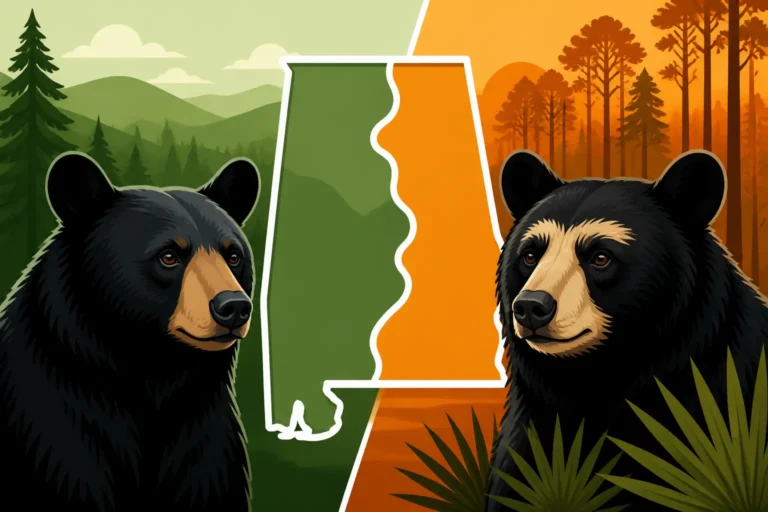
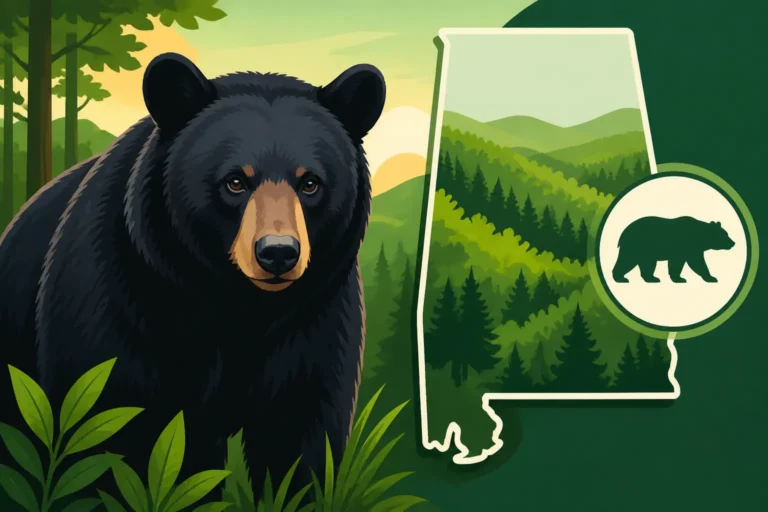
Alabama's black bears have essentially two main strongholds that have fueled their comeback. Down in the southern part of the state, the Mobile River Basin is home to a robust and expanding population. This vast network of swamps, bottomlands, and riverine forests provides ideal habitat for bears, offering plenty of cover and food sources. They've been slowly pushing north and east from this area for years, establishing new territories as their numbers increase.
Up in the northeast, along the Georgia border, the rugged terrain around the Little River Canyon also supports a smaller, but significant, population. These bears tend to be more connected to the populations in neighboring states, moving across state lines as they disperse. As these two primary populations grow and expand their ranges, the likelihood of transient bears appearing in the areas between them, especially in the central and northern counties, naturally increases. You can learn more about these specific populations by looking into The Mobile River Basin Bear Population and The Little River Canyon Bear Population. The overall trend points to Where Alabama Black Bears Are Recovering.
Why Alabama Bears Stay Fully Protected
Despite the increasing sightings and the occasional news story about a bear in an unexpected place, it's absolutely crucial to remember that black bears in Alabama are a fully protected species. This isn't like deer, turkey, or even feral hogs, where there are established hunting seasons and bag limits. There is no legal bear hunting season in Alabama, and harming or killing a black bear is a serious wildlife violation with significant penalties.
The reason for this strict protection lies in the history of their decline and the ongoing fragility of their recovery. Black bears reproduce slowly, with sows typically having cubs every two years or so. Their populations simply can't sustain hunting pressure at this stage of their comeback. The state's wildlife agencies are committed to allowing these populations to grow and establish themselves naturally across more of their historic range. So, while seeing one might make you jump, know that they are still a species of special concern, and that's Why Alabama Protects Black Bears Statewide. Ignorance of the law is no excuse; there are steep Penalties for Shooting an Alabama Black Bear. For a broader context, it’s helpful to know which Game You Cannot Hunt in Alabama.
Why Bears Are Venturing into Suburban Areas
The question on many North Alabama residents' minds when they see a bear isn't "why are bears recovering?" but "why is it in my backyard?" It's a valid concern, and there are several interconnected reasons why these wild animals are increasingly appearing in our human-dominated landscapes. It's not usually because they're looking for trouble; more often, they're simply following their instincts or reacting to changes in their environment.
Understanding these underlying factors is the first step towards preventing conflicts and promoting peaceful coexistence. It helps shift our perspective from fear to understanding, enabling us to take proactive measures that benefit both our communities and the bears.
Expanding Territories and Natural Curiosity
As Alabama's black bear population recovers, and especially as young bears reach maturity, they have a natural drive to disperse and find new territories. Think of it like a crowded neighborhood: as more families move in, some of the younger folks might decide to strike out on their own to find a new place to settle down. For bears, this often means venturing into unfamiliar areas, sometimes quite far from established bear country. These are often young males, nicknamed "explorers," who are trying to avoid dominant older bears.
These dispersing bears don't recognize our invisible lines for city limits or private property. They follow natural corridors—creek bottoms, wooded ravines, undeveloped lots—and sometimes, those corridors lead straight through a subdivision. Their natural curiosity, combined with an innate need to find food and shelter, can bring them right to our doorsteps. It's a natural part of wildlife expansion, and we're simply seeing the result of a healthy, growing population that now numbers How Many Black Bears Alabama Has.
The Allure of Easy Food Sources
Let's be honest: our suburban environments can be a buffet for a hungry bear. Bears are incredibly smart and driven by their stomachs. If they expend a lot of energy foraging in the woods for berries, nuts, and grubs, only to stumble upon a readily available, high-calorie meal in a residential area, they're going to take it. And once they find an easy food source, they'll remember it and likely return. This is perhaps the single biggest reason bears are showing up in our towns.
Unsecured garbage cans are prime targets, especially on collection day. Pet food left outside, even for short periods, is a huge draw. Bird feeders, with their high-fat seeds, are like candy to a bear. Unpicked fruit from backyard trees, neglected vegetable gardens, and even dirty barbecue grills with lingering food residue can all act as irresistible invitations. Bears aren't looking to break into your house; they're simply looking for the easiest meal available, and unfortunately, we often unintentionally provide it for them. This issue of food conditioning is a major focus for agencies like Outdoor Alabama, which also manages our Alabama Wildlife Management Areas where bears are more typically found.
Habitat Fragmentation and Development
North Alabama is a growing region, and with that growth comes increasing development. New subdivisions, shopping centers, and infrastructure are constantly expanding, often pushing into what was once forested land or natural wildlife corridors. This process, known as habitat fragmentation, breaks up large tracts of wild land into smaller, disconnected pieces. Bears, like many other wildlife species, rely on these connected habitats to move, forage, and breed.
When their traditional pathways and feeding grounds are disrupted, bears are forced to adapt. They might find themselves navigating through human-developed areas simply because it's the most direct route between remaining patches of woods. What we see as a suburban landscape, they might see as a series of small, inconvenient obstacles between two good feeding areas. It’s a clear example of how human expansion directly impacts wildlife behavior and distribution, and why we’re seeing Alabama's Recovering Black Bear Population adjust to our changing landscape. Even areas like Alabama State Park Hunting Rules have to consider wildlife movement through developed areas.
What to Do (And Not Do) When You See a Bear
Encountering a bear, especially close to home, can be a heart-pounding experience. Your immediate reaction might be fear or panic, but knowing how to react can keep both you and the bear safe. Most encounters are harmless if you understand bear behavior and act appropriately. The key is to avoid escalating the situation and to prevent future encounters through responsible practices.
It's not just about reacting in the moment; it's about being prepared and creating an environment where bears don't feel welcome to linger. Our actions, both during an encounter and in our daily habits, directly influence how these animals behave in our communities.
Staying Safe During an Encounter
If you suddenly find yourself face-to-face with a black bear in your yard or neighborhood, the most critical thing to do is remain calm. Panicking can lead to poor decisions. Here's a breakdown of what to do:
- Don't Run: Running can trigger a chase instinct in a bear, just like it would with a dog.
- Stand Your Ground and Make Noise: Make yourself appear as large as possible. Wave your arms, stomp your feet, and yell loudly. The goal is to make the bear realize you are human and not a potential food source or a threat it can easily intimidate.
- Back Away Slowly: Give the bear an escape route. Move slowly backward, always facing the bear, until you can get to a safe place like your home or car.
- Never Approach: Do not try to approach the bear for a closer look or a photo. This is especially true if cubs are present. A sow bear protecting her young can be very dangerous.
- If Attacked: Black bear attacks are exceedingly rare, but if a bear does make contact, fight back aggressively. Focus on its face and eyes.
Knowing these steps can make all the difference. For more detailed guidance, always refer to advice from wildlife professionals, such as the information found in What to Do If You See an Alabama Black Bear.
Securing Your Property to Avoid Attractants
The best encounter is the one that never happens. By taking proactive steps to remove potential food attractants, you can significantly reduce the likelihood of a bear visiting your property and becoming a nuisance. This isn't just about protecting your yard; it's about helping the bears stay wild and safe from human conflict.
Here’s a checklist for securing your property:
- Garbage: This is number one. Use bear-resistant garbage cans if available, or store garbage inside a garage or shed until the morning of collection day. Don't leave trash bags outside overnight. If you use a brand like GoHunt for your outdoor gear, you know the importance of securing things—apply that same mindset to your trash.
- Pet Food: Feed pets indoors. If you must feed outside, bring in any uneaten food immediately after your pet finishes. Do not leave bowls of pet food out overnight.
- Bird Feeders: During bear activity periods (typically spring through fall), consider taking down bird feeders. If you leave them up, make sure they are hung from a sturdy wire at least 10 feet off the ground and 5 feet away from any tree trunk or structure a bear could climb.
- Grills: Clean your outdoor grill thoroughly after every use. Burn off any food residue and clean the grease trap. Store grills in a secure area if possible.
- Fruit Trees/Gardens: Pick ripe fruit and vegetables promptly. Clean up any fallen fruit from under trees immediately.
- Compost Piles: If you have a compost pile, ensure it's not attracting bears. Avoid composting meat, dairy, or strong-smelling foods. Use a bear-resistant compost bin or enclosure.
- Beehives/Chicken Coops: If you have these, they are strong attractants. Consider electric fencing as a deterrent.
Consistency is key. If a bear repeatedly finds no food on your property, it will eventually move on to seek more rewarding foraging grounds.
Reporting Bear Sightings to Wildlife Authorities
It's natural to want to share your bear sighting with friends and neighbors, but it's equally important to report certain encounters to the appropriate authorities. The Alabama Wildlife and Freshwater Fisheries Division tracks bear movements and behavior, and your reports contribute valuable data to their conservation and management efforts.
- When to Report: Report any bear sighting that is unusual, problematic, or recurring. This includes bears that show no fear of humans, repeatedly visit residential areas, or cause property damage. If a bear appears injured or sick, it's also critical to report it immediately.
- How to Report: Do not call 911 unless there is an immediate threat to human life or significant property damage is occurring. For non-emergency sightings or concerns, contact your local Alabama Wildlife and Freshwater Fisheries Division district office. Their contact information can typically be found on the Outdoor Alabama website. Provide as much detail as possible: date, time, location, bear's size, its behavior, and what attracted it. While the specific link Reporting a Sick Animal in Alabama refers to sick animals, it underscores the importance of contacting wildlife officials for any unusual wildlife encounter.
Your cooperation in reporting helps wildlife biologists understand how bears are adapting to human environments and allows them to intervene if a bear becomes a safety risk to itself or the community.
Understanding Bear Behavior in Human-Dominated Landscapes
When bears start showing up in suburban areas, it's easy to paint them all with the same brush of "problem animal." However, it's crucial for us, as stewards of the environment and residents of a state seeing its wildlife thrive, to understand the nuances of bear behavior. Not every bear sighting signals a crisis, and our response can significantly influence how these interactions unfold in the long term.
Learning to differentiate between a curious transient bear and one that has become too comfortable around humans is vital. This understanding informs our preventative measures and helps us respond appropriately when we do encounter a bear, ultimately aiming for peaceful coexistence rather than constant conflict.
Not All Bears Are Problem Bears
It’s tempting to immediately view any bear in a residential area as a threat or a nuisance. However, this isn't always the case. Many of the bears that venture into North Alabama suburbs are simply young, dispersing individuals trying to find their own territory. They might be passing through, using wooded corridors that happen to run near or even through developed areas. These bears are often wary of humans and will quickly move on if they don't find easy food.
The real "problem bears" are those that have become habituated to human presence and food sources. These are the bears that repeatedly raid garbage cans, approach homes, or show little fear when people are nearby. They've learned that humans mean food, and that's a dangerous lesson for both the bear and the community. Distinguishing between a transient, curious bear and a habituated one is important for how wildlife agencies manage these situations. If you're using an app like GoHunt to scout hunting locations, imagine how important it is to differentiate deer sign from hog sign—it's the same principle here, but with safety implications.
The Dangers of Habituation and Food Conditioning
The most significant danger to both bears and humans when bears move into suburban areas is the risk of habituation and food conditioning. Habituation occurs when a bear loses its natural fear of humans due to repeated, non-threatening exposure. Food conditioning happens when a bear learns to associate humans or human dwellings with readily available food.
Once a bear becomes habituated and food-conditioned, it's a very difficult problem to solve. These bears become bolder, more persistent in their search for food, and can pose a genuine safety risk to people. Tragically, bears that become too comfortable around humans and are deemed a threat often have to be euthanized by wildlife authorities for public safety. This is why securing food attractants isn't just about protecting your property; it's a critical act of conservation that helps keep bears wild and alive. Feeding a bear, even accidentally, is often a death sentence for the animal.
Coexisting with Wildlife in a Changing Landscape
As our human population grows and expands, and as wildlife populations like the black bear continue their impressive recovery, we are increasingly faced with the challenge and opportunity of coexistence. It means recognizing that we share the landscape with diverse species, and sometimes, those species will venture into our spaces. Peaceful coexistence isn't about eliminating wildlife from our areas; it's about managing our own behavior and environment to minimize conflict.
This often involves a shift in mindset, embracing preventative measures as part of routine household management, and educating our neighbors about responsible practices. It’s a shared responsibility that fosters respect for wildlife while ensuring the safety of our communities. Organizations involved in Alabama Wildlife Disease Monitoring also play a role in ensuring a healthy overall population that can thrive in a shared environment. By working together and understanding the "why" behind these bear sightings, we can create a future where both Alabamians and black bears can thrive.
| Common Bear Attractants | Homeowner Solution | Why It Works |
|---|---|---|
| Unsecured Garbage Cans | Bear-resistant cans or storage in garage until morning | Eliminates easy, high-calorie food source, discourages return |
| Pet Food Left Outdoors | Feed pets indoors; remove bowls immediately | Prevents bears from associating homes with accessible meals |
| Bird Feeders | Remove during bear season or hang securely 10ft high | Stops bears from getting calorie-rich seeds and becoming reliant |
| Dirty BBQ Grills | Clean thoroughly after use, burn off residue | Eliminates lingering food smells that attract bears from afar |
| Unpicked Fruit/Fallen Fruit | Harvest ripe fruit promptly; clear fallen fruit daily | Removes natural, sugary treats that bears actively seek |
| Unmanaged Compost Piles | Use bear-resistant composter; avoid meat/dairy | Reduces strong food odors and removes accessible food waste |
Disclaimer
This article is for general informational purposes only and does not constitute professional advice. Laws, prices and regulations vary by location and change over time. Consult a qualified professional for guidance on your specific situation.