Moving a Deer Carcass Out of the CMZ
It's incredibly frustrating when you finally harvest that hard-earned deer, only to realize that navigating the rules about moving its carcass can feel more complicated than the hunt itself, especially with Chronic Wasting Disease (CWD) now a reality in Alabama. The worry about doing something wrong, or inadvertently contributing to the spread of this devastating disease, is a heavy burden for any responsible hunter. This guide is here to untangle the specifics of moving a deer carcass out of Alabama's CWD Management Zone (CMZ), helping you understand the regulations, what you can and cannot do, and how to stay compliant while still enjoying the fruits of your labor.
Understanding Alabama's CWD Management Zone
Before we dive into the nitty-gritty of carcass movement, let's make sure we're all on the same page about what CWD is and why these zones exist. Chronic Wasting Disease is a nasty, fatal neurological disease that affects deer, elk, and moose. It's caused by abnormal proteins called prions, which can persist in the environment for years, making it incredibly difficult to eradicate once it's present. The disease is always fatal to the animal, and while there's no known case of CWD jumping to humans, health agencies recommend against consuming meat from CWD-positive animals.
The Alabama Department of Conservation and Natural Resources (ADCNR) established a CWD Management Zone (CMZ) after the first positive cases were detected in the state in early 2022. The primary goal of this zone is to monitor the disease, understand its prevalence, and, most importantly, prevent its spread to other parts of Alabama. The state isn't taking this lightly, and neither should we as hunters. These rules, though sometimes inconvenient, are vital for the long-term health of our deer herd and our hunting heritage.
Defining the CMZ Counties and High-Risk Zone
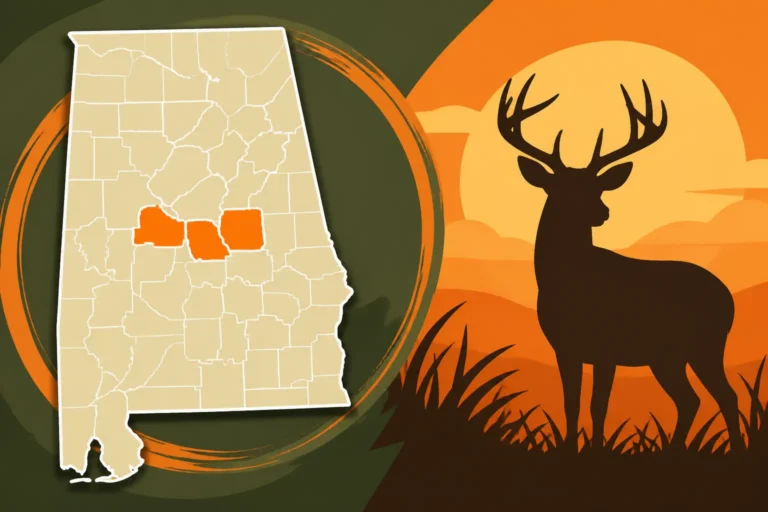
When the ADCNR designates a CWD Management Zone, it's not just a random line on a map; it's a strategic effort to contain the disease where it's known to exist. Currently, the CMZ primarily encompasses counties in northwest Alabama where positive cases have been confirmed. It’s important to know if you're hunting in or around this area. For instance, counties like Lauderdale, Colbert, and Franklin have been central to Alabama's CWD concerns. It’s worth checking the most up-to-date maps from the ADCNR or using a mapping application like GoHunt to pinpoint exact boundaries. Knowing Which Counties Sit in Alabama's CWD Zone is your first step.
Within the broader CMZ, there's also a smaller, more restrictive area known as the High-Risk Zone (HRZ). This is where CWD positive cases have been most concentrated, and consequently, where certain regulations, such as mandatory testing weekends, are more stringent. Understanding The High-Risk Zone Inside the CMZ is crucial because it might impact your processing decisions even more directly. Hunting in the HRZ means you're really on the front lines, and your actions have an even greater impact on disease prevention.
Why Carcass Movement Restrictions Are Essential
You might wonder, "Why can't I just take my deer home, even if it's a few counties away?" The answer lies in the persistence and transmission of CWD prions. These prions are concentrated in certain tissues of an infected deer, including the brain, spinal cord, lymph nodes, and spleen. If an infected carcass, or parts of it, are moved out of the CMZ and disposed of improperly (e.g., leaving a gut pile in a new county), those prions can contaminate the soil and environment in that new area. Once in the soil, they can be picked up by other deer, leading to new infection clusters.
It's a stark reminder that our actions as hunters have consequences beyond our individual freezer. The restrictions aren't meant to punish hunters; they're a proactive measure to protect the state's deer population from further spread of a disease that could decimate herds and fundamentally change hunting as we know it in Alabama. While these rules can sometimes feel like a hassle, especially after a successful hunt, they are absolutely paramount to the health of our wildlife.
Alabama's Carcass Movement Restrictions Explained
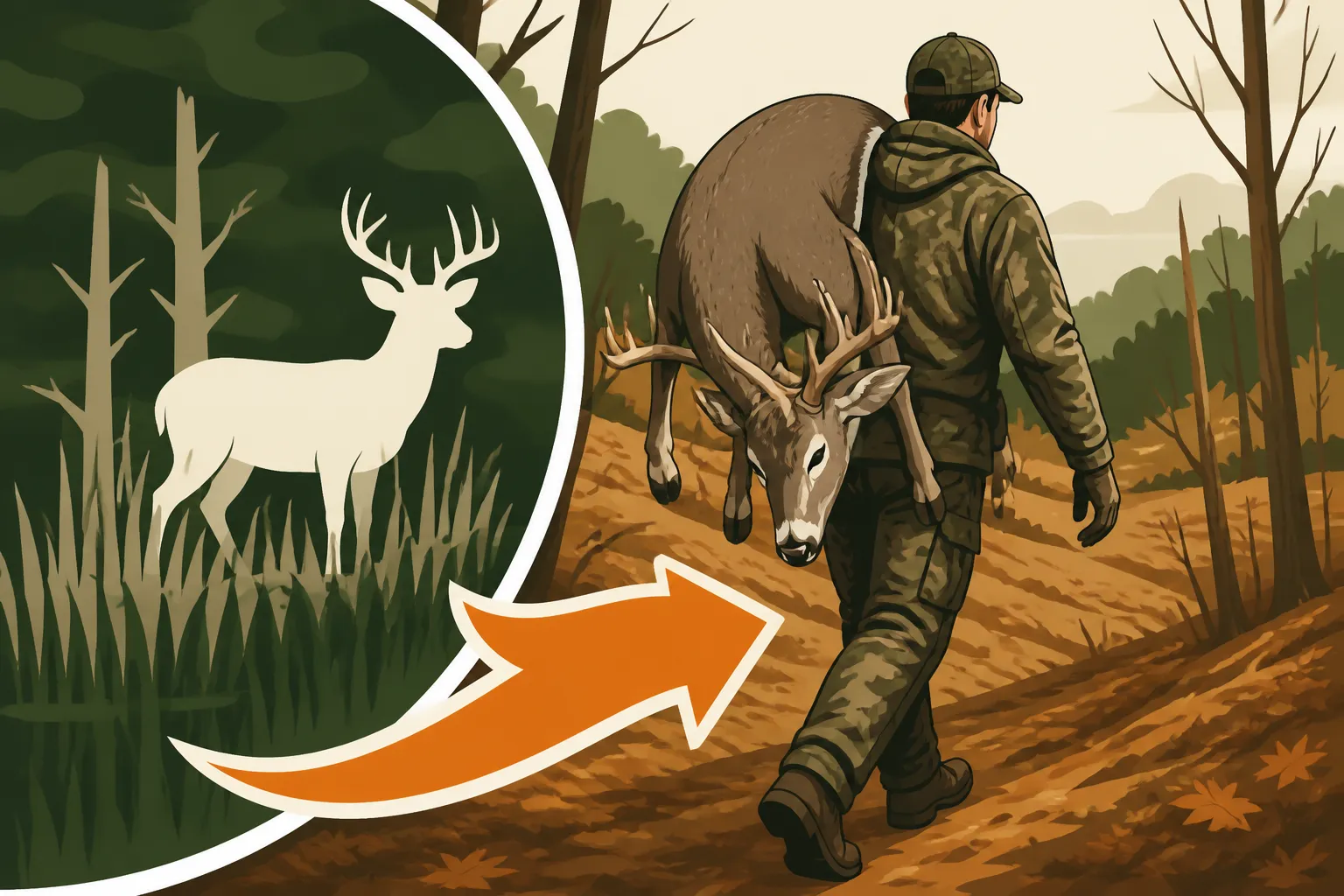
So, you've taken a deer within the CWD Management Zone. Now what? The rules for moving that deer out of the CMZ are very specific, designed to prevent the physical transportation of those high-risk tissues that harbor CWD prions. It essentially boils down to leaving the risky parts behind.
What Parts Can Be Moved Out of the CMZ
The good news is that you can still take your venison home, even if home is outside the CMZ. The key is proper processing to remove the high-risk parts. Here’s what’s generally allowed:
- Deboned Meat: This is your primary takeaway. All muscle tissue that has been completely separated from the bone. This means no bone fragments, no spinal column, no brain matter. Just pure venison.
- Clean Skull Plate with Antlers: If you want to keep those antlers for a European mount or taxidermy, you can, but the skull plate must be completely free of all brain tissue, hide, and other organic material. It needs to be bleached or thoroughly cleaned.
- Clean Antlers: If the antlers are completely detached from the skull, with no skull bone attached, they are safe to move.
- Hides/Capes: A hide or cape (for shoulder mounts) is permissible, but it must be completely free of skull, brain, and spinal column material. Essentially, it needs to be "clean" in a biological sense.
- Clean Teeth: Individual teeth, free of any tissue, are also allowed.
Think of it this way: if it’s pure muscle, or if it’s bone/antler that has been thoroughly cleaned and dried, it’s generally okay. Any part that could potentially carry prions needs to stay within the CMZ. This means you need to be prepared to do some field processing or take your deer to a processor within the zone.
What Parts Cannot Be Moved Out of the CMZ
This is where many hunters can accidentally run afoul of the regulations, often due to a lack of awareness rather than malice. To put it simply, you cannot move the following out of the CWD Management Zone:
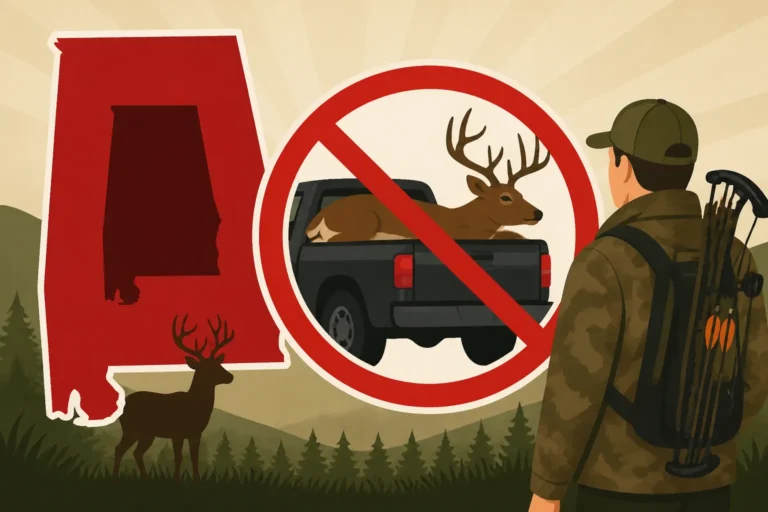
- Whole Carcass: You cannot simply load an entire deer, field-dressed or not, and drive it across the CMZ boundary.
- Any Part of the Spinal Column: This includes the backbone, tailbone, and any bone with spinal cord material.
- Brain Material: No skulls with brain tissue still present.
- Lymph Nodes and Spleen: These are high-risk tissues and must remain in the CMZ.
- Internal Organs (except for deboned meat): The heart and liver are generally fine, as long as they are separated and cleaned. However, the gut pile, which contains many high-risk tissues, must be disposed of within the CMZ.
The core principle here is to contain potential prion sources within the area where the disease is known to exist. If you hunt in the CMZ, plan on leaving a significant portion of the deer’s body behind, or having it processed by someone who can legally dispose of those parts within the zone. This might involve more work than you're used to, but it's a necessary step.
Taxidermy and Processing Within the CMZ
If you harvest a trophy buck in the CMZ and want a full shoulder mount, you absolutely can! However, the taxidermy work and initial processing must occur within the CWD Management Zone. You’ll need to find a licensed taxidermist or processor who operates within the CMZ. They are equipped to handle and dispose of the high-risk carcass parts (like the skull and brain material) in a way that prevents the spread of CWD.
Once the taxidermist has properly caped out the deer and thoroughly cleaned the skull plate (or removed it entirely for a shoulder mount), they can return the prepared hide and cleaned skull/antlers to you. At that point, those cleaned, low-risk parts can be legally transported out of the CMZ. The same goes for meat processing. Take your field-dressed deer to a processor within the CMZ, and they will debone it and dispose of the waste properly. Then, you can legally transport your packaged, deboned venison home. This approach ensures all high-risk materials stay put.
Practical Steps for Hunters in the CMZ
Knowing the rules is one thing; putting them into practice is another. It requires a bit of planning and perhaps a change in your usual hunting routine. But with a little forethought, it’s perfectly manageable.
Field Dressing Considerations in the CMZ
When you harvest a deer in the CMZ, your field dressing process needs to be mindful of the regulations. Ideally, you should field dress your deer at the kill site or as close to it as possible within the CMZ. This ensures that the gut pile, which contains many high-risk tissues, remains in the area where the deer was taken.
Don't just drag a whole deer miles out of the CMZ and gut it on the roadside if that roadside is outside the zone. That's a direct violation of the intent of the regulations. If you're hunting on public land like Freedom Hills CWD Zone Public Ground or Colbert County CWD Zone Public Ground, make sure you leave all internal organs right where you field-dressed the animal. It might feel different, but it's an important part of doing your part.
Processing Options and Transporting Allowable Parts
After field dressing, you have a couple of primary options for handling the carcass:
- Home Processing (within the CMZ): If you live within the CMZ, or have access to a facility within the zone, you can process the deer yourself. You'll need to completely debone the meat and properly dispose of all high-risk materials (head, spinal column, etc.) by burying them deeply or taking them to a designated waste facility within the CMZ. Only the deboned meat, cleaned skull plates, or detached antlers can then leave the zone. This requires a solid understanding of butchering and careful waste management.
- Commercial Processors (within the CMZ): This is often the easiest and safest route for many hunters. Find a licensed deer processor located within the CWD Management Zone. Take your field-dressed deer to them. They are familiar with the regulations and have the means to properly dispose of the high-risk carcass parts according to ADCNR guidelines. Once processed, you can pick up your deboned and packaged venison, and it will be legal to transport out of the CMZ. It’s a bit of an added cost, but it provides peace of mind and ensures compliance.
When transporting allowable parts, make sure they are clearly identifiable. Packaged, deboned meat should be labeled. Cleaned skull plates or antlers should be free of any clinging tissue. If you're stopped by a game warden, clear evidence of compliance will make the interaction much smoother.
| Carcass Part | Can be Moved Out of CMZ? | Notes |
|---|---|---|
| Whole Carcass | NO | Must be processed within the CMZ. |
| Deboned Meat | YES | Must be completely separated from bone, free of brain or spinal tissue. |
| Clean Skull Plate | YES | Completely free of all brain tissue, hide, and other organic material. |
| Antlers (Detached) | YES | No skull bone attached. |
| Hide/Cape | YES | Must be free of skull, brain, and spinal column material. |
| Spinal Column | NO | Must remain within the CMZ. |
| Brain Material | NO | Must remain within the CMZ. |
| Lymph Nodes/Spleen | NO | High-risk tissues, must remain within the CMZ. |
| Heart/Liver | YES | Must be clean and separated from other organs; considered muscle tissue. |
Utilizing Resources like Outdoor Alabama and Mapping Tools
Staying informed is your best defense against accidental violations. The ADCNR's Outdoor Alabama website is the official source for all current CWD regulations, zone maps, and updates. Before you head out, especially if you're hunting near the CMZ, always check their latest information. They also have resources like Scouting With the Outdoor Alabama App, which can show you public land boundaries and, crucially, the CMZ lines.
In addition to official state resources, powerful mapping apps like GoHunt can be invaluable. These tools often have layers that show CWD zones, property boundaries, and public land access, making it incredibly easy to visualize where you are relative to these critical management lines. Having this information at your fingertips can help you make informed decisions about where to field dress and where to seek processing services.
Remember that Mandatory CWD Testing Weekends might be in effect in specific areas, especially in the HRZ. These are important for monitoring the disease, and compliance is essential. After your harvest, knowing How Long Alabama CWD Results Take can influence your decisions about when and how to consume or store your venison, especially if you're concerned about Handling Venison From the CWD Management Zone. You can find information on Finding an Alabama CWD Sampling Station through Outdoor Alabama as well.
The Importance of Compliance and Future Outlook
It's easy to get caught up in the specifics of rules and regulations, but at the heart of all these CWD management efforts is a critical goal: safeguarding Alabama's deer herd for future generations. Non-compliance, even if unintentional, directly undermines these efforts and puts the entire state's deer population at risk.
Why Following Rules is Crucial
Every hunter has a role to play in preventing the spread of CWD. When you follow the carcass movement restrictions, you are actively participating in a statewide conservation effort. You're helping to ensure that the prions, if present in your harvested deer, don't get a "free ride" to a new, unaffected area. Think of it as a shared responsibility. If CWD spreads unchecked, it could lead to significant reductions in deer populations, more restrictive hunting seasons, and a diminished hunting experience for everyone.
The ADCNR isn't just making these rules up for fun; they're based on scientific research and best practices from other states that have been dealing with CWD for far longer. Your cooperation is not just about avoiding a ticket; it's about being a responsible steward of the wildlife we cherish.
Impact on the Deer Herd and Potential Changes
The long-term impact of CWD on Alabama's deer herd is still unfolding, but if left unmanaged, it has the potential to be devastating. High infection rates can lead to population declines, altered social structures, and reduced trophy quality over time. That's why the regulations, including carcass movement restrictions, are so important now.
As biologists learn more about CWD and its spread in Alabama, these regulations may evolve. It's not uncommon for states to adjust CMZ boundaries, implement new testing requirements, or modify carcass transport rules as new data emerges. This is why staying current with official ADCNR announcements is so vital. What's true today might be slightly different next season. The ADCNR is constantly monitoring the situation, and measures like Alabama's Chronic Wasting Disease Management Zone are dynamic, not static.
Community Responsibility and Vigilance
Ultimately, protecting Alabama's deer herd from CWD is a community effort. It involves not just hunters, but landowners, processors, taxidermists, and anyone who interacts with wild deer. Educating yourself and your hunting buddies about these rules, gently reminding others, and reporting any suspicious activity or carcasses are all part of that responsibility.
By being vigilant and adhering to these guidelines, we can collectively work to contain CWD, protect our valuable deer resource, and ensure that the traditions of deer hunting can continue to thrive in the beautiful state of Alabama. It’s a challenge, no doubt, but one that Alabama hunters are more than capable of rising to.
Disclaimer
Please remember that hunting regulations can change. Always consult the latest official Alabama Department of Conservation and Natural Resources (ADCNR) regulations and advisories before hunting. This guide is for informational purposes only and should not be considered legal advice.