Alabama Deer Season Structure Explained
For anyone new to hunting Alabama, or even seasoned folks coming in from out of state, the deer season regulations can feel like trying to untangle a giant ball of fishing line. It’s not just a simple "open season" here; we've got zones, varying dates, specific weapon periods, and nuanced bag limits that can make your head spin. This guide is here to cut through all that confusion, breaking down Alabama's deer season structure so you can plan your hunts with confidence and truly enjoy the experience.
Understanding Alabama's Deer Season Complexity
Alabama's approach to deer season is designed to manage a diverse whitetail population across varied habitats, from the rich farmlands of the Black Belt to the rugged mountains of the north. This means a one-size-fits-all season simply wouldn't work, leading to a system that, while effective, can be a real puzzle for hunters trying to understand all the moving parts. It’s not like some other states where you might have one simple statewide opener and closer. Here, the landscape and deer biology dictate a much more intricate calendar.
Why Alabama's System is Unique
Unlike states with more homogenous landscapes or smaller deer populations, Alabama is a land of ecological contrasts. We have regions where deer density is incredibly high and herd health benefits from a longer, more liberal season, particularly for antlerless deer. Then you have areas with different rut timings, or where population numbers require a more conservative approach. This biological diversity means the Alabama Department of Conservation and Natural Resources (ADCNR) has tailored seasons to specific regions, dividing the state into distinct zones. This ensures sustainable harvest while providing ample opportunity for hunters. It's about being responsive to what the land and the deer herd tell us, rather than imposing a blanket rule that might harm one area while underserving another.
The Importance of Zones and Dates
The zones and their specific dates are not just bureaucratic hurdles; they are critical components of sound wildlife management. Ignoring them can lead to wasted hunting trips, or worse, unintentional violations. Each zone has been meticulously mapped out based on biological data, local deer populations, and habitat types. For example, some zones might open earlier to account for an earlier rut, allowing hunters to target bucks during their most active period, while others might extend later into the winter. Understanding these differences is paramount. It dictates when you can hunt, what weapon you can use, and how many deer you can take. You can't just pick a random date and expect it to be legal everywhere. You absolutely have to know which zone your hunting property or WMA falls into. This is where tools like the Outdoor Alabama app or a good mapping service, like those offered by GoHunt, become indispensable, allowing you to visually verify your location within the correct zone.
The Foundation: Statewide Seasons and General Rules
While the zones introduce variability, there's a common thread that runs through Alabama's deer season: the three main weapon types and their respective, generally recognized season frameworks. These are the bedrock upon which the zone-specific dates are built. Whether you're a traditional archer, a muzzleloader enthusiast, or a modern firearm hunter, Alabama provides specific periods for each.
Archery Season: Long and Liberal
Alabama boasts one of the most generous archery seasons in the nation, often starting in mid-October and extending all the way into February, depending on the zone. This long window is a huge draw for bowhunters, offering plenty of time to pursue deer during different phases of the rut and varying weather conditions. The beauty of this extended season is the flexibility it provides. Early season can be great for patterning deer around food sources before significant hunting pressure sets in, while the peak rut offers intense action, and the late season often presents opportunities around winter food plots when other forage is scarce. This isn't just a token period; it's a significant portion of the overall deer season, allowing archers to truly immerse themselves. It's a fantastic chance to experience the woods when it's still relatively warm, and then again when the crisp air of winter has settled in. Many hunters find the early archery season a perfect time for When Alabama's Archery Season Opens, allowing them to shake off the dust and hone their skills before the crowds arrive.
Muzzleloader and Air Rifle Season: A Strategic Window
Often sandwiched between the archery and gun seasons, or running concurrently with portions of both, the muzzleloader and air rifle season offers a distinct opportunity for hunters. This period typically kicks off in early to mid-November, providing a chance to use powerful single-shot firearms before the full-scale modern gun season begins. For those who appreciate the challenge and tradition of muzzleloading, it's a prime time to be in the woods. The deer have usually settled into their fall patterns, and the rut might just be starting to heat up in some areas. It's a bridge between the quiet intensity of archery and the more widespread activity of gun season. Air rifles, a more recent addition to the legal firearms list for deer, provide another unique option for hunters during this window, combining accuracy with a lower recoil profile. You can learn more about the specifics of this period in our detailed guide on Alabama Muzzleloader and Air Rifle Season.
Gun Season: The Primary Harvest Period
For most hunters, the "gun season" is what they think of when they talk about deer hunting in Alabama. This is typically the longest and most popular season for harvesting deer, usually kicking off in mid-November in many zones and running through mid-February. During this time, hunters can use centerfire rifles, shotguns, and other legal firearms to pursue deer. This is when many of the larger bucks are taken, especially during the rut, which often falls squarely within the gun season for most of the state. The sheer length of the gun season means hunters have multiple chances to get out, whether it's for opening weekend with friends and family, a mid-season trip when deer patterns are more established, or a late-season push to fill tags. The specific dates for Alabama Gun Season Dates by Zone vary significantly by zone, so it's absolutely crucial to double-check the ADCNR regulations for your specific county or WMA.
Navigating Alabama's Five Deer Zones
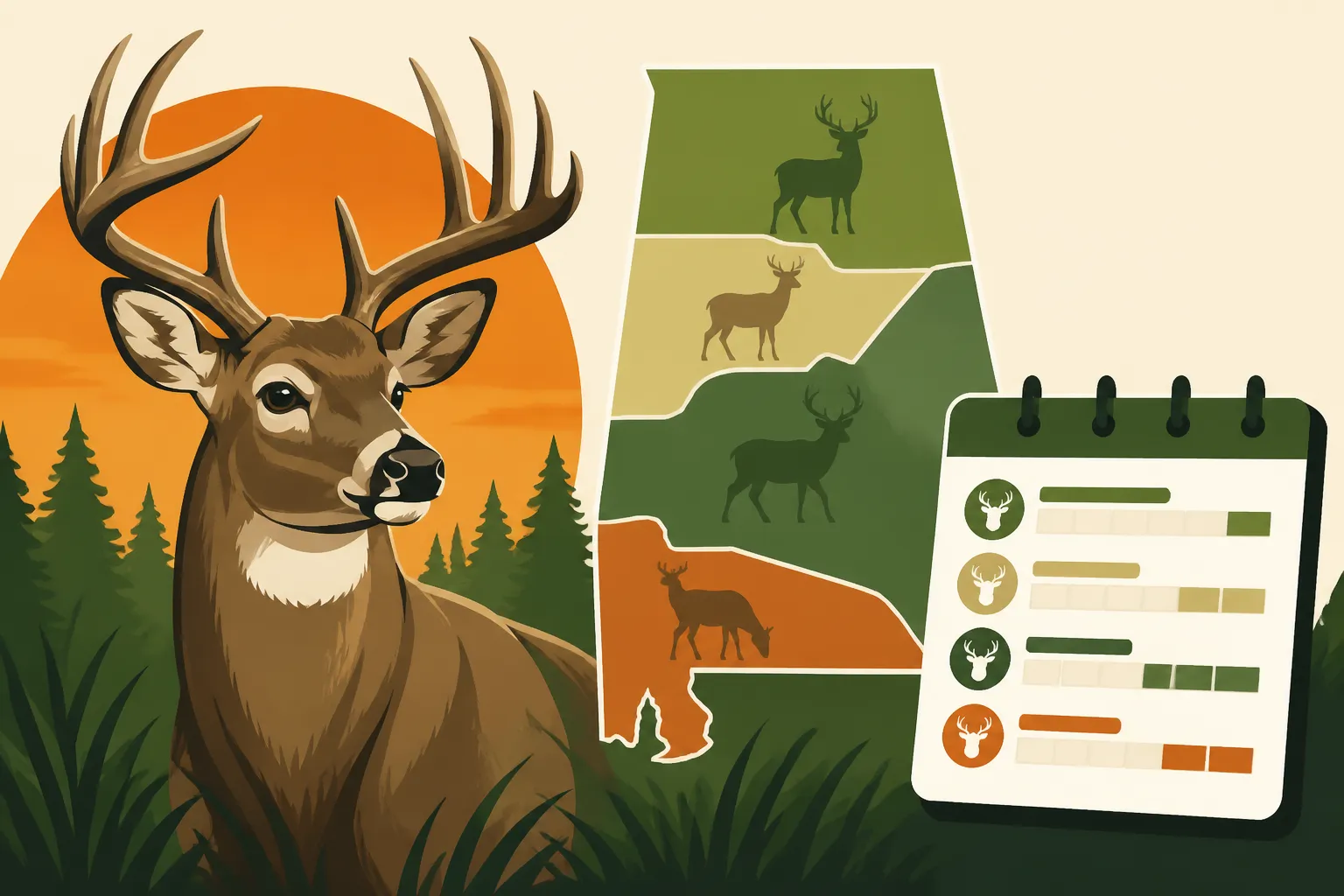
The heart of Alabama's deer season complexity lies in its five distinct zones: A, B, C, D, and E. Each zone has its own set of opening and closing dates for archery, muzzleloader, and gun season, as well as specific regulations regarding antlerless deer harvest. These zones are meticulously drawn on maps, often following county lines or major geographical features, to better manage local deer populations and account for variations in climate, habitat, and deer biology, particularly the timing of the rut.
Zone A: Early Opener, Generous Limits
Zone A, encompassing much of northern Alabama, often boasts some of the earliest season openers for both archery and gun. This earlier start is primarily due to a typically earlier rut in these northern counties, allowing hunters to target bucks when they are most active. This zone usually has a more liberal antlerless deer limit as well, reflecting a healthy, often abundant, deer population that benefits from increased harvest to maintain balance. You'll find areas here like parts of the Talladega National Forest, where understanding the zone boundaries is crucial. The longer season and higher antlerless limits in Zone A provide ample opportunities, but also mean hunting pressure can be significant, especially on public lands during opening weekends.
Zone B: The Central Alabama Sweet Spot
Zone B generally covers the central portion of the state, often including parts of the famous Black Belt region. This zone's season dates typically fall somewhere in the middle compared to the earliest and latest openers, offering a balanced approach. Many hunters consider Zone B to have a "classic" Alabama deer season experience, with a good mix of public and private land opportunities. The rut timing in Zone B can be quite intense, making it a highly sought-after area for trophy buck hunters. Antlerless limits here are usually generous, but often slightly less so than in Zone A, reflecting slightly different management goals. This zone often offers prime hunting right through the heart of the winter months, when deer are focused on remaining food sources.
Zone C: More Conservative Antlerless Harvest
Zone C often encompasses a mix of central and southeastern counties, and historically, it's known for having slightly more conservative antlerless deer limits compared to Zones A and B. While the buck season dates might align closely with Zone B, the ADCNR's focus here is often on managing for higher buck-to-doe ratios or addressing specific habitat concerns. Hunters in Zone C need to pay extra close attention to their antlerless tag allocation and ensure they understand the local rules for Zone C's Tighter Antlerless Limit. This isn't to say deer aren't plentiful, but rather that management strategies are more finely tuned to local conditions, prioritizing herd quality and recruitment.
Zone D & E: Later Openers, Different Pressures
Zones D and E are typically found in the southernmost parts of Alabama, often characterized by later season openers. This later start is directly linked to the significantly later rut experienced by deer in these coastal plain and Wiregrass regions. In some extreme southern counties, the rut can extend well into January, making late-season hunting incredibly productive. These zones might have different challenges, such as thicker vegetation or swampy terrain, influencing hunting strategies. While the season might start later, it often extends just as far, or even further, into February, providing a unique late-season opportunity for those willing to brave the often warmer temperatures. Hunters heading to these zones might experience very different deer behavior and food source preferences compared to their northern counterparts. Our article on Alabama's Five Deer Zones provides an excellent overview of the specific boundaries and general characteristics of each area.
Special Seasons and Specific Opportunities
Beyond the general archery, muzzleloader, and gun seasons, Alabama offers several specific hunting periods designed to cater to particular demographics or to provide targeted management opportunities. These special windows are crucial for certain segments of the hunting community and can offer fantastic experiences, often with less competition.
Youth Gun Season: A Family Tradition
Alabama strongly supports getting young people involved in hunting, and the annual Youth Gun Season is a testament to that commitment. This special weekend, usually held in early to mid-November, allows licensed youth hunters (typically under 16, accompanied by a licensed adult mentor) to harvest deer with a firearm before the general gun season opens. It's a fantastic opportunity for young hunters to experience the excitement of a gun hunt in a controlled environment, often with lower hunting pressure. This early access helps foster a love for the outdoors and conservation in the next generation. For families, it’s a cherished tradition and a wonderful chance to create lasting memories. Make sure to check the specific dates for Hunting the Alabama Youth Gun Weekend Dates each year, as they can shift slightly.
Antlered-Only Public Land Windows
Public lands in Alabama are a vital resource, and they often come with their own set of specific regulations designed to distribute pressure and manage the deer herd effectively. A common rule on many Wildlife Management Areas (WMAs) and National Forests is an "antlered-only" window at the very beginning of the gun season. This means that for the first few days or even weeks of gun season, only antlered bucks may be harvested, even if it's otherwise an either-sex period on private land in the same zone. This strategy helps to reduce the harvest of antlerless deer early in the season, allowing those does to contribute to the breeding population, while still giving buck hunters an early crack at a trophy. It's a crucial detail that public land hunters must be aware of to avoid violations. Always consult the specific WMA regulations or National Forest rules, as these can vary considerably. You can learn more about these specific restrictions by reading Hunting the Antlered-Only Public Land Window.
Late Season Either-Sex Opportunities
As the general gun season progresses, many zones in Alabama often open up to extended "either-sex" hunting, particularly in the late season, extending well into January and February. After the primary rut has passed and hunting pressure has often subsided, these periods provide excellent opportunities to fill antlerless tags, contributing to herd management and filling the freezer. By this time, deer have often settled into winter feeding patterns, making food plots, hard mast (if available), or browse along thickets prime hunting locations. These late-season hunts can be challenging due to colder weather or very wary deer, but they can also be incredibly rewarding. It's a chance to extend your season and often find deer concentrated on specific food sources.
Bag Limits and Reporting Requirements
Understanding Alabama's bag limits and the mandatory Game Check reporting system is not just about avoiding a ticket; it's fundamental to responsible hunting and effective wildlife management. These rules ensure sustainable harvest levels and provide the ADCNR with vital data to make informed decisions about the deer herd.
Alabama's Three-Buck Limit and the Four-Point Rule
Alabama implements a statewide three-buck limit per hunter per season. This means you can legally harvest up to three antlered bucks over the course of the entire deer season, regardless of how many zones you hunt in or how long the season lasts. However, there's a crucial caveat: one of those three bucks must have at least four points on one antler, or a main beam of at least three inches in length. This "four-point rule" is designed to protect younger bucks, allowing them to mature and contribute to the breeding population, thereby improving herd age structure and trophy potential. There are specific exceptions, such as in Barbour County, where a different rule might apply, so always double-check. Ignoring this rule means your third buck must meet the specific antler criteria, or you risk an illegal harvest. More details can be found in Alabama's Three-Buck Season Limit and The Four-Point Rule Exception in Barbour County.
Antlerless Deer Limits by Zone
Unlike the statewide buck limit, antlerless deer (does) limits are highly dependent on the zone you are hunting in and can even vary by WMA. In Zones A and B, you often find more liberal limits, sometimes allowing one antlerless deer per day during designated either-sex days. Zone C, as mentioned before, typically has more conservative limits, perhaps one per day for a shorter period, or even fewer total throughout the season. These limits are directly tied to local deer population density and management goals. The ADCNR uses antlerless harvest as a primary tool to manage herd size and keep populations healthy and in balance with their habitat. Always check the specific regulations for your zone, and for any public land you hunt, to know exactly how many does you can harvest.
The Crucial Game Check System
Perhaps one of the most critical responsibilities for every Alabama deer hunter is the mandatory Game Check system. Every deer harvested, whether antlered or antlerless, on private or public land, must be reported to the ADCNR within 48 hours of harvest. This isn't optional; it's the law. Hunters can report their harvest online via the Outdoor Alabama website or app, or by phone. The system generates a confirmation number that you must keep. This data is invaluable to wildlife biologists, providing real-time information on harvest trends, deer distribution, and herd health across the state. It allows them to make informed decisions about future season structures and bag limits. Failing to report a deer through Game Check is a serious violation. So, as soon as you have that deer tagged and handled, make it a priority to log that harvest. Learn more about your obligations in Alabama Deer Reporting Rules.
Chronic Wasting Disease (CWD) Management Zone Impact
Chronic Wasting Disease (CWD) is a serious, fatal neurological disease affecting deer, elk, and moose. While Alabama has historically been CWD-free, the discovery of CWD in deer in northwest Alabama in recent years has led to the establishment of a CWD Management Zone (CMZ). This zone introduces specific regulations designed to monitor the disease, prevent its spread, and protect Alabama's deer herd. These rules are non-negotiable for hunters operating within or around the affected areas.
Understanding the CWD Zone Boundaries
The CWD Management Zone currently encompasses Lauderdale, Colbert, and Franklin counties, with specific high-risk zones (HRZs) within these counties. These boundaries are not arbitrary; they are based on where CWD-positive deer have been found and where the risk of spread is highest. It's imperative that hunters understand if their hunting property or the public lands they plan to visit fall within these zones. Ignoring these boundaries can lead to illegal activity and potentially contribute to the spread of CWD. The ADCNR provides detailed maps on the Outdoor Alabama website, and mapping tools like GoHunt also integrate these crucial boundary lines, making it easy to see if you're in an affected area. For detailed county information, refer to Which Counties Sit in Alabama's CWD Zone.
Mandatory Testing and Carcass Movement Restrictions
Hunting within the CWD Management Zone comes with additional responsibilities. During specific periods, typically "mandatory testing weekends," all harvested deer within certain areas of the CMZ must be submitted for CWD testing at designated sampling stations. Outside of these mandatory weekends, voluntary testing is still highly encouraged.
Even more critical are the carcass movement restrictions. Hunters are prohibited from moving whole deer carcasses (or certain parts like brains or spinal cords) out of the CWD Management Zone. The goal is to prevent the transport of infected material to unaffected areas of the state. Hunters can, however, legally transport boned-out meat, cleaned skull plates, antlers, hides, and taxidermy products out of the zone. This means if you harvest a deer in Lauderdale County, you cannot simply throw the whole carcass in the truck and drive it down to Mobile for processing. You must quarter it or process it within the zone, leaving the high-risk parts behind. These rules are vital for protecting the rest of Alabama's deer herd and require careful planning if you're hunting in or near the CMZ.
Hunting Licenses and Permits
Before you even step foot in the woods, ensuring you have the correct Alabama hunting licenses and any necessary permits is the absolute first step. This isn't just a formality; it's the legal right to hunt and contributes directly to conservation efforts through license fees.
Essential Licenses for Residents and Non-Residents
Every hunter, with very few exceptions (like some landowners on their own land, or specific youth exemptions), needs a valid Alabama hunting license. The type of license depends on your residency status and what you plan to hunt.
For Alabama Residents, options typically include:
- All-Game Hunting License: Covers all legal game species (deer, turkey, small game, etc.). This is the most common choice for avid hunters.
- Small Game Hunting License: For those only pursuing rabbits, squirrels, doves, etc., but not deer or turkey.
- Lifetime Licenses: A significant upfront investment, but covers all hunting privileges for life, removing the need for annual renewals.
- Disabled/Senior Licenses: Reduced-cost options for qualifying individuals.
For Non-Residents, the options are geared towards various trip lengths:
- Annual All-Game Non-Resident Hunting License: Valid for a full year.
- 10-Day All-Game Non-Resident Hunting License: A popular choice for a multi-day hunting trip.
- 3-Day All-Game Non-Resident Hunting License: For shorter visits.
In addition to a hunting license, if you plan to hunt deer, you will need a Deer Harvest Record. This is typically issued with your hunting license and is where you record your harvest before using the Game Check system. Many non-residents also need to purchase an Alabama "Habitat Stamp" or "Conservation License." It's critical to verify all requirements well in advance of your hunt. You can purchase licenses conveniently online through the Outdoor Alabama website, or through local license vendors. Our comprehensive guide on Alabama Hunting Licenses and What They Cost will walk you through all the options and current pricing.
Additional Permits for WMAs and Special Hunts
Simply having a statewide hunting license isn't always enough, especially if you plan to hunt on public land. Many of Alabama's Wildlife Management Areas (WMAs) require an additional WMA License or Permit. This nominal fee helps fund the management and maintenance of these crucial public hunting grounds. These WMA permits are usually annual and can be purchased alongside your regular hunting license.
Furthermore, certain areas or specific hunts might operate under a Quota Hunt system. These are limited-entry hunts, often for deer or turkey, on specific WMAs or refuges, where hunters must apply in advance and are selected through a lottery. If you are drawn for a quota hunt, you'll receive specific instructions and may need to check in at a designated location. Always check the ADCNR regulations for any WMA or special area you plan to hunt to see if these additional permits or application processes are required. Using a mapping app or resource like GoHunt can also help you quickly identify public land requirements for specific areas.
Strategic Planning for a Successful Season
Simply knowing the dates and limits isn't enough; true success in Alabama deer hunting comes from strategic planning. Understanding deer behavior, leveraging scouting tools, and adapting to local conditions are all part of the equation. This is where experience meets preparation.
Matching Your Hunt to the Rut by Zone
The "rut" – the deer breeding season – is often the most exciting and productive time to hunt mature bucks. However, Alabama's vast north-to-south expanse means the rut doesn't happen at the same time across the entire state. In northern Alabama (Zone A), the rut might peak in mid-November, while in the central Black Belt (Zone B), it could be late December to early January, and in the southernmost counties (Zones D and E), it can extend into late January and even February.
Understanding these variations is crucial for planning when and where to hunt for peak buck activity. If you're targeting a mature buck, being in the woods during the peak of the rut in your chosen zone will significantly increase your odds. Bucks become less cautious, more mobile, and more responsive to calls as they actively search for does. You can dive deeper into this topic by exploring our articles like Hunting the Rut in the Southern Zones or Hunting the Rut in the Northern Zones to pinpoint the ideal timing for your hunt. This knowledge allows you to align your vacation days or prime hunting efforts with when deer activity is at its highest in your chosen location.
Utilizing Scouting Tools and Resources
In today's hunting world, effective scouting extends far beyond simply walking the woods. Modern tools and resources can give you a significant advantage, helping you locate deer sign, identify bedding areas, and plan optimal stand placements without ever setting foot on the property.
Digital Mapping Apps: Services like the Outdoor Alabama app, onX Hunt, or even Google Earth are indispensable. They allow you to view aerial imagery, identify property lines (critical for public land hunting or when bordering private land), locate food sources, analyze terrain features like ridges and creek bottoms, and mark potential stand sites. You can identify potential pinch points, travel corridors, and clear-cuts where deer might be moving. The ability to do much of this from home saves valuable time and minimizes disturbance in your hunting area. These apps can even integrate weather patterns, wind direction, and provide real-time updates.
Trail Cameras: Trail cameras are invaluable for monitoring deer movement, identifying individual bucks, and understanding their patterns. By deploying cameras near food sources, trails, or rub lines, you can gather intelligence on what deer are doing, and more importantly, when they are doing it. This helps you determine the best times to be in your stand.
Local Knowledge and ADCNR Resources: Don't underestimate the value of talking to local hunters, landowners, or even ADCNR biologists. They often have insights into local conditions, herd health, and specific deer patterns that can't be found on a map. The Outdoor Alabama website is also a treasure trove of information, providing annual regulations, harvest reports, and management updates that can influence your strategy. Always check the latest regulations directly from the ADCNR. By combining all these resources, you can develop a robust scouting plan, increase your chances of success, and ensure a more enjoyable and informed hunting experience. Our guide on Scouting With the Outdoor Alabama App can help you get started with this crucial tool.
Summary of Alabama Deer Season Zones
To help clarify the intricate structure, here's a quick overview of Alabama's deer zones and their general characteristics. Remember, specific dates can shift slightly year to year, so always confirm with the current ADCNR regulations.
| Deer Zone | Primary Location | General Archery Season Opener | General Gun Season Opener | Antlerless Harvest | Typical Rut Peak |
|---|---|---|---|---|---|
| Zone A | North Alabama | Mid-October | Mid-November | Liberal | Mid-November |
| Zone B | Central Alabama | Mid-October | Mid-November | Liberal | Late Dec – Early Jan |
| Zone C | Central/SE Alabama | Mid-October | Mid-November | Moderate/Conservative | Late Dec – Early Jan |
| Zone D | South Alabama | Late October | Late November | Liberal | Late Jan – Early Feb |
| Zone E | SW Alabama | Late October | Late November | Liberal | Mid-Jan – Mid-Feb |
Note: This table provides general timings. Always consult the official ADCNR regulations for exact dates and detailed bag limits for the current season.
Disclaimer
Please remember that hunting regulations are subject to change. While this guide provides a comprehensive overview of Alabama's deer season structure, it is essential to consult the official Alabama Department of Conservation and Natural Resources (ADCNR) regulations and publications for the most current and accurate information before planning or engaging in any hunting activities. Always prioritize safety, ethical hunting practices, and legal compliance.