Hunting the CWD Management Zone Under New Rules
Trying to navigate deer hunting regulations in Alabama can feel like trying to track a mature buck through a briar patch – confusing, frustrating, and often leaving you wondering if you're even going in the right direction. With the recent discovery of Chronic Wasting Disease (CWD) in our state, the rules have changed, creating new challenges for hunters, especially those operating within the designated CWD Management Zone. This guide is here to untangle those regulations, offer practical hunting strategies, and help you understand exactly what's expected of you, so you can hunt confidently and responsibly, even under these new rules.
Understanding Alabama's CWD Management Zone
The news of Chronic Wasting Disease showing up in Alabama hit a lot of us hard. It’s a game-changer, plain and simple, and it’s completely understandable to feel concerned about what it means for our deer herds and our hunting traditions. Before we dive into the nitty-gritty of the new rules, let's take a moment to really understand what the CWD Management Zone (CMZ) is, where it's located, and why the state implemented it.
What is Chronic Wasting Disease?
CWD is a serious, progressive, fatal neurological disease that affects cervids – that's deer, elk, moose, and caribou. It’s caused by abnormal proteins called prions, which slowly damage the brain and nervous system of infected animals. You can't see CWD with the naked eye in its early stages, which is part of what makes it so insidious. Infected deer might not show symptoms for months, or even years, but as the disease progresses, they'll start exhibiting a range of signs: dramatic weight loss, listlessness, drooping ears, excessive salivation, and an overall lack of coordination. It’s a heartbreaking thing to witness, and once an animal shows clinical signs, it’s inevitably fatal. Unfortunately, there's no vaccine and no cure. While there's no known case of CWD jumping to humans, health agencies like the CDC still recommend not consuming meat from CWD-positive animals.
The disease spreads through direct animal-to-animal contact, but also through contaminated environments. Prions can persist in the soil for years, meaning an area where an infected deer has lived or died can remain a source of infection for a long time. This environmental persistence is one of the biggest challenges in managing and containing CWD, making every effort to slow its spread critically important for the future of our deer hunting.
Delineating the CWD Management Zone
When CWD was first detected in a harvested deer in Lauderdale County, it sent shockwaves through the Alabama hunting community. The Alabama Department of Conservation and Natural Resources (ADCNR), specifically the Wildlife and Freshwater Fisheries Division, moved quickly to establish the CWD Management Zone to contain and manage the disease. This zone isn't just a suggestion; it's a clearly defined geographical area where specific regulations apply to all hunters and landowners.
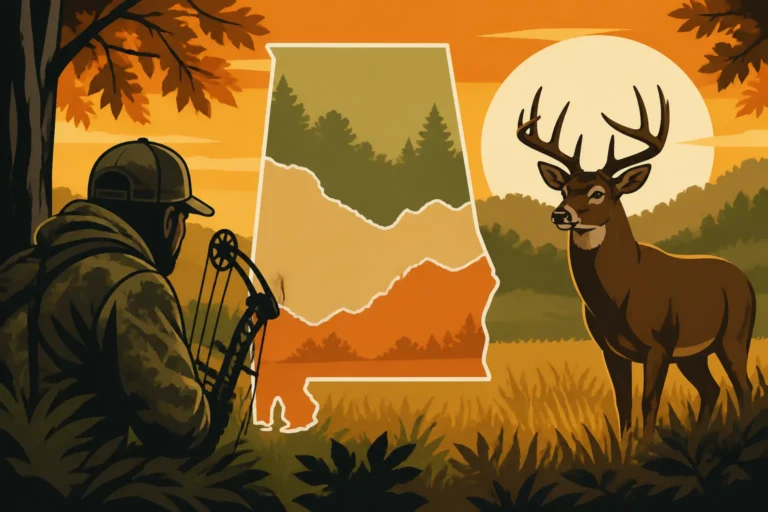
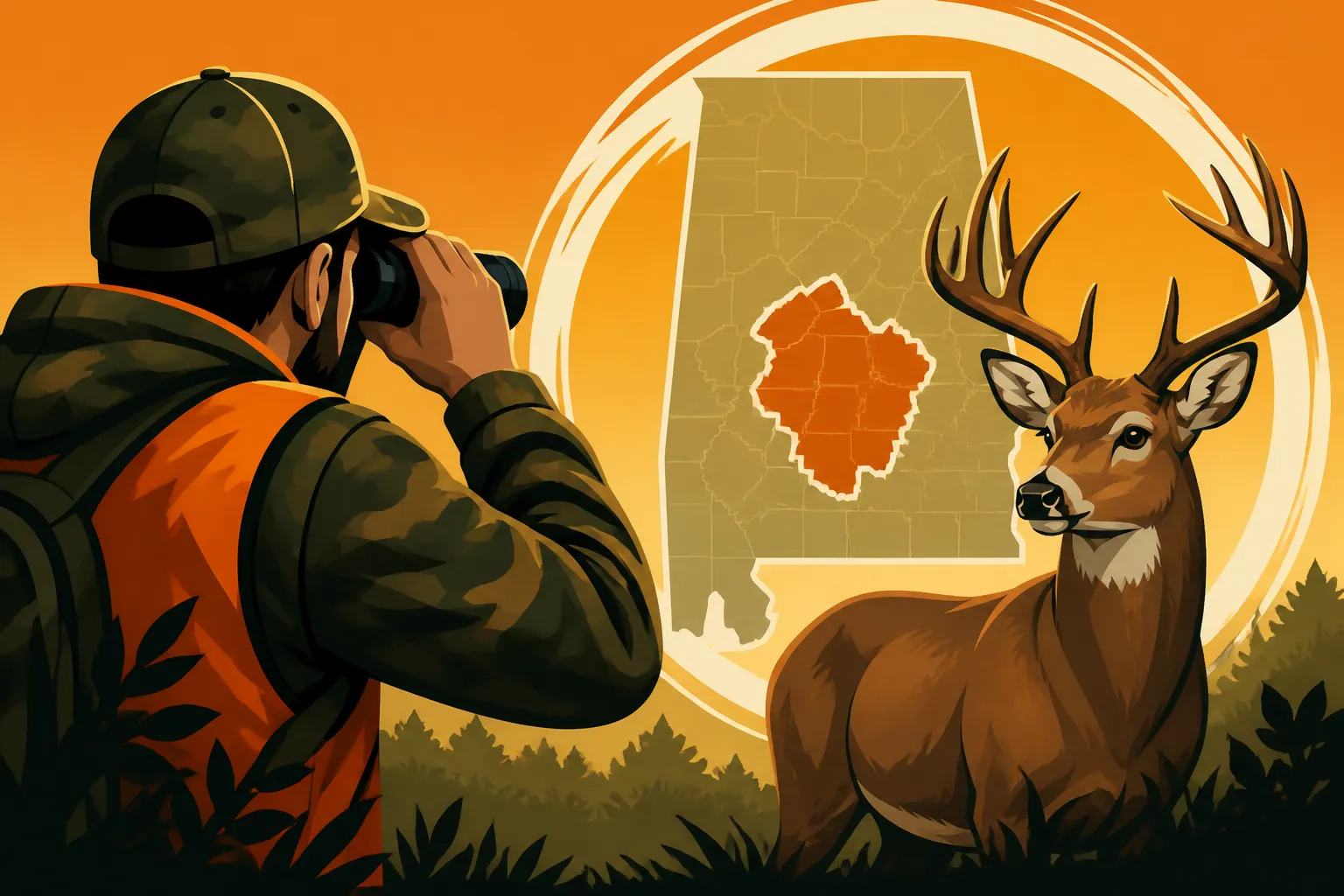
Currently, the CMZ encompasses Lauderdale, Limestone, and Colbert counties in northwest Alabama. Within this larger CMZ, there's also a smaller, more restrictive "High-Risk Zone." This High-Risk Zone is typically where CWD-positive animals have been confirmed, and it often has even stricter rules, such as mandatory testing requirements for all harvested deer during specific periods. To truly understand the specifics, you'll need to know Which Counties Sit in Alabama's CWD Zone and specifically where The High-Risk Zone Inside the CMZ is located, as these boundaries dictate the rules you must follow. Checking the official Outdoor Alabama website or using a reputable mapping app like GoHunt that overlays these zones on property lines is crucial before you ever step foot in these areas.
The Purpose Behind the Regulations
The primary goal of these stringent CWD regulations isn't to punish hunters or make life difficult, but to protect Alabama's deer herd and, by extension, our hunting heritage. The state wants to prevent the further spread of CWD and, if possible, reduce its prevalence where it already exists. Every regulation—from carcass movement restrictions to mandatory testing—is designed with this aim in mind.
Without these measures, the disease could spread unchecked, potentially devastating deer populations in other parts of the state and ruining hunting opportunities for generations to come. It’s a long game, and success depends heavily on every hunter’s compliance and understanding. The rules are tough, no doubt, and they require a shift in how many of us have always done things, but they are a necessary evil to safeguard the health of our deer and the future of Alabama hunting.
The Latest CWD Rules and Regulations
Navigating the CWD Management Zone requires a thorough understanding of the current rules. These aren't static; they can and do change as ADCNR gathers more data and adapts its strategy. It’s imperative to stay informed, and ignorance of the law is never an excuse.
General Season and Bag Limit Changes
For the most part, the general deer season dates and bag limits within the CMZ largely align with the rest of Zone C, which is the broader deer zone these counties fall under. However, there can be subtle but important differences, especially regarding antlerless deer harvest and season extensions aimed at reducing deer density. For instance, in areas with CWD, wildlife biologists often advocate for increased doe harvest to help manage population density, which in turn can reduce deer-to-deer contact and slow disease transmission. This might mean extended opportunities for harvesting unantlered deer.
It's crucial to always check the most current ADCNR hunting regulations handbook or the Outdoor Alabama website for any specific dates or bag limit variations unique to the CMZ. What might be legal just outside the zone could be a violation within it. Remember, these adjustments are a tool in the CWD management toolbox, designed to help reduce herd density and therefore slow the spread of the disease.
Carcass Movement Restrictions Explained
This is one of the biggest changes that impacts how you hunt and how you process your deer. The rule of thumb here is simple but absolute: you cannot move whole deer carcasses, or certain high-risk parts, out of the CWD Management Zone. This restriction is critical because infected prions are concentrated in specific tissues like the brain, spinal cord, lymph nodes, and spleen. Moving a whole carcass out of the zone risks depositing those prions in new, unaffected areas.
So, what can you take out? Generally, you can take out:
- Deboned meat
- Clean skull plates with antlers (free of brain tissue)
- Clean antlers (with no visible tissue attached)
- Clean hides (without heads)
- Finished taxidermy products
What does this mean practically? If you harvest a deer in Lauderdale, Limestone, or Colbert counties, you need to either process it fully within the CMZ before leaving or take it to a licensed processor within the zone. This might require an extra cooler, more time for field dressing, or a pre-arranged plan with a local butcher. For non-residents, this is especially vital as you plan your trip; consider what facilities are available nearby. Understanding Alabama Carcass Movement Restrictions is non-negotiable for every hunter in the CMZ.
Mandatory Testing Requirements
Perhaps the most impactful new rule for hunters in the High-Risk Zone is the mandatory CWD testing. During specific periods, typically opening weekends of gun season or other high-harvest windows, any deer harvested in the High-Risk Zone must be submitted for CWD testing. This isn't optional; it's a legal requirement.
These dates are usually announced well in advance, and designated sampling stations are set up throughout the zone. When you check your deer through the Game Check system, you’ll be prompted to provide the necessary sample. Knowing the dates for Mandatory CWD Testing Weekends and where to find your nearest testing station are critical for compliance. ADCNR uses these mandatory tests to monitor the prevalence of CWD, track its spread, and make informed management decisions. It provides invaluable data that helps shape future regulations and conservation efforts.
| CWD Zone | Counties Included | Carcass Movement Rules | Mandatory Testing | Hunting Adjustments |
|---|---|---|---|---|
| CWD Management Zone (CMZ) | Lauderdale, Limestone, Colbert | No whole carcasses or high-risk parts can leave the zone. | Only for deer harvested during specific "Mandatory Testing Weekends" within the High-Risk Zone | Potential for increased antlerless harvest opportunities. |
| High-Risk Zone (HRZ) | Specific areas within the CMZ, usually near confirmed cases. | Same as CMZ. | Required for all harvested deer during specific "Mandatory Testing Weekends." | Specific efforts to reduce deer density. |
Hunting Strategies Within the CWD Zone
Adapting your hunting strategy for the CWD Management Zone goes beyond just knowing the rules; it's about making smart decisions in the field that align with the goals of disease management. While the core principles of deer hunting remain the same—scouting, scent control, shot placement—the CWD context adds a few new layers of consideration.
Focusing on Herd Health and Density Reduction
In areas affected by CWD, responsible hunting shifts from solely trophy pursuit to an emphasis on herd health. This often means being more willing to harvest antlerless deer, even if it's not something you've traditionally done. Biologists often recommend increasing the antlerless harvest in CWD zones to reduce overall deer density. A lower density means less deer-to-deer contact, which is the primary mode of CWD transmission. Less contact slows the spread.
This can actually open up new and exciting hunting opportunities. Instead of waiting for that one big buck, you might have more chances to fill tags and put meat in the freezer, contributing directly to the health of the local herd. Focus on understanding the local population dynamics on your specific property or public land. Tools like GoHunt can provide overlays for public land boundaries and even identify potential high-traffic areas where deer congregate, which might be prime locations for observation and harvest planning. Remember, every deer removed from the infected area contributes to the overall health strategy.
Adapting Scouting and Stand Placement
Scouting remains paramount, but with a CWD lens. Pay close attention to any deer exhibiting abnormal behavior or physical signs (emaciation, drooling, listlessness). Report these immediately to ADCNR. When scouting, consider how deer are moving and congregating. While traditional pinch points and food sources are still vital, think about minimizing potential congregation spots, or at least being aware of them.
When selecting stand locations, consider areas where deer might be feeding or traveling individually rather than in large groups if possible. Also, consider the accessibility for recovery and processing, given the carcass movement restrictions. You don't want to harvest a deer deep in a remote area and then realize you have no practical way to get it out and processed within the CMZ regulations. Thinking about your exit strategy for a harvested animal should become part of your stand selection process. This forethought is key, especially on large tracts of public land like those found within parts of the CMZ, such as areas within Bankhead National Forest or specific WMAs. For more on preparing for the season, consider reading Scouting Alabama Public Land Before Season.
Utilizing Specific Public and Private Lands
Hunting within the CWD Management Zone means understanding the nuances of local hunting grounds. For public land hunters, this requires meticulous planning. Check specific WMA regulations, as they can sometimes have additional rules or special hunts within the CMZ. For example, some WMAs might have different check-in procedures or carcass inspection requirements. Utilizing mapping tools like the Outdoor Alabama app or GoHunt to clearly delineate WMA boundaries and private land adjacent to public areas is essential to ensure you're hunting legally and responsibly.
On private land, the conversations with landowners are even more critical. They might be eager to participate in reducing deer density, and you can work together to implement harvest strategies. Landowners within the CMZ are often on the front lines of CWD management, and a collaborative approach benefits everyone. Regardless of where you hunt, knowledge of the local landscape and deer behavior, coupled with the new CWD protocols, will make you a more effective and responsible hunter.
Carcass Handling and Reporting Requirements
The moment of truth arrives when you harvest a deer in the CWD Management Zone. This is where the new rules really kick in and demand your attention. Proper handling and reporting are not just good practices; they are legal necessities that play a huge role in containing CWD.
Immediate Field Dressing and Processing
As soon as you harvest a deer within the CMZ, your focus shifts to compliance. The most immediate and critical step is to field dress the animal on site. This means removing the internal organs where some of the CWD prions are concentrated. While you've always field dressed for meat quality, now it’s also a public health measure.
If you plan to take the deer to a processor, make sure that processor is located within the CWD Management Zone. Many local processors in Lauderdale, Limestone, and Colbert counties are well-versed in the new regulations and are equipped to handle deer in accordance with CWD protocols. If you’re processing it yourself, you need to ensure that only the allowed parts (deboned meat, clean skull plate, clean antlers, clean hide) leave the zone. This might involve setting up a temporary processing station at camp or at home, as long as your home is within the CMZ. For those unfamiliar, learning Field Dressing a Deer in Warm Weather is a good primer, as this skill becomes even more important here.
Game Check and CWD Sampling
Every deer harvested in Alabama, including those in the CMZ, must be reported through the Game Check system. This is non-negotiable. When you check your deer online or via the Outdoor Alabama app, be prepared for specific prompts related to CWD if you're in the CMZ, especially during mandatory testing periods. You will typically be given instructions on how and where to submit your sample.
During mandatory testing weekends, you'll need to locate a designated CWD sampling station. These stations are usually staffed by ADCNR personnel or trained volunteers who will collect the necessary tissue sample (often from the lymph nodes or brainstem). They'll provide you with documentation that your deer has been sampled. This might feel like an extra step, but it’s how the state collects the vital data needed to understand the disease. Take the time to understand the process for Finding an Alabama CWD Sampling Station before you even head out to hunt.
Managing and Transporting Venison
Once your deer is processed, either by you or a commercial facility, you'll have the venison. The key here is that only deboned meat can leave the CWD Management Zone. This is why having a good plan for processing is so important. If you’re a nonresident hunter, or even a resident who lives outside the CMZ, you can't simply take a whole deer home to butcher in your garage.
After sampling, and once you have your deboned meat, it can be safely transported outside the CMZ. It’s also important to understand Handling Venison From the CWD Management Zone from a personal consumption standpoint. While current research suggests no known link to human health, many health organizations advise caution. If your deer tests positive for CWD, it’s strongly recommended not to consume the meat. This decision ultimately rests with you, but being informed is vital.
Dealing with Mandatory Testing and Sampling
Mandatory testing can feel like a bureaucratic hurdle, but it's a vital component of CWD management. Understanding the process makes it much less daunting and ensures you're compliant.
What to Expect at a Sampling Station
When you arrive at a CWD sampling station during a mandatory testing period, the process is usually straightforward and efficient. You’ll present your harvested deer (or its head, depending on the station's setup and your level of field processing), along with your Game Check confirmation number. Wildlife biologists or trained technicians will then carefully collect a tissue sample, typically from the retropharyngeal lymph nodes in the neck or a portion of the brainstem. This is done with sterile tools and usually doesn't take very long.
They'll record the unique ID for your deer (from your Game Check) and the sample, ensuring everything is tracked correctly. You'll likely receive a receipt or confirmation that your deer has been sampled. It's a professional and respectful process, designed to gather crucial data without significantly delaying your hunt. Remember, these folks are working to protect our deer too.
Getting Your CWD Test Results
After submitting your sample, the waiting game begins. The samples are sent to a diagnostic lab for analysis. The turnaround time for CWD test results can vary, typically ranging from a few days to a couple of weeks, depending on the volume of samples being processed. ADCNR usually provides an online portal or a system where you can check the results of your specific deer using your Game Check confirmation number.
If your deer tests negative, you can continue with processing and consumption as planned. If, however, your deer tests positive, you will be notified by ADCNR, and as previously mentioned, it is strongly recommended that you do not consume the venison. This waiting period is arguably one of the most stressful parts for hunters, but it’s a necessary step to ensure safe and responsible hunting practices within the CMZ. ADCNR often works to expedite these results, especially during peak hunting season, but patience is key.
Handling a Positive CWD Result
Receiving a positive CWD result for a deer you harvested can be disheartening, to say the least. It’s a stark reminder of the reality of this disease. If your deer tests positive, ADCNR will provide you with specific instructions on how to proceed. As mentioned, the recommendation is to discard the meat. This might mean disposing of it in a specific landfill or following other guidelines provided by the state to ensure the prions are not spread further into the environment.
This is also a moment for reflection on your hunting location. A positive result indicates that CWD is present in that specific area. While it doesn't mean you can't hunt there again, it should inform your future strategies, perhaps leaning more into herd reduction efforts. It also underscores the importance of the CMZ regulations and why every hunter’s participation is so critical. The more positive cases found, the better understanding the ADCNR has of the disease's prevalence and spread, which directly affects the management decisions they make. This data is part of the story of Alabama's CWD Case Count Since 2022.
The Broader Impact of CWD on Alabama Deer Hunting
CWD isn't just about new rules in a few counties; it's a significant challenge that will shape the future of deer hunting across Alabama. Understanding these broader implications helps put the immediate regulations into perspective and highlights why every hunter’s cooperation is so essential.
Long-Term Herd Health and Population Management
The long-term health of Alabama's deer herd is at stake. CWD can lead to declines in deer populations in heavily infected areas, alter age structures, and impact the overall health and vigor of the herd. This isn't a quick or easy fix; managing CWD is a generational commitment. ADCNR's strategy involves continued surveillance, research, and adaptive management, which means rules and zones may evolve over time. For instance, understanding Why Lauderdale County Drives Alabama's CWD Count is key to recognizing the areas of highest concern.
Hunters are a crucial part of this long-term management. By participating in mandatory testing, adhering to carcass movement restrictions, and being willing to adjust harvest strategies (like increasing antlerless take), we directly contribute to the health of the herd. The goal is to minimize the impact of CWD and ensure that white-tailed deer remain a robust and healthy game species for future generations. It’s a proactive approach to prevent what has happened in some other states where CWD has been present for decades.
Ethical Considerations and Hunter Responsibility
Hunting in a CWD zone adds an ethical layer to our passion. Beyond legality, there's a strong moral obligation to do our part to contain this disease. This means not just following the rules, but actively thinking about our impact. For example, avoiding the use of natural deer urine products, which could potentially spread prions, is a responsible choice. Similarly, educating fellow hunters about the risks and regulations is a form of stewardship.
We, as hunters, are often the first line of defense in detecting and reporting sick animals. This vigilance is paramount. We spend more time in the woods than most, observing deer behavior up close. If you see a deer exhibiting CWD symptoms, report it immediately to ADCNR. Do not harvest the animal for consumption if it appears sick. This responsible action is a critical component of Alabama Wildlife Disease Monitoring and protects both the herd and your fellow hunters.
The Future of Deer Hunting in Alabama
While CWD presents serious challenges, it doesn't mean the end of deer hunting in Alabama. It means a necessary evolution. We might see more localized management strategies, increased emphasis on data collection, and perhaps even shifts in hunting culture, where herd health becomes as celebrated as a trophy buck. The experience of How CWD Reached Northwest Alabama and its subsequent management serves as a critical case study for the state.
Organizations like the Alabama Wildlife Federation and local hunting clubs are actively involved in these discussions, working with ADCNR to find the best paths forward. Hunters who stay informed, adapt their practices, and engage with wildlife agencies will be the ones who help shape a sustainable future for deer hunting in Alabama, even with CWD in the landscape. It's a call to action for every one of us to be better stewards of our natural resources and our beloved hunting traditions.
Disclaimer
The information provided in this guide is for general informational purposes only and does not constitute legal advice. Hunting regulations, especially those pertaining to Chronic Wasting Disease (CWD), can change frequently. It is the individual hunter's responsibility to consult the most current official regulations published by the Alabama Department of Conservation and Natural Resources (ADCNR) and to ensure full compliance with all state and federal laws before engaging in any hunting activities.