Airport Pickup and Lodging Logistics
Planning an Alabama hunting trip can be incredibly exciting, but the logistics of getting yourself and your gear from the airport to your hunting grounds and back can quickly turn that excitement into a headache. Many hunters, especially those traveling from out of state, find themselves stressing over how they'll navigate unfamiliar roads, coordinate with outfitters, or simply find a comfortable bed after a long day afield. This guide is here to walk you through all the ins and outs of airport pickup and lodging arrangements, ensuring your focus stays on the hunt, not the hassles.
Navigating Alabama's Airports for Your Hunt
When you're planning a hunt in Alabama, choosing the right airport is often the first logistical hurdle. Alabama has several regional airports, but understanding which one best serves your ultimate hunting destination can save you hours of driving and unnecessary stress. It’s not just about the cheapest flight; it’s about the most efficient route to your deer stand or turkey roost.
Primary Airports and Their Proximity to Hunting Regions
Alabama is a wonderfully diverse state geographically, and its airports reflect that spread. The largest airport is usually Birmingham-Shuttlesworth International Airport (BHM), which is quite centrally located. From Birmingham, you can be in the famous Black Belt region for deer hunting within an hour or two, heading north towards the foothills of the Appalachians and national forests like the Talladega and Bankhead, or driving south towards the Wiregrass region. It’s a great hub if your hunting plans are still flexible or cover a wide area.
Then you have Huntsville International Airport (HSV) in North Alabama. This airport is ideal if your target species are up in the Tennessee River Valley or near the northern stretches of the state, especially if you're eyeing areas like Skyline Wildlife Management Area or the abundant public lands in counties like Lauderdale and Colbert, which are also part of the Chronic Wasting Disease Management Zone. If you're looking to chase waterfowl on the Tennessee River or hunt deer in those northern zones, Huntsville is likely your best bet.
Moving south, Montgomery Regional Airport (MGM) is practically in the heart of the Black Belt. If you’re flying in specifically for a guided deer hunt on one of the many renowned Black Belt properties, or you're heading to places like Barbour Wildlife Management Area, Montgomery offers excellent proximity. It’s a smaller airport, which can sometimes mean fewer direct flights but often a quicker in-and-out experience.
Finally, down on the Gulf Coast, there's Mobile Regional Airport (MOB). This airport is perfect for those looking to hunt the coastal plain, the river swamps of the Mobile-Tensaw Delta, or perhaps even head into the Conecuh National Forest. While deer hunting is popular here, it’s also a key access point for waterfowl hunting in the delta region or pursuing feral hogs in the dense southern cover. Choosing the airport closest to your actual hunting lease or public land access point will drastically cut down on your travel time on the ground.
Ground Transportation Options from the Airport
Once your boots hit the tarmac, you'll need a way to get to your final destination. For most hunting trips in Alabama, especially if you’re venturing beyond the immediate vicinity of a major city, a rental car is almost a non-negotiable. Booking one in advance is always wise, and make sure to consider the type of vehicle. Will you be navigating dirt roads, potentially through muddy patches, to get to your lodge or a public land access point? A sedan might struggle where an SUV or truck would cruise right through. Also, think about cargo space for all your gear—gun cases, bow cases, coolers, and duffel bags fill up fast!
While ride-sharing services like Uber or Lyft are available at Alabama’s larger airports, they generally serve urban and suburban areas. If your hunting lodge is tucked away down a rural county road or deep within a national forest, it's highly unlikely you'll find a driver willing or able to take you all the way there, let alone pick you up for your return trip. Always assume a rental car is necessary unless your outfitter has explicitly confirmed comprehensive pickup and drop-off services for the duration of your trip. Some smaller, local shuttle services might exist, but these usually require pre-arrangement and might not cater specifically to hunters with extensive gear. It’s always best to call ahead and verify any shuttle claims if you’re not opting for a rental car.
Understanding Lodge and Outfitter Pickup Services
Many hunters dream of an all-inclusive experience where every detail, including transportation, is handled for them. While some Alabama outfitters certainly offer this luxury, it’s crucial to understand when to expect these services and, more importantly, what to communicate to ensure a smooth transition from airport to hunting camp. Don't leave this to chance – clarifying these details beforehand will save you a lot of headache.
When to Expect Pickup Services
The availability of airport pickup and drop-off services from an outfitter largely depends on the type of hunting package you've booked. Generally, the more premium or "all-inclusive" the hunt, the more likely these services are part of the deal. For instance, a multi-day What a Guided Alabama Deer Hunt Costs package at a high-end Black Belt lodge might include airport transfers as a standard amenity, making your arrival and departure seamless. This is often because these lodges cater to out-of-state clients who fly in specifically for the experience. They understand the logistics involved in travel, especially when dealing with firearms and a lot of gear.
However, if you’re booking a more budget-friendly hunt, a day-rate guide, or a hunt that focuses solely on the guiding aspect without a full lodge experience, don't automatically assume airport transfers are included. Many guides operate independently and might not have the resources or the time to dedicate to airport runs, especially if the airport is a significant drive from their hunting property. It's not uncommon for hunters on these types of trips to rent a vehicle or coordinate their own travel to a designated meeting point. Always verify this directly with your outfitter well in advance of your trip. Sometimes, even if not explicitly advertised, an outfitter might offer pickup for an additional fee, but you need to ask. Websites like BookYourHunt often detail what's included in specific packages, so review those closely.
What to Coordinate with Your Outfitter
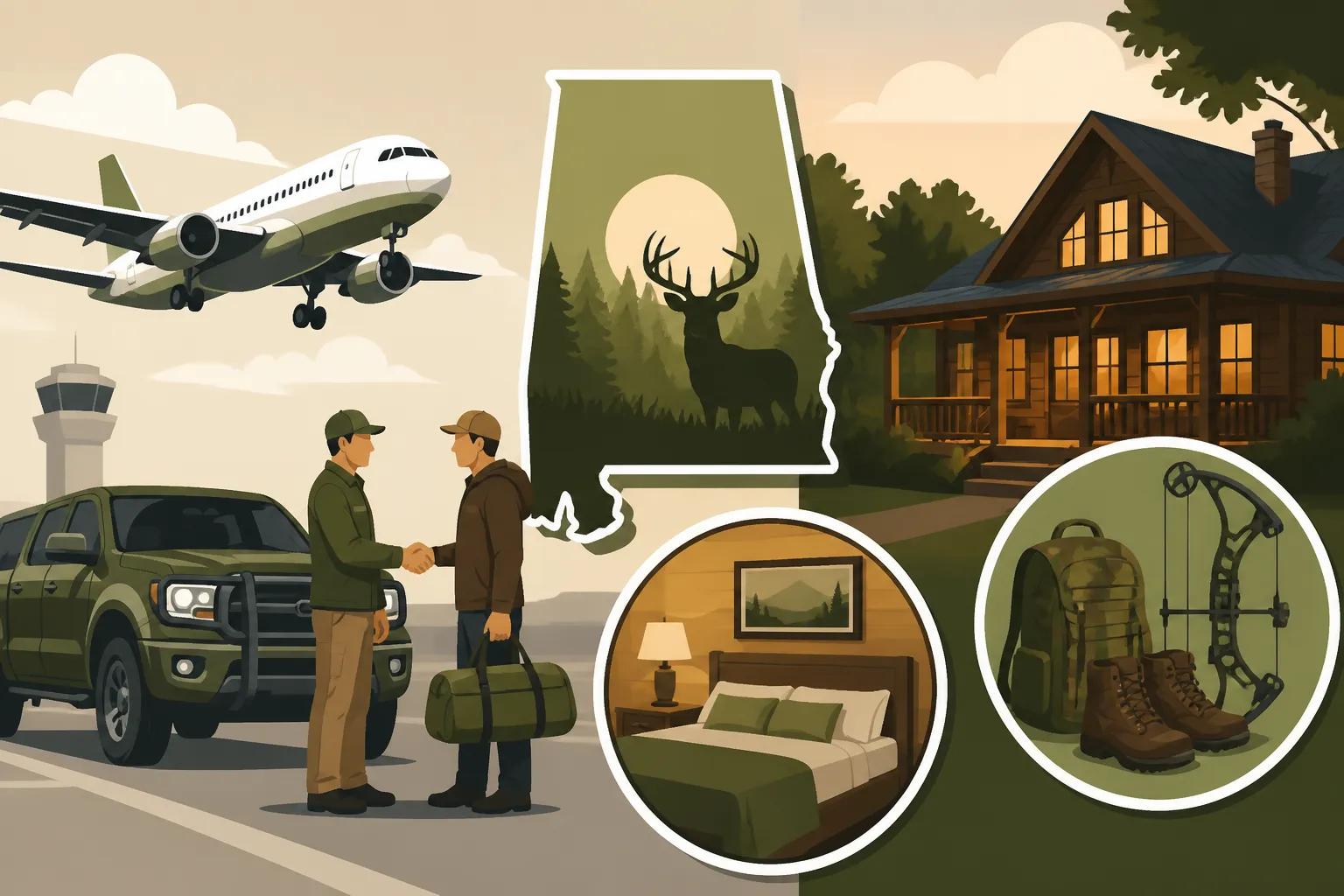
If your outfitter does offer airport pickup, clear and timely communication is absolutely essential. The moment you have your flights booked, share all the details with them. This includes your airline, flight numbers, scheduled arrival and departure times, and which airport terminal you’ll be using. Delays happen, so make sure you have your outfitter's direct phone number saved and can easily contact them if your flight is rerouted or significantly delayed. It's also a good idea to confirm a specific meeting point inside or just outside the terminal, especially at busier airports like Birmingham.
Don't forget to discuss your gear. Are you bringing a checked firearm? A large bow case? Multiple coolers for venison? Your outfitter needs to know what kind of vehicle capacity they'll require. While you're responsible for adhering to TSA guidelines for Alabama Legal Firearms for Deer Hunting and other equipment, your outfitter can help you manage it once you're on the ground. For example, some may prefer to transport firearms in a specific way in their vehicle or may need to make extra room for bulky bow cases. Having this conversation early ensures they are prepared and can make your transfer as smooth as possible. Confirming these details upfront contributes to a stress-free start to your White-Tailed Deer Across Alabama adventure.
Lodging Logistics Beyond the Hunt Camp
Not every Alabama hunting trip involves staying in an outfitter’s lodge. For many, especially those exploring Public Hunting Land in Alabama or pursuing specific opportunities like Muzzleloader Deer Hunting in Alabama, finding your own accommodations is part of the planning. Alabama offers a range of options, from budget-friendly motels to cozy cabins, each with its own set of advantages and considerations.
Hotel and Motel Stays Near Public Lands
For self-guided hunters or those who've booked a day-rate guide, a hotel or motel is often the most practical and convenient lodging choice. You'll find a good selection of chain hotels in towns and cities located near major wildlife management areas (WMAs) or national forests. For example, if you're hunting in the Talladega National Forest, towns like Anniston or Talladega might offer several options. Similarly, towns around the Black Belt, even smaller ones, often have local motels. It's crucial to book these well in advance, especially if your hunt coincides with opening weekend, a holiday, or a local event, as rooms can fill up quickly.
When booking, consider amenities that are important to hunters. A quick check about early breakfast options or whether they have outdoor outlets for charging ATV batteries (if allowed on your hunting grounds) might seem minor, but can be a huge convenience. If you're bringing a hunting dog, be sure to inquire about pet-friendly rooms, as policies vary wildly. Some motels might also have specific rules about firearms in rooms, so it's always respectful to understand their policies. Remember that while these are generally comfortable, they might not offer the same "hunting camp" atmosphere as a dedicated lodge. For those focused on Scouting Alabama Public Land Before Season and hunting independently, they provide a reliable home base.
Rustic Cabins, Airbnbs, and Vacation Rentals
For hunters seeking a more private, home-like experience, or those traveling with a larger group or family, opting for a rustic cabin, an Airbnb, or a vacation rental can be an excellent choice. These types of accommodations are becoming increasingly popular across Alabama, especially in more scenic or rural areas adjacent to prime hunting grounds. Imagine returning from a successful day of Spring Turkey Hunting in Alabama to a cabin where you can cook your own meals, clean your gear without bothering other guests, and enjoy the peace and quiet of the countryside.
The advantages here are numerous: more space, often a full kitchen (great for cooking up some camp meals or processing a bit of small game), laundry facilities, and a sense of privacy that a hotel can't always offer. Many rentals are also tucked away closer to hunting areas, reducing your daily commute. However, there are a few things to keep in mind. These properties might be more remote, meaning less cell service or a longer drive to the nearest grocery store. They often have minimum stay requirements, typically two or three nights, and can come with cleaning fees that add to the overall cost. For a group or family, the per-person cost can sometimes be more economical than individual hotel rooms, especially when considering the ability to self-cater. These options are particularly appealing if you're planning a longer stay or bringing non-hunting companions.
Camping and RV Options for the Independent Hunter
For the truly independent, budget-conscious, or adventurous hunter, Alabama offers abundant opportunities for camping and RV stays. If you're exploring Alabama Wildlife Management Areas or the extensive lands within the Talladega National Forest Hunting, William B. Bankhead National Forest Hunting, or Conecuh National Forest Hunting, camping can put you right on the doorstep of your hunting grounds. Many WMAs and national forests have designated campgrounds, ranging from primitive, no-frills sites to more developed areas with restrooms, water, and even electrical hookups.
Before you set out, it's absolutely vital to check the specific regulations for your chosen area. National forests generally allow dispersed camping in many areas, but WMAs often have specific rules about where and when you can camp, and some may require a special permit in addition to your Alabama Hunting Licenses and What They Cost. Understanding the Camping Rules on Alabama National Forest Land is paramount. For RV enthusiasts, there are state parks and private campgrounds throughout Alabama that offer full hookups and amenities. This can be a great way to bring the comforts of home with you while still being immersed in the natural environment. Just remember to pack appropriate gear for the weather, as Alabama's temperatures can vary widely, even during hunting season. This option offers the ultimate flexibility and can significantly reduce your lodging expenses, allowing more funds for permits or gear upgrades.
Planning for Gear, Firearms, and Departure
The journey doesn't end when you've tagged out. The logistics of getting your hunting gear, and especially your harvested game, back home smoothly are just as important as the arrival. From navigating TSA regulations to ensuring your hard-earned venison makes it to your freezer, a little foresight goes a long way.
Managing Hunting Gear on Flights
Traveling with firearms and archery equipment requires careful planning and adherence to strict regulations. For firearms, the Transportation Security Administration (TSA) requires them to be unloaded and packed in a locked, hard-sided container. Ammunition must be in its original packaging or a secure container and declared at check-in, usually transported separately from the firearm itself. Always check your specific airline's policies, as they can sometimes be more stringent than federal rules. Bows generally travel well in hard cases, often considered oversized luggage, so be prepared for potential additional fees. It’s also a good idea to arrive early at the airport to allow ample time for the special check-in process required for firearms. For specific information regarding Crossbow Rules During Alabama Archery Season, ensure your equipment meets all state and airline requirements.
One critical piece of gear for the return trip, especially if you've harvested an animal, is a good quality cooler. Many hunters fly with an empty, hard-sided cooler as one of their checked bags. This allows them to transport processed game meat home. For this to work, the meat needs to be properly frozen and packed with frozen gel packs or dry ice (check airline rules for dry ice, as there are limitations). A cooler full of well-frozen meat can often stay frozen for the duration of a flight, especially if you're strategic with insulation and pre-frozen ice blocks. Always confirm airline policies regarding perishable goods and cooler sizes before you fly.
Smooth Departure Logistics
The final leg of your journey involves getting from the hunting grounds back to the airport, and ideally, your processed game meat to your home freezer. If your outfitter provided airport pickup, they will likely also coordinate your drop-off. Share your departure flight details with them as soon as possible and confirm the pickup time from the lodge. They'll need to account for travel time to the airport, any potential traffic, and the extra time needed for checking firearms. Just like arrival, clear communication is key. Remember that Tipping Guides and Dog Handlers is customary and a good way to show your appreciation for their efforts throughout your hunt and these logistical services.
If you rented a car, plan your return carefully. Many rental agencies have specific hours, and some might not be open for very early morning or late-night returns, which could impact your flight schedule. Ensure you have enough time to drop off the car, take any shuttles to the terminal, and complete your check-in process, especially with hunting gear. For those with game meat, make sure it’s in its final frozen state and securely packed before you leave the lodge or cabin. If you’re hunting in the CWD Management Zone Under New Rules, be extra diligent about understanding and adhering to carcass movement restrictions to avoid any issues at the airport or when crossing state lines. Resources like GoHunt often offer valuable travel advice specifically tailored to hunters, including tips for handling game meat and firearms when flying. A little planning on the front end will make your departure as satisfying as your successful hunt.
Disclaimer
This article is for general informational purposes only and does not constitute professional advice. Laws, prices and regulations vary by location and change over time. Consult a qualified professional for guidance on your specific situation.