Food Plot Consulting From an Alabama Outfitter
If you're an Alabama landowner, you've probably spent countless hours dreaming of healthier deer, more active turkeys, and that perfect green patch that just draws them in. But let's be honest, transforming those dreams into reality with food plots can feel like an uphill battle, often leading to wasted time, money, and a whole lot of frustration. This guide is here to shed light on how engaging an Alabama outfitter for food plot consulting can take the guesswork out of land management, helping you create vibrant, effective food sources that benefit your local wildlife and enhance your hunting experience.
Why Food Plot Consulting? The Common Pitfalls Landowners Face
I've talked to so many folks across Alabama who pour their heart and soul into their property, only to see their food plots fizzle out. It's a common story, and it's not because they don't care; it's usually because they're missing crucial pieces of the puzzle. We often think of food plots as a simple equation: buy seed, put it in the ground, and watch the deer flock. But the reality is far more complex, especially with Alabama's diverse soil types and often unpredictable weather.
The Frustration of Failed Plots
There's nothing quite like the sting of seeing a perfectly tilled field, carefully planted with expensive seed, fail to thrive. You envision lush clover or towering corn, only to end up with sparse growth, a field choked with weeds, or worse, bare dirt. I've been there, too. It's incredibly frustrating to invest your hard-earned money in seed, fertilizer, fuel, and equipment, only to have your efforts yield disappointing results. Maybe the deer didn't touch it, or perhaps the plot never even got a chance to establish itself. This cycle of trial and error can be disheartening and expensive, leading many landowners to give up on food plots altogether. It's easy to blame the seed, but often, the issues run deeper, hidden beneath the surface of the soil or in the timing of the planting.
Consider the clay soils of our Black Belt region versus the sandier loams found in the Wiregrass; what works wonders in one area can be a complete flop in another. Ignoring these fundamental differences is a recipe for disappointment. Or maybe you've planted too early, only for a late-season frost to nip your tender seedlings, or too late, and the summer heat scorched everything before it could take root. These aren't just minor setbacks; they're major blows to your wallet and your enthusiasm.
Beyond Just Throwing Seed Down
The truth is, successful food plots are far more intricate than simply scattering some seed and hoping for the best. It's a science, an art, and a careful balance of ecological understanding and practical application. Many of us, myself included when I was first starting out, fall into the trap of thinking a generic "deer mix" from the co-op will solve all our problems. We don't consider the specific needs of our soil, the amount of sunlight a plot receives, the local deer density, or even the browsing pressure.
A holistic approach is essential. This means looking at your property as an entire ecosystem, understanding how different elements interact. It's not just about what you plant, but where you plant it, when you plant it, and how you prepare the ground. This often involves detailed soil analysis, understanding the specific nutrient deficiencies or pH imbalances, and choosing seed varieties that are truly suited for your unique conditions. Without this deeper understanding, you're essentially gambling with your time and resources, and the odds are often stacked against you. That's where professional guidance can make all the difference, transforming those "guesses" into informed decisions.
What an Alabama Outfitter's Food Plot Consulting Service Offers
When you bring in an Alabama outfitter for food plot consulting, you're not just hiring someone to tell you what to plant. You're enlisting a seasoned expert who understands the unique challenges and opportunities of our state's varied landscapes. They bring a wealth of knowledge that can transform your property into a magnet for game, ensuring your efforts are not only fruitful but sustainable.
Comprehensive Site Assessment and Soil Analysis
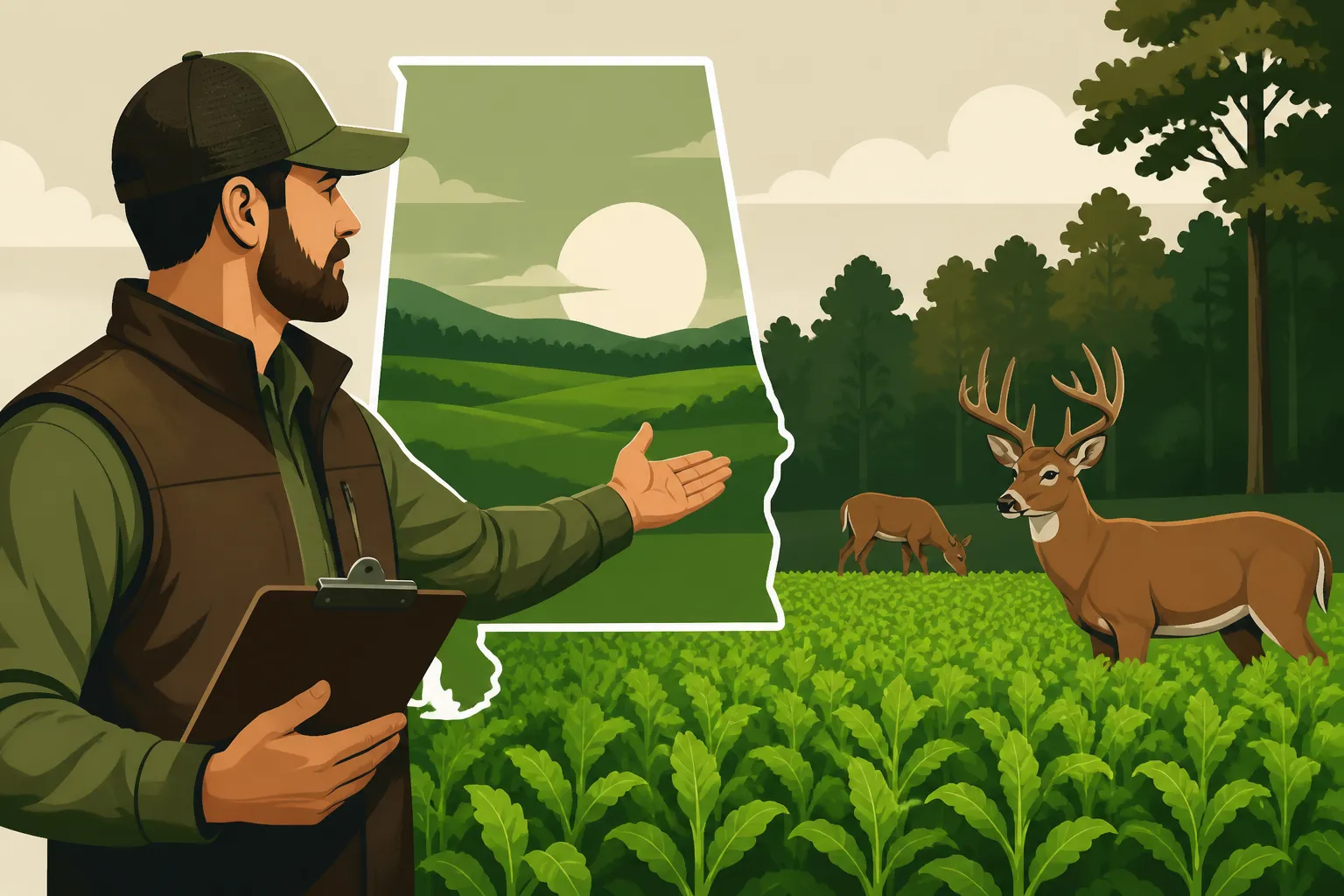
The first and arguably most critical step an experienced consultant will take is a thorough site assessment. This isn't just a quick look around; it's a deep dive into the specifics of your chosen food plot locations. They'll walk your land with you, observing crucial factors like sun exposure, drainage patterns, and proximity to natural cover and bedding areas. They'll also consider existing food sources and travel corridors that deer and turkeys are already using. Reading Aerial Photos for Piedmont Deer can be incredibly helpful during this stage, combined with on-the-ground observations.
But perhaps the most impactful part of this assessment is the soil analysis. I can't stress this enough: your soil is the foundation of your plot's success. A good consultant will take multiple soil samples from each proposed plot area, sending them off to a lab for detailed analysis. The results will reveal the pH levels, nutrient deficiencies (like nitrogen, phosphorus, and potassium), and even the soil's composition. Armed with this data, they can make precise recommendations for liming and fertilization, ensuring your soil provides the optimal environment for your chosen forage. This scientific approach is a far cry from guessing and truly sets the stage for success.
Tailored Seed Mix Recommendations and Planting Schedules
Once the soil analysis is complete and they understand your land's specific characteristics, the consultant will recommend seed mixes and planting schedules tailored specifically for your goals and conditions. This is where their expertise really shines, moving beyond generic advice to provide a custom plan. They'll consider factors like:
- Your hunting goals: Are you looking to attract deer during the early archery season, the peak of the Hunting the Rut in the Southern Zones, or provide critical late-season nutrition for does and fawns?
- Game species: While deer are often the primary target, certain mixes can also be fantastic for wild turkeys in Alabama, especially spring green-up plots.
- Climate and growing season: Alabama's long growing season means a wider array of options, but also requires careful planning for both cool-season (clover, wheat, oats, brassicas) and warm-season (soybeans, corn, lablab) plots. They might suggest a blend of annuals and perennials for year-round attraction. Late-Season Food Sources for Alabama Whitetails are often crucial for maintaining herd health through winter.
- Browsing pressure: If you have a high deer density, they might recommend more browse-tolerant plants or larger plots.
They'll also provide a precise planting schedule, taking into account average frost dates, rainfall patterns, and the optimal germination temperatures for each seed type. This detailed planning eliminates the guesswork and drastically increases your chances of a successful, productive plot. It’s a lot more effective than just trying to decide what to plant after a Hunting After a Poor Acorn Year leaves your deer herd without natural food.
Equipment Guidance and Implementation Support
One of the biggest hurdles for many landowners is the specialized equipment needed for effective food plot preparation and planting. Not everyone has access to a tractor, disc harrow, tiller, or planter. An outfitter's consulting service can offer invaluable guidance here.
They might:
- Advise on equipment: Help you determine what equipment you truly need based on your plot size and budget, and suggest reliable rental options or local agricultural service providers.
- Recommend specific implements: Based on your soil type and desired plot outcome, they can suggest the right disc settings, cultipacker type, or no-till planter specifications.
- Provide implementation services: Some outfitters actually offer to do the work for you, from tilling and liming to planting, especially for larger or more complex plots. This can be a huge relief if you lack the equipment, time, or physical ability to do it yourself.
- Help with ongoing maintenance: Beyond planting, they can offer advice on fertilization schedules, weed control, and plot rotation to ensure your plots remain productive year after year.
This support can turn what feels like an overwhelming task into a manageable project, ensuring your plots get the best possible start and continue to deliver results throughout the hunting season and beyond.
The Long-Term Benefits of Professional Food Plot Guidance
Investing in food plot consulting isn't just about getting a green field this season; it's about making a strategic, long-term investment in the health of your land and the quality of your hunting opportunities. The ripple effects of properly managed food plots extend far beyond the hunting season, creating a more robust and attractive habitat for all wildlife.
Maximizing Your Property's Potential
With an expert guiding your food plot strategy, you're truly maximizing every acre of your land. Instead of scattered, unproductive patches, you'll have well-planned, nutrient-rich food sources that actively draw in and hold deer and turkeys. This means a healthier deer herd overall, better fawn survival rates, and bucks with the potential to express their full antler growth. We all dream of seeing those big White-Tailed Deer Across Alabama on our property, and food plots are a huge part of achieving that.
Think about it: consistent, high-quality nutrition helps the deer maintain their body condition through the stresses of the rut and the colder months, making them more resilient. For Wild Turkeys in Alabama, especially poults, a diverse bug-rich plot can be a lifesaver. Properly located plots can also serve as key ambush points during hunting season, creating more consistent and predictable animal movement patterns. It's about designing a landscape that not only feeds the game but also provides them with everything they need to thrive right on your property. This can truly change your hunting dynamic, leading to more encounters and better success.
Cost-Effectiveness and Time Savings
It might seem counterintuitive to spend money on a consultant to save money, but hear me out. How much have you already spent on failed food plots? The cost of seed, fertilizer, fuel, and equipment rentals for a plot that doesn't produce adds up quickly. A consultant, while an upfront investment, significantly reduces the likelihood of these costly failures. They provide a precise plan, cutting down on wasted materials and ensuring your efforts are directed effectively.
Consider the cumulative cost of buying the wrong seed year after year, or applying lime and fertilizer without a soil test. That's money literally thrown to the wind. A consultant helps you make informed decisions, ensuring every dollar you spend on your plots is an investment, not a gamble. Furthermore, they save you countless hours of research, trial-and-error, and physical labor spent on unproductive efforts. Your time is valuable, and having a clear, expert-backed plan allows you to focus your energy where it will make the most impact. This efficiency translates directly into more enjoyable time spent on your land, rather than battling frustrating setbacks. Effective Food Plots on Alabama Private Land are a powerful tool.
Integrating Plots into a Broader Management Plan
Food plots are fantastic, but they're just one tool in a comprehensive land management toolbox. The real magic happens when they're integrated into a broader strategy that considers all aspects of habitat improvement. An outfitter with consulting expertise can help you see this bigger picture. They can advise on how your plots fit into:
- Bedding areas: Positioning plots strategically near dense cover encourages deer to bed on your property.
- Travel corridors: Using plots to influence deer movement between bedding and other food sources, funneling them past stand locations.
- Timber stand improvement: How thinning timber or conducting prescribed burns (like Prescribed Burns and Alabama Hunting Closures) can enhance natural browse and create openings for new plots.
- Water sources: Ensuring game has access to water near food and cover.
They can help you develop a multi-year land management plan that not only includes food plots but also addresses timber health, natural forage enhancement, and creating optimal sanctuaries. This holistic approach builds a truly superior habitat, benefiting your property and the wildlife that calls it home far beyond the scope of a single food plot. Even if you're looking at Hunting Small Private Tracts in Alabama, a good plan can make a huge difference.
Choosing the Right Alabama Outfitter for Your Consulting Needs
Finding the right person to help you transform your land is just as important as the plan itself. You want someone with genuine expertise, a deep understanding of Alabama's unique ecosystems, and a track record of success. Don't just pick the first name you see; do your homework to ensure a good fit.
What to Look For in a Consultant
When you're evaluating potential food plot consultants in Alabama, keep these key factors in mind:
- Alabama-Specific Experience: This is non-negotiable. Someone who's only worked in, say, the Midwest, might not understand the nuances of our sandy soils, our long growing seasons, or the specific feeding habits of Alabama Deer Population Estimate. Look for consultants with proven success in your specific region of Alabama—be it the Black Belt, the Piedmont, or the Coastal Plain.
- Ecological Understanding: They should not just know what to plant, but why. They should understand soil science, plant biology, and how different forage types interact with local wildlife. Ask them about their approach to managing deer pressure or dealing with specific Alabama pests.
- References and Track Record: Don't be afraid to ask for references from other landowners they've worked with. A reputable consultant will be happy to provide them. Speaking to previous clients can give you invaluable insight into their process, communication style, and, most importantly, the results they achieved. It's similar to the due diligence you'd do when asking Questions to Ask Before Booking an Alabama Hunt.
- Transparency in Pricing and Services: Get a clear, written quote that outlines all services included, such as site visits, soil testing, report generation, and any follow-up consultations. Understand how they charge—whether it's an hourly rate, a per-acre fee, or a flat project fee. Avoid consultants who are vague about their costs.
Utilizing Resources to Find a Consultant
So, where do you start looking for these expert consultants?
- Local Recommendations: Word-of-mouth is powerful. Talk to other successful landowners, hunting club members, or even your local co-op. They often know who the respected land managers and food plot gurus are in the area. This is how many Alabama Deer Camps and Hunting Clubs find their go-to experts.
- Wildlife Biologists and Forestry Professionals: Reach out to your county Extension office or the Alabama Department of Conservation and Natural Resources (ADCNR). While they might not offer direct consulting, they can often point you toward qualified private professionals or provide general resources for land management.
- Online Platforms and Outfitter Directories: While platforms like BookYourHunt and GoHunt are primarily known for listing guided hunting trips, it's worth checking if any outfitters listed also advertise land management or food plot consulting services. Sometimes outfitters who manage large leases for hunting also offer these services to private landowners. You might need to reach out directly to inquire, as consulting might not be their primary advertised service. Consider it another avenue, much like researching Finding an Alabama Hunting Lease online.
- Professional Organizations: Look for consultants affiliated with professional wildlife or forestry organizations in Alabama. Membership often indicates a commitment to best practices and ongoing education.
Understanding the Consulting Process
Knowing what to expect can make the process much smoother. Typically, food plot consulting follows a structured approach:
- Initial Consultation: This is usually a phone call or preliminary meeting where you discuss your property, your goals, and your budget. The consultant will ask about your experience, the game you want to attract, and any specific challenges you're facing.
- Site Visit and Assessment: If both parties agree to move forward, the consultant will schedule a visit to your property. This is where they'll perform the detailed site assessment, take soil samples, and get a hands-on understanding of your land.
- Report and Recommendations: After analyzing the soil samples and their observations, the consultant will provide a comprehensive report. This document will outline their findings, detailed recommendations for soil amendments (lime, fertilizer), specific seed mixes, planting dates, and a suggested layout for your plots. It might also include advice on equipment and ongoing maintenance. This report should be clear, actionable, and easy to understand.
- Implementation Support and Follow-Up: Some consultants offer ongoing support during the implementation phase, whether it's through phone calls, additional site visits, or even supervising the planting. They might also offer follow-up consultations to assess the success of the plots and make adjustments for future seasons. It’s an ongoing process, much like understanding and Reading an Alabama Harvest Report annually helps refine your long-term deer management strategy.
By choosing the right consultant and understanding the process, you're setting yourself up for successful food plots that will contribute significantly to the health of your wildlife and your enjoyment of your Alabama hunting land.
| Feature | DIY Food Plot Approach | Outfitter Consulting Approach |
|---|---|---|
| Initial Cost | Lower (seed, fertilizer, fuel) | Higher (consulting fee + seed, fertilizer, fuel) |
| Long-Term Success | Variable, often trial-and-error | High, data-driven and tailored |
| Time Commitment | High (research, planting, troubleshooting) | Moderate (implementation, guided by expert) |
| Expertise | Self-taught, generic advice | Specialized, Alabama-specific ecological knowledge |
| Equipment | Owner's, rented, or borrowed | Owner's, rented, or outfitter's services |
| Soil Analysis | Often skipped or basic | Standard, comprehensive lab analysis |
| Customization | Limited, based on common knowledge | Highly specific, tailored to property and goals |
| Frustration Level | Can be high with failures | Lower, with clear plan and support |
| Overall Habitat | Plots often isolated | Integrated into broader land management strategy |
Disclaimer
This article is for general informational purposes only and does not constitute professional advice. Laws, prices and regulations vary by location and change over time. Consult a qualified professional for guidance on your specific situation.