Hog Hunting Outfitters and Night Hunts
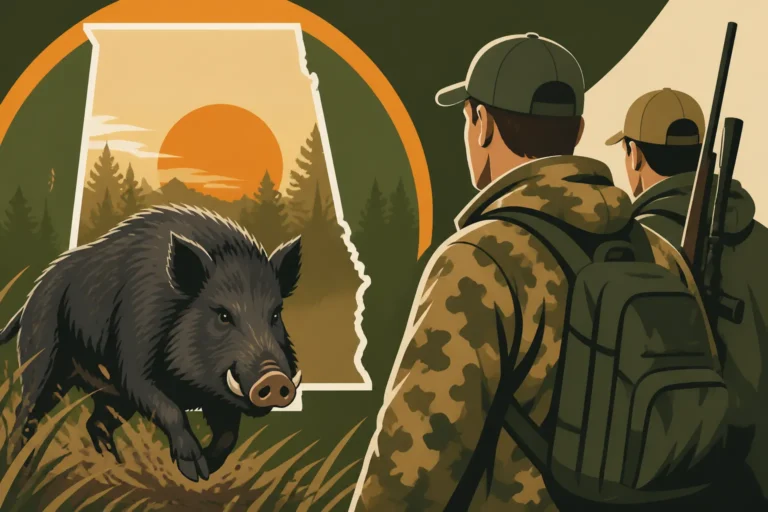
The relentless spread of feral hogs across Alabama is a genuine headache for landowners, farmers, and even other wildlife. These destructive animals cause millions in damage annually, disrupt native habitats, and can be incredibly difficult to control on your own. If you're looking to make a significant dent in the hog population, or simply experience an exhilarating hunt for a truly challenging quarry, understanding how Alabama hog hunting outfitters operate—especially their specialized night hunts—can provide a highly effective solution and an unforgettable adventure. This guide will walk you through everything you need to know about booking a guided hog hunt in the Yellowhammer State.
Why Consider an Alabama Hog Hunting Outfitter?
Hunting feral hogs isn't just a sport; it's a vital part of land management and conservation in Alabama. These animals are prolific breeders and incredibly destructive, making their control a year-round necessity. For many, tackling this problem effectively means turning to the professionals.
The Unrelenting Feral Hog Problem in Alabama
It's hard to overstate the impact of feral hogs in Alabama. They're an invasive species with no natural predators to keep their numbers in check, and they reproduce at an alarming rate. A sow can have multiple litters in a single year, with each litter containing a dozen piglets or more. This means their populations can explode in a very short time. Farmers watch helplessly as entire fields of corn, peanuts, and soybeans are rooted up overnight, leading to massive financial losses. Crop Damage Hogs Cause in Alabama goes into more detail about the specific agricultural challenges.
Beyond agriculture, feral hogs devastate native plant communities by rooting, outcompeting native wildlife for food sources like acorns, and even preying on fawns and turkey poults. The sheer number of these animals in certain parts of the state makes it clear that traditional hunting methods, while enjoyable, often don't keep pace with their reproductive capabilities. When you team up with an outfitter, you're not just going on a hunt; you're actively participating in a crucial effort to protect Alabama's natural resources and agricultural economy.
Leveraging Local Expertise and Gear
One of the biggest advantages of booking with an Alabama hog hunting outfitter is the access to their specialized knowledge and equipment. Most individual hunters simply don't have the extensive network of trail cameras, thermal imaging scopes, night vision binoculars, or even reliable hog traps that an experienced outfitter possesses. These guides spend countless hours scouting, monitoring hog movements, and understanding their patterns. They know where hogs are feeding, where they're bedding, and their preferred travel corridors, often based on years of experience on specific tracts of land.
This intimate knowledge is invaluable. Instead of spending days trying to locate hogs on public land, a guide can put you on animals within hours, significantly increasing your chances of a successful hunt. Furthermore, the specialized gear for night hunting—which we’ll dive into more deeply soon—is expensive and requires expertise to use effectively. An outfitter provides all of this, allowing you to focus on the thrill of the hunt rather than the logistics of acquiring and learning complex equipment.
Access to Prime Hunting Ground
Let's face it: finding private land to hunt in Alabama can be tough. Many of the areas with the highest hog populations are on private farms or timber tracts where permission is hard to come by. This is where outfitters really shine. They often have exclusive leasing agreements with landowners who are desperate for hog removal. These properties can span thousands of acres, ranging from fertile Black Belt farmlands to dense river bottom swamps.
This means that instead of battling crowds on public land or endlessly knocking on doors for permission, you're stepping onto ground that's actively managed for hog control, where the animals are plentiful and often less pressured. Do Feral Hogs Need Landowner Permission? clarifies the legal side, but with an outfitter, that burden is handled for you. They’ve done the legwork to secure prime spots, often with established baiting programs or known hog travel routes, setting you up for the best possible experience.
Understanding Night Hunting for Hogs
While hog hunting can happen any time of day, night hunting has become increasingly popular and effective, especially with the advent of modern technology.
The Advantage of Darkness
Feral hogs are naturally crepuscular and nocturnal animals. This means they are most active during dawn, dusk, and throughout the night, especially in areas with significant hunting pressure or during hot Alabama summers. They use the cover of darkness to move more freely, forage in open fields, and avoid human interaction. Trying to hunt them during the day can be an exercise in frustration, as they often lay up in thick cover, only emerging when the sun begins to set.
Hunting at night exploits this natural behavior. You're hunting when the hogs are most comfortable and active, dramatically increasing your chances of an encounter. The cooler night temperatures also mean less stress on both hunters and hogs, and for the hunter, a more comfortable experience than sweating through a hot afternoon. It’s an entirely different kind of hunt, requiring patience, quiet movement, and specialized tools to navigate and identify your quarry.
Specialized Equipment for Night Hunts
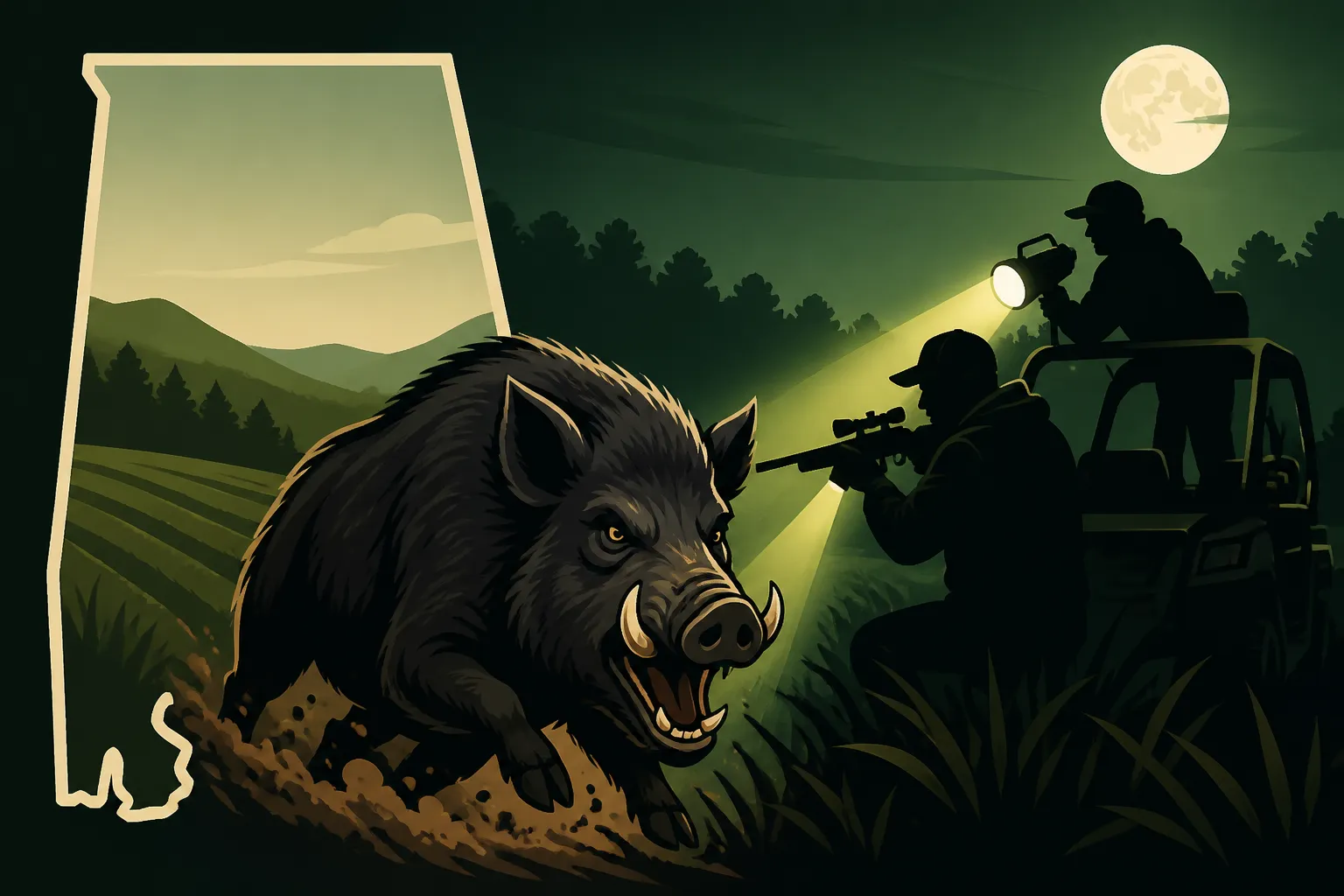
Night hunting is a world away from traditional daytime hunting, largely due to the essential specialized equipment involved. The most common and effective tools are thermal imaging scopes, night vision devices, and powerful, often red or green, spotlights. Thermal imaging detects heat signatures, making it incredibly effective for locating hogs in thick brush or open fields, even in complete darkness. You'll see a distinct heat outline of the animal against a cooler background.
Night vision, on the other hand, amplifies ambient light, allowing you to see in near-dark conditions. While not as effective at penetrating cover as thermal, it provides a clearer, more traditional "view" of the landscape and the animal once detected. Many outfitters will integrate both technologies into their hunts. Finally, specialized lights, often mounted on firearms, are crucial for target identification and shot placement. Night Hog Hunting Light Rules in Alabama details the legal aspects of using lights, and outfitters are well-versed in these regulations to ensure a safe and legal hunt. This combination of gear turns the night into your ally, rather than an obstacle.
Safety Considerations and Legalities
Hunting at night, especially with specialized equipment, carries inherent risks that make a guided trip particularly appealing. Reduced visibility, even with thermal or night vision, means you need to be acutely aware of your surroundings, your shooting lanes, and the location of your hunting partners. An experienced outfitter prioritizes safety above all else. They'll conduct thorough safety briefings, ensure proper communication protocols, and guide you through unfamiliar terrain safely.
Legally, Alabama has specific rules regarding night hunting for hogs. While it's generally allowed on private land year-round, the use of artificial lights is also permitted. However, understanding the nuances of these regulations, and ensuring you're compliant, is key. Your outfitter will handle all the legalities, ensuring that your hunt is conducted within state guidelines. They'll also ensure that only appropriate calibers and shot types are used for humane and effective harvesting, maintaining ethical hunting standards even under the cover of darkness.
Types of Guided Hog Hunts in Alabama
Alabama outfitters offer a variety of hog hunting experiences, each with its own unique thrill and approach. Choosing the right one depends on your preferences, physical capabilities, and what kind of adventure you're seeking.
Thermal and Night Vision Hunts
These hunts represent the cutting edge of hog hunting. Hunters typically sit in elevated stands overlooking bait sites or move stealthily through fields and timber using thermal and night vision equipment. The quiet intensity of spotting a heat signature moving through a dark field, then carefully positioning for a shot, is incredibly exciting. These hunts often take place from fixed blinds or during spot-and-stalk excursions across large private properties, leveraging the hogs' nocturnal habits.
Outfitters who specialize in thermal and night vision hunts will have high-quality equipment, often provided as part of the package, and guides who are proficient in its use. They'll teach you how to scan, identify, and track hogs in the dark. These hunts can offer multiple opportunities for shots in a single night, as sound carries differently and hogs may not immediately spook as they would in daylight. It's a high-tech, high-adrenaline experience that often yields impressive results, especially for hunters looking to take several hogs.
Dog-Assisted Hog Hunts
For a truly traditional and heart-pounding experience, a dog-assisted hog hunt is hard to beat. This method involves a team of trained dogs—typically "bay dogs" that track and corner the hog, and "catch dogs" that physically hold it—and hunters following on foot or ATVs. The sound of bay dogs hot on a hog's trail, culminating in a furious bay-up, is an experience like no other. This isn't just a hunt; it's an intense physical challenge and a test of grit.
Running Dogs on Alabama Feral Hogs provides a deeper dive into this exciting method. Hunters often move quickly through dense cover, sometimes running or jogging to keep up with the dogs. The final encounter with the hog is close-quarters and requires quick thinking and precise action. While a knife is often used for the harvest in the traditional sense, some outfitters allow firearms in conjunction with dogs, especially for larger or more aggressive hogs. This type of hunt is not for the faint of heart and is best suited for those who are physically fit and ready for a wild ride.
Baited Site Hunts and Trap-and-Shoot
Another common and highly effective method for controlling hog populations, and thus a popular guided hunt, is hunting over baited sites. Outfitters will establish several bait sites on their properties, usually using corn or other attractants, which are monitored with trail cameras to determine hog patterns and preferred feeding times. Hunters then sit in comfortable ground blinds or elevated stands overlooking these sites, often during late evening or night, waiting for hogs to show up.
This method can be less physically demanding than dog hunts or spot-and-stalk, making it accessible to a wider range of hunters. It's also an excellent way to harvest multiple hogs as they often arrive in groups. Sometimes, outfitters will combine baiting with trapping. They'll set up large, robust traps designed to capture entire sounders (groups of hogs). Once a trap has several hogs, the outfitter might offer a "trap-and-shoot" experience, where hunters dispatch the trapped animals in a controlled and humane manner. This is often more about population control than a traditional spot-and-stalk hunt, but it's incredibly effective and guarantees opportunities. Building and Freshening a Hog Bait Site discusses the nuances of effective baiting.
What to Expect from an Alabama Hog Hunting Outfitter
Once you’ve decided that a guided hog hunt is for you, understanding the typical process, from booking to the actual hunt and beyond, will help set realistic expectations and ensure a smooth experience.
Booking and Preparation
The journey begins with finding the right outfitter. Websites like BookYourHunt or GoHunt can be excellent resources for finding reputable Alabama hog hunting outfitters, allowing you to compare services, locations, and read reviews. When you're researching, don't hesitate to ask a lot of questions. Inquire about the type of hunt (thermal, dog, baited), typical success rates, the size of the hunting area, and what's included in the package price. Vetting an Alabama Outfitter Before You Book emphasizes the importance of due diligence.
Once you’ve settled on an outfitter, they’ll typically require a deposit to secure your dates. They’ll also provide a list of recommended gear: comfortable clothing suitable for the Alabama climate (which can be surprisingly warm even at night, or chilly in winter), sturdy boots, insect repellent, and any personal items. While outfitters provide specialized hunting equipment like thermal scopes or firearms if needed, you'll still need your Alabama hunting license. Be sure to clarify what the outfitter expects you to bring and what they supply. Questions to Ask Before Booking an Alabama Hunt is a great checklist to use.
Typical Hunt Experience and Logistics
A guided hog hunt often starts with a welcome and orientation at the outfitter's lodge or meeting point. This is where your guide will cover safety protocols, discuss the plan for the night, and ensure everyone is on the same page. Depending on the type of hunt, you might be transported to a pre-scouted stand overlooking a bait site, or you could embark on a spot-and-stalk mission using ATVs or side-by-sides to cover ground, then move on foot.
Communication with your guide is key throughout the hunt. They will be actively scanning for hogs, providing instructions, and making decisions based on their knowledge of the area and current conditions. For night hunts, the focus is often on quiet movement, careful observation through optics, and precise shot placement. You might spend several hours observing before a shot opportunity arises, or you might find action quickly. The guide's job is to maximize your chances while ensuring safety and ethical hunting practices.
Post-Hunt Processing and Logistics
After a successful harvest, the work isn't quite over. Your guide will assist with retrieving the hog, which can be a significant task for larger animals, especially in dense terrain. Field dressing is typically done on-site to cool the meat quickly, a crucial step in warm Alabama weather. Many outfitters offer basic field dressing as part of their service. Some may even have facilities for skinning and quartering the hog, or they can direct you to local processors.
It’s important to clarify these post-hunt services when booking. If you plan to take the meat home, you’ll need a cooler large enough to transport it. The guide will also ensure that all necessary reporting, such as through Alabama's Game Check system, is handled correctly. Handling a Hog After the Shot provides more details on what to do immediately after a successful harvest. Making these arrangements beforehand ensures a smooth departure and that your hard-earned wild pork is properly cared for.
Choosing the Right Outfitter and What it Costs
With so many outfitters in Alabama, selecting the best one for your hog hunting adventure can feel daunting. Thinking critically about what you want and what your budget allows will make the decision easier.
Factors in Outfitter Selection
When you're choosing an outfitter, several factors should weigh heavily in your decision. First, consider the type of hunt they specialize in. Do you want the high-tech thrill of thermal hunting, the raw excitement of a dog hunt, or the patient anticipation of a baited stand? Ensure their primary offering aligns with your desired experience. Second, look at their reputation and experience. How long have they been in business? Do they have positive reviews and testimonials? Websites like GoHunt can sometimes aggregate reviews, but don't hesitate to ask the outfitter for references from past clients.
Third, investigate their land access. Do they operate on vast private acreage with high hog concentrations, or smaller, more pressured tracts? An outfitter with extensive, well-managed property significantly increases your chances of success. Finally, assess the guide's experience and personality. A good guide is not just knowledgeable but also personable, patient, and safety-conscious. You'll be spending a significant amount of time with them, so a good fit is important.
Understanding Pricing and Packages
The cost of a guided hog hunt in Alabama can vary widely, from a few hundred dollars for a basic day hunt to several thousand for multi-day, all-inclusive packages. Generally, factors influencing price include:
- Duration of the hunt: Day hunts are cheaper than multi-day packages.
- Type of hunt: Thermal hunts with expensive equipment might command a higher price than a simple stand hunt. Dog hunts can also be pricier due to the specialized animals and handlers involved.
- Inclusions: Does the price include meals, lodging, weapons rental, ammunition, or basic meat processing? All-inclusive packages will naturally cost more but can offer great value.
- Number of hogs: Some outfitters charge per hog, while others offer a flat rate for a certain number or even an unlimited number of hogs.
- Trophy vs. meat hunt: While hogs aren't typically "trophies" in the deer sense, some hunters seek out exceptionally large boars, and some outfitters might have different pricing for these.
It’s crucial to get a detailed breakdown of what's included and what's not before booking. This prevents any unpleasant surprises down the road. For an idea of the range, What a Guided Night Hog Hunt Costs explores the financial side in more detail.
| Hunt Type | Typical Duration | Inclusions (Common) | Physical Demands | Price Range (General Shape) |
|---|---|---|---|---|
| Baited Stand Hunt | 1-2 nights | Stand, bait, guide | Low to Medium | Entry-level to Moderate |
| Thermal/NV Spot & Stalk | 1-2 nights | Thermal/NV gear, guide, vehicle | Medium to High | Moderate to Premium |
| Dog-Assisted Hunt | 1 day | Dogs, dog handlers, guide, vehicle | High | Moderate to Premium |
| All-Inclusive Package | 2-3 days | Lodging, meals, gear, guide | Varies | Mid-range to High-End Luxury |
Note: Prices vary significantly by outfitter, season, and services offered. Always check with the specific provider for current figures.
Maximizing Your Investment
To get the most out of your guided hog hunt, approach it with an open mind and a readiness to learn. First, be honest with your outfitter about your experience level and physical capabilities. This helps them tailor the hunt to your needs and set realistic expectations. Second, communicate clearly and frequently. If you have questions or concerns before or during the hunt, voice them.
Third, arrive prepared. Ensure you have the right clothing, boots, and any personal items recommended by the outfitter. A good night's rest before a night hunt is also crucial! Finally, embrace the experience. Even if the hog numbers aren't what you expected, or the weather turns sour, a positive attitude will make a huge difference. You're exploring some of Alabama's most interesting landscapes, learning from experienced professionals, and participating in a vital conservation effort. A successful hunt isn't just about the number of hogs harvested, but the memories made and the knowledge gained.
Feral hog hunting in Alabama, particularly with the specialized techniques employed by outfitters for night hunts, offers a unique and impactful way to engage with the outdoors. It addresses a critical ecological challenge while delivering an exciting, challenging, and deeply rewarding experience. By choosing a reputable outfitter, understanding the methodologies, and preparing properly, you're set for an unforgettable adventure in the heart of Alabama's wild country.
Disclaimer
This article is for general informational purposes only and does not constitute professional advice. Laws, prices and regulations vary by location and change over time. Consult a qualified professional for guidance on your specific situation.