Booking a Guided Alabama Hog Hunt
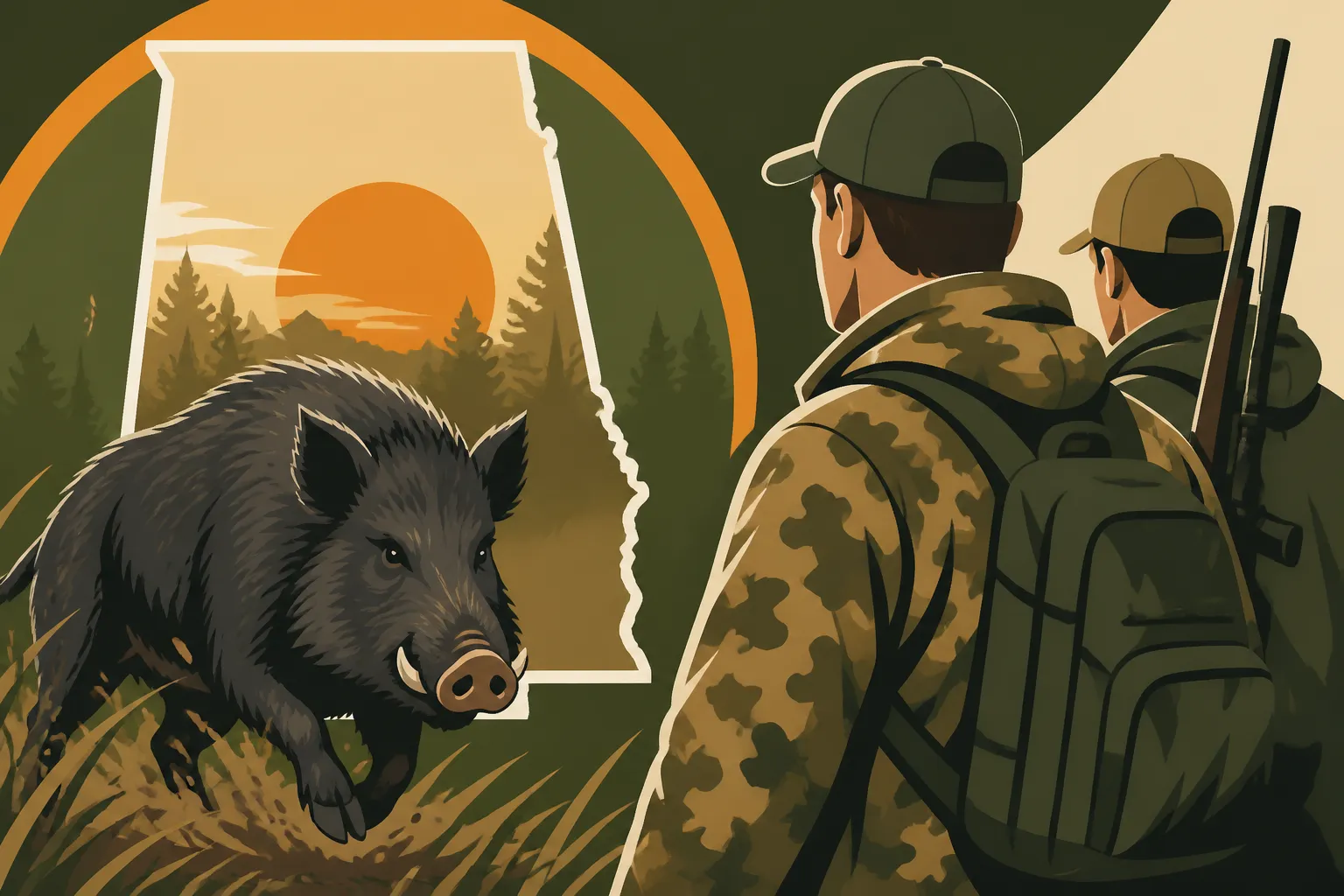
Feral hogs are a rampant issue across Alabama, causing immense damage to agriculture and natural habitats. For many hunters, especially those new to the challenges these intelligent, tough animals present, tackling them solo can feel like an impossible task. This comprehensive guide will walk you through everything you need to know about booking a guided hog hunt in Alabama, helping you choose the right experience, prepare properly, and ensure a successful and exciting adventure in the field.
Why a Guided Hog Hunt in Alabama Makes Sense
Alabama's feral hog population is massive, and while that means plenty of hunting opportunities, it also means these animals are incredibly adept at survival. They're smart, nocturnal, and can vanish into the thickest cover faster than you can blink. For many, a guided hunt isn't just a luxury; it's often the most effective, safest, and most rewarding way to pursue these challenging animals, especially if you're not intimately familiar with the local terrain or hog behavior.
The Ever-Growing Hog Problem in Alabama
It's no secret that Alabama has a significant feral hog problem. These animals reproduce at an astonishing rate, with sows capable of having multiple litters a year. They devastate crops, root up pastures, and even prey on fawns and turkey poults, making them a top concern for landowners and wildlife managers alike. The sheer numbers and their destructive nature mean there's always an open season on hogs, and many landowners are desperate for help in controlling them. This creates a unique hunting opportunity that guides are perfectly positioned to capitalize on. They often have access to prime private land that's heavily impacted by hogs, offering you a chance to truly make a difference while enjoying an action-packed hunt. It's a win-win: you get a thrilling experience, and the landowner gets some much-needed relief. If you've ever heard a farmer lamenting their ruined soybean field, you'll understand the urgency.
The Undeniable Benefits of Hunting With a Professional Guide
When you hire a guide for an Alabama hog hunt, you're not just paying for someone to point you towards an animal. You're investing in their invaluable expertise, their meticulously scouted land, and often, their specialized equipment. Guides spend countless hours tracking hog movements, setting up bait sites, and learning the patterns unique to their specific hunting areas. They understand How Many Feral Hogs Alabama Has and how to effectively manage them. This intimate knowledge is something you simply can't gain from a few days of scouting on your own, especially if you're traveling from out of state. They'll know where the hogs are feeding, where they're bedding, and how to approach them without spooking the whole sounder. Beyond location, guides provide essential gear like thermal optics for night hunts, specialized vehicles for difficult terrain, and the crucial local insights that can turn a frustrating outing into a successful one.
Who Benefits Most from a Guided Hog Hunt
While anyone can enjoy a guided hunt, certain types of hunters find them particularly beneficial. If you're new to hunting, a guide provides a safe and educational introduction, teaching you about shot placement, tracking, and game recovery. Out-of-state hunters, who might not be familiar with Alabama's unique topography, weather patterns, or specific Alabama Feral Hog Regulations, gain instant local expertise. Hunters with limited time, such as those on a short vacation, maximize their chances of success by leveraging a guide's pre-scouted locations and efficient strategies. Even seasoned Alabama hunters might opt for a guide when they want to try a new method, like thermal hunting, or access private land that would otherwise be unavailable. It's about optimizing your time and effort for the best possible experience.
Understanding Alabama's Feral Hog Regulations and Seasons
Unlike deer or turkey, feral hogs are not considered game animals in Alabama. They're classified as a nuisance species, which means the regulations around hunting them are much more flexible, offering year-round opportunities and unique methods not permitted for other game. However, "flexible" doesn't mean "non-existent," and understanding the rules, especially regarding public versus private land and specific hunting methods, is crucial for a legal and successful hunt.
Year-Round Opportunities on Private Land
One of the greatest advantages of hunting feral hogs in Alabama is that there is no closed season or bag limit on private land. This means you can pursue hogs 365 days a year, morning, noon, or night. This flexibility is a huge draw for guides, as they can tailor hunts to your schedule and the hogs' patterns, rather than being restricted by seasonal windows. Guides with extensive private land leases often have bait sites established and running continuously, ensuring consistent hog activity. This continuous pressure is often the only way to manage hog numbers effectively, and it provides a fantastic hunting experience when other seasons are closed. It's why booking a hog hunt can be a great way to scratch that hunting itch during the off-season for other species.
Night Hunting Rules and Equipment
Night hunting for hogs is not only legal on private land in Alabama, but it's also incredibly effective due to the hogs' nocturnal habits. Many guides specialize in Night Hunting Hogs With Lights on Private Land, offering a thrilling experience that requires specialized equipment like thermal imaging scopes, night vision binoculars, and powerful spotlights. While the rules are generally permissive, it's essential to understand that certain types of lights or equipment might have limitations. Your guide will be well-versed in these specifics and will provide or recommend the necessary gear. Hunting under the cover of darkness adds an entirely new dimension to the pursuit, often allowing closer approaches and more opportunities as hogs feel safer out in the open. It's truly a unique adrenaline rush.
Public Land Considerations
While private land offers year-round, unrestricted hog hunting, the rules on Alabama's public lands, such as Wildlife Management Areas (WMAs) and National Forests, are much stricter. On public land, feral hogs can only be hunted during open gun or archery seasons for other game species, primarily deer and turkey. This means you can't just show up any time to hunt hogs. Furthermore, specific methods like night hunting or baiting are typically prohibited. Your guide will exclusively operate on private land to offer the full range of hog hunting experiences, especially thermal and dog hunts. If you're considering a public land hog hunt, you'll need to meticulously check the specific WMA or National Forest regulations, as they can vary. However, for a dedicated hog hunt experience, private land guided options are almost always the way to go.
Exploring Different Types of Guided Hog Hunts
The beauty of hog hunting in Alabama is the variety of methods available, each offering a distinct experience. A good outfitter will often specialize in one or two types, ensuring they have the expertise and equipment to provide a top-notch hunt. Understanding these differences will help you choose the adventure that best suits your hunting style and preferences.
Baited Stand and Blind Hunts
This is perhaps the most common and accessible type of guided hog hunt, often appealing to hunters who prefer a more patient, traditional approach. Guides will have pre-established bait sites, typically using corn or other feed, that hogs regularly visit. You'll hunt from a comfortable ground blind or an elevated stand overlooking these feeding areas, often in the late afternoon or early morning. The guide will have scouted these locations extensively using trail cameras to confirm hog activity and patterns. This method allows for a more controlled shot opportunity and is excellent for rifle hunters, crossbow users, or even traditional archers willing to wait it out. It's less physically demanding and can be a fantastic way to introduce new hunters or youth to the excitement of the chase. You'll likely see other wildlife too, adding to the overall experience. Building and Freshening a Hog Bait Site is an art form in itself, and guides have mastered it.
Thermal and Night Vision Hunts
For an intense, high-tech, and incredibly effective hog hunt, thermal and night vision hunts are hard to beat. As hogs are largely nocturnal, pursuing them after dark with specialized optics dramatically increases your success rate. Your guide will likely take you out in a vehicle, driving across fields and open areas, using thermal scopes to spot heat signatures of hogs from a distance. Once a sounder is located, a stalk begins. This method is exhilarating, challenging, and often yields multiple hogs in a single outing. It requires hunters to be proficient with their rifle and comfortable shooting in low-light conditions with the aid of technology. Many outfitters now specialize in Thermal-Assisted Hog Guide Packages, and it's quickly becoming one of the most popular ways to hunt these destructive animals. The silence of the night, punctuated only by the distant grunts of hogs, creates an unforgettable atmosphere.
Dog-Assisted Hunts
If you're looking for an adrenaline-fueled, action-packed hunt that truly embodies a traditional Southern hunting experience, a dog-assisted hog hunt is it. This method involves a team of highly trained dogs, typically "bay dogs" that locate and loudly corner the hog, and "catch dogs" that move in to hold the hog for the hunter to dispatch. You'll follow the dogs, often on foot through thick brush, listening to the cacophony of bays until you reach the standoff. This is a physically demanding hunt, requiring stamina and the ability to move quickly through challenging terrain. It's not for the faint of heart, but the raw excitement of hearing the dogs work and closing in on a wild hog is unparalleled. Many guides who offer Running Dogs on Alabama Feral Hogs have generational experience with this method and take immense pride in their canine companions.
What to Look for in an Alabama Hog Hunting Outfitter
Choosing the right outfitter is paramount to a successful and enjoyable hog hunt. With many guides operating across the state, it's important to do your homework and ensure you're booking with a reputable and experienced professional. Don't just pick the first name you find; take the time to vet them thoroughly.
Experience and Reputation
A guide's experience and reputation are your best indicators of a quality hunt. Look for outfitters who have been operating in Alabama for several years and specialize specifically in hog hunting. Check their websites, social media, and read reviews from previous clients. Platforms like BookYourHunt and GoHunt can be great starting points for researching outfitters and reading testimonials. Pay attention to comments about safety, communication, and the overall experience, not just harvest rates. A truly experienced guide won't just put you on hogs; they'll also educate you, ensure your safety, and make the entire trip memorable, even if every shot doesn't connect. Don't be shy about asking for references; reputable guides are happy to provide them.
Land Access and Hog Density
The success of a hog hunt largely depends on the outfitter's access to land with a high density of hogs. Ask potential guides about the acreage they hunt and whether it's private or public land (as discussed, private is almost always preferred for hogs). Enquire about their hog management practices and how they ensure a consistent hog population. Do they manage bait sites? Do they use trail cameras year-round? Are they actively involved in trapping or other control measures that demonstrate a commitment to a healthy, huntable population? A guide with exclusive access to large tracts of private land that are actively managed for hogs will almost always offer a better opportunity than someone relying on smaller, less controlled properties. Good land access is the backbone of consistent success. Which Alabama Counties Have the Most Hogs can be a useful factor to consider when evaluating an outfitter's location.
Equipment and Safety Protocols
Different hog hunting methods require specific equipment, and a professional outfitter should have well-maintained, reliable gear. For thermal hunts, ask about the quality of their optics. For dog hunts, inquire about the health and training of their dogs. Confirm what equipment they provide (e.g., firearms, ammo, blinds, stands, transportation) and what you are expected to bring. Safety should always be the guide's top priority. Ask about their safety briefings, emergency procedures, and how they handle firearms in the field, especially during night hunts or fast-paced dog drives. A guide who emphasizes safety and has clear protocols in place demonstrates professionalism and care for their clients. Never compromise on safety for the sake of a hunt.
Cost and Inclusions: Decoding Guided Hog Hunt Packages
Understanding the financial aspect of a guided hog hunt can sometimes feel like deciphering a cryptic code. Packages vary widely in price and what they include, so it's essential to scrutinize the details to avoid any surprises down the road. Don't assume anything; if it's not explicitly stated, ask!
Typical Pricing Structures
Guided hog hunts typically fall into a few pricing structures. You might find day rates, where you pay a set fee for a single day of hunting, often without lodging or meals. This can be a good option for locals or those staying nearby. Multi-day packages are more common, offering 2-3 days of hunting, usually including lodging and sometimes meals. These packages often provide a better value and more opportunities for success. Finally, all-inclusive packages bundle everything: hunting, lodging, meals, basic processing, and sometimes even airport pickup. These are ideal for out-of-state hunters who want a seamless, worry-free experience. When comparing prices, always consider the duration of the hunt, the number of hogs included (some guides charge trophy fees for larger hogs or an extra fee per additional hog harvested), and any other amenities that might be part of the deal.
What's Included and What's Not
This is where the fine print matters. Always clarify exactly what your package covers. Common inclusions might be:
- Guide Services: The actual time spent in the field with your guide.
- Lodging: On-site cabins, lodge rooms, or nearby hotel arrangements.
- Meals: Breakfast, lunch, and dinner, or sometimes just dinner at the lodge.
- Field Transportation: Getting to and from hunting areas.
- Basic Field Dressing: Initial gutting of the hog.
- Weapons Rental: If you don't bring your own or need specific gear like thermal rifles.
What's often not included, or is an extra charge:
- Alabama Hunting License: You are responsible for purchasing your own.
- Meat Processing: Beyond basic field dressing, like skinning, quartering, or professional butchering.
- Taxidermy: If you want a shoulder mount or European mount.
- Ammunition: For rented firearms.
- Tips for the Guide: This is customary and expected.
- Travel to the Lodge: Airfare, fuel, etc.
- Alcoholic Beverages: Usually BYOB or an extra charge.
A good outfitter will provide a clear breakdown of inclusions and exclusions. Make sure you understand the Average Cost of a Guided Alabama Deer Hunt if you're also considering other species, as hog hunt costs can be quite different.
Hidden Fees and Extra Costs
No one likes unexpected charges. Before you finalize your booking, ask directly about any potential "hidden" fees. These can include:
- Trophy Fees: For particularly large hogs or specific types.
- Additional Hog Fees: If you harvest more hogs than your package allows.
- Non-Hunter Fees: If you bring a guest who isn't hunting.
- Processing Upgrades: For vacuum sealing or custom cuts.
- Transportation Surcharges: For pickups from distant airports.
- Gratuities: While not a "fee," it's an expected cost that should be budgeted for.
Always request a written quote or contract that clearly outlines all costs. This transparency will prevent misunderstandings and allow you to budget accurately for your dream hunt. A reputable outfitter will be upfront about all costs.
Preparing for Your Alabama Hog Hunt
Once you've booked your guided hunt, the real anticipation begins! Proper preparation is key to making the most of your adventure. From physical readiness to packing the right gear and understanding what happens after the shot, thinking ahead will ensure a smoother, more enjoyable experience.
Physical and Mental Readiness
While a baited blind hunt might not be overly strenuous, a dog hunt or a long thermal stalk can be surprisingly physically demanding. You might be walking through thick briars, crossing uneven terrain, or moving quickly over short distances. It's wise to engage in some light cardio and stretching in the weeks leading up to your hunt. Mentally, be prepared for anything. Hogs are unpredictable. You might see dozens, or you might have to sit patiently for hours. Be flexible, maintain a positive attitude, and trust your guide's expertise. The excitement of the chase, especially at night or with dogs, is a unique thrill, but it requires focus and quick decision-making. Don't underestimate the mental game; sometimes, patience is your best weapon.
Essential Gear Checklist
Your outfitter will provide a specific gear list, but here are some general items to consider:
| Category | Essential Items | Notes |
|---|---|---|
| Clothing | Layered clothing (moisture-wicking base, insulating mid-layers, durable outer layer), waterproof jacket/pants | Alabama weather can change quickly. Long sleeves/pants for briars. Darker colors for night hunts. |
| Footwear | Comfortable, waterproof, broken-in hunting boots | You'll be walking, potentially through mud or wet grass. An extra pair of socks is always a good idea. |
| Personal Gear | Headlamp with red light option, small backpack, water bottle, bug spray (critical!), sunscreen, small first-aid kit | A red light preserves night vision. Bug spray is non-negotiable in Alabama. |
| Hunting Gear | Your preferred firearm/bow & ammunition (if not provided), knife, binoculars (day hunts), rangefinder, ear protection | Confirm calibers with your guide. Ensure your rifle is zeroed. Ear protection is a must, especially for dog hunts or night shooting. |
| Documentation | Valid Alabama hunting license, photo ID, booking confirmation | Have your license readily accessible, preferably on your phone or printed. |
Always double-check with your outfitter for their specific recommendations, especially regarding firearms and optics. If you're using your own rifle, ensure it's sighted in and you're proficient with it. For night hunting, a quality scope and powerful flashlight are crucial, but your guide will likely provide the specialized thermal or night vision equipment.
Understanding the Shot and Aftercare
Before the hunt begins, have a clear discussion with your guide about ethical Shot Placement on a Feral Hog. Hogs are tough animals, and proper shot placement is crucial for a quick, humane kill and effective recovery. Generally, a shot through the shoulder aiming for the heart/lungs is ideal. Your guide will likely walk you through this. After the shot, the work isn't over. You'll need to retrieve the animal, and your guide will assist with field dressing. Be prepared for the process; it's part of the hunt. If you plan to take the meat home, ensure you have coolers with plenty of ice. Discuss post-hunt handling procedures, especially in warmer Alabama weather, to preserve the meat quality. Your guide can often recommend local processors or taxidermists if you plan to get a mount. Handling a Hog After the Shot is an important part of the entire experience.
Booking Your Hunt: A Step-by-Step Guide
The process of booking a guided hunt can be exciting, but it also requires careful attention to detail. From initial research to understanding contracts, a structured approach will help you secure the perfect hog hunt without any hitches.
Research and Vetting Outfitters
Start your research well in advance, especially if you're aiming for a specific time of year or a popular outfitter. Use online search engines, hunting forums, and dedicated booking platforms. This is where contextual brands like BookYourHunt and GoHunt really shine. They often list numerous outfitters with descriptions, photos, and client reviews, giving you a good starting point for comparison. Look for outfitters with professional websites, clear contact information, and a strong online presence. Once you've narrowed down a few options, reach out to them. Don't hesitate to contact multiple outfitters to compare their offerings, availability, and pricing. Pay attention to how quickly and thoroughly they respond to your inquiries; this can be a good indicator of their professionalism.
Asking the Right Questions
Once you're in touch with potential guides, prepare a list of questions to ask. This ensures you get all the information you need to make an informed decision. Here are some key questions:
- What types of hog hunts do you specialize in (thermal, dog, stand)?
- What is your typical success rate for hog hunts?
- How many acres of land do you hunt, and is it private or public?
- What is included in the package price, and what are the additional costs?
- Do you provide firearms, optics, or other specialized equipment?
- What are your policies for inclement weather or unforeseen circumstances?
- What is your refund or rescheduling policy?
- Can you provide references from past clients?
- How do you handle game after the harvest (field dressing, processing)?
- What are the typical group sizes for your hunts?
A reputable guide will answer these questions openly and honestly. Be wary of any outfitter who is vague, evasive, or pushes for a quick booking without providing details.
Deposits, Contracts, and Contingencies
Once you've chosen an outfitter, they will typically require a deposit to secure your booking. This is standard practice, but ensure you understand their deposit policy, including if it's refundable or transferable. Always ask for a written contract or booking confirmation that details the dates, services, costs, and any specific terms and conditions. Read this document carefully before signing, paying particular attention to cancellation policies and what happens if you need to reschedule. Life happens, and sometimes plans change. Understanding the outfitter's contingency plans for bad weather, mechanical issues, or other unexpected events will give you peace of mind. A clear, comprehensive agreement protects both you and the outfitter.
Making the Most of Your Guided Alabama Hog Hunt
You've done the research, booked the hunt, and prepared your gear. Now it's time to hit the woods! To ensure you have the best possible experience, focus on effective communication with your guide and maintaining a flexible, positive mindset.
Communication with Your Guide
Your guide is your most valuable asset in the field, so clear and open communication is paramount. Before the hunt begins, discuss your experience level, physical capabilities, and any specific goals or preferences you have. Are you looking for a meat hog or a trophy boar? Do you prefer a quieter hunt from a stand or the excitement of a dog drive? During the hunt, listen carefully to your guide's instructions. They know the land, the hogs, and the safest approach. Don't be afraid to ask questions, whether it's about hog behavior, local flora, or safe shooting angles. The more you communicate, the better your guide can tailor the experience to your desires and ensure your safety and success. Remember, they want you to succeed just as much as you do!
Embracing the Experience
Hunting, especially for a challenging animal like a feral hog, often involves periods of waiting, unexpected twists, and sometimes, even missed opportunities. Embrace it all! The true joy of a guided hunt extends beyond just pulling the trigger. It's about learning from your guide, observing nature, appreciating the Alabama wilderness, and enjoying the camaraderie. Be flexible if conditions change or if the guide needs to adjust the plan. Hogs don't always read the script, and a good guide adapts. Focus on the entire adventure – the scouting, the stalk, the sounds of the night, or the baying of the dogs. Even if you don't fill every tag, the stories and memories you create will last a lifetime. This is an opportunity to learn about Hunting Alabama's Year-Round Feral Hogs from a pro.
Post-Hunt Considerations
Once the hunt is over and you've harvested your hog, there are still a few things to consider. If you plan to take the meat home, ensure it's properly cooled and stored for travel. Discuss processing options with your guide – some offer basic quartering, others can connect you with local butchers. If you're flying, research airline regulations for transporting game meat. For trophy hogs, make arrangements with a taxidermist, either one recommended by your guide or one you've chosen yourself. Remember to take plenty of photos to commemorate your successful hunt! Finally, consider sharing your experience with others, either through stories, photos, or even by donating some of your harvest. It's a great way to respect the animal and introduce others to the thrill of hunting. Donating Venison in Alabama is a great option if you have more meat than you need.
Disclaimer
This article is for general informational purposes only and does not constitute professional advice. Laws, prices and regulations vary by location and change over time. Consult a qualified professional for guidance on your specific situation.