Donating Venison in Alabama
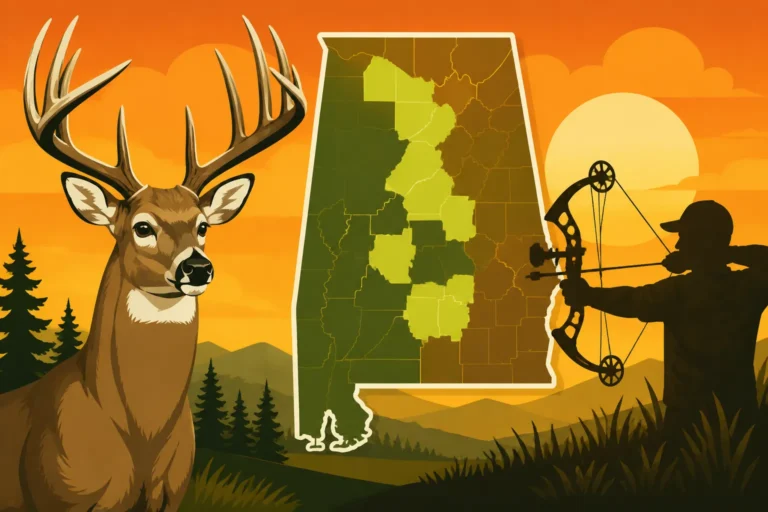
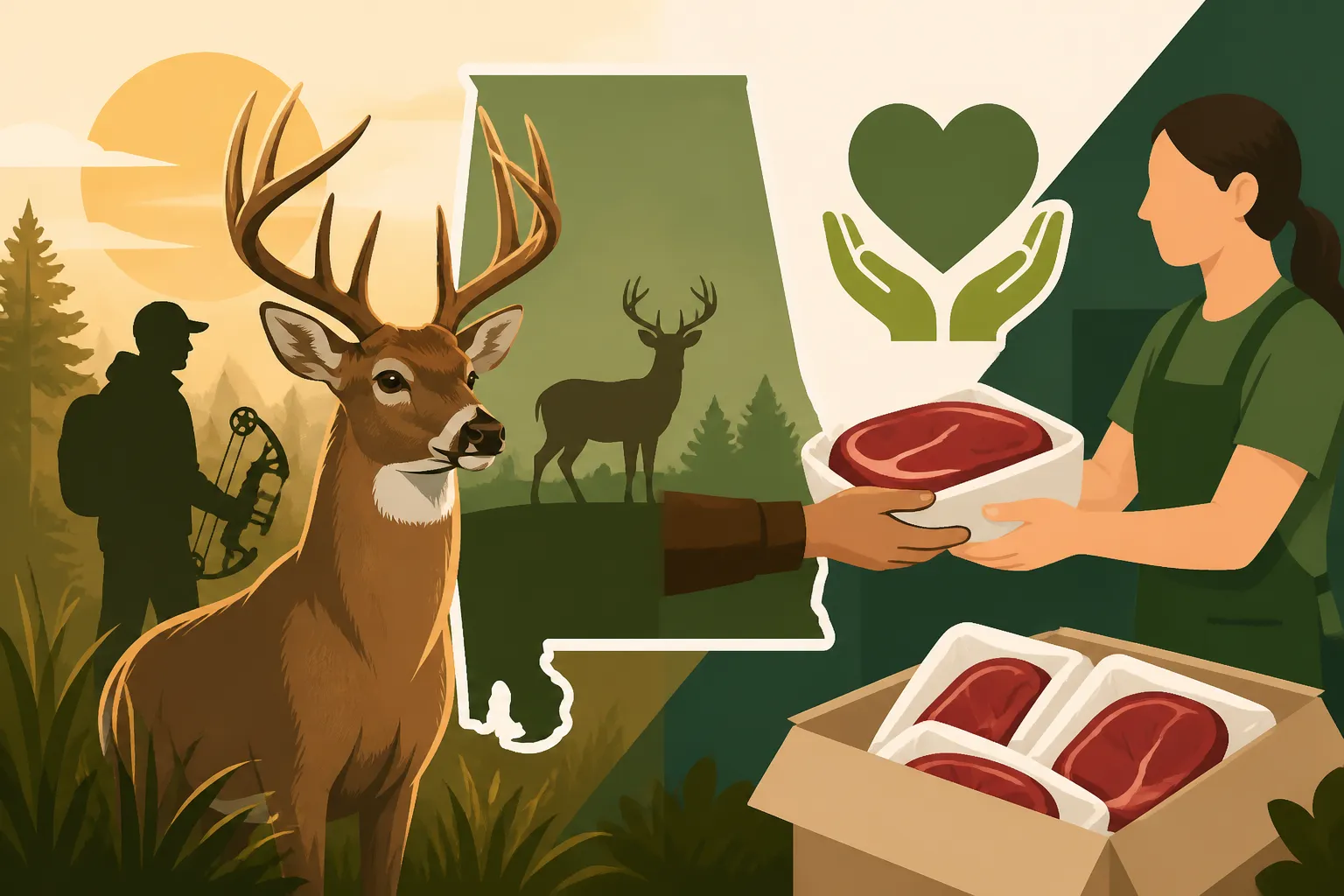
It's a wonderful problem to have: a freezer overflowing with venison after a successful Alabama deer season. You've worked hard, respected the game, and now you're faced with an abundance of one of the healthiest proteins available. But what do you do when your own family's needs are met, and you still have tags to fill or another prime buck steps out? This guide will walk you through the incredibly rewarding process of donating venison in Alabama, ensuring your harvest helps feed those in need across our great state.
The Heart Behind Venison Donation: Why It Matters
Every year, countless families in Alabama struggle with food insecurity. They worry about where their next meal will come from, let alone having access to high-quality, lean protein. As hunters, we have a unique opportunity to bridge that gap and make a tangible difference in our communities. Donating venison isn't just about clearing out freezer space; it's about sharing the bounty of the outdoors with neighbors who need it most.
A Hunter's Responsibility and Generosity
For many of us, hunting is more than just a pastime; it's a deep connection to the land and a way of life that emphasizes self-sufficiency and respect for nature. When we harvest an animal, we take on a responsibility to utilize that resource wisely. Donating venison is an extension of that ethos. It allows us to honor the animal's life by ensuring its meat provides sustenance for many, not just a few. It transforms a personal harvest into a community blessing. Think about it: a single mature whitetail buck can yield a significant amount of ground venison, enough to provide dozens of meals. That's a powerful impact for a family facing hardship.
Beyond the practical benefits, there's an immense sense of satisfaction that comes from knowing your hunting efforts are directly helping others. It reinforces the positive image of hunters as conservationists and compassionate members of society. In a world where hunting sometimes faces scrutiny, programs that facilitate venison donation highlight the ethical and charitable aspects of our tradition.
Addressing Food Insecurity with Healthy Protein
The nutritional value of venison is exceptional. It's naturally lean, high in protein, and often contains fewer calories and less fat than many commercially available meats. For individuals and families who rely on food banks, processed foods, or limited options, receiving fresh, wholesome venison can be a game-changer. It offers a boost of essential nutrients that can be hard to come by, contributing to better health and well-being.
Imagine a child, whose family often struggles to put food on the table, enjoying a spaghetti dinner made with venison. That's the real-world impact of your generosity. Donating venison fills a critical need, providing not just food, but nutritious food, to those who need it most. Many organizations, like Alabama Hunters for the Hungry, recognize this critical need and work tirelessly to connect hunters with the means to make these donations possible. Using platforms like GoHunt for research can help you find local initiatives or programs in your area that align with these efforts.
Navigating Alabama's Venison Donation Programs and Requirements
Alabama has established systems to help facilitate venison donations, primarily through organizations like Hunters for the Hungry (HFTH). Understanding how these programs work, and what's required of you as a hunter, is key to a successful and impactful donation.
The Alabama Hunters for the Hungry Program
Alabama Hunters for the Hungry (HFTH) is the primary conduit for hunters to donate their venison to those in need. The program operates by partnering with state-approved meat processors who agree to accept whole, field-dressed deer from hunters. Here's the general process:
- Harvest and Prepare: You harvest a deer legally, according to all Alabama Deer Season Structure Explained and Alabama Deer Reporting Rules.
- Field Dress Promptly: Proper field dressing is paramount. The deer must be field-dressed immediately and kept clean. Rapid cooling is absolutely essential, especially during warmer periods of Alabama's hunting season. A deer that has been improperly handled or allowed to spoil cannot be donated. This is where knowledge about Field Dressing a Deer in Warm Weather becomes invaluable.
- Transport to a Participating Processor: Locate an HFTH-approved processor in your area. This is often the most critical step, as processor participation can vary, and they may have specific hours or capacity limits. It's always a good idea to call ahead to confirm they are currently accepting donations.
- Processor Takes Over: Once you deliver the deer, the processor handles the rest. HFTH covers the processing fees, and the meat is then distributed to local food banks, soup kitchens, and charities. This ensures that the venison is processed into usable forms, typically ground meat, and gets to the people who need it most, quickly and efficiently.
It's important to remember that these processors are performing a service, often at a reduced rate for the HFTH program, and they appreciate well-handled animals. Showing up with a deer that's been properly cared for reflects positively on all hunters.
Essential Quality and Safety Standards
Not every deer harvested can be donated, and for very good reason. The health and safety of the recipients are paramount. Here are the critical standards:
- Freshness: The deer must be freshly harvested and properly cooled. A deer that has been dead for an extended period, or exposed to warm temperatures without proper cooling, cannot be accepted. "If in doubt, throw it out" applies here more than ever.
- Cleanliness: The carcass must be clean and free of excessive dirt, leaves, or other contaminants. Proper field dressing means removing all internal organs cleanly and quickly.
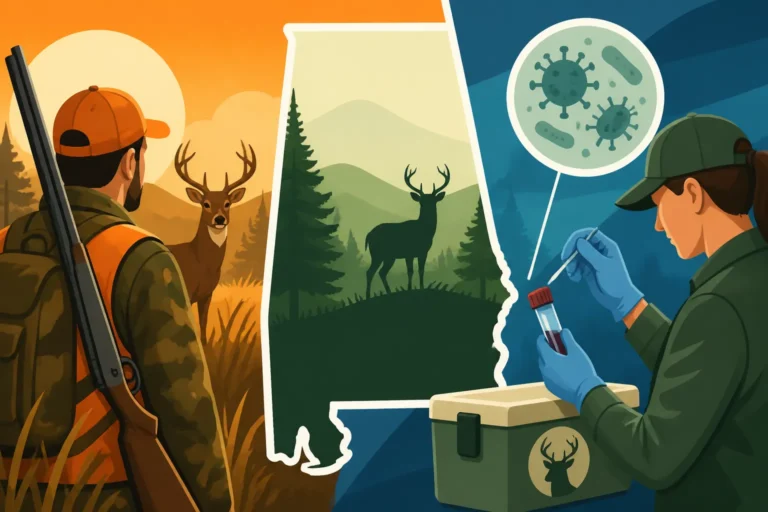
- No CWD Risk: This is a major concern in Alabama, especially with the detection of Chronic Wasting Disease (CWD) in the northwest part of the state. Any deer harvested within the Alabama's Chronic Wasting Disease Management Zone or exhibiting signs of illness or neurological problems cannot be donated. It's crucial to be aware of the rules for Handling Venison From the CWD Management Zone and to always err on the side of caution. Processors will likely have protocols in place regarding deer from CWD zones, so always communicate your harvest location upfront.
- No Obvious Disease or Injury: Deer with severe injuries (beyond the shot placement), signs of disease, or significant parasites are typically rejected. If you have any concerns about the health of the animal, it's best not to attempt to donate it.
Adhering to these standards ensures that the donated venison is safe, wholesome, and a high-quality food source for those who receive it.
Other Donation Avenues and Considerations
While HFTH is the primary program, sometimes hunters have other options or situations:
- Direct to Local Charities/Churches: Some smaller, local food pantries or churches might accept processed venison directly. However, they almost always require the meat to be processed by a certified facility and properly packaged. They cannot accept whole carcasses or home-processed meat due to food safety regulations. Always check with the specific organization first about their requirements.
- Sharing with Individuals: You are legally allowed to share harvested game with friends, family, and neighbors. This is a common practice in Alabama Deer Camp Traditions. If you process your own deer (or have it commercially processed for your own consumption), you can certainly give portions away. However, you cannot sell wild game meat.
- Game Check Compliance: Remember, every harvested deer in Alabama, regardless of whether it's donated, consumed personally, or given to friends, must be reported through Game Check. This is easily done by going online or using the Outdoor Alabama app, usually by reporting your harvest and getting a confirmation number. You'll then provide this information to the processor for their records. Checking an Alabama Deer Harvest Online is a quick and essential step.
Here's a simple comparison of the main venison donation routes in Alabama:
| Donation Method | Process for Hunter | Cost to Hunter | Recipient Type | Notes |
|---|---|---|---|---|
| Alabama Hunters for the Hungry | Harvest, field dress, deliver to approved processor (call ahead). | None (processing covered by HFTH). | Food banks, soup kitchens, charities. | Requires clean, fresh, CWD-free carcass. Best for whole deer. |
| Direct to Local Charities | Harvest, field dress, have processed commercially, then deliver packaged meat. | Hunter pays processing costs. | Local food pantries, churches. | Must be commercially processed, properly packaged. Always call first to confirm acceptance and rules. |
| Sharing with Individuals | Harvest, process (home or commercial), share with personal contacts. | Hunter pays processing costs (if commercial). | Friends, family, neighbors. | No resale allowed. Great for extending your harvest's reach to your immediate circle. |
Practical Tips for a Successful Venison Donation
Donating venison is a straightforward process, but like anything involving wild game and food safety, a little planning and attention to detail go a long way. These practical tips will help ensure your generous act is as smooth and impactful as possible.
Planning Ahead: Before the Hunt
The best donation starts before you even step into the woods. Knowing your options beforehand eliminates stress and ensures you're prepared for success.
- Research Participating Processors: Long before opening day, visit the Alabama Hunters for the Hungry website or reach out to your local Alabama Department of Conservation and Natural Resources (ADCNR) office to get a list of participating processors in your hunting area. Processor involvement can change year to year, so verify current information. A quick search on resources like GoHunt's community forums or their state-specific guides might also reveal updated lists or recommendations from fellow hunters.
- Consider Your Zone and Season: Alabama's five deer zones have different season dates and bag limits. If you're hunting in a zone with a longer or more liberal season, like Zones A or B, you might find yourself with extra venison. Being aware of the local regulations, such as Filling a Three-Buck Season Limit, can help you anticipate your potential harvest and plan for donations.
- Anticipate Temperature: Alabama's early archery season and even some gun season days can be quite warm. This greatly affects how quickly you need to field dress and cool a deer. If you plan to donate during warm weather, have a cooler with plenty of ice ready to immediately chill the carcass quarters after field dressing.
Proper Field Care and Transport
The quality of the donated meat hinges entirely on how you handle the deer immediately after the shot. There's no substitute for quick and clean field care.
- Immediate Field Dressing: As soon as you recover the deer, begin field dressing. Remove all internal organs swiftly and cleanly. This helps the carcass cool down rapidly, crucial for preventing bacterial growth, especially in Alabama's often mild climate.
- Keep it Clean: Avoid dragging the deer through excessive dirt, mud, or water, which can contaminate the carcass. If possible, use a game cart or ATV to transport it. If you must drag, try to keep the body cavity elevated or covered.
- Rapid Cooling: Get the deer cooled down as quickly as possible. In cooler weather, hanging it in a shady, well-ventilated area might suffice overnight, but in warmer temps, you'll need ice. Quartering the deer and placing the quarters in coolers filled with ice is the best practice for preserving meat quality, particularly if you have a drive to the processor. Even if you're delivering a whole deer, pack the body cavity with ice to get the core temperature down.
- Protect During Transport: Keep the carcass protected during transport to the processor. A clean tarp or game bags can prevent road grime and insects from reaching the meat. Remember, you're preparing this for someone else's dinner table, so treat it with the utmost care.
Communication with the Processor
Good communication is key to a smooth donation process. Processors are busy, especially during peak hunting season.
- Call Ahead: Always call the participating processor before you head their way. Confirm their hours of operation, whether they are currently accepting donations, and if they have any specific requirements. Sometimes, processors reach their capacity for donations, and a quick phone call can save you a wasted trip.
- Be Transparent: Inform the processor immediately that you intend to donate the deer through Hunters for the Hungry. Be ready to provide your hunting license number and Game Check confirmation number. If you harvested the deer near or within the CWD Management Zone, make sure to disclose that information as well, as specific protocols may apply.
- Understand What's Accepted: Most HFTH processors accept whole, field-dressed deer. They typically do not accept deer that have already been quartered by the hunter for donation through the program, as they need to verify the carcass's integrity. If you've butchered it yourself, you're usually limited to sharing with friends and family, not official donation programs.
The Broader Impact of Your Donation and Community Involvement
Your decision to donate venison extends far beyond a single meal. It ripples through communities, strengthens the image of hunters, and provides a powerful example of giving back. This act of generosity underscores the inherent value and ethical foundation of hunting in Alabama.
Strengthening Community Bonds and Hunter Image
Every pound of venison you donate contributes to a larger effort to alleviate hunger in Alabama. This collective action from hunters across the state feeds thousands of individuals annually, often providing them with their only access to lean, wild protein. This isn't just charity; it's community building. It demonstrates that hunters are not just participants in a sport, but active, caring members of society committed to the well-being of their neighbors.
Consider the narrative often portrayed about hunting. By participating in venison donation programs, we actively counter negative stereotypes and showcase the conservation-minded, ethical, and generous spirit that truly defines the hunting community. It's a powerful way to share our passion for the outdoors and contribute positively to society, reminding everyone of the vital role hunters play in managing White-Tailed Deer Across Alabama and supporting sustainable populations.
Beyond the Harvest: Further Ways to Contribute
Your involvement doesn't have to end with dropping off a deer. There are many ways to support venison donation efforts and further engage with your community:
- Spread the Word: Talk to fellow hunters about the Alabama Hunters for the Hungry program. Many hunters are unaware of how easy it is to donate or where to do it. Sharing information you've gathered, perhaps even from resources like GoHunt, can encourage more participation. The more hunters who donate, the more families can be fed.
- Volunteer Your Time: Contact your local food bank or an HFTH representative to see if they need volunteers. This could involve assisting with meat distribution, helping at fundraising events, or even administrative tasks. Hands-on involvement can be incredibly rewarding.
- Financial Contributions: While HFTH covers the processing costs for donated deer, the program relies on donations to operate. A financial contribution, no matter the size, helps ensure that participating processors are compensated and the program can continue its vital work. Your monetary support helps process the venison that other hunters donate, completing the circle of generosity.
- Advocate for Hunter Education: Emphasize the importance of proper field care and ethical hunting practices. When hunters adhere to high standards, the quality of donated meat remains excellent, fostering trust in the program. Education also plays a role in understanding complex issues like the Alabama's Chronic Wasting Disease Management Zone and how it impacts venison use.
By actively participating in venison donation and supporting the associated programs, you're not just providing food; you're building a stronger, more compassionate Alabama. It's a testament to the fact that the harvest from our Alabama Public Hunting Land in Alabama and private tracts can truly make a difference in the lives of many.
Disclaimer
This article is for general informational purposes only and does not constitute professional advice. Laws, prices and regulations vary by location and change over time. Consult a qualified professional for guidance on your specific situation.