Asking an Alabama Farmer for Permission
One of the biggest hurdles for any hunter, whether you're new to the game or a seasoned veteran, is simply finding a place to hunt. Public lands are fantastic, but sometimes you just crave that quiet, less-pressured experience that only private ground can offer. The thought of knocking on a stranger's door to ask for permission can feel incredibly daunting, like you're intruding or asking for a huge favor. This guide is all about equipping you with the confidence and know-how to approach Alabama farmers and landowners respectfully, increasing your chances of gaining access to those coveted private hunting spots.
The Mindset Before You Ask: Building Trust, Not Just Access
Before you even think about driving down a gravel road or knocking on a farmhouse door, it’s crucial to adjust your mindset. You’re not just looking for a piece of property; you’re looking to build a relationship, however brief, based on trust and mutual respect. Farmers and landowners have a lot on their plates, and unsolicited requests can often feel like just another burden. Approaching them with the right attitude can make all the difference.
Understanding the Farmer's Perspective
Imagine being a farmer in Alabama. Your land is your livelihood, your home, and your sanctuary. You've likely invested countless hours, sweat, and money into that property. You've probably also dealt with your fair share of problems: trespassers, litter, gates left open, fences cut, crop damage, and even folks who take more than they were given permission for. When a stranger pulls up and asks to hunt, all these past experiences can instantly flood their mind. They're not just evaluating you as a hunter; they're evaluating you as a potential risk to their property, their privacy, and their peace of mind.
It’s easy to get frustrated when you get a "no," but try to see it from their side. Many farmers have had bad experiences, and a polite refusal might simply be a defense mechanism. They might have too many hunters already, be worried about liability, or simply want to keep their property for family and friends. Understanding these underlying concerns helps you tailor your approach to be as non-threatening and respectful as possible. You're not just a hunter; you're a responsible individual who respects their boundaries and values their investment in the land.
Preparing Your "Pitch" Before You Knock
Just like any good sales pitch, you need to prepare. This isn't about being pushy, but about being clear, concise, and offering reassurance. First, scout the area from public roads using resources like Reading Aerial Photos for Piedmont Deer or the excellent satellite imagery in apps like onX Hunt to identify potential hunting spots, pinch points, or areas with good cover near agricultural fields. You want to show you’ve done your homework and aren’t just randomly asking. Know why you want to hunt their specific piece of land.
Beyond location, think about yourself. What can you offer? Maybe you're a quiet bowhunter who only hunts a few times a season. Perhaps you're willing to help with chores, fix a fence, or assist during planting or harvest season. Even if it's just offering to keep an eye on their property for anything suspicious, these gestures can go a long way. Make sure your vehicle is clean, you're dressed respectfully (no camo on the first meeting!), and you have a clear, articulate reason for your request. It’s also wise to have a copy of your current Alabama hunting license and proof of liability insurance (often included with hunting club memberships or through organizations like the QDMA) ready to show, demonstrating your responsibility.
Making the Approach: When, Where, and How to Talk to a Farmer
You’ve got your mindset right and your pitch ready. Now comes the moment of truth: making contact. This isn't a moment to be shy, but rather to be strategic and incredibly polite. First impressions truly matter, and how you approach a farmer can be the deciding factor between a slammed door and a handshake deal.
Timing and Etiquette for the First Contact
Timing is everything. Never approach a farmer when they're actively working in the fields, especially during planting or harvest. Their focus is entirely on their livelihood, and interrupting them will only cause frustration. Early mornings or late evenings, when they might be wrapping up for the day or just starting, are generally poor choices as well. They're either tired or rushing. The sweet spot is usually mid-day, perhaps between 10 AM and 3 PM, when they might be taking a break, eating lunch, or handling administrative tasks around the farmhouse. Weekends, especially Sunday mornings, are often reserved for family or church, so it’s best to avoid those times unless you know them personally.
When you arrive, park your vehicle in a way that doesn't block their driveway or field access. Walk to the door, don't yell from your truck. If there's a "no soliciting" sign, respect it and move on. If not, a polite knock is appropriate. If no one answers, leave a neat, handwritten note with your name, phone number, and a brief, polite request for a call back regarding hunting permission. Never trespass to leave a note or assume silence means permission. Remember, What Alabama Trespass Law Requires is quite clear, and you don't want to start off on the wrong foot.
What to Say (and What Not to Say)
When the farmer answers, introduce yourself clearly and state your purpose immediately but politely. "Hello, my name is [Your Name], and I live over in [Your Town]. I'm a hunter, and I was wondering if you ever allow respectful individuals to hunt on your property." Keep it simple. Don't launch into a lengthy explanation of your hunting prowess or how many trophies you've taken. Be prepared for a "no," and accept it graciously if it comes.
If they seem open to conversation, then you can offer more details. Mention that you're interested in White-Tailed Deer Across Alabama or perhaps even Hunting Alabama's Year-Round Feral Hogs if you've noticed signs of them. Highlight how you will benefit them. For instance, if you've seen hogs, mention you're experienced in hog control and can help reduce damage to their crops, which ties into Crop Damage Hogs Cause in Alabama. Emphasize safety: "I'm a very safe hunter, always aware of my surroundings and your property lines. I only hunt with a [specific weapon type] and will respect all your requests."
Avoid making demands or implying entitlement. Never offer money on the first interaction – it can come across as transactional and rude, especially if they are not considering it. Instead, offer to help around the farm, or simply promise to be a responsible and respectful guest. You can also mention how you use mapping tools like onX Hunt to ensure you know exactly where property lines are, which helps prevent accidental trespassing onto a neighbor's land and shows you're serious about respecting boundaries.
Building a Relationship: Beyond the Initial "Yes"
Congratulations, you got a "yes"! This is where the real work begins. Getting permission is one thing; keeping it and turning it into a long-term opportunity is another. A "yes" is a sign of trust, and you must do everything in your power to uphold and strengthen that trust.
The Value of Respect and Reciprocity
Always, always follow through on any promises you made. If you offered to help fix a fence, show up with your tools and offer your time. If you said you'd keep an eye on things, be observant and report anything unusual. Keep gates closed. Drive slowly on their property. Pack out all your trash, and then some. Leave the property cleaner than you found it. If you harvest an animal, offer the farmer some venison or wild hog meat as a thank you. Even a simple handwritten thank-you note or a small gift basket during the holidays can go a long way in showing your appreciation.
Communication is key. If your hunting plans change, or if you won't be out as much as you thought, let them know. Always inform them when you'll be on the property. A quick text or call before you head out, and another after you leave, is a fantastic habit. This shows respect for their privacy and helps them feel secure about who is on their land. Remember, this isn’t just about the current hunting season; it’s about establishing a rapport that could last for years, potentially even opening doors to other opportunities like Hunting Small Private Tracts in Alabama on neighboring properties they might know about.
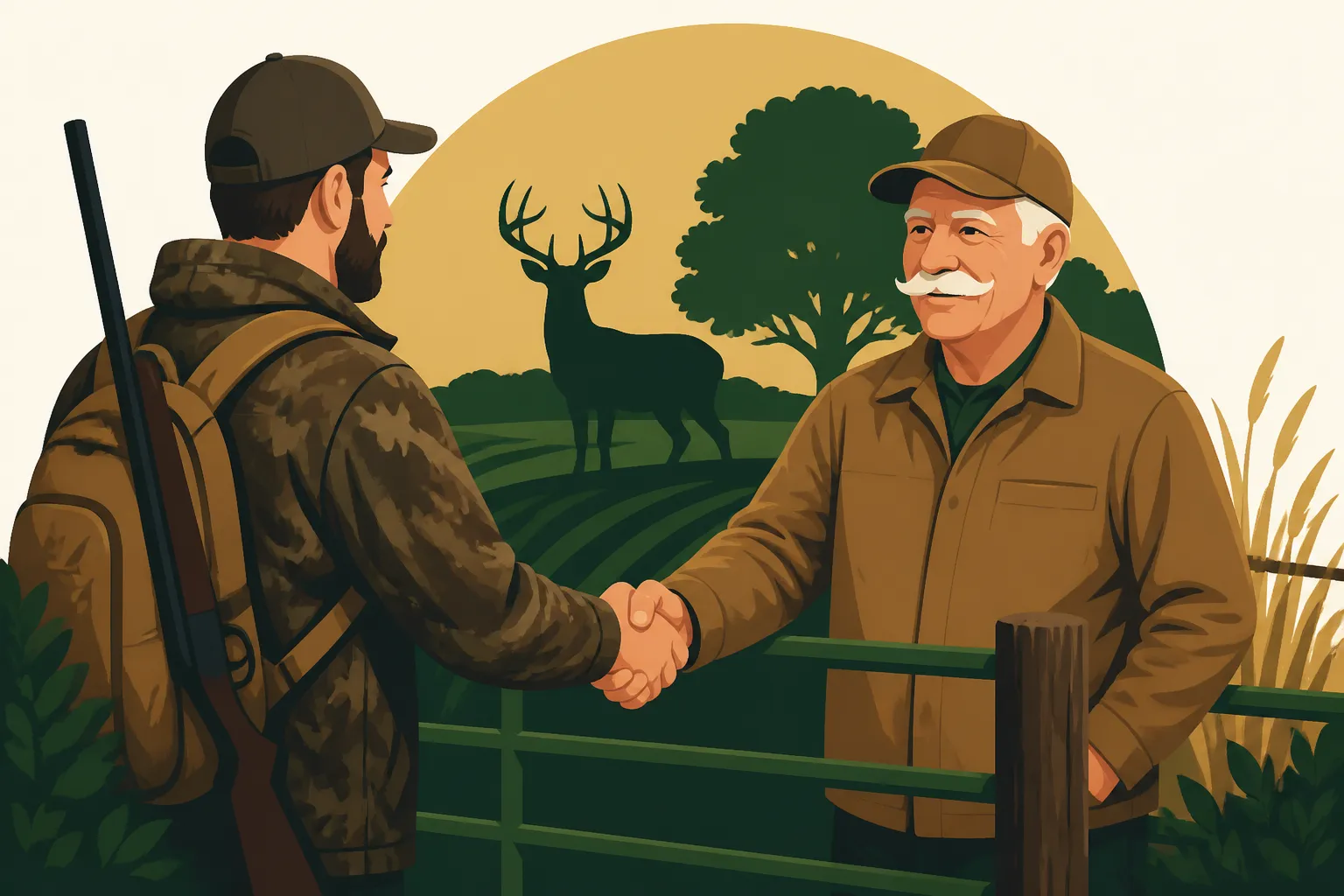
Formalizing the Agreement (Even if it's Just a Handshake)
Even with a handshake, it’s vital to have a clear understanding of the rules. Discuss boundaries explicitly. Show them on a map if you can (again, a tool like onX Hunt or even a printed plat map can be invaluable here to confirm Finding Alabama Property Lines). Clarify what species you can hunt, during which seasons, and with what weapons. Are there specific areas that are off-limits, like near their home or livestock? What about vehicle access? Can you bring a guest? If so, do they also need to check in?
While Do You Need Written Permission in Alabama? might not always be legally mandated for basic access, it's a good idea for clarity and protection for both parties, even if it's just a simple, informal note. A written agreement can outline things like liability, season dates, specific areas, and guest rules. Some landowners might even consider offering a deer damage permit to farmers if their deer population is high, which could give you more flexibility on antlerless deer harvest under Alabama Landowner Deer Permit Rules. Being proactive in discussing and clarifying these points shows your professionalism and reduces the chance of misunderstandings down the road.
Overcoming the "No": What to Do When Permission Isn't Granted
Let’s be honest: you’re going to hear “no” more often than “yes.” It’s just the nature of the game. But a “no” doesn't have to be the end of the road, and how you handle it can still leave a positive impression that might pay off later.
Gracious Acceptance and Future Possibilities
If a farmer tells you no, thank them for their time and politely ask if you could leave your contact information in case their circumstances change in the future. "I completely understand, and I appreciate you taking the time to speak with me. Would it be okay if I left my name and number in case you ever reconsider or need some help around the property?" This leaves the door open without being pushy. They might remember your politeness months or even years later.
Don't take it personally. As mentioned, there are countless reasons a landowner might decline, and very few of them have anything to do with you as an individual. Many times, they already have family or friends hunting the property, or they simply aren't comfortable with outside hunters due to past negative experiences. Your graciousness in accepting their decision, rather than arguing or pouting, sets you apart and is the best possible way to leave a lasting, positive impression.
Alternative Strategies for Private Land Access
Even if direct permission doesn't work out with a particular landowner, there are other avenues for private land hunting. Consider Joining an Alabama Hunting Club. While this often comes with a fee, it grants you access to managed private acreage, shared responsibilities, and often a built-in community. These clubs often lease large tracts of land, offering great opportunities for Alabama Deer Season Structure Explained or Spring Turkey Hunting in Alabama. You can research Alabama Hunting Lease Costs to understand what kind of investment this entails, but it’s a viable option for many.
Another strategy is to look for smaller, less obvious tracts of private land. Sometimes, owners of a few wooded acres might be more amenable to a single, quiet bowhunter trying to take a deer or a couple of squirrels. Use mapping tools like onX Hunt or GoHunt to identify these smaller parcels, cross-reference them with county public records (if available online) to find landowner names, and then send a polite letter or make a well-timed phone call. Sometimes, focusing on specific nuisance animals like feral hogs might also be an easier "in" than asking for deer or turkey rights, as farmers are often desperate for help controlling Feral Hogs Across Alabama.
Here’s a quick comparison of effective vs. ineffective approaches:
| Aspect of Approach | Effective Strategy | Ineffective Strategy |
|---|---|---|
| Timing | Mid-day, avoiding peak work times or family hours. | Interrupting during planting/harvest, early morning, Sunday. |
| Appearance | Clean, presentable, non-hunting attire for first contact. | Full camo, muddy boots, looking disheveled. |
| Initial Greeting | Clear, polite introduction, stating purpose concisely. | Rambling, vague, or assuming familiarity. |
| The "Ask" | Respectful request, offering specific benefits (e.g., hog control), proof of insurance. | Demanding, assuming, offering money immediately. |
| Showing Knowledge | Mentioning specific parts of their property, showing map (onX Hunt). | Generic "just looking for a place to hunt." |
| Handling "No" | Gracious acceptance, leaving contact info for future. | Arguing, sulking, leaving a negative impression. |
| Follow-Up (if Yes) | Communicating plans, helping with chores, thank-you notes. | Disappearing, leaving trash, not checking in. |
Finding private hunting land in Alabama truly boils down to respect, persistence, and building relationships. It’s not about quick access; it’s about becoming a trusted individual in the eyes of a landowner. By taking the time to understand their perspective, preparing your approach, and being a genuinely good steward of their land, you’ll not only increase your chances of gaining permission but also uphold the honorable tradition of hunting.
Disclaimer
This article is for general informational purposes only and does not constitute professional advice. Laws, prices and regulations vary by location and change over time. Consult a qualified professional for guidance on your specific situation.