Hunting Wiregrass Region Pine Flats
Hunting in Alabama's Wiregrass Region can be a really unique challenge, especially when you find yourself staring out into what seems like an endless sea of pine flats. It’s easy to feel overwhelmed by the sheer uniformity of the landscape, wondering how you're ever going to pinpoint deer or hogs in such vast, often featureless terrain. This guide is dedicated to demystifying those seemingly impenetrable pine forests, equipping you with the knowledge and actionable strategies you need to successfully hunt deer and feral hogs in the distinctive pine flats of the Wiregrass.
Understanding the Unique Wiregrass Pine Flat Environment
The Wiregrass Region of Alabama, stretching across the southeastern part of the state, truly holds a special place in the heart of many hunters, but it’s also notorious for its dense, often monotonous pine habitats. If you’ve spent any time down here, you know it’s not your typical hardwood bottomland or rolling piedmont hills. This landscape demands a different approach, a keen eye for subtle details, and a solid understanding of how game animals use this particular environment.
Distinguishing Wiregrass Pine Habitats
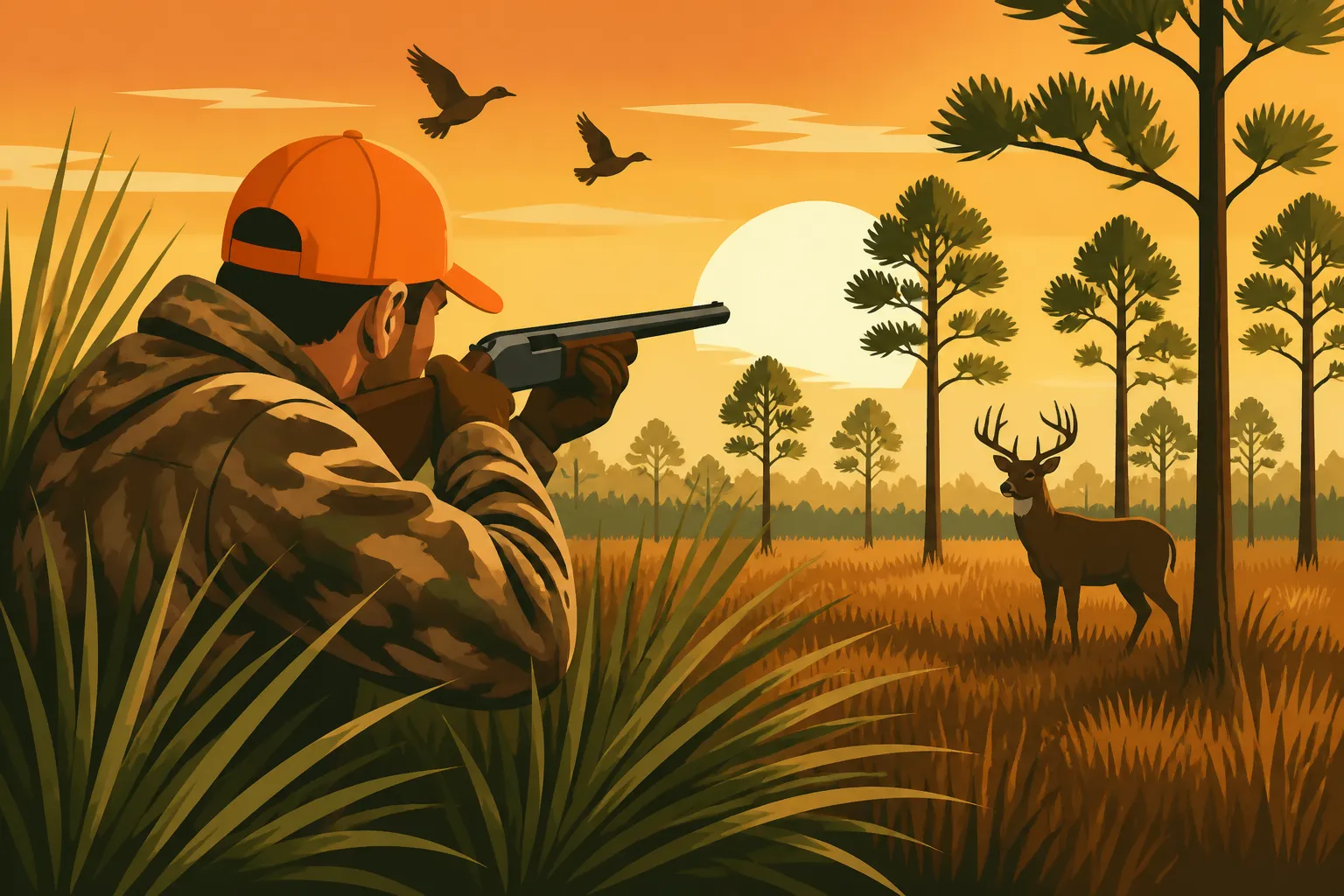
When we talk about "pine flats" in the Wiregrass, we’re often looking at a mix of naturally regenerating longleaf pine savannas and, more commonly, vast commercial loblolly pine plantations. Each has its own nuances. Longleaf ecosystems, with their open understories of native wiregrass and sparse trees, can feel more walkable, almost park-like. They often support a greater diversity of native forage, particularly after prescribed burns which are crucial for maintaining this habitat. However, finding deer and hogs in these open areas can be tough without specific strategies.
On the flip side, most of what you'll encounter are dense stands of loblolly pines, planted in neat rows, often referred to as "pine thickets" or "dog hair thickets" when they're young and incredibly dense. These areas, particularly those in the 5-15 year old range, can be nearly impenetrable for humans but offer fantastic bedding and security cover for deer and hogs. As these stands mature, the canopy closes, shading out the understory, creating a relatively barren forest floor covered in pine needles. Here, the challenge shifts from navigating thick cover to finding the sparse pockets of natural food or travel corridors. You might walk for what feels like miles without seeing anything, then suddenly stumble upon a heavily used game trail or bedding area. It's a land of extremes, and it can certainly be frustrating if you don't know what to look for.
Key Game Species in Pine Flats
While the Wiregrass offers opportunities for various small game, our primary focus in these pine flats will almost always be white-tailed deer and feral hogs. These two species have adapted remarkably well to these environments, often thriving where other game struggles.
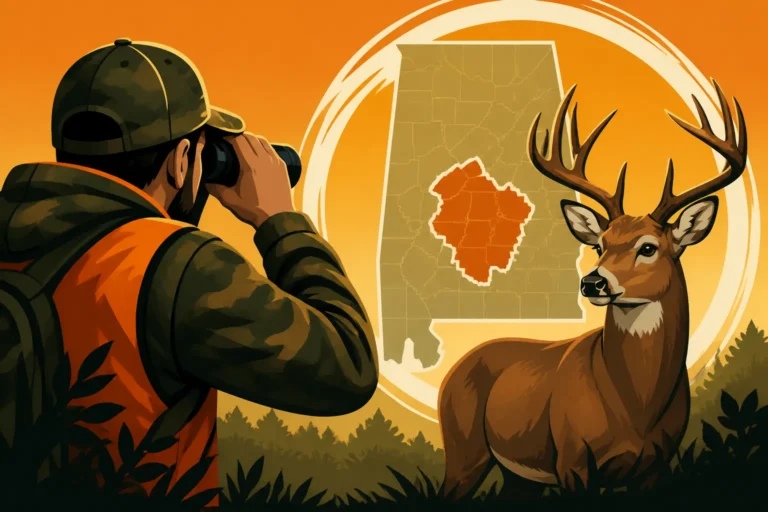
Deer use pine flats extensively, especially for bedding and security cover. In younger, thicker plantations, deer will literally tunnel through the dense saplings, creating intricate networks of trails that are almost invisible from above. These thickets provide refuge from hunting pressure and thermal cover during cold snaps. As the pines mature and the understory thins, deer shift their focus to finding the edges—the transition zones between pines and clear-cuts, agricultural fields, or hardwood drains. They're often seeking out the limited browse that can persist, or using these areas as travel corridors to reach more desirable food sources outside the deep pines. Understanding this movement is key to success.
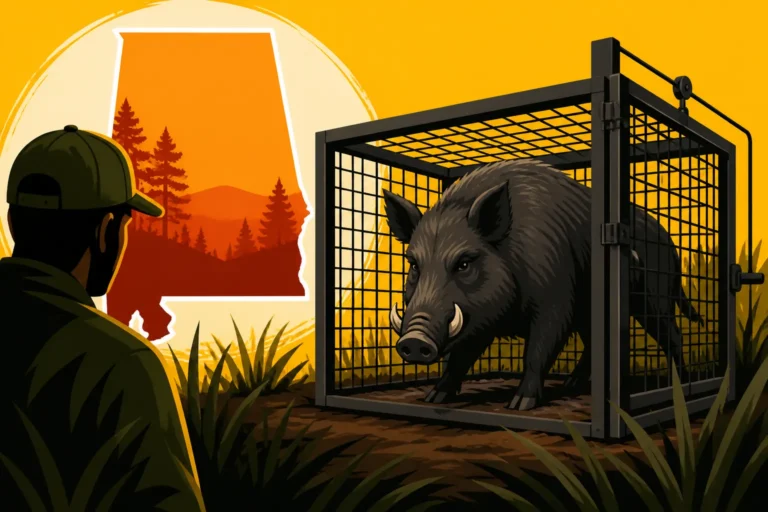
Feral hogs are, perhaps, even more at home in the Wiregrass pine flats than deer. The soft, sandy soils are perfect for their constant rooting, and the dense cover offers ideal places to wallow and bed down. Hogs are constantly on the move, searching for mast (if any hardwoods are present), roots, tubers, and agricultural crops in nearby fields. Their destructive rooting can be a visual indicator of their presence, often much more obvious than subtle deer sign. Given that Alabama has Alabama Feral Hog Regulations that allow year-round hunting on private land with few restrictions, and they are considered an invasive species, they are a constant target for hunters in this region. Knowing their habits in these vast pine plantations will significantly increase your odds.
Mastering Scouting in Wiregrass Pine Flats
Scouting in pine flats is not for the faint of heart. It requires patience, attention to detail, and a willingness to cover a lot of ground, often in challenging conditions. However, the effort is well worth it, as pinpointing those key areas is the difference between an empty truck bed and a successful hunt.
Leveraging Technology and Topography
Before you even step foot in the woods, the best scouting begins from home. Utilize aerial imagery and mapping tools. Platforms like GoHunt, along with the official Scouting With the Outdoor Alabama App, are indispensable for hunters in the Wiregrass. What you’re looking for isn't necessarily dramatic elevation changes, but rather subtle shifts in vegetation, access points, and water features.
Zoom in and look for older clear-cuts that are now regenerating, creating those dense thickets that deer and hogs love. Identify where different age classes of pines meet, as these transition lines often act as natural travel corridors. Drains, even shallow ones, can be highways for animals, especially if they contain any mature hardwoods or slightly more diverse vegetation. Look for old logging roads, utility lines, or fire breaks – these are not just access points for you, but also for game. They provide easier travel through dense areas and can often be scraped or rubbed during the rut.
Water sources, even small ones, are critical in the often well-drained Wiregrass soils. Pinpoint any natural seeps, small ponds, or creek bottoms. Animals will gravitate towards these, especially during dry periods. While the topography might seem flat on a basic map, even a slight depression can hold water longer or foster different vegetation, making it a hotspot.
Reading Sign on the Ground
Once you’ve identified potential areas on your map, it's time to hit the ground. Be prepared to walk. A lot. The sandy soil of the Wiregrass is both a blessing and a curse. It records tracks beautifully, but it can also make them challenging to interpret, as heavy rains can wash out details.
Look for heavily used game trails, especially those leading into or out of thick cover, or connecting a bedding area to a food source like an agricultural field. Pay attention to rubs and scrapes, which indicate buck activity. In these pine-heavy areas, deer will often rub small pine saplings or even brush, so don't just look for big hardwood rubs. Scrapes in the sandy soil can be less distinct than in richer dirt, but they're still there.
Hog sign is usually more obvious. Look for extensive rooting patterns, which can turn large areas of the forest floor upside down. Wallows, muddy depressions where hogs cool off, are also clear indicators. Tracks are almost always present near these areas. You'll find that where hogs are, they leave a mess, and that mess is your signal. Understanding Feral Hogs Across Alabama is crucial for effective hunting of this abundant species.
Also, be mindful of food sources. While hard mast like acorns from oak trees might be sparse in pure pine flats, deer and hogs will eagerly seek out any that are present in mixed stands or adjacent hardwood bottoms. They also browse on specific herbaceous plants and fungi that grow in pine environments, especially after burns. In agricultural areas, look for sign around fields of peanuts, corn, or soybeans. Even after harvest, animals will return to glean any leftovers. Knowing what Entry Routes Through Standing Peanuts look like can be a game-changer.
Proven Hunting Strategies for Pine Flat Success
Hunting Wiregrass pine flats requires adaptability. What works in a mature, open longleaf stand won't necessarily be effective in a dense loblolly plantation. But with the right tactics, you can consistently find success.
Stand Placement and Concealment
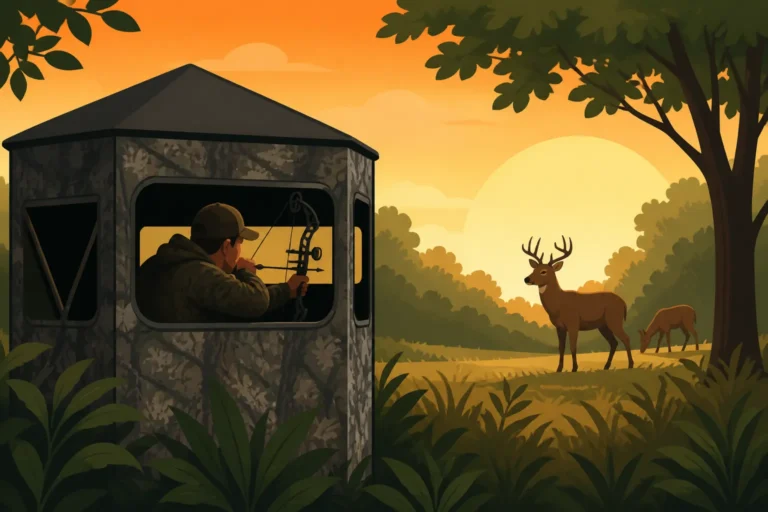
Finding the "perfect" tree for a ladder stand or climber in a young pine plantation can feel like an impossible task. Most trees are too small, too limby, or too uniform. This is where ground blinds truly shine. A pop-up ground blind offers excellent concealment and allows you to set up quickly in areas with limited suitable trees. When Using a Ground Blind on Alabama Public Land, remember to brush it in thoroughly with local vegetation to break up its outline. Position it along the edges of thickets, near subtle drains, or overlooking a heavily used trail.
If you are able to find a suitable tree, perhaps on the edge of a mature pine stand overlooking a younger clear-cut, or where pines transition to hardwoods, a ladder stand or climbing stand can work. The key is to blend in. Pines offer less natural concealment than deciduous trees once their needles fall, so choose stands with good camo patterns and position them against a backdrop of dense foliage if possible. In very thick young pines, sometimes the best strategy is to put your stand in the thicket, but along a known game trail, allowing you to intercept deer or hogs moving through the dense cover at close range.
Still-Hunting and Drives in Thick Cover
Still-hunting is a highly effective, albeit physically demanding, tactic in pine flats. This involves moving incredibly slowly and deliberately, stopping often to glass ahead and listen. The goal is not to cover ground quickly but to carefully slip through the cover, spotting animals before they spot you. In dense pine thickets, this often means taking one slow step at a time, looking for horizontal lines (an animal's back) in a vertical world (pine trunks). Pay close attention to the wind, as scent is easily carried. The quiet rustle of pine straw can make silent movement tough, so move when a breeze is blowing or after a light rain has dampened the forest floor.
For hogs, and sometimes for deer, small, controlled drives can be successful, particularly on private land where you have permission and can coordinate with a few hunting partners. Identify a bedding thicket or an area of concentrated sign. Place standers on the downwind side along suspected escape routes (old logging roads, field edges, natural funnels). Then, one or two drivers move slowly and loudly through the thicket, pushing animals towards the standers. Safety is paramount here; always communicate clearly and know where everyone is positioned. These drives are particularly effective for hogs, which often bed in large sounders in the densest cover.
Effective Baiting and Calling Tactics
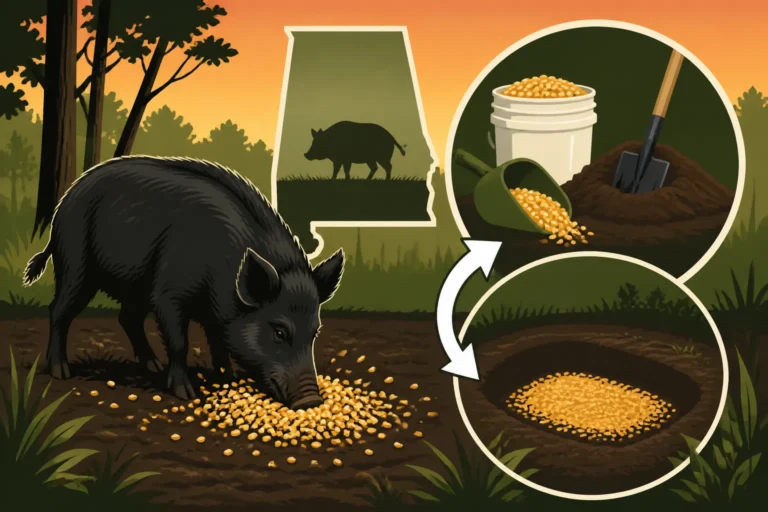
Baiting is a common and highly effective strategy for both deer and hogs in the Wiregrass, especially on private land. Given the often-sparse natural food sources in monoculture pine plantations, supplemental feeding can concentrate animals. For hogs, Building and Freshening a Hog Bait Site with shelled corn is a go-to method. Hogs are creatures of habit and will quickly become regular visitors. Place your stand or ground blind downwind of the bait site.
For deer, baiting can also draw them in, but consider food plots as a longer-term strategy. Planting cool-season annuals like clover or wheat in small openings within or adjacent to pine stands can create attractive food sources throughout the hunting season. These green fields act as magnets in a landscape otherwise dominated by pine straw. Refer to information on Hunting a Green Field Planted for Deer for more specific tactics.
Calling for deer in vast pine flats can be challenging, but not impossible. Grunt calls can be used to stop a deer that's moving quickly through the pines, or to entice a buck during the rut. Rattling might be less effective in areas of dense young pines where visibility is limited, as deer might not be able to locate the source of the sound, but during the Hunting the Rut in the Southern Zones peak, a short rattling sequence followed by grunts can sometimes draw in a curious buck, especially near thicker cover. For hogs, calling is rarely effective; their drive is primarily food-motivated.
Essential Gear and Safety for Wiregrass Hunting
Hunting the Wiregrass pine flats isn't just about strategy; it's also about being properly equipped for the environment and prioritizing safety. The conditions here can be rugged, and being prepared can make all the difference.
Navigational Tools and Clothing
Given the often-uniform nature of pine plantations, it's incredibly easy to get turned around. A reliable GPS unit or a smartphone with a robust mapping app (like GoHunt, which allows offline map downloads) is non-negotiable. Pin drop your vehicle, stand locations, and any significant landmarks. Don't rely solely on cell service, as coverage can be spotty in remote areas of the Wiregrass. Familiarize yourself with how to navigate using these tools before you're deep in the woods. This is even more critical when you're still-hunting or making a drive, as you can easily become disoriented after tracking an animal or pushing through thickets.
Your clothing needs to be durable and quiet. Dense pine thickets will snag, tear, and brush loudly against noisy fabrics. Opt for brushed fleece, wool, or quiet synthetic blends. Layering is important, as temperatures can fluctuate, and pushing through dense cover will build up heat, even on a cool day. Remember that Alabama law requires hunters to wear a minimum amount of blaze orange during gun season, typically a vest or hat, so ensure you meet these How Much Blaze Orange Alabama Requires guidelines, especially if you're participating in a drive.
Tracking and Recovery Considerations
One of the biggest frustrations in pine flats comes after the shot: tracking. Pine straw and thick undergrowth can make blood trailing incredibly difficult. A deer or hog might not bleed profusely, and the dark pine straw can absorb what little blood there is, making it almost invisible.
Here are some tips for recovery:
- Mark the Spot: Immediately after the shot, pick out a landmark (distinctive tree, downed log) and mark the exact spot where the animal was standing when hit, and where you last saw it. Use flagging tape (remove it after the hunt) or even bright toilet paper.
- Wait It Out: Unless you're certain of a killing shot (heart/lung), give the animal time. For deer, 30 minutes to an hour for a good hit, and 4-6 hours (or overnight) for a marginal hit, especially if it’s cool. Hogs are incredibly tough, so a good wait is often warranted.
- Grid Search: If blood is sparse, organize a grid search with hunting partners. Move slowly, looking for overturned leaves, broken twigs, and faint tracks.
- Tracking Dogs: In Alabama, using a leashed dog to track a wounded deer is legal, and many hunters rely on them in challenging terrain. If you don't have one, consider having a contact who does.
The physical demands of retrieving an animal from a dense pine thicket can also be significant. Be prepared with a game cart, sled, or strong ropes. In the Wiregrass, where water features might be present, you might even have to contend with a creek crossing or swampy ground. Having a plan for extraction is just as important as the shot itself.
Ultimately, hunting the Wiregrass Region's pine flats is a rewarding experience that demands respect for the environment and a thoughtful approach. With these strategies, you'll be well on your way to success in this unique part of Alabama.
Comparison of Wiregrass Pine Flat Hunting Strategies
Here's a quick comparison of the primary hunting strategies for deer and hogs in the Wiregrass pine flats:
| Feature | White-Tailed Deer | Feral Hogs |
|---|---|---|
| Primary Goal | Intercept travel, target food sources/bedding | Target food sources, bedding, high traffic areas |
| Scouting Focus | Subtle trails, rubs, scrapes, browse, edge cover | Rooting, wallows, strong trails, bedding, water |
| Stand Choices | Ground blinds, ladder stands, climbing stands | Ground blinds, ladder stands |
| Effective Tactics | Still-hunting, stand hunting, food plots, calling | Baiting, still-hunting, small drives |
| Baiting | Legal on private land, often corn/food plots | Highly effective, primarily corn |
| Calling | Grunts, rattles (during rut) | Generally ineffective, but can try a distress call |
| Recovery | Can be difficult, pine straw obscures blood | Extremely difficult, minimal blood, dense cover |
| Season | Alabama Deer Season Structure Explained | Year-round on private land |
Disclaimer
Please remember that hunting regulations, seasons, and licensing requirements can change. Always consult the latest official Alabama Department of Conservation and Natural Resources (ADCNR) regulations before planning any hunting trip. Stay safe, be ethical, and respect the wildlife and the land.