Blaze Pink Options Under Alabama Law
Stepping into the woods for a hunt in Alabama can be an incredibly rewarding experience, but navigating all the rules and regulations can feel like trying to track a deer through a briar patch in the dark. One area that often brings up questions, especially with new developments, is hunter safety clothing. Specifically, many of us have wondered about blaze pink – is it actually a legal option here in Alabama? This comprehensive guide is going to clear up all the confusion, detailing Alabama's specific laws regarding blaze pink and helping you understand when and how you can wear it afield.
The Evolution of Hunter Safety Clothing in Alabama
For decades, the standard for hunter visibility has been blaze orange. It’s a color that screams "human!" to other hunters, standing out starkly against the natural greens, browns, and grays of the Alabama landscape. And for good reason – it dramatically reduces the chance of accidental shootings, making our shared woods a safer place for everyone. Most of us grew up knowing that come deer season, you had to don your orange vest and hat, no questions asked. It was ingrained in us as part of responsible hunting, a non-negotiable part of the gear list right alongside your rifle or bow.
However, times change, and so do perspectives. In recent years, there's been a growing conversation about offering hunters more choices, particularly to encourage greater participation, especially among women and younger hunters. The idea of blaze pink emerged from this discussion, aiming to provide an equally visible yet aesthetically different option. It's not just about fashion; it's about making hunting more inclusive and accessible, recognizing that sometimes a small change can make a big difference in someone's comfort and willingness to participate. Alabama, ever forward-thinking in its commitment to hunter safety and recruitment, took notice of these national trends.
Why Blaze Orange Became the Standard
Before we dive into pink, it’s worth remembering why blaze orange became the undisputed king of hunter safety. Its high-visibility fluorescent hue is specifically designed to be easily seen by the human eye in almost any natural setting, especially during low-light conditions like dawn and dusk, or in dense cover. What's fascinating is that while deer see colors differently than humans – they essentially see the world in shades of yellow and blue, lacking the red and green cones we have – blaze orange appears as a bright, unnatural yellow-gray to them, making it less alarming than you might think. For us, it’s a beacon. For the deer, it’s just another oddity in their environment that they might or might not pay much attention to, assuming you're still and silent. This dual benefit – maximum visibility to humans, minimal impact on deer perception – cemented its role.
The Push for Blaze Pink
The conversation around blaze pink often began with a simple question: "Why can't hunter safety gear be less… masculine?" While orange is effective, it wasn't always seen as appealing to everyone, particularly women who might prefer options that felt more aligned with their personal style. But it's more than just a color preference. Studies, largely from states like Wisconsin where blaze pink was first adopted, showed that fluorescent pink is just as visible to the human eye as fluorescent orange, if not more so, in various light conditions. The science backs it up: blaze pink performs just as well in terms of conspicuity. This evidence, combined with a desire to diversify the hunting community and remove perceived barriers, led several states, including Alabama, to re-evaluate their regulations. It’s a positive step towards ensuring that everyone who wants to experience the thrill of the hunt feels welcome and appropriately geared up for safety.
Understanding Alabama's Blaze Pink Regulations
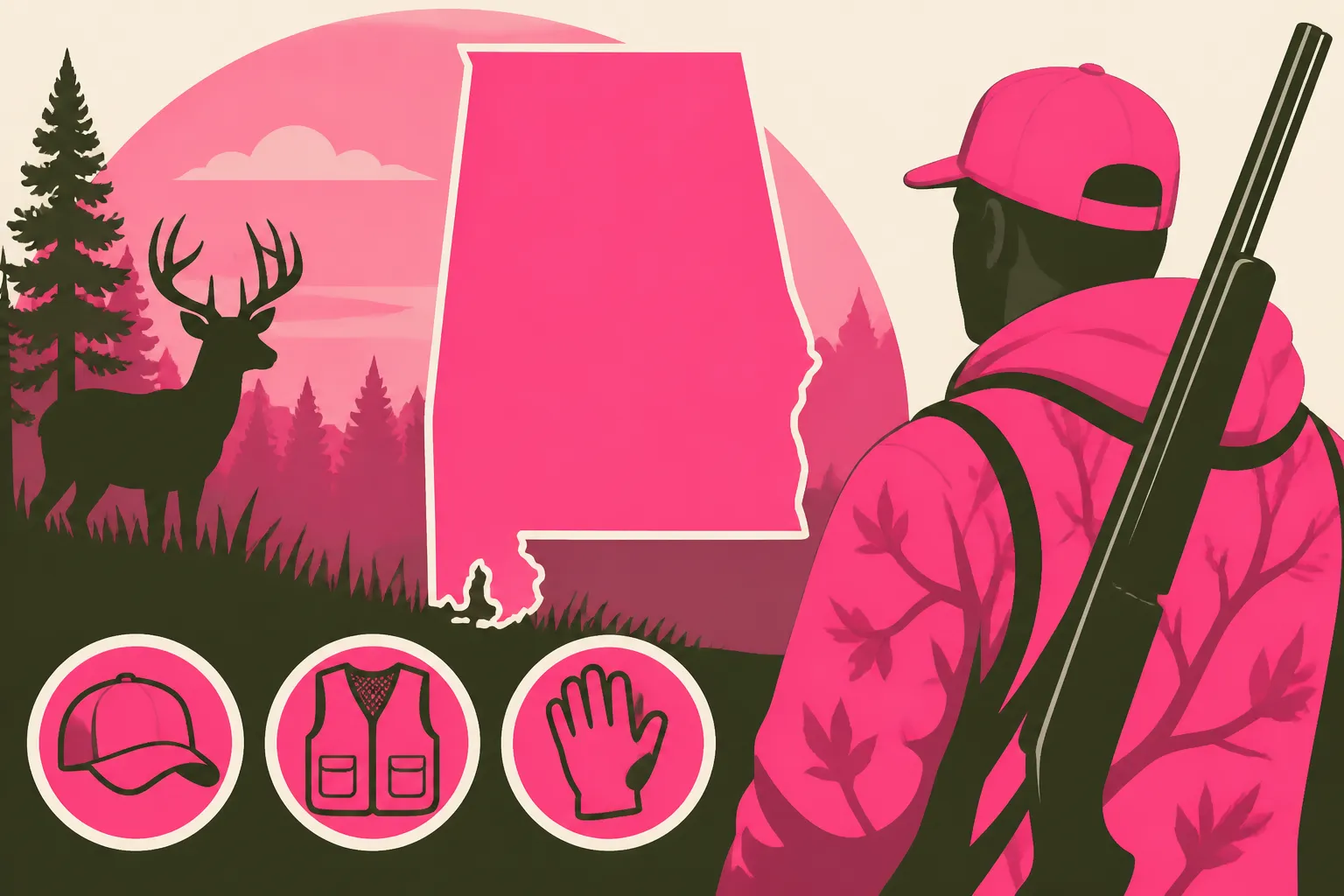
So, let's get down to brass tacks: Is blaze pink legal in Alabama? Yes, it is! As of recent regulatory updates by the Alabama Department of Conservation and Natural Resources (ADCNR), hunters in Alabama now have the option to wear either blaze orange or blaze pink when hunting species that require hunter orange. This is fantastic news for hunters looking for that alternative, proving that safety doesn't have to be a one-color fits all deal. But like all hunting regulations, there are specific conditions and requirements you need to be aware of to ensure you're compliant and, most importantly, safe.
When is Blaze Pink Required in Alabama?
The rules for when you must wear blaze pink are exactly the same as for blaze orange. This means if you're out chasing deer, elk (though there are no wild elk in Alabama, the regulation covers it if circumstances change or if hunting out-of-state with an Alabama license might apply, though that's not the primary intent), or bear, you'll need to be wearing either blaze orange or blaze pink. This regulation also extends to anyone serving as a guide for these hunters.
It’s crucial to remember that this requirement typically applies during gun seasons for these species. During archery-only seasons, the blaze orange/pink requirement is usually suspended because bowhunting often relies heavily on camouflage and close-range encounters. However, there are nuances, especially if you're bowhunting during a firearms season – which happens frequently with Alabama's extended seasons. For instance, if you're enjoying Alabama's long archery season and the gun season for deer overlaps, you must still wear your blaze safety color, even with a bow. This overlap is common, and it’s a critical safety point. Always double-check the specific dates for your zone and the type of weapon you're carrying. You can find detailed breakdowns of these seasons, including specific dates and nuances for various zones, in resources like Alabama Deer Season Structure Explained or by checking the Outdoor Alabama app, which is a fantastic resource like GoHunt.
The "How Much" Rule: Specific Requirements
It's not enough to just throw on a pink hat. Alabama, like most states, has minimum requirements for the amount of blaze safety color visible on a hunter. The current regulation states that hunters must wear at least 144 square inches of visible solid hunter orange or hunter pink above the waist. This isn't just a number; it's about ensuring visibility from all angles.
This usually means:
- A vest or jacket: Often, a simple vest will meet or exceed the 144 square inch requirement. It needs to be worn as an outer garment, not hidden under a camouflage jacket.
- A cap or hat: Many hunters choose to wear a solid blaze orange or pink cap in addition to their vest. While a cap alone might not always meet the 144 sq. inch minimum by itself, it's an excellent supplement for head visibility.
- Visibility from all sides: This is key. The intent is that another hunter should be able to see you from any direction. So, wearing a small patch on your back is insufficient if you're facing away.
Think about walking to your treestand in the pre-dawn light, or still-hunting through thick brush. You might only catch a glimpse of another hunter. Those 144 square inches are designed to make that glimpse unambiguous: human hunter. Before you head out, I always suggest trying on your gear and having a friend walk around you to confirm that you’re truly visible from 360 degrees. It’s a simple test that could prevent a serious accident.
Here’s a quick breakdown of common garment square inch approximations, though always check specific product details:
| Garment Type | Approximate Blaze Area (Solid) | Meets 144 sq. inches? | Notes |
|---|---|---|---|
| Full Safety Vest | 300-600 sq. inches | Yes | Most common and recommended for full compliance and safety. |
| Safety Jacket | 800-1200+ sq. inches | Yes | Often provides even more visibility; good for colder weather. |
| Hunting Cap | 40-60 sq. inches | No (by itself) | Excellent supplement, highly visible for head movement, but not usually enough alone. |
| Armband/Small Patch | 10-30 sq. inches | No | Absolutely insufficient for legal compliance; only for very limited, non-regulated uses. |
Always remember, the goal isn't just to meet the minimum legal requirement, but to maximize your safety and the safety of others. When in doubt, more is better.
Public Land Versus Private Land and Blaze Pink
The blaze pink requirement, just like blaze orange, applies universally across both public and private lands when hunting the specified game species during their respective firearm seasons. This means if you're on a public Wildlife Management Area (WMA) or deep in the Talladega National Forest, the rules are the same as if you're hunting your private 40-acre tract in the Black Belt. There’s no special exemption for private property when it comes to these critical safety rules.
Many hunters operating on private land, especially those with established hunting clubs, might feel more relaxed about safety attire, assuming everyone knows each other. However, accidents can happen anywhere, and the law is clear. Furthermore, even on private land, stray bullets can travel, and non-hunters (like hikers, dog walkers, or property visitors) might be present. Adhering to the blaze safety color requirements is about protecting everyone, not just those you expect to encounter. Plus, you never know when you might have a close encounter with a neighboring hunter, so it’s always best to be visible. If you're planning a trip to a WMA, remember to also check specific WMA rules, which can sometimes have additional requirements beyond statewide regulations. Resources like Alabama WMA Permit Requirement can help you understand those nuances.
Why Choose Blaze Pink? Pros and Cons for Alabama Hunters
The option of blaze pink is a welcome addition for many hunters. But like any choice, there are factors to consider beyond just meeting the legal requirement. Let's delve into the advantages and potential considerations of opting for blaze pink over the traditional orange.
The Benefits of Blaze Pink
One of the most significant benefits, as mentioned earlier, is increased inclusivity and appeal. For women and young girls who might not feel excited about traditional hunter orange, blaze pink offers an alternative that can make them feel more comfortable and confident. This can be a huge motivator for new hunters to get involved and stick with the sport. My daughter, for example, absolutely loves her blaze pink hat and vest; it makes her feel more connected to the gear, rather than just wearing "Dad's old stuff." This personal connection to gear can be a powerful thing for fostering a love of the outdoors and hunting.
Secondly, from a purely scientific standpoint, it is just as visible as blaze orange to the human eye. Studies have confirmed that fluorescent pink stands out remarkably well against natural backgrounds, often even performing slightly better in certain light conditions. This means no compromise on safety. It's not a less safe option; it's an equally safe option. For hunters who spend a lot of time in the field, knowing that your chosen safety color offers the same level of protection is paramount. If you're using a scouting app like GoHunt, you can even visually test how different colors might stand out in various terrain features marked on your map.
Finally, blaze pink offers a unique aesthetic choice. For some, it's simply a matter of preference. Maybe they already have a ton of blaze orange and want to try something different. Maybe it matches other gear. The ability to choose is, in itself, a benefit. It allows hunters to express a bit of individuality while still adhering to the highest safety standards.
Considerations When Choosing Blaze Pink
While the benefits are clear, there are a few practical considerations to keep in mind, especially in a state like Alabama where blaze orange has been the norm for so long.
One potential, albeit decreasing, consideration is recognition by other hunters. Because blaze orange has been the standard for so long, some older hunters might still be hard-wired to associate only orange with "safe hunter." While the law now explicitly allows pink, there might be a very slight initial mental adjustment for some folks. However, as blaze pink becomes more common, this will quickly become a non-issue. I've already seen plenty of hunters in pink out in the field, and it's quickly becoming part of the landscape.
Another practical point is availability of gear. While major hunting retailers and online stores like GoHunt are increasingly stocking blaze pink options, you might find fewer choices in certain specialized items or at smaller, local shops compared to the vast array of blaze orange gear. This is rapidly changing, but it's something to be aware of if you're looking for a very specific type of jacket or vest. Always check ahead or order online if you have particular needs.
Lastly, consider dye stability and fading. Just like any fluorescent color, blaze pink can fade over time with prolonged exposure to sunlight and repeated washing. While this isn't unique to pink – blaze orange also fades – it's something to be mindful of. A faded safety garment, regardless of color, loses some of its effectiveness. Regularly inspect your gear for signs of significant fading, especially before a new season, and replace it if it looks dull. This is an important part of maintaining your personal safety equipment.
Practical Considerations for Wearing Blaze Pink
Adopting blaze pink into your hunting wardrobe is pretty straightforward, but a few practical tips can help ensure you're getting the most out of your safety gear and staying compliant with Alabama law.
Layering for Visibility and Comfort
Alabama weather can be notoriously unpredictable. You might start your hunt bundled up in a cold, frosty morning, only to be shedding layers by mid-day as the sun beats down. This makes layering crucial for comfort, but it's also important for maintaining visibility. Your blaze pink layer must be your outermost garment above the waist during regulated seasons.
This means:
- Don't hide it: Resist the temptation to put your camo jacket over your blaze vest when you get cold. That defeats the purpose.
- Choose appropriate base layers: Wear your warmer layers under your blaze pink vest or jacket. Many companies make insulated blaze pink jackets now, which are fantastic for colder hunts.
- Be prepared for temperature changes: Carry an extra blaze pink vest if your primary one is part of a heavy jacket, just in case you need to shed the jacket but still need to maintain visibility with a lighter vest. Or invest in a lightweight, packable blaze pink vest that can easily go over any outfit. Whether you're hunting the cold mornings of December or the warmer days of late January's either-sex window, proper layering will make a big difference for comfort and safety.
Maintenance and Care for Longevity
Just like any piece of hunting gear, taking care of your blaze pink items will extend their life and maintain their effectiveness.
- Wash with care: Fluorescent dyes can be sensitive. Wash your blaze pink gear in cold water with a mild, scent-free detergent. Avoid bleach, which can strip the color. Air dry when possible, or use a low heat setting in the dryer.
- Store properly: Store your blaze pink items away from direct sunlight when not in use. Sunlight is the primary culprit for fading. Keep them in a dark closet or a gear bag.
- Inspect regularly: Before each season, and periodically throughout, give your blaze pink vest and hat a good once-over. Is the color still vibrant? Are there any tears or rips that might compromise visibility? If it looks dull or worn out, it's time for a replacement. A faded vest is a less safe vest.
Complementing Your Blaze Pink with Other Safety Practices
Wearing blaze pink is a critical component of hunter safety, but it's not the only component. It works best when combined with other fundamental safety practices:
- Always identify your target and what is beyond it: This is the golden rule. Never shoot at sound or movement. This is non-negotiable, regardless of what color another person is wearing.
- Know your surroundings: Be aware of other hunters, property lines, and potential hazards. Using mapping apps, like the ones available on GoHunt, can help you keep track of your location on Alabama Public Land Hunting Hours or private property.
- Communicate with your hunting party: If you're hunting with a group, let everyone know your plans, where you'll be, and your anticipated movements.
- Use proper firearm handling: Treat every firearm as if it's loaded, keep the muzzle pointed in a safe direction, keep your finger off the trigger until ready to shoot, and be sure of your target and what's beyond it. These rules are universally applicable.
- Consider a hunter education course: Even if you’re an experienced hunter, a refresher course can be incredibly beneficial. For new hunters, it's required. You can learn more about Alabama Hunter Education Requirements through the ADCNR.
By combining your stylish and safe blaze pink attire with these timeless safety principles, you're ensuring the safest possible experience for yourself and everyone else in the Alabama woods. Whether you're sitting in a stand in the Talladega National Forest or still-hunting Bankhead Forest ridges, being visible and vigilant is key.
Internal Linking & Resources
Staying informed is paramount for every Alabama hunter. Beyond knowing the ins and outs of blaze pink, understanding other regulations and best practices can greatly enhance your hunting experience. For instance, being familiar with Alabama Hunting Licenses and What They Cost is your first step before heading afield. If you're planning a deer hunt, knowing Alabama Gun Season Dates by Zone is crucial for compliance. And for those who prefer bowhunting, it's good to know Crossbow Rules During Alabama Archery Season.
Public land offers fantastic opportunities, but often comes with specific regulations. Learning about Treestand Setups in Talladega National Forest or Using a Ground Blind on Alabama Public Land can help you ethically and legally hunt in these areas. Additionally, preparing for your hunt means proper scouting, so resources on Scouting Alabama Public Land Before Season and Reading Aerial Photos for Piedmont Deer can give you an edge. Even after the shot, knowing how to handle your game, like Field Dressing a Deer in Warm Weather, is essential. For late-season success, consider adapting your approach with strategies like Warm-Weather Sitting Strategy in Alabama or identifying Late-Season Food Sources for Alabama Whitetails. Every piece of knowledge adds to a safer, more successful, and more enjoyable hunt.
Disclaimer
The information provided in this guide is intended for general informational purposes only and does not constitute legal advice. Hunting regulations in Alabama are subject to change by the Alabama Department of Conservation and Natural Resources (ADCNR). Hunters are solely responsible for understanding and complying with all current federal, state, and local hunting laws and regulations. Always consult the official ADCNR hunting regulations handbook or the Outdoor Alabama website before engaging in any hunting activities.