Alabama Spring Turkey Harvest Numbers
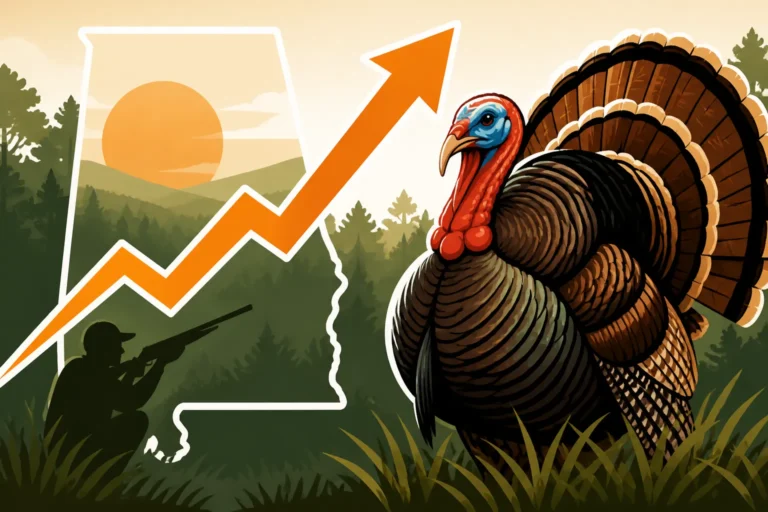
There's nothing quite like the sound of an Alabama gobbler hammering on the limb as the sun starts to paint the sky, but after the season wraps up, many of us wonder how the overall hunting effort played out across the state. It can be tough to make sense of all the data flying around, and sometimes it feels like every year brings a different story, making us question where the birds really are. This guide is going to break down Alabama's spring turkey harvest numbers, what they truly mean for the health of our wild turkey population, and how you can use this insight to plan your future hunts, giving you a clearer picture of what's happening in the woods.
The Basics of Alabama's Spring Turkey Harvest Data
When you hear talk about "harvest numbers," it's easy to picture a simple tally of birds taken. But in reality, these numbers are so much more than just bragging rights. For wildlife biologists and game managers, spring turkey harvest data is a critical piece of the puzzle, offering a yearly snapshot of the health and distribution of our wild turkey populations across Alabama. Understanding what these numbers represent and how they're collected is the first step to truly appreciating their value. They aren't just statistics; they're a barometer for the woods we cherish.
What Harvest Numbers Truly Reflect
Harvest numbers aren't a definitive count of every single turkey in the state, but rather an indicator of hunter success and, by extension, the relative abundance of birds. Think of them as a pulse check. A strong harvest often suggests a healthy, robust population and good hunting conditions, while a decline might signal challenges that need attention. These numbers reflect not only the sheer quantity of birds but also the age structure of the gobbler population – a strong harvest of two-year-old birds, for example, indicates a successful hatch a couple of years prior. This helps managers assess the impact of weather patterns, habitat changes, and even disease on the turkey population.
Beyond just the biological insights, these numbers also give us a peek into hunter effort and participation. If harvest numbers are down, is it because there are fewer turkeys, or because fewer hunters were out, or perhaps the weather was so bad that nobody wanted to go? It's a complex interplay of factors, and the data helps disentangle some of these variables. It's a way for the state to keep its finger on the pulse of both the wildlife and the hunting community, ensuring that regulations like the Alabama Turkey Bag Limit Rules are appropriate for sustainable hunting.
How Harvest Data is Collected in Alabama
Alabama relies heavily on its Game Check system for collecting spring turkey harvest data, which is a modern, efficient approach that puts the responsibility squarely on the hunter. When you successfully harvest a turkey, you're required to report it through this system. This can be done online, via a dedicated mobile app, or by phone. This process makes it relatively easy for hunters to comply, and it provides near real-time data for the Alabama Department of Conservation and Natural Resources (ADCNR) to analyze. This system is crucial because it gives biologists a much quicker and more accurate understanding of harvest trends than older, more labor-intensive methods.
The integrity of this data, however, hinges on hunter compliance. Every reported bird contributes to a more complete and accurate picture. It's not just about successful hunts; it's about providing the necessary information so that wildlife management decisions are based on the best available science. Ensuring proper reporting is a key part of responsible hunting in Alabama, and it directly contributes to the sustainability of our turkey resource for future generations. If you're wondering about the specifics, you can always check out the Alabama Turkey Checking Requirements to make sure you're up to date.
Deciphering Recent Trends in Alabama's Turkey Harvest
Looking at the Alabama spring turkey harvest numbers over the past few years, you'll notice they rarely stay perfectly consistent. Like a rollercoaster, they have their peaks and valleys. These fluctuations are not random; they tell a story about the birds, their environment, and the hunters pursuing them. Understanding these general trends and the myriad of factors influencing them is key to truly grasping the state of our wild turkey populations and what we can expect in the future.
General Trends in Spring Turkey Harvests
Historically, Alabama has boasted a strong and healthy wild turkey population, but harvest numbers can—and do—change from year to year. Sometimes we see a bump in success, and other times there's a dip. These ups and downs are often reflective of the success (or failure) of turkey hatches a couple of seasons prior. For instance, a fantastic spring two or three years ago that produced a lot of poults often translates into a higher number of two-year-old gobblers—prime targets for hunters—in the current season. Conversely, a poor hatch means fewer young birds entering the population later, which can lead to a noticeable decline in harvest.
It’s important to remember that these harvest numbers are just one piece of a much larger puzzle. They are data points that biologists use in conjunction with other metrics, such as brood surveys and hunter effort data, to get a comprehensive view of the Alabama Turkey Population Estimate. While a single year's harvest might seem high or low, it's the long-term trend that truly matters for assessing the overall health and stability of our wild turkey resource.
Factors Influencing Yearly Fluctuations
Many elements beyond hunter skill contribute to the annual fluctuations in turkey harvest. Nature, in all its unpredictable glory, plays a massive role:
- Weather During Nesting and Brooding: Perhaps the biggest influencer is the weather during the critical nesting and early brooding periods. A prolonged cold, wet spring can be devastating to poult survival, especially for newly hatched birds. These young poults are highly susceptible to hypothermia, and heavy rains can flood nests or make foraging difficult for hens. On the flip side, a warm, dry spring often leads to a boom in poult production, setting the stage for better harvests down the line. Think of it this way: a good year for baby turkeys means more gobblers strutting in the woods a couple of years later.
- Habitat Quality and Availability: The health of our woodlands directly impacts turkey numbers. Areas with a diverse mix of mature timber for roosting (Where Alabama Gobblers Roost), open areas with insect-rich vegetation for poults, and dense understory for nesting cover tend to support healthier turkey populations. Loss or degradation of habitat, whether from development, intensive timber practices, or even severe weather events like tornadoes, can reduce the carrying capacity of the land.
- Predation: While healthy turkey populations can withstand some predation, a spike in predators like raccoons, opossums, coyotes, or even feral hogs can significantly impact nest success and poult survival. This directly affects Nest Predation and Alabama Turkey Hatches, leading to fewer birds recruited into the population.
- Food Sources: A strong acorn crop in the fall can influence how turkeys spend their winter, potentially affecting their body condition leading into the spring breeding season. While not as direct as spring weather, these long-term food availability patterns contribute to the overall resilience and reproductive success of the flock.
- Hunter Participation and Effort: Sometimes, a dip in harvest numbers isn't solely about the birds. If fewer hunters are out in the woods, or if hunting pressure is concentrated in certain areas, the overall harvest might decline even if the population remains stable. Understanding trends, potentially through apps like GoHunt, can sometimes give hunters an edge in finding less-pressured areas.
Regional Differences and What They Mean for Hunters
Alabama is a wonderfully diverse state, and its turkey populations, much like its landscapes, are not uniform. What holds true for the Wiregrass region might be entirely different from the Black Belt or the mountainous terrain of North Alabama. These regional variations in habitat, hunter density, and even breeding cycles mean that spring turkey harvest numbers can look very different depending on where you hang your hat – or your turkey call.
Harvest Differences Across Alabama's Turkey Zones
Alabama is divided into two distinct turkey hunting zones, Zone 1 and Zone 2, each with its own set of opening dates. This zoning system is a direct reflection of ecological differences across the state, particularly in how turkeys breed and when they typically initiate nesting. As a result, harvest numbers can naturally vary between these zones. Zone 1, generally covering the southern and central parts of the state, often opens earlier than Zone 2, which typically encompasses the northern counties. This difference in season timing (Hunting the Zone 1 Turkey Opener versus Hunting Alabama's Later Turkey Zone Opener) means that hunting pressure and bird behavior might be different, influencing success rates.
For instance, regions within the famous Black Belt, with their rich agricultural lands interspersed with hardwood bottoms, often report strong turkey harvests due to abundant food sources and prime habitat. These areas can support higher turkey densities, leading to more opportunities for hunters. In contrast, areas with more fragmented habitat or higher human population density might see lower overall harvest numbers simply because there are fewer places for turkeys to thrive undisturbed, or fewer hunters actively pursuing them. Understanding these zones and their specific regulations, like those detailed in Alabama Zone 1 Turkey Season Rules, is essential context for interpreting the harvest data.
Local Hotspots and Cooler Areas
Beyond the broad strokes of the turkey zones, even within regions, there are often localized "hotspots" that consistently produce higher harvest numbers, while other areas might be "cooler." These hotspots aren't a secret; they're usually areas with exceptional habitat, effective land management practices, or simply less hunting pressure. Public lands, especially well-managed Wildlife Management Areas (WMAs) or large tracts of national forest, can often be top producers, particularly for hunters willing to put in the effort to get away from roads and crowds.
Some counties consistently show up near the top of harvest reports. These counties often have vast tracts of excellent turkey habitat, whether it's large timber holdings, diverse agricultural lands, or extensive river bottoms. For hunters looking to maximize their chances, researching which counties tend to yield the most birds (often found in resources discussing the Best Alabama Counties for Turkeys) can be a smart strategy. Conversely, counties with significant urbanization or heavily fragmented cover will understandably show lower harvest figures. It’s not necessarily that there are no turkeys, but rather that the habitat is less conducive to large, thriving populations or accessible hunting.
Using Harvest Data to Inform Your Future Hunts
Looking at past spring turkey harvest numbers might seem like dwelling on history, but for the savvy hunter, it's a powerful predictive tool. This data isn't just for biologists; it's a valuable resource that can help you fine-tune your hunting strategy, adjust your expectations, and even decide where to focus your scouting efforts for upcoming seasons. It’s about leveraging collective experience to improve your own.
Planning Your Hunt Based on Past Performance
If an area, county, or even a specific WMA reported exceptional harvest numbers two or three seasons ago, that's often a strong indicator that a healthy cohort of two-year-old gobblers is currently running the woods. These younger gobblers, eager to breed but sometimes less wary than older Toms, can offer excellent hunting opportunities. Conversely, if an area showed a significant drop in harvest a couple of years back, it might mean there are fewer two-year-olds currently, suggesting a potentially tougher hunt for those specific age-class birds.
While this data doesn't guarantee success, it provides a valuable baseline. You can use it as one layer of information, combining it with your personal scouting notes, trail camera intel, and conversations with local landowners or fellow hunters. For example, if you're trying to decide between two public land areas, and one has a track record of consistently decent harvests over the past few years, it might nudge you toward that location. This historical data, when properly interpreted, can help you set realistic goals and decide where you might get the most bang for your buck, so to speak.
Balancing Data with Real-World Scouting
While harvest numbers are incredibly insightful, they are not a substitute for having boots on the ground. A statewide or even county-level harvest report provides a broad overview, but it can't tell you exactly what's happening in your specific creek bottom or on the ridge behind your favorite deer stand. Your own scouting remains paramount. A particular WMA might show lower overall harvest numbers, but if you've done your homework and found fresh sign, good roosting areas, and active scratching, it could still hold a few elusive gobblers for you, especially if you're employing tactics like Run-and-Gun Turkey Tactics on Public Land.
Think of harvest data as a general map, and your scouting as the detailed GPS coordinates. The map helps you decide which region to explore, but the GPS guides you to the specific X. Don't let a "cooler" statewide trend completely discourage you from trying your proven spots, but be informed. If statewide numbers are down, you might need to hunt harder, cover more ground, or adapt your calling strategy. Tools like GoHunt can layer harvest data with topographical maps and satellite imagery, helping you visualize potential hotspots and plan your entry and exit routes more effectively. Ultimately, the best hunters blend data analysis with relentless, real-world effort. Paying attention to other indicators, like the Poult-to-Hen Ratios and What They Mean from annual surveys, can often give you an even earlier heads-up on the health of the upcoming turkey generations.
| Factor Affecting Harvest | Impact on Spring Turkey Numbers (General Trend) | Hunter Consideration |
|---|---|---|
| Previous Year's Hatch | Strong poult-to-hen ratios often lead to higher two-year-old gobbler numbers 2 years later. | Look for areas with good hatches reported 2-3 years prior to target more responsive gobblers. |
| Early Spring Weather | Cold, wet nesting periods can reduce poult survival, negatively impacting future populations. | Expect fewer young birds if recent springs were harsh; focus scouting on known mature gobbler hangouts. |
| Habitat Quality | Diverse habitat with good nesting cover, brood-rearing areas, and ample food sources supports higher populations. | Prioritize areas with active habitat management, such as prescribed burns, or naturally rich environments like river bottoms or agricultural edges, which offer better turkey density. |
| Hunting Pressure | High pressure in easily accessible areas can lead to birds becoming more wary, reducing individual hunter success. | Seek out less-pressured areas on public land by going deeper, or employ specific tactics for wary birds like Roost Hunting Alabama Gobblers at first light before others arrive. |
| Acorn Crop (Previous Fall) | A poor acorn crop can force birds to forage more broadly, making them more visible; a bumper crop might mean more dispersed birds. | Adapt scouting to food availability; birds might concentrate near alternative food sources (like chufa fields or insect-rich areas) if acorns were scarce the previous fall. |
Disclaimer
This article is for general informational purposes only and does not constitute professional advice. Laws, prices and regulations vary by location and change over time. Consult a qualified professional for guidance on your specific situation.