Alabama Spring Turkey Bag Limit
Trying to keep your head straight with Alabama's spring turkey bag limits can sometimes feel like solving a complex puzzle, especially when you factor in different zones, daily restrictions, and the overall seasonal cap. It's easy to get confused, and nobody wants to inadvertently break a rule they didn't fully understand. This guide is here to untangle all those regulations, giving you a clear picture of what you can harvest and how to stay compliant during Alabama's exciting spring turkey season.
Decoding Alabama's Spring Turkey Bag Limit System
Alabama's approach to spring turkey bag limits is designed to ensure a sustainable population for years to come while still offering ample opportunity for hunters. It's not just a random number; it's based on scientific data, harvest trends, and the overall health of the wild turkey population in the state. Understanding this system is crucial for every turkey hunter, from seasoned veterans to those just starting out. It's not enough to just know the number; you need to understand how it applies daily, seasonally, and across the different zones you might hunt.
The Statewide Seasonal Limit for Gobblers
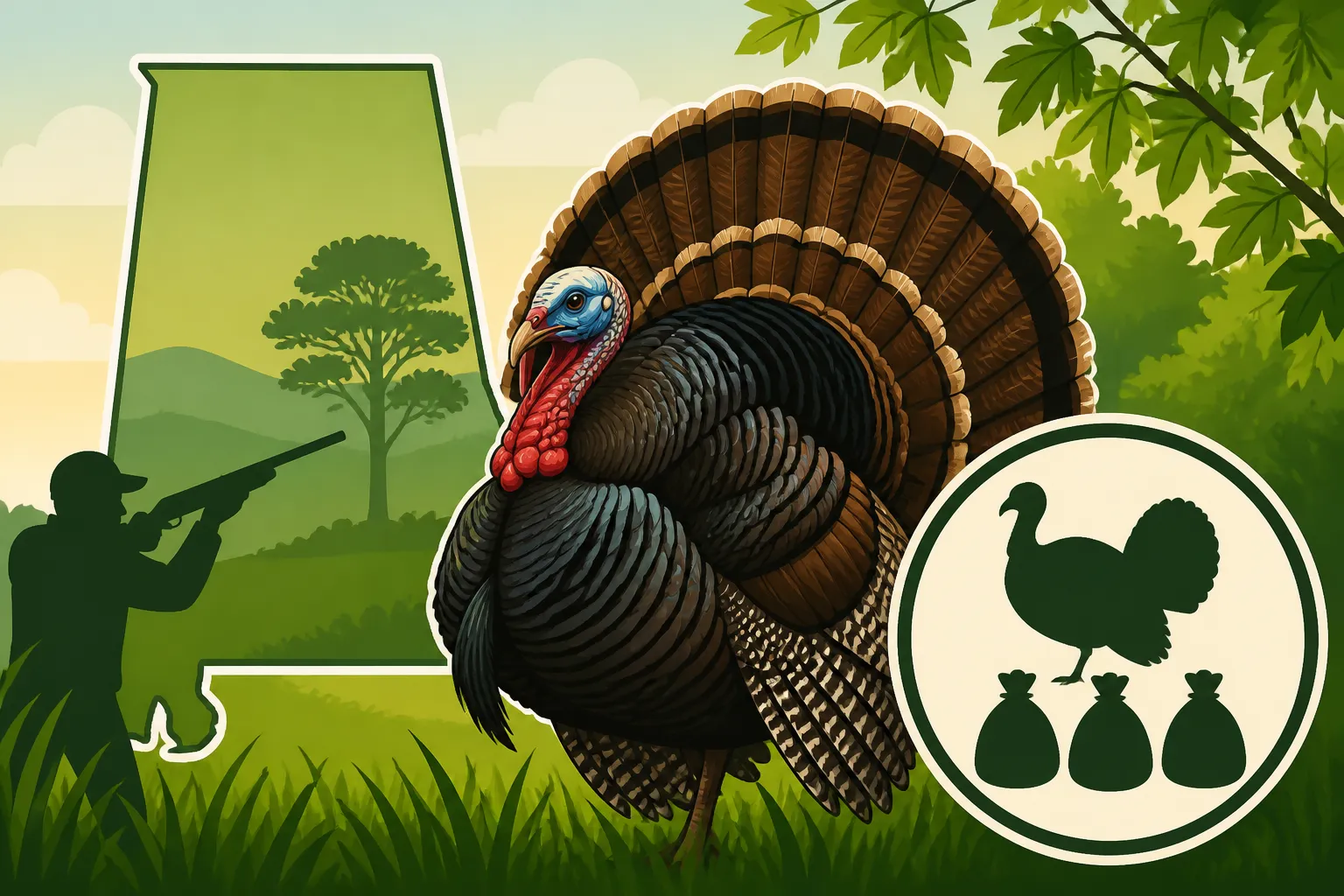
Let's start with the big picture: the statewide seasonal limit. For the spring turkey season in Alabama, you are permitted to harvest a maximum of four gobblers or bearded turkeys per hunter. This is a combined total for the entire spring season, regardless of whether you hunt in Zone 1, Zone 2, or both. It doesn't matter if you hunt on private land, public land, or a combination; once you hit four, your spring turkey season is over for gobblers. This overarching limit is a critical conservation measure, ensuring that enough breeding birds remain to perpetuate the species. It also means if you're lucky enough to tag a few early, you need to manage your remaining tags wisely through the rest of the season.
Daily Limits and "One Bird Per Day"
While you have that generous four-bird seasonal limit, it's really important to remember the daily restriction: one gobbler or bearded turkey per day. This is non-negotiable. You can't just go out and bag two longbeards on a hot morning, even if you're well below your seasonal total. This "one bird per day" rule is in place for a few reasons. First, it helps prevent overharvesting concentrated groups of birds, especially in areas where they might be flocking up. Second, it encourages more ethical hunting, giving hunters time to process their bird and truly appreciate the experience before heading back out. So, if you manage to call in a strutting tom in the morning, your daily gobbler hunt is done, even if you have more tags to fill for the season.
Youth Hunter Specifics
Youth hunters in Alabama are often granted special opportunities, and spring turkey season is no exception. Typically, there's a Alabama Zone 1 Youth Turkey Weekend and a Alabama's Later Youth Turkey Weekend that open before the regular season for adults. This provides a fantastic chance for young hunters to experience the thrill of turkey hunting with less pressure and competition. The daily and seasonal bag limits for youth hunters generally follow the same rules as adults: one gobbler or bearded turkey per day, with a seasonal limit of four. It's important for supervising adults to be fully aware of these rules, as they are responsible for ensuring the youth hunter stays compliant. Always double-check the latest ADCNR regulations each year, as specific dates and nuances can sometimes shift.
Navigating Zone-Specific Seasons and Their Impact on Your Limit
Alabama is a wonderfully diverse state, and its turkey management reflects that. The state is divided into two primary turkey zones for spring season, Zone 1 and Zone 2, each with different opening dates. While the statewide bag limit remains consistent, the season dates dictate when you can pursue those birds, which indirectly impacts your hunting strategy and how you utilize your four-bird limit.
Zone 1 Versus Zone 2 Openers
The main difference between the zones lies in their opening and closing dates. Alabama Zone 1 Turkey Season Rules typically see an earlier start to the season, encompassing the northern and central parts of the state where turkeys may breed and nest earlier. Meanwhile, Alabama's Later Spring Turkey Zone Opener applies to the southern counties, where the turkeys' biological clock might be a bit behind. This staggered approach is a smart way to match hunting pressure with the birds' natural cycles, aiming to maximize hunting opportunities while minimizing disturbance during critical nesting periods.
The important thing to remember for your bag limit is that even if you hunt in both Zone 1 and Zone 2 over the course of the season, your total harvest of four gobblers still applies. If you tag two birds in Zone 1, you only have two left for the rest of the spring, no matter which zone you hunt in next. Many hunters use this to their advantage, spreading their hunting efforts across different zones as the season progresses, potentially extending their time in the woods. Staying informed about these dates, perhaps through resources like the GoHunt app which often provides detailed season calendars, is key to planning a successful season.
Public and Private Land Considerations
When it comes to the actual bag limit, there is no distinction between turkeys harvested on public land versus private land. The one-bird-per-day and four-birds-per-season rules apply universally. What does differ, however, is the access and the experience. Hunting on public lands often means more competition and the need for rigorous Scouting Alabama Public Land Before Season to find unpressured birds. Private land, while requiring permission or a lease, can offer more controlled hunting environments.
Regardless of where you hunt, the principles of ethical hunting and responsible harvest remain paramount. It’s vital to be absolutely sure of your target and shot placement. When you consider the effort biologists put into understanding Alabama Turkey Population Trends and setting these limits, it underscores our responsibility as hunters to adhere to them strictly. Whether you're hunting a sprawling national forest or a cozy private woodlot, the rules are the same for your bird count.
The Conservation Science Behind Alabama's Limits
Hunting regulations, especially bag limits, aren't conjured out of thin air. They're the result of extensive research, biological surveys, and ongoing population monitoring by wildlife agencies like the Alabama Department of Conservation and Natural Resources (ADCNR). These limits are a cornerstone of modern wildlife management, ensuring healthy, vibrant turkey populations for generations to come. It’s frustrating when rules change, but these shifts are usually based on hard data and a commitment to the resource.
Promoting Sustainable Turkey Populations
The primary goal of any bag limit is sustainability. By setting a cap on the number of birds a hunter can take, the ADCNR aims to maintain a healthy breeding population of wild turkeys. Biologists meticulously track data such as Poult-to-Hen Ratios and What They Mean, annual harvest numbers, and habitat conditions to gauge the health of the flock. If poult production is down, or if harvest rates begin to climb too high in certain areas, the agency may adjust regulations in future years to protect the resource.
These efforts are critical, especially given past declines in wild turkey populations across the country. Alabama has done an incredible job in restoring its wild turkey numbers, and current regulations are designed to keep those populations thriving. So, while it might feel restrictive at times, knowing that your compliance contributes directly to future hunting opportunities makes it all worthwhile. Tools like the GoHunt app often integrate regulations and season information, helping hunters understand how their actions contribute to overall conservation goals.
Managing Harvest Pressure and Quality
Bag limits also play a role in managing hunting pressure and, indirectly, the quality of the hunting experience. With a seasonal limit, hunters are encouraged to be more selective, perhaps holding out for a mature gobbler instead of harvesting the first bird they see. This selective harvesting can contribute to an older age structure within the gobbler population, leading to more vocal, more challenging birds throughout the season.
The "one bird per day" rule further spreads out hunting pressure. Instead of many hunters trying to fill multiple tags on a single day, it means more days in the woods for individuals and less concentrated pressure on local turkey flocks. This thoughtful management helps ensure that hunters across the state have a fair shot at experiencing a thrilling spring turkey hunt, whether they're trying Calling an Alabama Gobbler Off the Roost or trying a more active Run-and-Gun Turkey Tactics on Public Land. The goal is a balanced ecosystem where both turkeys and hunters can thrive.
Reporting Your Harvest and Avoiding Common Pitfalls
Adhering to bag limits is only one piece of the puzzle; proper harvest reporting is equally critical. For many hunters, the excitement of tagging a bird can sometimes overshadow the importance of the administrative steps that follow. However, reporting your harvest isn't just a formality; it's a vital part of Alabama's wildlife management program.
The Game Check Requirement
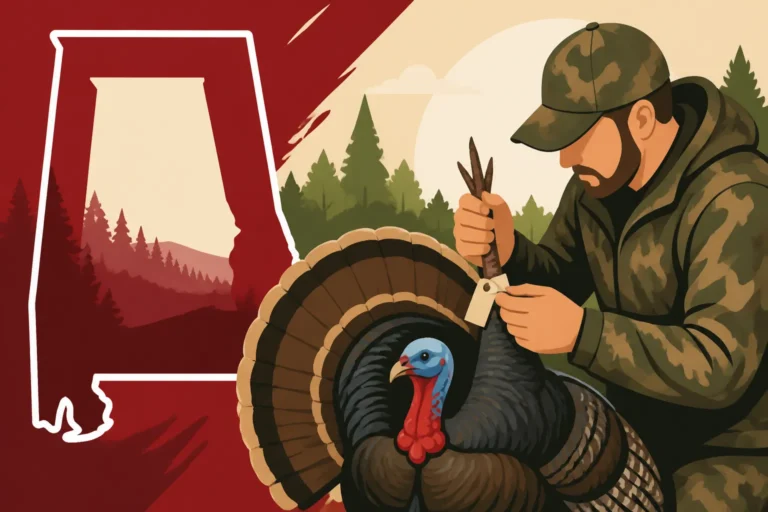
Every gobbler or bearded turkey harvested in Alabama during the spring season must be reported through the state's Game Check system. This applies to both resident and non-resident hunters, on both private and public lands. This data is indispensable for wildlife biologists, providing real-time information on harvest rates, locations, and other crucial metrics that inform future management decisions. Without accurate reporting, the ADCNR would be flying blind, making it much harder to set informed bag limits and season dates. You can report your harvest online via the Outdoor Alabama website, through their mobile app, or by phone. It's a quick process, but it's essential for ensuring you're legally compliant and contributing to good science. For more details on the process, check out our guide on Alabama Turkey Checking Requirements.
Here's a quick summary of the spring turkey bag limits:
| Regulation Type | Limit | Details |
|---|---|---|
| Seasonal Limit | 4 Gobblers / Bearded Turkeys | Combined statewide total for the entire spring season. |
| Daily Limit | 1 Gobbler / Bearded Turkey | Applies to all hunters, all lands, all zones. |
| Youth Hunters | Same as Adults | 1 per day, 4 per season, often with earlier season dates. |
| Reporting | Mandatory via Game Check | All harvested gobblers must be reported. |
| Zone Applicability | Limits are statewide, season dates vary | Hunting in Zone 1 and Zone 2 contributes to the same seasonal limit. |
Common Mistakes and How to Prevent Them
One of the most common mistakes hunters make is simply forgetting to report their harvest. With the excitement of a successful hunt, it’s easy to let it slip your mind, but it can lead to penalties. Another pitfall is miscounting your seasonal limit, especially if you hunt frequently or across different properties. Keeping a personal log can be a huge help here. Using an app like GoHunt to track your hunts can also be invaluable, ensuring you don't accidentally exceed your limit or forget to report.
Finally, be clear on the distinction between spring and fall turkey limits. While this guide focuses on the spring season, some hunters may pursue turkeys in both seasons. It's important to understand Alabama Combined Spring and Fall Turkey Limit to avoid any confusion. The spring season is strictly about gobblers and bearded birds, while fall seasons often have different rules regarding either-sex harvest. Always review the current regulations before each season begins, and if you have any doubt, contact the ADCNR directly. They are there to help clarify any confusion and ensure a safe and legal hunting experience for everyone.
The Role of Technology in Compliance
In today's digital age, staying compliant with hunting regulations has never been easier. The Outdoor Alabama app, mentioned earlier, provides direct access to the Game Check system, allowing you to report your harvest right from the field. It also offers digital copies of your licenses and permits, making it easy to carry proof of compliance. Third-party apps like GoHunt can further enhance your experience by integrating regulation summaries, mapping tools for identifying public land boundaries, and even harvest trackers. These tools take much of the guesswork out of compliance, freeing you up to focus on the hunt itself, whether you're busy Setting Up Against a Big Oak for a morning hunt or just trying to locate a bird that's gobbling.
By understanding Alabama's spring turkey bag limits, diligently reporting your harvests, and utilizing the resources available, you contribute to the healthy future of this incredible game bird.
Disclaimer
The information provided in this guide is for general informational purposes only and is not intended as legal advice. Hunting regulations can change frequently. Always consult the official Alabama Department of Conservation and Natural Resources (ADCNR) regulations, orders, and proclamations for the most current and accurate information before participating in any hunting activity. Failure to do so could result in legal penalties.