Alabama Elk History and Extirpation
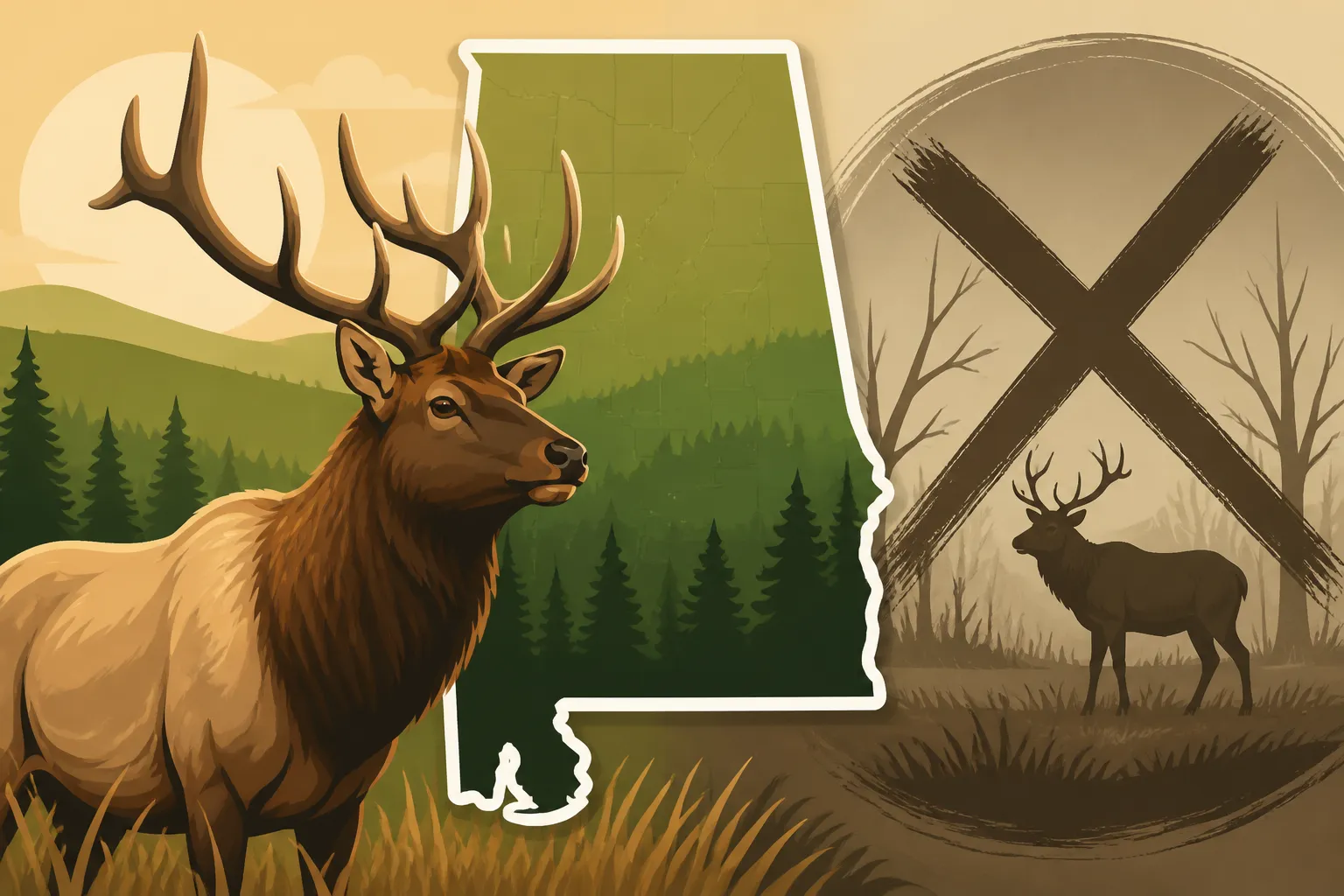
It’s a common question, especially for those new to hunting in our beautiful state or who might have moved here from places like the Rockies or Appalachia where elk still roam: "Are there elk in Alabama?" The simple, and perhaps disappointing, answer for any hunter hoping to pursue one of these magnificent creatures here today is a resounding no. But that wasn’t always the case. The story of elk in Alabama is a fascinating, if somewhat heartbreaking, chapter in our natural history, a tale of vast wilderness, the rapid expansion of settlement, and the profound impact humans can have on a landscape. This guide will take you through the historical presence of elk in Alabama, chronicle their disappearance, and explain why, despite our rich wildlife, they are no longer found roaming our woods.
The Historical Presence of Elk in Alabama
Imagine Alabama before widespread European settlement, a land of dense forests, open canebrakes, and meandering rivers. It was a true wilderness, teeming with an incredible diversity of wildlife. Among the largest and most impressive animals to inhabit this landscape were elk. These magnificent deer were once a natural part of Alabama’s ecosystem, contributing to the rich biodiversity that characterized the region for thousands of years. Their presence speaks volumes about the historical health and expanse of our wild lands.
Tracing Their Ancient Hoofprints
Evidence suggests that elk, specifically the Eastern elk subspecies (Cervus canadensis canadensis), roamed much of what is now Alabama. While we don't have detailed population numbers from pre-colonial times, archaeological findings, historical accounts from early explorers and settlers, and place names sometimes hint at their former range. For instance, imagine native peoples observing these grand animals, their calls echoing through river bottoms. These animals were more than just game; they were an integral part of the ecological fabric, shaping the landscape through their grazing and browsing habits, much like our white-tailed deer do today. Early European accounts from the 17th and 18th centuries occasionally mention "stag" or "large deer" that were unmistakably elk, describing animals far grander than even the largest whitetails. These records paint a picture of scattered but definite populations across various parts of the state, particularly in the more rugged, less settled areas where they could find ample forage and cover.
Why Alabama Was Prime Elk Country
Alabama, with its diverse geography, offered an ideal habitat for elk. The northern and central parts of the state, with their rolling hills, hardwood forests, and river valleys, provided excellent foraging opportunities. Elk are primarily grazers, but they also browse on shrubs and tree saplings, thriving in landscapes with a mix of forest and open areas. The extensive bottomland hardwoods along major river systems like the Alabama, Tombigbee, and Cahaba would have provided rich browse and abundant water sources. In these prime habitats, elk could find acorns, tender shoots, and a variety of native grasses to sustain their large bodies. The relative lack of human population density for millennia meant that natural predators, while present, weren't enough to push elk to the brink, and their habitat was vast and undisturbed. This was a land where herds could roam freely, following seasonal food sources and living out their natural lifecycles unhindered by fences or sprawling development. It was truly a different Alabama, one where the bugle of an elk might have been a regular sound in the autumn woods.
The Sad Story of Extirpation: When and Why Elk Vanished
The presence of elk in Alabama was a testament to the state's wildness, but this era began to rapidly decline with the arrival of European settlers and the subsequent push for westward expansion. The story of their disappearance, or extirpation, from Alabama mirrors that of many other large game species across the eastern United States. It's a somber reminder of how quickly seemingly abundant wildlife can be lost when faced with relentless pressure and changing landscapes.
The Pressure of Early Settlement
As settlers moved into Alabama, particularly from the late 18th century through the 19th century, they brought with them a different relationship with the land and its resources. The primary drivers of elk decline were multifaceted but largely centered around human activity. Early settlers relied heavily on hunting for subsistence, and elk, being large animals, provided significant amounts of meat, hides, and other valuable resources. This led to unregulated hunting, often year-round, without any bag limits or conservation practices in place. The sheer size of an elk made it a prime target for market hunters supplying meat to growing towns and cities. Imagine a lone hunter tracking an elk for days, not for sport, but to feed their family or make a living, selling every pound of meat they could pack out. Deer Drives With Three or Four Hunters were common, and elk would have been targeted in similar group efforts. Such relentless, sustained pressure quickly decimated local populations, pushing them further and further into dwindling wilderness pockets.
Habitat Loss and Market Hunting's Impact
Beyond direct hunting pressure, habitat destruction played an equally devastating role. As settlements grew, forests were cleared for agriculture, timber, and infrastructure. Elk require large, contiguous tracts of diverse habitat to thrive, and as these landscapes were fragmented and reduced, their ability to find food, shelter, and breeding grounds diminished. The rich river bottoms and hardwood forests that once sustained them were transformed into cotton fields and pastures. This loss of habitat meant even the remaining, scattered elk populations struggled to survive, becoming isolated and vulnerable.
The combination of unregulated subsistence and market hunting, coupled with widespread habitat conversion, created a perfect storm for the Eastern elk. By the mid-1800s, reports of elk sightings in Alabama became increasingly rare. While exact dates are hard to pinpoint, it's generally accepted that the Eastern elk was completely extirpated from Alabama by the late 1800s, effectively vanishing from the state's wildlife roster. This tragic outcome serves as a powerful historical lesson in wildlife management, highlighting the delicate balance required to sustain large species in the face of human expansion. The story is a stark contrast to today's well-managed populations of White-Tailed Deer Across Alabama, which benefit from strict regulations and habitat conservation efforts.
Modern Day Alabama: No Elk, But Rich Wildlife
Today, the idea of wild elk roaming Alabama is a nostalgic dream rather than a current reality. While some states, particularly in the western U.S. and parts of the Appalachian range, have seen successful elk reintroduction programs, Alabama has not pursued such initiatives. Our focus has remained steadfast on managing our incredibly diverse and robust native wildlife populations, ensuring their health and sustainability for future generations.
Distinguishing Elk from Current Wildlife
For those unfamiliar with elk, it's worth noting the distinct differences between them and Alabama's abundant white-tailed deer. Elk are significantly larger, standing much taller at the shoulder and weighing hundreds of pounds more than even the biggest Alabama buck. Their antlers are also massive, sweeping back and up with multiple tines, far more impressive than the typical deer rack. Their coloring tends to be a distinct tan body with a darker head and neck, and a prominent cream-colored rump patch. If you spend time in the Alabama woods, you might encounter large deer tracks or hear sounds that seem unfamiliar. But rest assured, those are almost certainly our native whitetails, Alabama Deer Population Estimate, or perhaps even our growing numbers of Feral Hogs Across Alabama. It’s important not to mistake a large deer for an elk, as no free-ranging elk populations exist in the state. Occasionally, someone might see a very large domestic animal, or even a cervid that escaped from a private game farm (which are tightly regulated), but these are not wild, free-ranging elk.
Here's a quick comparison of key differences:
| Feature | White-Tailed Deer (Alabama) | Eastern Elk (Historically in Alabama) |
|---|---|---|
| Size | Up to 300 lbs (bucks), 4 ft tall at shoulder | Up to 1000 lbs (bulls), 5 ft tall at shoulder |
| Antlers | Forward-curving, smaller rack | Massive, sweeping back, multiple tines |
| Coloring | Reddish-brown in summer, gray-brown in winter | Tan body, dark head/neck, cream rump patch |
| Vocalization | Snorts, bleats, grunts, whistles | Bugle (distinctive), chirps, mews |
| Habitat Pref. | Mixed forests, fields, edges | Open woodlands, grasslands, mountainous areas |
Conservation Focus on Native Species
Today, Alabama’s wildlife management efforts are primarily directed towards conserving and managing species that are currently native and thriving within our borders, or those that are recovering from past declines. This includes our incredibly popular White-Tailed Deer Across Alabama hunting season, robust wild turkey populations, and recovering numbers of Alabama's Recovering Black Bear Population in specific regions. We also dedicate significant resources to combating threats like Alabama's Chronic Wasting Disease Management Zone in deer, which is a major concern for cervid populations nationwide.
For a hunting enthusiast looking to explore opportunities in other states where elk hunting is a reality, tools like GoHunt provide invaluable data on tags, draw odds, and unit information. However, for those of us focused on Alabama, our efforts are channeled into understanding and enhancing the populations we do have, like the dynamics of Alabama's Five Deer Zones and ensuring sustainable hunting for generations to come. While the thought of elk returning to Alabama might spark excitement, the current ecological landscape, potential disease risks, and the sheer management complexity make widespread reintroduction an extremely challenging, and currently unprioritized, endeavor. The vast amount of land and very specific habitat requirements of elk also make it a difficult proposition in a state where private land ownership is predominant and land use is diverse.
The Dream of Reintroduction: Why It's Unlikely
The idea of bringing elk back to Alabama is certainly a romantic one, stirring the imagination of many hunters and conservationists. After all, if states like Kentucky and Arkansas can successfully reintroduce elk, why not Alabama? However, the reality of such an undertaking is far more complex than it appears, involving significant ecological, logistical, and social hurdles that make it highly improbable for Alabama in the foreseeable future.
Ecological Considerations
One of the biggest challenges for elk reintroduction in Alabama is the profound change in habitat since their extirpation. The sprawling, unbroken forests and extensive canebrakes that once characterized much of the state have largely been fragmented by agriculture, urban development, and a dense network of roads. Elk require vast tracts of contiguous habitat, significantly more than our current white-tailed deer. While Alabama certainly has large expanses of timberland and public lands like Public Hunting Land in Alabama, these areas may not be extensive or connected enough to support a self-sustaining, free-ranging elk herd without significant conflict with human interests.
Furthermore, introducing a large herbivore like the elk would inevitably impact the existing ecosystem. Competition with white-tailed deer for forage, particularly in areas where deer populations are already robust, would be a major consideration. This delicate balance of species and habitat means that any reintroduction would need to be meticulously planned and executed, with a clear understanding of its cascading effects on other wildlife, from Squirrel and Small Game Hunting in Alabama to Coyotes and Predators in Alabama. The challenges of securing such vast, dedicated habitat and mitigating potential ecological disruptions are formidable.
Disease and Management Challenges
Beyond habitat, disease management poses a significant barrier. Chronic Wasting Disease (CWD) is a devastating neurological disease affecting cervids, including elk and deer. Alabama has seen the emergence of CWD in its northwest corner, leading to the creation of Alabama's Chronic Wasting Disease Management Zone. Introducing elk, even from CWD-free areas, would carry an inherent risk of either introducing new strains or making existing CWD management efforts more complicated. Any potential reintroduction program would require extensive and ongoing disease monitoring, which is costly and labor-intensive.
From a management perspective, the sheer scale of managing an elk population would be immense. Unlike deer, which are widespread across the state, a localized elk population would require specialized tracking, population control, and potentially conflict resolution with landowners. Imagine the challenges that could arise if elk began damaging agricultural crops or causing vehicle collisions in areas where they weren't expected. The public perception and social acceptance of living alongside a large, powerful animal like an elk would also need to be carefully considered and managed. While states like Kentucky have demonstrated successful reintroductions, they often started with specific, large, and relatively unpopulated areas. Alabama's unique land ownership patterns and population distribution make finding such ideal "reintroduction zones" exceedingly difficult. For now, the resources of the Alabama Department of Conservation and Natural Resources are rightly focused on managing our existing populations and addressing pressing issues like CWD, rather than on the highly speculative and costly endeavor of elk reintroduction.
Disclaimer
This article is for general informational purposes only and does not constitute professional advice. Laws, prices and regulations vary by location and change over time. Consult a qualified professional for guidance on your specific situation.