Alabama Bison History Before Settlement
It's easy to look at Alabama today, with its dense forests and sprawling farmlands, and never imagine it as a place where massive herds of bison once roamed. Most folks only picture the Great Plains when they think of these magnificent animals, but the truth is, Alabama once hosted its own populations. This guide is going to take you on a journey back in time, unveiling the fascinating history of bison in Alabama long before European settlement reshaped the landscape, exploring where they lived, what evidence we have of their presence, and what that means for understanding our state's wild heritage.
The Historical Presence of Bison in Alabama
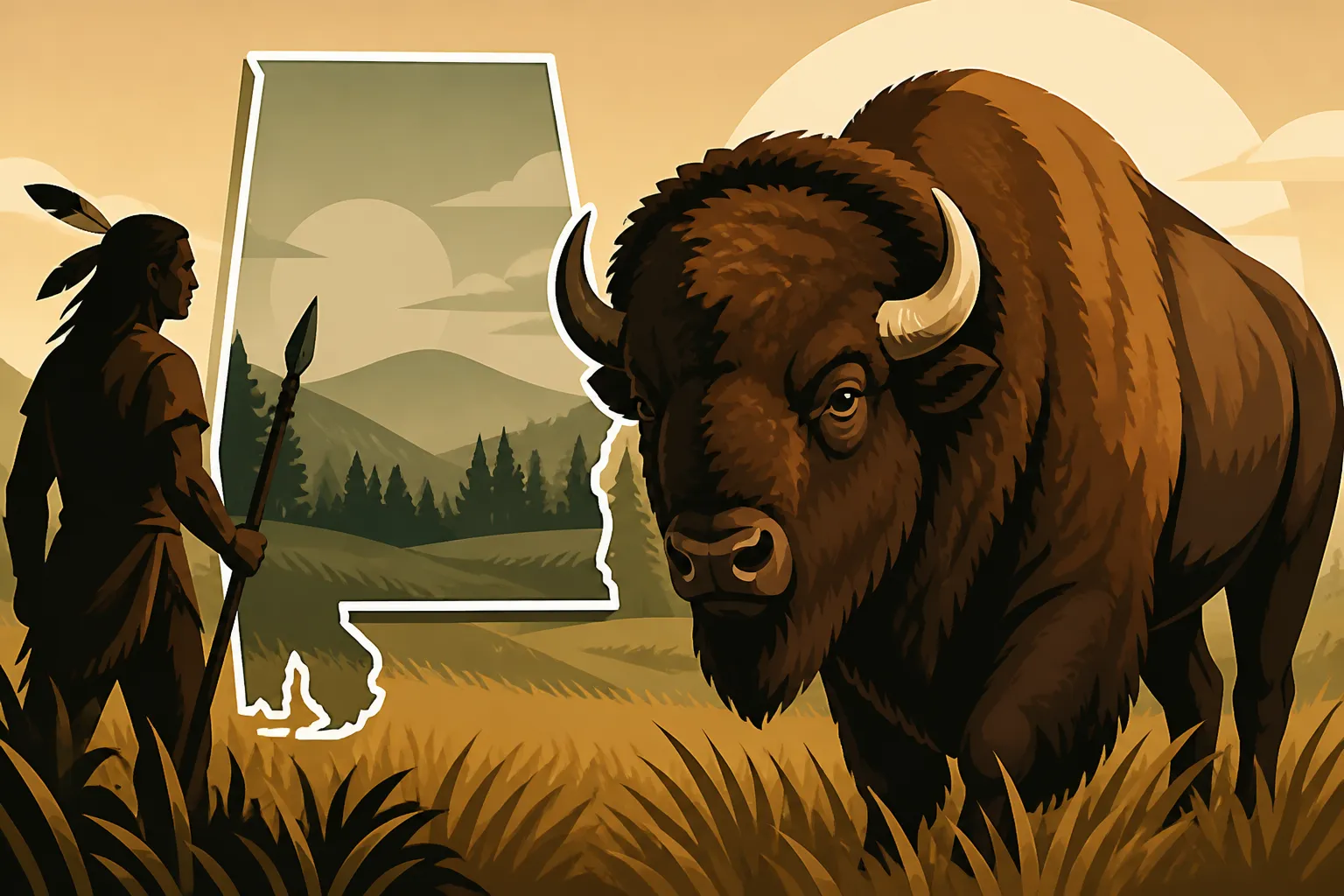
Before the thunder of hooves disappeared from our rolling hills and open prairies, bison were an integral part of Alabama's ecosystem. Their presence here is a chapter of natural history that often goes untold, overshadowed by the more famous western herds. But archaeological discoveries and early written accounts paint a clear picture: these grand creatures were very much at home in the Heart of Dixie. Understanding their historical presence helps us appreciate the true biodiversity of Alabama in its pristine state.
Tracing the Footprints: Archaeological and Early Records
Our knowledge of Alabama's bison isn't just folklore; it's grounded in tangible evidence left behind by both nature and early inhabitants. Archaeological sites across the state have yielded fossilized remains and tools crafted from bison bones, indicating a long-standing relationship between these animals and the people who lived here for millennia. Imagine digging up a piece of bone, knowing it belonged to an animal that thundered across this very ground thousands of years ago—it's truly humbling. These discoveries aren't isolated incidents either; they pop up in various regions, suggesting a widespread distribution rather than just a few isolated wanderers.
Beyond the dirt, we also have the written accounts of some of the earliest European explorers and naturalists who ventured into what would become Alabama. While detailed observations might be sparse compared to later periods, these journals occasionally mention "wild cattle" or "buffalo," providing invaluable glimpses into a landscape teeming with diverse wildlife, including bison. These brief but significant mentions corroborate the archaeological findings, solidifying the understanding that bison were not just visitors but established residents. It’s a testament to how wild and untamed this land truly was, a far cry from the managed properties many of us hunt today, even with tools like GoHunt helping us understand terrain and game movement.
Many of these findings are concentrated near major river systems, which would have provided crucial water sources and natural migration corridors. Think of the Warrior River or the Alabama River – these were highways for wildlife, and bison were undoubtedly among the travelers. These historical records and material artifacts offer a window into a time when the Alabama wilderness was home to megafauna that are now only a memory in our state.
Habitats and Range: Where Bison Roamed
Contrary to popular belief that bison exclusively inhabited vast, treeless plains, the subspecies found in the eastern United States, often referred to as Eastern Bison or Wood Bison, were adapted to a more mosaic landscape. In Alabama, this meant they thrived in a mix of open woodlands, cane breaks, forest clearings, and what we now call the Black Belt Prairie Farmland Deer regions—areas characterized by rich, fertile soils that once supported extensive grasslands. Picture ancient savannas interspersed with patches of pine and hardwood forests, offering both grazing opportunities and cover.
These eastern bison weren't just hunkered down in deep forests, though they utilized them. They would have moved through the more open understories, especially after natural fires or during periods of drought when tender new growth emerged. The mighty river valleys and their associated floodplains would have provided consistent forage and water, making areas like Hunting the Tennessee River Valley or the Mobile-Tensaw Delta ideal habitats for these grazers. The abundance of resources in these fertile bottoms would have been a significant draw.
The "Black Belt" region, with its unique soil composition, once supported a vast expanse of prairie grasses. This natural grassland would have been prime bison territory, much like the prairies of the West, but within a more forested context. Imagine large herds moving slowly across these open expanses, grazing on native grasses and forging trails that would eventually become early human pathways. Understanding this historical landscape is vital when we think about habitat restoration today, even for species like Alabama Gopher Tortoise Burrow Habitat, which thrive in open, managed longleaf pine ecosystems that share some historical characteristics with bison habitat.
Why Did Alabama's Bison Disappear?
The disappearance of bison from Alabama is a complex story, reflecting a broader pattern across North America. While they once roamed freely, by the late 18th and early 19th centuries, their numbers dwindled rapidly, leading to their complete extirpation from the state. It wasn't one single cause, but rather a perfect storm of pressures that ultimately erased them from our landscape, changing Alabama's ecosystem forever.
Human Impact: Overhunting and Settlement Pressure
One of the most significant factors in the decline of Alabama's bison was intense human pressure, primarily through unsustainable hunting practices. Before European arrival, Native American tribes certainly hunted bison, but likely in a way that maintained ecological balance. However, the arrival of European settlers introduced new dynamics. The fur trade, driven by demand for bison hides and meat, quickly escalated hunting into an industrial-scale enterprise. Unlike subsistence hunting, this commercial pursuit often led to the indiscriminate killing of animals, often taking only hides and tongues, leaving carcasses to rot.
This period also saw a dramatic increase in human population and the expansion of settlements. As towns grew and agriculture spread, bison habitat was steadily encroached upon and converted to farmland. The bison, being large grazers, were often seen as competitors for land or even as agricultural pests, making them targets for removal. Settlers cleared forests, fenced lands, and generally disrupted the migratory patterns and range necessary for large herds to thrive. This constant pressure meant fewer places for bison to live and reproduce without conflict.
Consider how much even modern human activity impacts Hunting Pressure on Alabama Public Land for deer today. Imagine that scale of disturbance on a species like bison, which requires vast, undisturbed territories. The combination of intense market hunting, coupled with the rapid expansion of a growing human population needing land for farms and homes, spelled doom for Alabama's bison. The economic incentives for killing them, combined with the lack of conservation foresight at the time, led to an irreversible decline.
Habitat Fragmentation and Loss
Beyond direct hunting, the alteration and fragmentation of their natural habitat played an equally devastating role in the demise of Alabama's bison. Bison, especially the eastern subspecies, relied on a diverse landscape of open prairies, woodlands, and cane breaks. As European settlement progressed, these crucial habitats were systematically destroyed or broken into smaller, isolated parcels. Forests were cleared for timber and agriculture, wetlands were drained, and natural fire regimes—which maintained many open areas—were suppressed.
This habitat destruction meant that even if some bison managed to avoid hunters, they simply had fewer suitable places to live, graze, and breed. Fragmentation made it difficult for herds to move between different foraging areas or to escape pressure, leading to genetic isolation and increased vulnerability to disease. A vibrant, interconnected ecosystem was slowly dismantled, replaced by a patchwork of farms and managed timberlands. This kind of widespread habitat change is something modern hunters still contend with, as Hunting a Clear-Cut Regrowth Edge or Hunting Standing Cotton for Late Deer demonstrates how current agricultural practices influence game movement.
The loss of critical food sources and cover, combined with the inability to migrate freely, severely impacted the bison's ability to sustain viable populations. The historical range of bison in Alabama, though extensive, was slowly whittled down until there was nowhere left for them to persist. It’s a stark reminder of how quickly ecosystems can be altered and how important large, contiguous natural areas are for the survival of wide-ranging species, a concept that even influences how we manage Alabama Wildlife Management Areas today for species like deer and turkey.
Echoes of the Past: Remnants and Legacy
Though the thundering herds of bison are long gone from Alabama's landscape, their historical presence leaves behind subtle echoes that remind us of a wilder time. From the very names we use for places to the deep, almost subconscious understanding of what our land once was, the legacy of Alabama's bison endures, inviting us to imagine a bygone era.
Place Names and Oral Histories
One of the most charming and enduring remnants of bison presence in Alabama can be found in our geography. Across the state, you might stumble upon names like "Buffalo Creek," "Buffalo Slough," or even "Buffalo Lick." These aren't just quaint names; they are direct historical markers, passed down through generations, indicating places where bison once frequented. A "buffalo lick," for instance, was likely a mineral-rich spring or seep where bison would gather to consume vital salts and minerals, much like deer and other wildlife do today. These place names are tangible reminders that this isn't just a western story; it's an Alabama story too.
Beyond formal place names, fragments of oral histories and traditional knowledge from Native American tribes in the region also hint at the bison's importance. While these traditions are often private and localized, they sometimes speak to the "great wild cattle" or "beasts of the open lands," underscoring their role in the ecological and cultural fabric of the pre-settlement landscape. These stories, though perhaps less documented than written European accounts, offer a powerful connection to the deep past, reminding us that the land has held many stories over millennia.
These linguistic and traditional echoes help fill in the gaps left by physical evidence, creating a more complete picture of the historical landscape. When you look at a modern map or use a tool like GoHunt to scout a remote creek bottom, consider if that "Buffalo Creek" might just be following a path forged by centuries of bison herds moving to and from water. It adds a whole new layer of appreciation to understanding the terrain and Scouting Alabama Public Land Before Season.
Understanding a Lost Ecosystem
The extirpation of bison from Alabama signifies more than just the loss of one magnificent species; it represents the profound alteration of an entire ecosystem. Bison were not just grazers; they were ecosystem engineers. Their grazing habits helped maintain open grasslands and created diverse habitat structures. Their hooves disturbed the soil, aiding in seed dispersal and plant diversity. Their dung enriched the soil and supported insect populations, which in turn fed birds and other wildlife. Their trails facilitated movement for other animals and even served as pathways for water drainage.
Without bison, the delicate balance of these specific habitats shifted. Forests became denser, certain plant species that thrived under grazing pressure declined, and the overall landscape changed in subtle yet significant ways. When we study the historical presence of bison, we're not just looking at one animal; we're trying to understand a whole, interconnected system that once existed. It allows us to appreciate what was lost and perhaps, in a small way, inform modern conservation efforts for other large grazers or for restoring native prairie habitats.
Reflecting on Alabama's bison history helps us conceptualize the sheer scale of the wilderness our ancestors encountered. It underscores the incredible abundance and diversity that once defined this land. While we may never see wild bison roam Alabama again, their legacy reminds us of the power of nature and the responsibility we have to protect the wild places and creatures that remain, ensuring that future generations have rich hunting experiences, whether pursuing White-Tailed Deer Across Alabama or Wild Turkeys in Alabama.
| Type of Evidence | Description | Examples in Alabama Context | Time Period Represented |
|---|---|---|---|
| Archaeological Remains | Fossilized bones, horn cores, teeth, tools made from bone | Excavations along river systems, ancient Native American sites | Thousands of years BP to early European contact |
| Early European Accounts | Written journals, letters, maps from explorers and settlers | Mentions of "wild cattle" or "buffalo" in expedition logs | 16th – 18th centuries |
| Place Names | Geographic features named after bison | Buffalo Creek, Buffalo Slough, Buffalo Lick | Post-European contact, enduring to present |
| Native Oral Histories | Traditional stories and knowledge passed down through generations | Indigenous accounts of large wild grazers | Pre-European contact, enduring through present |
Disclaimer
This article is for general informational purposes only and does not constitute professional advice. Laws, prices and regulations vary by location and change over time. Consult a qualified professional for guidance on your specific situation.