Freedom Hills Wildlife Management Area
Hunting public land in Alabama can feel like navigating a maze, especially when you're looking at areas with specific regulations like those within the Chronic Wasting Disease (CWD) Management Zone. Many hunters feel overwhelmed by the additional rules and the challenge of finding quality game on land that sees a lot of pressure. This comprehensive guide aims to demystify hunting at Freedom Hills Wildlife Management Area, providing you with the knowledge and strategies to confidently plan your next hunt, understand CWD protocols, and increase your chances of success in this unique North Alabama landscape.
Understanding Freedom Hills Wildlife Management Area
Freedom Hills Wildlife Management Area (WMA) is a gem for public land hunters in North Alabama, but it comes with its own set of characteristics and regulations that are crucial to grasp before you even load up your truck. Situated in the heart of the region that has seen CWD cases, understanding not just the terrain but also the special rules here is paramount for a legal and successful outing.
Location and Landscape Features
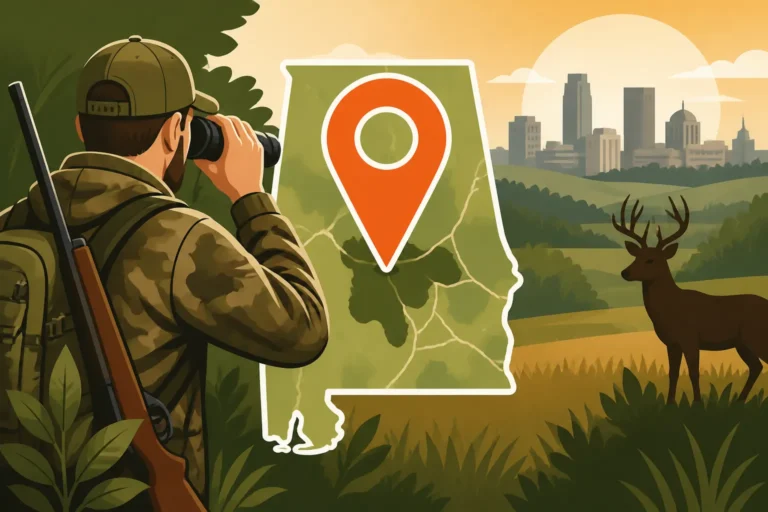
Freedom Hills WMA spans parts of Colbert and Franklin counties, offering a diverse landscape that's typical of the northern Alabama hills. You'll find a mix of mature hardwood forests, pine plantations, and scattered clear-cuts, all interspersed with rolling topography, steep ridges, and winding creek bottoms. This varied habitat creates fantastic opportunities for a range of species, but it also means you'll need to be prepared for some serious hiking if you want to get away from the more accessible areas. The elevation changes aren't extreme like true mountains, but they're enough to make you feel it in your legs by the end of the day.
The WMA is characterized by its distinct geology, often featuring exposed rock outcroppings and rocky terrain in places, especially along steeper slopes. Drainage features are also plentiful, with numerous small creeks and draws that funnel into larger streams. These natural travel corridors are key to understanding deer and turkey movement, particularly during the rut or when birds are seeking water. Familiarizing yourself with these topographical nuances through scouting or detailed maps like those offered by onX Hunt can give you a significant advantage in identifying bedding areas, feeding locations, and crucial pinch points.
The CWD Management Zone Connection
One of the most defining aspects of hunting Freedom Hills WMA is its location within Alabama's Chronic Wasting Disease Management Zone (CMZ). This isn't just a geographical detail; it significantly impacts how you plan and execute your hunt. CWD is a serious neurological disease that affects deer, elk, and moose, and while Alabama has taken proactive steps, hunters need to be diligent in following all protocols. For Freedom Hills, this means you're operating under heightened awareness and specific mandatory procedures designed to monitor and contain the disease.
The presence of CWD introduces requirements for mandatory deer testing on specific dates and strict rules about carcass movement. This can be a bit of a curveball if you're used to hunting WMAs outside the CMZ. You're not just thinking about where to find a buck; you're also considering how to process it safely and legally. This layer of regulation, while absolutely necessary for herd health, can add a level of stress for hunters not accustomed to it. Rest assured, the Alabama Department of Conservation and Natural Resources (ADCNR) provides clear guidelines, and we'll delve deeper into those specific rules shortly.
General Regulations and Access
Like all Alabama Wildlife Management Areas, Freedom Hills operates under specific WMA regulations that supplement statewide hunting laws. Before heading out, it's non-negotiable to check the current ADCNR regulations. These rules cover everything from season dates and bag limits (which can differ from the surrounding counties) to legal weapons, hunting hours, and specific permit requirements. You'll need a WMA license in addition to your standard Alabama hunting license, which is a small but critical detail often overlooked by new WMA hunters.
Access points to Freedom Hills are generally well-marked, but some areas require more effort to reach. Expect primitive roads and designated parking areas. Vehicle access may be restricted in certain sections, especially during wet weather or certain seasons, so having a good WMA map (digital or paper) is vital. Camping is usually allowed in designated primitive areas, but always verify current rules as they can change. Understanding the lay of the land, knowing your entry and exit points, and being aware of any specific closures or restrictions for the current season are the foundational steps to a safe and enjoyable hunt. This WMA sees consistent use, so knowing when to go and how to get off the beaten path is crucial for finding less pressured game.
Deer Hunting Opportunities at Freedom Hills
Freedom Hills WMA offers solid deer hunting, but it's not a place where deer simply walk past every stand. Success here, especially with the added CWD considerations, depends on smart scouting, adapting your tactics to the landscape and pressure, and a deep understanding of the regulations.
Primary Deer Habitat and Movement
Deer in Freedom Hills utilize the varied habitat to their advantage, making their movements somewhat predictable once you understand the pattern. The hardwood ridges provide critical acorn crops during the fall and early winter, drawing deer from miles around. Look for signs like fresh rubs, scrapes, and heavy trails leading to and from these food sources. The dense pine thickets and clear-cuts, especially those with several years of regrowth, offer excellent bedding cover. These are the spots where deer feel secure, often slipping into them after feeding in more open areas or along field edges.
Creek bottoms and drainages serve as natural travel corridors, acting as highways for deer moving between feeding and bedding areas, particularly during the Hunting the Rut in the Northern Zones. Funnel points, such as narrow strips of timber between two open areas or saddles along ridges, can be particularly productive. Mapping tools like those provided by GoHunt can help you identify these topographical features before you even step foot in the woods, allowing you to create a strategic plan. Deer movement can be heavily influenced by hunting pressure, so understanding where hunters typically enter and how far they push into the WMA can inform where deer seek refuge.
Tactics for Whitetails in a CWD Zone
Hunting for whitetails within a CWD Management Zone like Freedom Hills doesn't necessarily change the core hunting tactics—deer still respond to food, cover, and breeding instincts—but it does change the overall approach and mindset. You'll still want to employ proven strategies like still-hunting, stand hunting over natural food sources, or even carefully planned Deer Drives With Three or Four Hunters in thicker areas. The key is to be extra mindful of ethical harvesting and adhering to all disease management protocols.
Given the potential for higher hunting pressure on public land, many successful hunters at Freedom Hills focus on finding overlooked pockets of cover or venturing deeper into the WMA than most. This often means being willing to walk farther or navigate tougher terrain. Scouting Alabama Public Land Before Season is invaluable, helping you identify remote bedding areas or unique food sources that might be less disturbed. Consider hunting during weekdays or less popular periods if your schedule allows, as this can significantly reduce encounters with other hunters and allow deer to settle into more natural patterns. When you find a good area, focusing on entry and exit routes that minimize disturbance is crucial to not "burning out" your spot.
Antlerless Harvest and Reporting Requirements
Alabama's deer management strategy often relies on antlerless harvest to help balance herd numbers and reduce disease transmission potential, which is especially relevant in the CMZ. At Freedom Hills, pay close attention to the specific antlerless regulations for the WMA and the broader CWD zone. These can dictate how many does you can harvest and on what dates. It's often encouraged to harvest does to help manage the population, which can be a key part of CWD mitigation efforts.
Once you harvest a deer, the reporting requirements become critical. All harvested deer must be reported through Alabama's Game Check system. This is a quick process, usually done online or via an app, that helps biologists collect vital data. However, for deer harvested within the CWD Management Zone, there are additional steps, particularly concerning mandatory testing. You'll need to know where and when to bring your deer for CWD sampling, even if you plan to process it yourself. This is an extra step that requires planning ahead, so don't wait until the last minute. This careful monitoring helps ensure the health of the deer herd for future generations of hunters.
Turkey and Small Game Hunting
While deer often take center stage, Freedom Hills WMA offers excellent opportunities for other species, making it a truly versatile public hunting area. From the thrilling challenge of spring gobblers to the fast-paced action of squirrel hunting, there’s something for every season.
Roosting and Calling Strategies for Gobblers
Spring turkey hunting at Freedom Hills can be incredibly rewarding, but it demands patience and strategic planning. The mixed hardwood and pine forests provide ample roosting sites, with mature hardwoods along creek bottoms and ridges being prime locations. Locating birds on the roost the evening before your hunt is a classic and highly effective strategy here. Once located, plan your morning approach carefully, aiming to get as close as possible without disturbing them before first light.
Calling strategies need to be adaptable. While aggressive calling might work on some gobblers, pressured birds on public land often respond better to more subtle tactics. Start soft with tree yelps and soft clucks, then gauge the bird's interest. Be prepared to run-and-gun, covering ground and trying different setups, especially if a bird is henned up or hangs up on a distant ridge. Remember to check the Alabama Spring Turkey Zones and Dates to ensure you're hunting within the legal season for this specific area, and be aware of any WMA-specific rules regarding decoys or hunting hours.
Squirrel and Rabbit Hotspots
For those who enjoy a more relaxed hunt or are introducing new hunters to the sport, Freedom Hills is fantastic for Squirrel Hunting Alabama Hickory Groves and chasing rabbits. Squirrel populations thrive in the mature hardwood bottoms and along ridges where oak and hickory trees are prevalent. During the early season, look for active feeding signs like cut nuts on the forest floor. Focusing on these areas, particularly during the crisp mornings, can lead to some excellent bushytail action. Both still-hunting slowly through the woods and sitting patiently near productive trees can yield good results.
Rabbit hunting often takes place in the denser clear-cuts, briar patches, and fencerows that border fields or older timber stands. These thick areas provide crucial cover for rabbits. Walking these edges with a good small game dog can be incredibly effective, but even without a dog, systematically working through cover can jump cottontails. Always be mindful of your shooting lanes and what lies beyond your target in these thick environments. These types of hunts are a great way to explore the WMA and hone your tracking and shooting skills.
Other Small Game and Furbearer Potential
Beyond deer, turkey, squirrels, and rabbits, Freedom Hills WMA also offers opportunities for other small game and furbearers. Coyotes are prevalent throughout Alabama, including this WMA, and they offer a challenging hunt for those interested in predator control. Early morning or late evening calling sessions, using a variety of distress calls, can be effective. Coyote Calling in Alabama Farm Country can teach you tactics that apply well to the WMA's mixed habitats. Bobcat are also present, though typically more elusive, requiring keen observation and often specialized trapping or calling techniques.
Raccoon and opossum can be hunted during their respective seasons, often at night, though specific WMA rules on night hunting with lights must always be followed meticulously. These species contribute to the overall biodiversity and offer additional hunting opportunities when deer or turkey seasons are closed or during off-peak times. Always consult the most current regulations for season dates, bag limits, and specific hunting methods allowed for all furbearers on Freedom Hills WMA.
Navigating the CWD Rules and Regulations
The presence of CWD within the zone encompassing Freedom Hills WMA means that hunters have a vital role to play in monitoring and managing this disease. These regulations aren't just bureaucratic hurdles; they are critical public health and wildlife management measures designed to protect Alabama's deer herd.
Mandatory Testing Weekends and Sampling Stations
If you plan to hunt deer at Freedom Hills, you must be aware of the Mandatory CWD Testing Weekends. On these specific dates, typically concentrated during peak deer season, any deer harvested within the CMZ (including Freedom Hills WMA) must be taken to a designated CWD sampling station. These stations are set up at convenient locations, often near popular hunting areas or WMA entry points, and staffed by ADCNR personnel. They will collect a lymph node sample from your deer for testing. This process is usually quick and provides invaluable data for tracking the spread and prevalence of CWD.
It’s crucial to know these dates and locations before you head into the woods. Imagine successfully harvesting a buck only to realize you missed the mandatory testing window or don't know where the nearest station is. Always check the ADCNR website or the Outdoor Alabama app for the most up-to-date information on testing dates, times, and sampling station locations. Failing to comply can result in fines or other penalties, but more importantly, it means missing a critical opportunity to contribute to the health of the deer herd.
Carcass Movement Restrictions
One of the most significant CWD-related regulations hunters face is the Alabama Carcass Movement Restrictions. To prevent the potential spread of CWD to other parts of the state, specific rules govern how you can transport deer carcasses out of the CWD Management Zone. Generally, only certain parts of the deer are allowed to leave the zone. This typically includes:
- Deboned meat
- Clean skull plates (antlers attached)
- Cleaned hides (no brain matter or tissue)
- Clean teeth
- Finished taxidermy products
This means you can't just throw a whole deer, or even a quartered deer with bone-in cuts, into the back of your truck and drive it across county lines if you live outside the CMZ. You'll need to be prepared to process your deer within the CWD zone, either at camp, a local processor, or at home if your residence is also within the zone. This requires thinking ahead about how you'll handle a successful harvest, especially if you usually rely on taking your deer home whole for processing. Having coolers, sharp knives, and a plan for quick field dressing and quartering is essential.
| Carcass Part | Allowed to Leave CWD Zone? | Notes |
|---|---|---|
| Deboned Meat | Yes | Must be completely removed from bone. |
| Bone-in Cuts | No | Not allowed due to potential CWD agents in bone/marrow. |
| Clean Skull | Yes | Skull plate with antlers must be completely clean of tissue/brain matter. |
| Whole Skull | No | Not allowed unless for CWD testing at a designated station. |
| Hides | Yes | Must be completely clean of any tissue. |
| Head/Spine | No | Prohibited due to high concentration of CWD prions. |
| Antlers | Yes | If detached from skull or with clean skull plate. |
Staying Informed About CWD Updates
The landscape of CWD management is dynamic, with regulations and recommendations subject to change as new data emerges. Therefore, staying perpetually informed is not just a good idea, it's a necessity for any hunter in the CWD zone. The primary resource for all official updates is the Alabama Department of Conservation and Natural Resources (ADCNR) website. They maintain a dedicated section for CWD, providing the latest news, detailed regulations, maps of the CMZ, and lists of sampling stations.
Beyond the website, downloading and regularly checking the Outdoor Alabama app is highly recommended. This app often provides push notifications for critical updates, season changes, and CWD information directly to your phone. It also serves as your Game Check portal, making it an indispensable tool for every Alabama hunter. Furthermore, consider signing up for ADCNR email newsletters or following their official social media channels. Word-of-mouth at deer camp is one thing, but verifying information through official channels ensures you're always operating with the most accurate and current data, protecting both yourself and the state's wildlife resources.
Essential Gear and Scouting for Success
Hunting Freedom Hills WMA, like any public land, requires careful planning and the right tools. It's not just about having a gun or bow; it's about being prepared for the terrain, the weather, and the unique challenges this specific WMA presents.
Mapping and Navigation Tools
In a place like Freedom Hills, which features varied terrain and a network of less-traveled trails, robust mapping and navigation tools are your best friends. Gone are the days when a paper map and compass were your only reliable options (though still wise backups!). Modern GPS devices and smartphone apps have revolutionized how we interact with public land. Apps like onX Hunt are invaluable, offering detailed satellite imagery, property line overlays, and the ability to mark waypoints for stands, game sign, and potential bedding areas. You can see precisely where WMA boundaries begin and end, which is crucial for staying legal and avoiding trespass, especially if you're near private holdings.
Another excellent tool is GoHunt, which can provide similar mapping features and often includes layers for public land and habitat types. These apps allow you to scout from your couch, identifying potential hot spots, travel corridors, and access points before you ever set foot in the woods. Critically, ensure your chosen app allows for offline map downloads. Cell service can be spotty or nonexistent in remote parts of Freedom Hills, and you don't want to be caught without your navigation when you're deep in the timber. Knowing how to use these tools effectively can be the difference between a frustrating wander and a productive hunt.
Pre-Season Scouting Strategies
Pre-season scouting is arguably just as important as the hunt itself, especially on a WMA that sees considerable pressure. This isn't just about finding deer; it's about understanding the land and how deer use it. Start by poring over your digital maps to identify likely funnels, saddles, creek crossings, and areas of dense cover. Look for isolated pockets of hardwoods that might hold acorns or natural pinch points where deer movements are concentrated. Reading Aerial Photos for Piedmont Deer can offer significant insights into the terrain of the area.
Once you have a few promising spots, it's time to hit the ground. During the late summer and early fall, look for old rubs and scrapes from the previous year, which can indicate perennial buck activity. Identify bedding areas by looking for thick cover and well-used trails leading in and out. Pay attention to water sources and any natural food plots or mast crops. Also, note human activity – where are the trails, old camp spots, or obvious signs of other hunters? The goal is to find those less-pressured areas where deer feel comfortable. This early legwork will save you countless hours during the season and increase your chances of success.
What to Pack for a Freedom Hills Hunt
Packing for Freedom Hills requires considering the variable terrain and the unique CWD regulations. Beyond your standard hunting gear (weapon, ammunition/arrows, calls, binoculars), several items are particularly important here. For the terrain, comfortable, broken-in hiking boots with good ankle support are non-negotiable. The rolling hills and rocky patches can be tough on your feet. Dress in layers, as North Alabama weather can swing dramatically, with chilly mornings giving way to warm afternoons, even into late fall. A good quality waterproof outer layer is also wise.
Because of the CWD carcass movement restrictions, be prepared for potential field processing. This means having a sharp, sturdy knife, a portable game bag or two, latex gloves, and a few large trash bags for waste disposal (following WMA rules, of course). A lightweight folding saw can be useful for quartering if you plan to bone out your deer in the woods. Don't forget plenty of water, high-energy snacks, a first-aid kit, and a headlamp with extra batteries. And, of course, your WMA permit, hunting license, and a fully charged phone with offline maps downloaded are absolutely essential.
Overcoming Public Land Challenges
Public lands like Freedom Hills WMA offer incredible opportunities, but they also come with inherent challenges that require specific strategies. Pressure from other hunters and maintaining ethical practices are two of the biggest factors to consider for a successful and enjoyable experience.
Dealing with Hunting Pressure
Let's be realistic: public land often means public hunters. Hunting Pressure on Alabama Public Land is a fact of life, and Freedom Hills is no exception. While some hunters find this frustrating, it's a variable you can plan around. The key is to think differently. Most hunters won't walk more than a half-mile or so from an access road. This creates an immediate advantage for those willing to put in the extra effort. By hiking deeper into the WMA, or by utilizing less obvious access points, you significantly increase your chances of finding less disturbed game.
Another strategy is to hunt during weekdays, especially outside of opening weekend. The WMA will naturally see less pressure. Consider hunting during inclement weather, when fair-weather hunters stay home; a light drizzle or a cold snap can often be your friend. Finally, don't overlook areas that might seem "unproductive" at first glance. Sometimes, a thick, brushy clear-cut or a steep, uninviting ridge might be exactly where deer are seeking refuge from pressure in more accessible areas. Use your mapping apps to find those hidden pockets and approach them quietly.
Ethical Hunting Practices and WMA Etiquette
Hunting on public land is a privilege, and maintaining high ethical standards and good etiquette is paramount to preserving that privilege for everyone. This means always following all regulations, not just the letter of the law but the spirit as well. Leave no trace: pack out everything you pack in, including spent shell casings, food wrappers, and flagging tape. Disposing of game waste properly and discreetly is especially important in a CWD zone.
Respect other hunters. If you encounter another hunter in your chosen spot, move on and find another area. Avoid sky-lining yourself or setting up directly on top of someone else. Use caution when tracking game; if a blood trail leads onto private property, remember Retrieving Game From Private Land in Alabama has strict rules, and you might need to obtain landowner permission before crossing any fences. Practicing safe firearm handling, wearing appropriate blaze orange during gun seasons, and being a good ambassador for the hunting community ensures that public lands remain accessible and enjoyable for all.
Adapting to Weather and Terrain
The varied topography and climate of North Alabama mean that conditions at Freedom Hills WMA can change quickly. Hunters must be prepared to adapt to everything from warm, humid early season days to freezing late-season cold fronts, often within the same week. Warm-weather hunting requires specific strategies, such as focusing on water sources and hunting during the coolest parts of the day. Conversely, a Hunting Deer After a Cold Front can trigger significant deer movement, making it a prime time to be in your stand.
The terrain itself demands adaptability. If you're hunting steep ridges, understand how Wind and Thermals on a Piedmont Ridge will affect scent dispersal. Creek bottoms can become swamps after heavy rains, making travel difficult and requiring waterproof gear. Muddy roads can limit vehicle access, forcing you to walk farther than planned. Always check the local weather forecast before you go, pack accordingly, and be prepared for physical exertion. Being physically ready to navigate the landscape, and mentally ready to adjust your plans on the fly, are hallmarks of a successful hunter at Freedom Hills.
Disclaimer
This article is for general informational purposes only and does not constitute professional advice. Laws, prices and regulations vary by location and change over time. Consult a qualified professional for guidance on your specific situation.