Skyline Wildlife Management Area
Hunting Alabama's public lands can feel like navigating a complex maze of rules, terrain, and fellow hunters, especially when you're targeting a specific, popular spot like Skyline Wildlife Management Area. It's easy to get discouraged trying to figure out where to go, what to expect, and how to stay ahead of the game. This guide is here to cut through that confusion, offering a deep dive into hunting Skyline WMA so you can plan your next trip with confidence and increase your chances of success.
Skyline WMA: Your Gateway to North Alabama Hunting
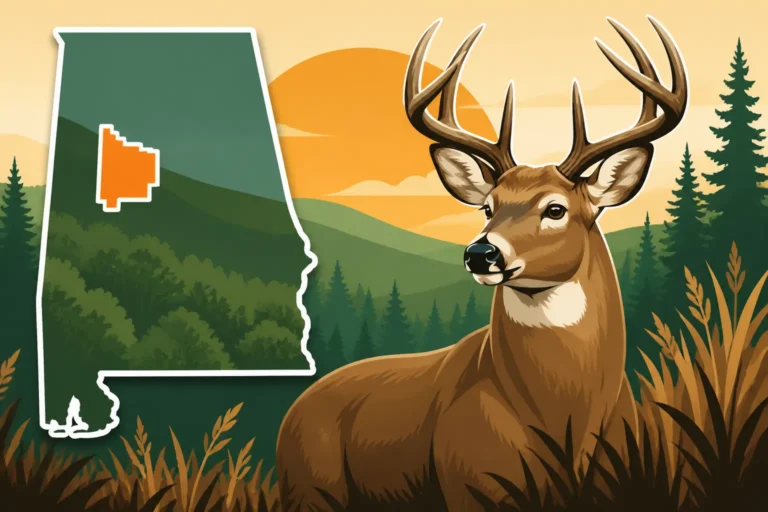
Skyline Wildlife Management Area, often just called "Skyline," is a gem tucked away in northeastern Alabama, primarily spanning Jackson and Madison counties. It's a massive tract, offering a diverse array of hunting opportunities for those willing to put in the effort. Unlike some of the flatter, more agricultural WMAs, Skyline is characterized by its rugged, mountainous terrain, deep hollows, and hardwood ridges, making it a challenging but incredibly rewarding place to hunt. For many hunters, Skyline represents some of the truest public land hunting experiences in the state, demanding a good understanding of topography and game movement.
Where is Skyline and Why It Matters
Skyline WMA is situated in the Cumberland Plateau region, known for its dramatic elevation changes, sandstone bluffs, and extensive hardwood forests. It's a significant chunk of public access land, providing crucial habitat for a variety of game species. The sheer size of Skyline – tens of thousands of acres – means that while hunting pressure can be high in easily accessible areas, there's always potential to find solitude and undisturbed game for those willing to walk further and climb higher. This vastness is exactly what draws so many hunters, offering a sense of wilderness that's increasingly rare. Understanding the unique geographic footprint of Skyline is your first step toward cracking its code. It’s not just a collection of trees; it's a living, breathing ecosystem shaped by its very foundations.
The WMA is dissected by numerous roads, both paved and gravel, offering various points of entry. However, many of the best spots require leaving the vehicle far behind and navigating the steep ascents and descents that define the area. This can be a physical challenge, but it also naturally filters out a lot of casual hunters, leaving more ground for those who are prepared. The combination of its size, varied topography, and rich habitat makes Skyline a critically important area for public land hunters seeking everything from whitetail deer and wild turkeys to small game and predators. It truly matters because it represents a large, relatively wild space in an increasingly developed state.
Unique Habitat and Terrain Challenges
The terrain at Skyline WMA is anything but flat. You'll encounter a mix of mature hardwood forests, particularly oak and hickory, dominating the ridges and upper slopes. These provide critical food sources like acorns for deer, turkeys, and squirrels. As you descend into the hollows, you might find more mixed pine-hardwood stands and dense undergrowth, which offer excellent bedding and thermal cover, especially during colder months. Numerous creeks and drainages cut through the landscape, creating natural travel corridors for wildlife and often providing valuable water sources.
These terrain features present both challenges and opportunities. The steep ridges mean you'll be doing a lot of climbing, and elevation changes can quickly affect wind currents, making scent control a constant battle. However, these same features create natural funnels and pinch points that can be exploited by observant hunters. Learning to "read" the topography is paramount. For instance, deer often prefer to bed on benches just below ridge lines where they can see and smell approaching danger. They'll use the hollows to travel discreetly between feeding and bedding areas. A reliable mapping app like onX Hunt can be an absolute lifesaver here, helping you identify these subtle terrain features and navigate the complex contours, even without a clear trail. The varied timber types also mean food sources will change throughout the season, from early-season soft mast like persimmons to late-season hard mast.
Chasing Whitetails in Skyline WMA
Deer hunting is arguably the most popular pursuit at Skyline WMA, drawing hunters from across Alabama and beyond. The WMA holds a healthy deer population, and while trophy bucks aren't an everyday occurrence, mature animals are certainly present for those who understand the nuances of hunting this particular landscape. Success here often hinges on diligence, endurance, and a keen understanding of deer behavior in mountainous terrain.
Understanding Deer Movement on Skyline's Ridges
The defining characteristic of Skyline's deer hunting is its ridge-and-hollow topography. Deer here are masters of using the elevation to their advantage. They'll often bed on benches or slight depressions just off the main ridge lines, giving them commanding views and the ability to detect predators approaching from below or above. When the wind is consistent, they'll use it to their advantage, often bedding with the wind at their back, watching their downwind side. This means that as a hunter, you need to pay excruciating attention to Wind and Thermals on a Piedmont Ridge, as they dictate how deer move and where they feel safe.
Thermals, the rising and falling air currents, play an even more critical role in these areas than flat lands. In the mornings, as the sun warms the earth, thermals rise, carrying your scent upwards. In the evenings, as the air cools, thermals fall, carrying your scent down into the hollows. Savvy hunters use this to their advantage, often trying to get above bedding areas in the morning to catch deer moving up, or setting up in lower positions in the afternoon to intercept deer moving down towards feeding areas. Understanding these dynamics is crucial, because a misplaced stand or a poorly timed entry route can bust your hunt before it even begins. Pay close attention to subtle draws and saddles on the ridge lines, as these often act as natural funnels that deer will utilize, especially during the rut.
Rut Timing and Late-Season Opportunities
Alabama's deer rut varies significantly across the state, and Skyline WMA generally falls into a zone that experiences a later rut compared to some of the central or southern regions. While statewide Hunting the Alabama Rut by Zone provides an overview, expect the peak breeding activity in Skyline to typically occur from mid-January into February. This late rut means that traditional early-season tactics, while still effective for filling doe tags or catching an opportunistic buck, won't necessarily put you in front of the primary seeking and chasing phases. This later timing can be both a blessing and a curse.
For hunters from states with earlier ruts, it offers a fantastic opportunity to extend their deer season. However, it also means facing colder, more unpredictable weather and potentially dealing with more wary, pressured deer. During the late season, food sources become even more critical. Acorns may be depleted, so deer will concentrate on any remaining hard mast or browse in the hollows and along creek bottoms. Searching for Late-Season Food Sources for Alabama Whitetails is paramount. Don't overlook green briar thickets, honeysuckle, or any persistent green browse. As the season progresses into late January and February, target mature bucks that are actively cruising for does, focusing on those natural funnels and pinch points along ridges and between bedding areas and residual food sources. Patience and persistence are key, as the action can be sporadic but intense when it happens.
Public Land Pressure and Finding Seclusion
Skyline WMA is a popular public hunting destination, especially on opening weekends and during the prime rut phases. This means you're going to encounter other hunters. The frustration of arriving at your carefully scouted spot only to find someone else already there is a universal public land hunter's lament. However, this pressure isn't insurmountable. The vastness and ruggedness of Skyline are your greatest assets. Most hunters won't venture too far from easily accessible roads or designated parking areas. If you're willing to put in the physical effort to hike deeper into the WMA, off the beaten path, your chances of encountering less pressured deer – and fewer other hunters – dramatically increase.
Consider areas that require a significant climb, a long walk through a thick hollow, or crossing a creek without an obvious bridge. These "hard-to-reach" spots often hold pockets of deer that behave more naturally. Using mapping tools like onX Hunt to identify contour lines indicating steep terrain and plotting routes that avoid obvious trails can lead you to these secluded havens. Scouting Finding Ground Others Walk Past is a year-round endeavor that pays dividends. Look for subtle logging roads or old logging decks that are less maintained, offering access to less-pressured areas. Furthermore, hunting on weekdays, if your schedule allows, can significantly reduce the amount of competition you face.
Spring Thunder: Turkey Hunting in Skyline WMA
When spring rolls around, Skyline WMA transforms into a prime destination for wild turkey hunters. The dense hardwoods, varied topography, and ample food sources support a robust turkey population, offering thrilling opportunities to chase gobblers. However, just like with deer, success doesn't come easy and requires specific tactics tailored to the terrain and common hunting pressure.
Locating Gobblers in Rolling Terrain
Turkey hunting in Skyline is a physically demanding endeavor. Gobblers will often roost on the tallest trees along ridge lines or overlooking deep hollows, giving them a commanding view and an audible advantage for broadcasting their morning calls. Your first challenge is locating these birds. Early morning scouting, listening for those tell-tale gobblers sounding off from their roosts, is paramount. Once you pinpoint a general area, the real work begins. Moving quietly and efficiently through the steep, leaf-littered terrain is critical to getting into a setup position before the bird flies down.
When Calling an Alabama Gobbler Off the Roost, consider your approach carefully. Turkeys in pressured public land areas are often "call-shy" to aggressive, close-range calling. Start subtle, using soft tree yelps or clucks, and let the terrain work for you. Setting up on a parallel ridge or on a bench below a roosted bird can often give you an advantage, drawing him in rather than having him hang up on the opposite ridge. Understanding the thermal currents, much like deer hunting, can help you project your calls more effectively and ensure your scent doesn't carry directly to the bird before you're ready. Also, be aware of the natural barriers like steep ravines or thick stands of pine that gobblers might not want to cross, even for a hen.
Dealing with Hunting Pressure
Public land turkey hunting means dealing with other hunters, and Skyline is no exception. Nothing is more frustrating than working a gobbler for an hour, only to have another hunter walk in or start calling aggressively too close to your setup. To mitigate this, consider implementing Run-and-Gun Turkey Tactics on Public Land. This involves covering a lot of ground, listening intently, and being prepared to move quickly and quietly to intercept a bird. Instead of getting stuck on one bird that might be pressured, keep moving to find birds that haven't been worked yet.
Early season scouting can also help you identify less-pressured areas. Look for parts of the WMA that are further from main roads or require a significant hike. These areas, while more challenging to access, often offer a more natural hunting experience. When you do encounter other hunters, always be courteous and clear about your presence. Brightly colored vests (like blaze orange or pink) can be beneficial when moving through the woods, especially if you're not actively working a bird. Remember that safe gun handling is paramount, particularly when multiple hunters may be in the same general area. Be absolutely sure of your target and what's beyond it.
Small Game, Furbearers, and Waterfowl
While deer and turkey dominate the hunting narrative at Skyline WMA, it offers a wealth of opportunities for those interested in small game, furbearers, and even limited waterfowl hunting. These pursuits often come with less pressure and can provide fantastic experiences, particularly for younger hunters or those looking to hone their skills.
Squirrels, Rabbits, and Quail
Skyline's extensive hardwood forests, particularly its oak and hickory ridges and creek bottoms, are prime habitat for squirrels. Both gray squirrels and fox squirrels thrive here. Early season, when the leaves are still thick, can be challenging, but patient still-hunting or using squirrel dogs can yield good results. As the leaves fall, the squirrels become more visible, especially around productive mast trees. Look for Squirrel Hunting Alabama Hickory Groves and mature oak stands. The hollows and creek bottoms, with their mix of hardwoods and denser undergrowth, are often hotspots.
Rabbits can be found in the thicker brushy areas, fencerows (if present on the WMA boundaries), and clear-cut edges where new growth provides both food and cover. While Skyline might not be known as a rabbit hunting paradise, pockets exist. Focus on the transition zones between timber and open areas, or along brushy creek banks. Running beagles can be incredibly effective here, but still-hunting along dense cover can also put rabbits in the pot.
Bobwhite Quail are less prevalent in Skyline WMA compared to the Black Belt Prairie region, but scattered coveys can still be found in areas with suitable habitat. This often means younger pine stands, old fields that are reverting to brush, or areas that have been recently managed with prescribed burns. These areas provide the open understory and diverse insect life that quail depend on. While you might not find the numbers of a managed plantation, encountering a wild covey in Skyline is a true treat and a testament to good habitat management.
Coyotes and Hogs: Year-Round Opportunities
Skyline WMA offers year-round opportunities for hunting feral hogs and coyotes, two species that benefit from a continuous hunting season on private land, and extended seasons on public land. These animals cause significant damage to native wildlife and habitats, and hunters play a crucial role in their management.
Coyotes are abundant throughout Skyline. Their presence is a constant concern for deer and turkey populations, especially fawns and turkey poults. Calling coyotes can be incredibly effective, especially during the colder months when food sources are scarcer. Setting up on a ridge overlooking a large hollow, or on a logging road that offers good visibility, and using various distress calls or howls can bring these wary predators in. Early morning and late evening are often prime times, but they can be called throughout the day. Be prepared for them to circle downwind, so choose your setup carefully. Coyote Calling in Alabama Farm Country principles can often be applied to the more wooded WMA terrain, focusing on clear shooting lanes.
Feral hogs are also present in Skyline, though their numbers can fluctuate. They are highly intelligent and destructive animals, and hunting them is a year-round pursuit. Look for signs of rooting, wallows, and rubs along creek bottoms and in areas with soft soil. They'll often feed on acorns in the fall and winter, and roots and tubers year-round. While not as concentrated as in some of the southern swampy areas, finding fresh hog sign can lead to success. Hunters can use still-hunting tactics, targeting feeding areas at dawn or dusk, or even Hunting Hogs Without Bait or Dogs by patterning their movements. Night hunting with lights is often allowed on private land, but always check WMA-specific rules for any night hunting or specific equipment restrictions before heading out.
| Species | Primary Habitat at Skyline WMA | Typical Hunting Methods | General Season Notes |
|---|---|---|---|
| White-tailed Deer | Hardwood ridges, deep hollows, creek bottoms, pine-hardwood mixes | Still-hunting, stand hunting (treestand/ground blind), rattling/grunting | General WMA deer season, check specific zone dates and bag limits |
| Wild Turkey | Hardwood ridges, creek bottoms, open timber | Calling (yelps, clucks, purrs), run-and-gun tactics, roost hunting | General WMA turkey season, specific zone dates and bag limits |
| Squirrel | Mature oak/hickory ridges, creek bottom hardwoods | Still-hunting, stalking, small game dogs | General WMA small game season |
| Rabbit | Brushy edges, clear-cut regrowth, creek banks | Still-hunting, using beagles, jump shooting | General WMA small game season |
| Feral Hog | Creek bottoms, dense thickets, rooting areas | Still-hunting, stalking, predator calling (check WMA rules) | Year-round on WMA, check specific rules for methods |
| Coyote | Throughout WMA, especially ridges and open timber | Predator calling (distress calls, howls), stand hunting | Year-round on WMA |
Navigating Skyline's Rules and Access
Hunting Skyline WMA requires more than just knowing where the game is; you also need a thorough understanding of the specific regulations that govern hunting within the area. These rules can differ significantly from general statewide regulations, and ignorance is never an excuse for non-compliance. Staying informed about permits, season dates, and access restrictions is crucial for a legal and enjoyable hunt.
Permits, Licenses, and Season Dates
To hunt Skyline WMA, you'll need the appropriate Alabama hunting licenses. This typically includes a resident or nonresident all-game license, a WMA license (which is separate from your general hunting license), and any applicable federal or state stamps for migratory birds. You can often purchase these through the Outdoor Alabama website or licensed vendors. It’s also wise to check the latest Alabama hunting regulations pamphlet or the Outdoor Alabama website for any updates, as rules can change annually. For a general overview, refer to Alabama Hunting Licenses and What They Cost.
Skyline WMA adheres to specific season dates for deer, turkey, and small game that may vary from the general statewide seasons. It's usually part of one of Alabama's designated deer zones, such as Zone A or Zone B, but the WMA itself will have its own start and end dates, as well as specific legal weapons and bag limits. Always check the official WMA hunting schedule published by the Alabama Department of Conservation and Natural Resources (ADCNR). For example, there might be specific youth-only weekends, archery-only periods, or gun seasons that differ from surrounding private lands. Keeping tabs on Alabama Deer Season Structure Explained is helpful, but the WMA pamphlet is the definitive source for Skyline.
WMA Regulations Specifics
Beyond the general license and season requirements, WMAs like Skyline have their own set of rules designed to manage hunting pressure, ensure safety, and protect wildlife. These can include:
- Vehicle Access: Many WMA roads are gated or have specific restrictions on vehicle use. Some roads may be open seasonally, while others are permanently closed to motorized traffic. Always look for signage and respect these closures. You might be required to park and walk significant distances.
- Camping: Primitive camping might be allowed in designated areas or throughout the WMA, but specific rules regarding campfires, length of stay, and waste disposal will apply. Check these regulations carefully if you plan an overnight trip.
- Treestands and Ground Blinds: There are often rules about how long stands can be left in the woods, if they need to be marked with your name and hunting license number, and what types of materials can be used for their construction. For instance, some WMAs only allow portable, non-damaging stands. Treestand Setups in Talladega National Forest offers good general advice on public land stand use that can apply here.
- Trail Cameras: The use of trail cameras on public lands is a topic with evolving regulations. Always verify the current rules regarding their placement, marking, and whether they are allowed year-round or only during certain periods.
- Hog Hunting: While hogs can be hunted year-round, specific methods like night hunting, the use of bait, or the use of dogs might be restricted or require special permits on WMA land.
- Mandatory Harvest Reporting: Alabama has a mandatory harvest reporting system (Game Check) for deer and turkey. You must report your harvest within a specific timeframe. Alabama Deer Reporting Rules applies to WMA harvests as well.
It's your responsibility as a hunter to know and follow all these specific WMA rules. The easiest way to do this is to download and read the current year's Alabama WMA regulations pamphlet, available on the Outdoor Alabama website.
Mapping Tools and Scouting
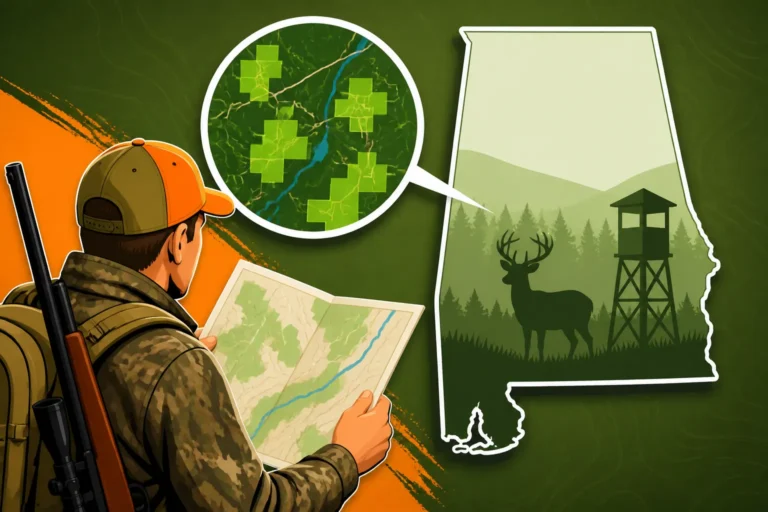
Successful hunting on Skyline WMA, especially given its rugged and extensive nature, demands excellent navigation skills and thorough scouting. Old paper maps are still valuable, but modern digital mapping tools have become indispensable. A premium hunting app like onX Hunt is highly recommended. It allows you to:
- View Property Boundaries: Clearly see WMA boundaries, public land versus private land, and identify potential access points. This is crucial for avoiding trespass.
- Topographical Data: Analyze contour lines to understand elevation changes, identify ridges, saddles, and hollows that serve as natural funnels or bedding areas. This is where you can apply insights from Reading Aerial Photos for Piedmont Deer directly to the terrain.
- Aerial Imagery: Scout from home, identifying potential food sources, thick cover, water sources, and possible travel corridors. You can mark waypoints for stand locations, parking, and trails.
- Offline Maps: Download maps for areas where cell service is unreliable, which is common in many parts of Skyline.
- GPS Tracking: Track your movements in real-time, helping you navigate in unfamiliar terrain and find your way back to your vehicle.
Beyond onX Hunt, other services like GoHunt also offer detailed topographical data and scouting tools, although onX is generally favored for its in-field utility for many Alabama hunters. Regardless of the tool you choose, "e-scouting" is only half the battle. Nothing replaces boots on the ground. Make pre-season trips to walk the areas you've identified, look for fresh sign, check for access restrictions, and understand the terrain firsthand. This combination of digital preparation and physical scouting will significantly improve your chances of success.
Making Your Skyline Hunt Successful
Hunting Skyline WMA is not just about pulling a trigger; it's about strategy, preparation, and endurance. To truly make the most of your time in this challenging but rewarding public land, you need to consider more than just where to hunt.
Gear Considerations for Rugged Terrain
The rugged, mountainous terrain of Skyline WMA means your gear choices are paramount to both comfort and safety. Skimping on quality here can lead to a miserable hunt or, worse, a dangerous situation.
- Footwear: Invest in high-quality, waterproof hunting boots with excellent ankle support. You'll be traversing steep, uneven ground, and possibly crossing creeks. A good pair of boots will prevent blisters, protect your feet, and provide the traction you need. Lightweight hiking boots are often preferred over heavy, insulated boots for walking long distances in Alabama's generally milder climate.
- Pack: A comfortable, well-fitting day pack or multi-day pack (depending on your trip length) is essential. It needs to be able to carry water, snacks, emergency supplies, calls, layers of clothing, and potentially game. Look for packs with good weight distribution and external pockets for easy access to essentials.
- Layers of Clothing: Alabama weather can be unpredictable, even in the "cold" months. Dress in layers that you can easily add or remove as temperatures fluctuate throughout the day. Moisture-wicking base layers are crucial to manage sweat, especially during strenuous climbs.
- Navigation Tools: A fully charged phone with a reliable mapping app (like onX Hunt) is a must, but always carry a backup. This could be a traditional compass and paper map, or a dedicated GPS unit. Even a small portable power bank for your phone is a smart addition.
- Water: Dehydration is a real risk when exerting yourself in the woods. Carry more water than you think you'll need, or a reliable water filter if you'll be accessing natural water sources.
- Emergency Kit: A small first-aid kit, fire starter, whistle, headlamp, and emergency blanket are non-negotiable items for any public land hunter, especially in remote areas.
Remember, every ounce matters when you're climbing those steep ridges. Pack smart, but prioritize safety and comfort.
Scouting Strategies and E-Scouting Before Your Trip
Effective scouting is the bedrock of successful hunting on public land, and Skyline WMA demands thoroughness. It starts long before you ever set foot in the woods.
E-Scouting: Begin your scouting at home using online resources. As mentioned, mapping apps are invaluable. Study the topographical maps and aerial imagery. Look for:
- Ridge lines and saddles: These are often travel corridors.
- Hollows and drainages: These provide cover and water.
- Pinch points and funnels: Areas where deer are naturally constricted.
- Changes in timber type: Transition zones often hold game.
- Remote areas: Look for sections far from roads and parking lots that might see less pressure.
- South-facing slopes: These warm up faster in winter, providing crucial browse.
- Water sources: Creeks, seeps, and springheads are magnets for all wildlife.
Mark potential bedding areas, feeding zones, and travel routes as waypoints. Pay attention to Scouting Alabama Public Land Before Season by looking at historical aerial imagery for timber cuts that might have created new bedding cover or food sources.
Boots-on-the-Ground Scouting: Once you have a few promising areas identified through e-scouting, make a trip (or several) to the WMA outside of hunting season. Walk those marked waypoints. Look for actual sign:
- Deer: Tracks, droppings, rubs, scrapes, and bedding areas.
- Turkey: Droppings, dusting bowls, and feather piles.
- Hogs: Rooting, wallows, and rubs.
- Food sources: Identify mast trees (oak, hickory, persimmon), browse, and any green fields if applicable.
Confirm access routes, assess the actual steepness of the terrain, and get a feel for wind and thermal patterns in specific locations. Even if you've marked a perfect spot on a map, the reality on the ground might reveal an impassable thicket or a clear line of sight to a road that makes it less ideal. This hands-on experience is critical for turning map knowledge into actionable hunting strategy.
Disclaimer
This article is for general informational purposes only and does not constitute professional advice. Laws, prices and regulations vary by location and change over time. Consult a qualified professional for guidance on your specific situation.