Alabama HIP Certification for Bird Hunters
It's happened to all of us: you've got your Alabama hunting license, your gear is ready, and you're dreaming of the season opener. Then someone casually asks, "Did you get your HIP certification?" and your heart sinks a little. It's a common moment of confusion for many bird hunters, wondering what this "extra" step is all about. This guide is here to clear up exactly what Alabama's Harvest Information Program (HIP) certification is, why it's crucial, and how easy it is to obtain, so you can focus on the birds, not the paperwork.
Understanding Alabama's HIP Certification Requirement
Navigating hunting regulations can feel like deciphering a secret code sometimes, and the Harvest Information Program (HIP) certification is one of those pieces that often gets overlooked or misunderstood by bird hunters in Alabama. You might think, "I've got my license, isn't that enough?" Unfortunately, when it comes to migratory birds, there's this vital, additional step that absolutely cannot be skipped. It's not just a suggestion; it's a federal requirement that Alabama, like all other states, enforces to help manage our shared migratory bird resources. Without it, you're technically hunting illegally, and no one wants to find themselves in that sticky situation with a game warden.
The Federal Mandate for Migratory Bird Data
At its core, HIP is a data collection program established by the U.S. Fish and Wildlife Service (USFWS) in partnership with state wildlife agencies. Think of it as a crucial census for our feathered friends that cross state and even international borders. These birds, like doves, ducks, geese, woodcock, and snipe, don't recognize state lines, which is why a national system is needed to track hunting pressure and harvest numbers. Every hunter pursuing these species in Alabama, regardless of whether they harvest a single bird or their limit every day, must participate. The information collected from your survey helps biologists make informed decisions about bag limits, season lengths, and conservation efforts across North America. Without this data, managing these populations effectively would be a shot in the dark, leading to potential overharvest or missed opportunities for sustainable hunting. It’s a small, quick step on your end that contributes to the bigger picture of wildlife conservation for generations to come.
Why Your Participation Matters for Conservation
When you complete your HIP certification, you're essentially telling wildlife managers what migratory bird species you intend to hunt and roughly how many you harvested the previous season. This isn't about setting you up for scrutiny; it's about gathering broad, anonymized data to understand population trends. For instance, if fewer hunters are reporting hunting doves, or if overall dove harvest estimates are down across multiple states, it might signal a need to investigate potential issues impacting the dove population. Conversely, stable or increasing numbers allow for consistent hunting opportunities. This data directly influences the seasons and bag limits that the Alabama Department of Conservation and Natural Resources (ADCNR) can set each year, ensuring we have healthy populations to hunt in the future. It’s a direct way that hunters contribute to conservation, fulfilling our role as stewards of the land and its wildlife. Whether you're focused on Dove Hunting Alabama Opening Weekend or planning your strategy for Waterfowl Hunting Alabama's River Deltas, your HIP participation provides valuable insights.
Getting Your Alabama HIP Certification: A Simple Process
The good news amidst all the regulations is that obtaining your Alabama HIP certification is incredibly straightforward and doesn't cost you a dime. Unlike your actual hunting license or the required federal and state duck stamps, HIP certification is free. It's designed to be quick and accessible, acknowledging that most hunters want to do the right thing but just need clear instructions. Many hunters use tools like GoHunt to keep track of their licenses and tags, but remember that HIP is a separate, federal requirement you complete through the state.
Using the Outdoor Alabama Website for Certification
The easiest and most common way to get your HIP certification in Alabama is online through the Outdoor Alabama website. You’ll typically do this when you purchase your annual hunting license, but if you forgot or didn't initially plan to hunt migratory birds, you can add it at any time before you head afield.
Here's a general step-by-step breakdown:
-
Visit Outdoor Alabama: Head to the official ADCNR licensing portal.
-
Access Your Account: Log in to your existing account using your customer number and password. If you’re a new hunter or haven't bought a license online before, you’ll need to create an account.
-
Initiate License Purchase/Update: Even if you've already bought your main hunting license, you can usually go back into your profile to add certifications. Look for an option to "Add Licenses/Permits" or "Update Certifications."
-
Select HIP Certification: You'll find "Migratory Bird Harvest Information Program (HIP) Certification" listed as an option. Select it.
-
Complete the Survey: This is the heart of the HIP process. You'll be asked a series of questions about your migratory bird hunting activity from the previous season. These questions will cover various species groups.
- Did you hunt doves last year? If yes, how many did you harvest (estimate)?
- Did you hunt ducks last year? If yes, how many did you harvest (estimate)?
- Did you hunt geese last year? If yes, how many did you harvest (estimate)?
- And so on, for species like woodcock, snipe, rails, and gallinules.
Remember, these are estimates from the previous season. Don't stress about exact numbers. Just provide your best guess. The goal is to gather broad data, not to quiz your memory. If you didn't hunt a particular species, simply indicate "No."
-
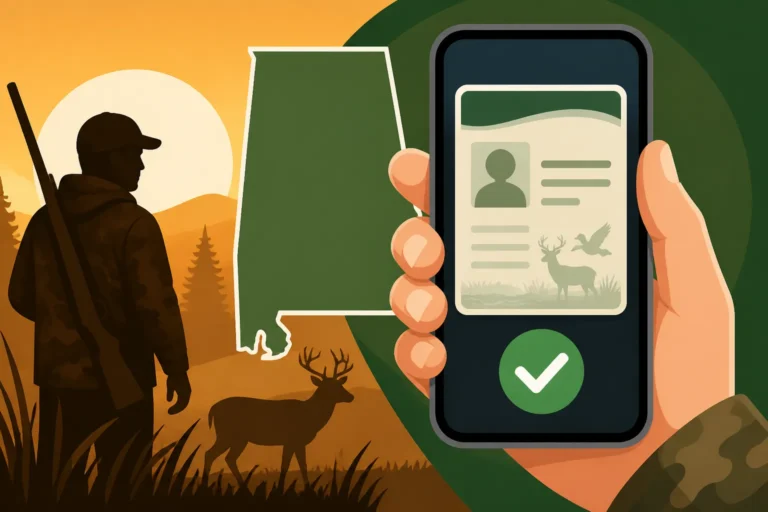
Confirm and Print/Save: Once you've completed the survey, confirm your responses. The certification will then be added to your license profile. You can typically print a new copy of your license that includes the HIP certification or save a digital copy to your phone. It’s always a good idea to have physical proof or readily accessible digital proof while in the field.
The entire process usually takes less than five minutes. It's a small investment of time for a big impact on conservation and to ensure you're hunting legally. For those meticulously planning their seasons, perhaps with the aid of a platform like GoHunt, adding HIP certification to your checklist is crucial.
The Survey Questions and Why They Matter
When you're going through the HIP survey, you might wonder why they're asking about last year's hunt when you're trying to get certified for this year. It's a legitimate question! The reason is that the USFWS uses the previous year's harvest data to predict and manage populations for the upcoming seasons. This forward-looking approach helps ensure sustainability.
For example, when asked about Alabama Mourning Dove Migration Timing, the specific numbers you provide, along with thousands of other hunters, help build a national picture of overall dove harvest. This allows biologists to track if harvest rates are increasing or decreasing over time, which can then inform decisions about future bag limits or season lengths. The data collected through programs like HIP helps organizations, even those that power apps like GoHunt, provide better insights into game populations and management strategies. So, while it feels like you're recounting old hunts, you're actually contributing to the scientific foundation of migratory bird management.
Who Needs HIP Certification and For Which Birds?
This is where some of the common misunderstandings really start. Many hunters assume if they're only going after, say, squirrels or rabbits, they don't need HIP. And they'd be absolutely right! But the moment you even think about targeting a dove, a duck, or any other migratory game bird, that HIP certification becomes non-negotiable.
Migratory Game Birds Requiring HIP
Let's break down exactly which birds fall under the HIP requirement in Alabama. This isn't an exhaustive list, but it covers the most commonly hunted species:
- Doves: Mourning doves, Eurasian collared-doves (though the latter typically doesn't have a season bag limit, you still need HIP if you target them).
- Ducks: All species of ducks found in Alabama, including mallards, wood ducks, teal, etc. Whether you're interested in the Alabama Duck Daily Bag Limit or just jump-shooting a beaver pond, you need HIP.
- Geese: All goose species, including Canada geese, snow geese, and specklebellies. Don't forget your HIP before heading out for Alabama Goose Season Rules.
- Woodcock: These elusive birds also fall under the migratory bird category.
- Snipe: Often overlooked, snipe hunting requires HIP. You can learn more about Alabama Snipe Season Dates in other resources.
- Rails and Gallinules: Though less commonly pursued, these marsh birds are also migratory and require HIP certification.
Essentially, if it's a bird that flies long distances between breeding and wintering grounds and is designated as a game species, you need HIP to hunt it. This also includes any federal Alabama Duck Stamp Requirement and Alabama Migratory Bird Certification that might be needed.
Exemptions and Annual Renewal
There are very few exemptions to the HIP certification requirement, and most hunters will need to get it. Generally, if you're 16 years or older and hunting migratory game birds, you need it. Even if you hold an Alabama All-Game Versus Small-Game License, it doesn't automatically include HIP; it's a separate certification.
One crucial point to remember is that HIP certification is required annually. Just because you got it last year doesn't mean you're covered for the current season. You'll need to go through the process each year, typically when you renew your main hunting license. It ties directly to the state's hunting license year, which usually runs from September 1st to August 31st. So, if you're planning on Working a Dove Field on Opening Day in September, make sure your HIP is current for the new license year.
Ensuring Compliance and Avoiding Pitfalls
It's easy to get caught up in the excitement of hunting season and overlook a small detail like HIP certification. However, ignoring this requirement can lead to unnecessary headaches and even citations. Staying compliant is simple, and understanding the repercussions of non-compliance should be enough motivation to always double-check.
Carrying Proof in the Field
Just like your regular hunting license and any required stamps, you need to be able to show proof of your HIP certification if requested by a game warden. This means having either a physical copy of your license with the HIP endorsement clearly marked, or a digital copy on your phone that you can readily access.
Imagine you're out Hunting the Tennessee River Delta for Waterfowl and a game warden approaches. You proudly show your hunting license and federal duck stamp, only for them to ask for your HIP certification. If you can't produce it, even if you completed it online, it can lead to problems. Always err on the side of caution. Print an updated copy of your license after completing HIP, or ensure it's saved somewhere prominent on your smartphone. Don't let a small oversight ruin a great day afield.
| Migratory Game Bird Species | HIP Required? | Common Harvest Season |
|---|---|---|
| Mourning Dove | Yes | Early Fall |
| Ducks (All Species) | Yes | Fall/Winter |
| Geese (All Species) | Yes | Fall/Winter |
| Woodcock | Yes | Late Fall/Early Winter |
| Snipe | Yes | Late Fall/Early Winter |
| Rails & Gallinules | Yes | Fall |
| Wild Turkey | No | Spring/Fall |
| Squirrel | No | Fall/Winter |
| Rabbit | No | Fall/Winter |
| White-tailed Deer | No | Fall/Winter |
| Feral Hog | No | Year-Round |
Penalties for Non-Compliance
While often considered a minor administrative step, failure to possess a valid HIP certification when hunting migratory birds can result in a citation. The specific penalty can vary depending on the officer, the circumstances, and where you are cited. It could be a warning, but it could also be a fine, and potentially even the confiscation of your harvested birds. It’s certainly not worth the risk, especially since the certification is free and takes just a few minutes to acquire.
Wildlife enforcement officers are well-versed in these regulations, and they're not going to be sympathetic if you claim ignorance about HIP. It's the hunter's responsibility to know and follow all applicable laws. By taking the few moments to complete your HIP certification, you're not just avoiding a potential fine; you're actively contributing to the sustainable future of migratory bird hunting in Alabama and beyond. So, before you step foot in the dove field or set out your duck decoys, make that HIP check part of your pre-hunt ritual.
Disclaimer
The information provided in this guide is for general informational purposes only and does not constitute legal advice. Hunting regulations can change frequently. Always consult the most current Alabama Department of Conservation and Natural Resources (ADCNR) regulations and federal migratory bird regulations before hunting.