Alabama Small Game Season Rules
Many Alabama hunters find themselves scratching their heads when it comes to the intricate details of small game season rules. It’s easy to get caught up in the excitement of deer and turkey, but the nuances of squirrel, rabbit, and migratory bird regulations can feel like a maze. This comprehensive guide is here to untangle that confusion, offering a clear, realistic look at Alabama's small game season rules so you can hunt with confidence and stay on the right side of the law.
The Allure of Alabama Small Game Hunting
There’s something truly special about small game hunting in Alabama. While the pursuit of a trophy buck or a strutting gobbler rightly captures a lot of attention, heading into the woods for squirrels or rabbits offers a completely different, yet equally rewarding, experience. It’s often less intense, more accessible, and provides fantastic opportunities to hone your woodcraft and shooting skills without the same level of pressure. For many, it's how they started their hunting journey, fostering a deep connection to the outdoors.
Why Small Game Holds a Special Place
Small game hunting is a vital thread in the fabric of Alabama's outdoor traditions. It’s often where new hunters cut their teeth, learning tracking, stealth, and firearm safety in a less demanding environment. Imagine a crisp fall morning, the crunch of leaves underfoot, and the eager bark of a squirrel dog echoing through the hardwoods. This isn't just about filling a pot; it's about spending quality time with family and friends, teaching younger generations the values of conservation and self-sufficiency, and simply enjoying the beauty of Alabama’s diverse ecosystems. It’s a chance to slow down, observe the natural world, and truly appreciate the simpler pleasures of the hunt.
Beyond the camaraderie, small game hunting is a phenomenal way to refine your hunting instincts. Tracking a wary cottontail through thick briars, perfecting your lead on a fast-flying dove, or quietly slipping through the timber to get a bead on a bushytail – these are all skills that translate directly to larger game. It demands patience, keen observation, and quick reflexes, all while providing abundant opportunities for success, which can be incredibly encouraging for both seasoned hunters and those just starting out. It's a chance to just hunt, pure and simple, and many find it to be a much-needed break from the intensity of big game pursuits.
Overview of Alabama's Small Game Regulations
The Alabama Department of Conservation and Natural Resources (ADCNR) manages small game seasons with a focus on sustainable populations and diverse hunting opportunities. Unlike deer, which have distinct zones and varying season dates, most small game regulations are statewide, making them a bit easier to track. However, that doesn't mean there aren't critical details you need to be aware of, from opening and closing dates to daily bag and possession limits, and even specific equipment restrictions. Ignorance of the law is never an excuse, so understanding these rules is paramount before you ever step foot in the field.
Keeping up with all these regulations can feel like a full-time job, especially when dates shift slightly year to year or new rules are introduced. That's where tools like the GoHunt app can be a real game-changer. It puts current regulations, WMA maps, and even digital license access right at your fingertips, helping you quickly verify season dates and bag limits while you're afield. Always double-check the latest ADCNR digest, but having a quick reference like GoHunt can save a lot of headaches and keep you compliant. Remember, a legal hunt is a safe and ethical hunt, so taking the time to understand the rules is just as important as knowing how to shoot straight.
Navigating Squirrel and Rabbit Seasons
Squirrel and rabbit hunting are perhaps the most quintessential small game pursuits in Alabama, steeped in tradition and offering accessible hunting for almost everyone. These animals are abundant across the state, providing countless hours of enjoyment and some delicious table fare. However, even with these common species, there are specific season dates and bag limits that every hunter needs to memorize.
Alabama's Generous Squirrel Seasons
Alabama is blessed with robust populations of both gray and fox squirrels, and the state offers one of the more generous squirrel seasons you'll find anywhere. Typically, the season kicks off in the fall, often overlapping with the early archery deer season, and runs well into the following winter. This long season provides ample opportunities, whether you prefer to hunt with a shotgun, a small-caliber rifle like a .22, or even an air rifle. The daily bag limit is usually quite generous as well, allowing hunters to bring home a good mess of squirrels for the stew pot or frying pan.
The beauty of Alabama's squirrel season is its flexibility. You can chase bushytails in the early part of the season when leaves are still on the trees, requiring careful observation and quick shots, or you can wait until late season when the foliage has dropped, making squirrels easier to spot but often more wary. Different tactics work best depending on the time of year and the habitat you're in. For example, focusing on areas with abundant mast crops like hickory, oak, and pecan trees is always a good strategy. If you're looking for more in-depth advice on where to find them, you might want to check out our guide on Squirrel Hunting Alabama Bottomland Hardwoods, which details prime locations and tactics for those productive areas. Just remember to always verify the current year's exact dates and bag limits with the ADCNR digest before heading out.
Rabbit Hunting Opportunities and Regulations
Rabbit hunting, particularly for cottontails, is another beloved tradition in Alabama, often associated with the thrilling chase provided by a good pack of beagles. The season for rabbits generally mirrors that of squirrels, opening in the fall and extending through the winter months. This allows for plenty of time to get out with friends, dogs, and shotguns to enjoy the fast-paced action that rabbit hunting provides. Much like squirrels, the daily bag limits for rabbits are designed to allow for good harvest numbers while maintaining healthy populations across the state.
While beagles are a common and effective tool for rabbit hunting, they're certainly not a requirement. Many hunters enjoy still-hunting or jump-shooting rabbits in thick cover, such as overgrown fields, briar patches, and brushy fencerows. These areas provide both food and protection for rabbits, making them ideal spots to focus your efforts. For tips on where to concentrate your search, our article on Rabbit Hunting Alabama Fencerows offers some excellent insights into finding these often-overlooked hotspots. Remember, when hunting with dogs, it's crucial to be aware of your surroundings, know where your dogs are, and always prioritize safety, especially when multiple hunters are involved.
Migratory Small Game: Doves, Snipe, and Woodcock
Beyond the resident small game like squirrels and rabbits, Alabama offers fantastic opportunities for migratory birds, particularly doves, but also snipe and woodcock. These species bring their own unique sets of challenges and rewards, often requiring specific federal stamps and certifications in addition to your state hunting license.
Dove Hunting: A Southern Tradition
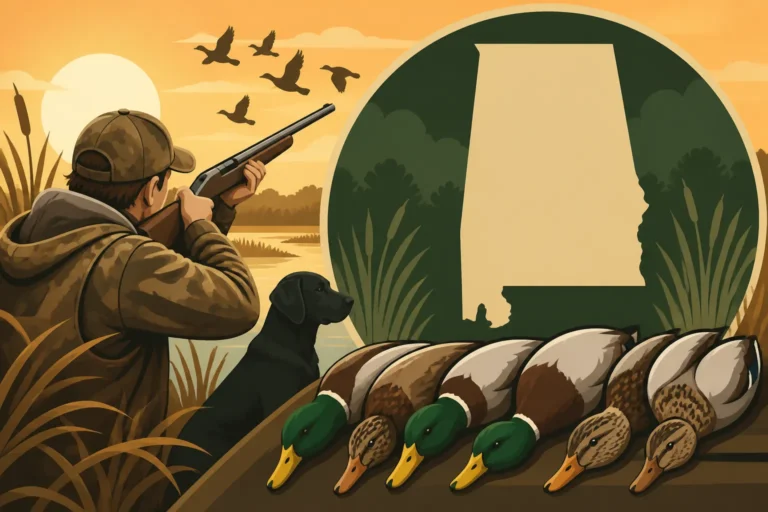
There's hardly a more iconic opening day in the South than dove season. The first split of dove season in Alabama is a highly anticipated event, bringing together families and friends in agricultural fields for fast-action wingshooting and lively camaraderie. Alabama typically divides its dove season into multiple "splits" to account for migration patterns, often starting in early September and continuing through late fall or early winter. Each split has its own specific dates, and it's absolutely crucial to check the current year's regulations to confirm them. The daily bag limit is generous, but those fast-flying birds can make even the most experienced shooter humble.
One of the most critical aspects of dove hunting in Alabama is understanding the rules around baiting. Federal regulations are very strict on what constitutes a legal dove field. Generally, a field can be hunted if it's planted, harvested, or manipulated in accordance with normal agricultural practices. However, scattering grain or "baiting" a field is strictly prohibited and carries severe penalties. Always ensure you are hunting a legal field, and if you're not sure, it's best to err on the side of caution. For a deep dive into preparing for the season opener, you can read our article on Dove Hunting Alabama Opening Weekend, which covers field preparation, setup, and tactics. Additionally, all migratory bird hunters in Alabama, regardless of age, must possess a Harvest Information Program (HIP) certification in addition to their state hunting license and a federal duck stamp if hunting waterfowl.
Hunting Snipe and Woodcock
While doves steal much of the migratory bird spotlight, Alabama also offers seasons for two lesser-known but equally challenging and rewarding migratory small game birds: snipe and woodcock. Both species are unique, thrive in specific habitats, and offer a different kind of wingshooting experience compared to doves or waterfowl. Their seasons typically run during the cooler months, often from November through January or February, providing exciting opportunities when other hunting options might be winding down.
Snipe, with their erratic flight patterns, are often found in wet, marshy areas, shallow-flooded fields, and along the edges of ponds or sloughs. They are incredibly difficult to hit, making them a true test of shotgunning skill. Woodcock, on the other hand, prefer dense, young timber, often near moist soil or creek bottoms, where they probe for worms with their long bills. They are known for their explosive, twisting flush, which can be startling and challenging in thick cover. Both species require a state hunting license and HIP certification. If you're interested in pursuing these unique birds, it's essential to consult the official ADCNR regulations for Alabama Snipe Season Dates and Alabama Woodcock Season Dates to get the precise opening and closing periods, as well as their specific bag and possession limits.
Furbearers and Other Opportunistic Small Game
Alabama's small game category extends beyond just squirrels, rabbits, and migratory birds to include a range of furbearers and other species that can often be hunted year-round or under specific seasons and methods. These opportunities often appeal to hunters looking to manage nuisance animals, enjoy different types of hunting (like night hunting), or engage in trapping.
Raccoons and Opossums: Nighttime Pursuits
Raccoons and opossums are abundant throughout Alabama and offer exciting hunting opportunities, particularly at night with hounds. The seasons for these species are typically quite long, often extending through the fall, winter, and into the spring, allowing ample time for hunters to pursue them. While some hunters pursue them for their fur, many enjoy the thrill of the chase and the challenge of working dogs. Like other small game, specific daily bag and possession limits apply, which are always detailed in the annual ADCNR hunting digest.
Hunting raccoons and opossums often involves specialized equipment, including coon hounds, bright lights, and sometimes small-caliber firearms or archery equipment for dispatching treed animals. When hunting at night, safety is paramount. Always be aware of your surroundings, know your target and what's beyond it, and respect private property boundaries. For the exact season dates and legal methods, always refer to the current ADCNR regulations. For instance, knowing the precise Alabama Raccoon Season Dates is crucial for planning your trips, especially if you're traveling to a new area. Whether you're chasing them for sport or for their pelts, it's a unique and rewarding hunting experience deeply rooted in Southern tradition.
Coyotes, Foxes, and Other Predators
Alabama's wildlife landscape has evolved, and with it, the opportunities to hunt species like coyotes and feral hogs, which are often considered nuisance animals due to their impact on native game populations and agricultural crops. Feral hogs, for example, are a significant problem across the state. The good news for hunters is that feral hogs can be hunted year-round on private land, with no bag limit, often at night with lights, which is a huge advantage for controlling their numbers. You can dive deeper into these rules with our comprehensive guide on Hunting Alabama's Year-Round Feral Hogs.
Coyotes also present a year-round hunting opportunity on private land in Alabama, and like hogs, there are no bag limits. This reflects the state's desire to control their population due to their predatory impact on deer fawns and other small game. Foxes (red and gray) and bobcats, however, are treated differently and have specific hunting and trapping seasons, generally running from late fall through early spring. These furbearers are valuable resources, and their harvest is managed more carefully. When considering pursuing these animals, whether it's for predator control or sport, understanding the nuances of the regulations is vital. Our resource on Predator Hunting in Alabama offers broader strategies, but for specific legal details, especially regarding methods and seasons, always consult the ADCNR's current hunting digest and specific rules like Alabama Coyote Hunting Season Rules. Using an app like GoHunt can also help you quickly verify these regulations, ensuring you’re hunting legally and responsibly.
Essential Licensing and Hunter Education Requirements
Before you even think about stepping into Alabama's woods or fields for small game, you absolutely need to make sure your paperwork is in order. Hunting licenses and, for many, hunter education, are non-negotiable legal requirements. Skipping these steps isn't just unethical; it can lead to serious fines and penalties.
Understanding Your Alabama Hunting License
Alabama offers various hunting license options, tailored for residents and non-residents, and for different types of game. For small game, you'll generally need either an All-Game Hunting License or a Small Game Hunting License. The All-Game license covers everything, including deer and turkey, while the Small Game license is more limited, specifically for species like squirrels, rabbits, doves, and furbearers. Residents typically have more affordable options and longer validity periods compared to non-residents, who might opt for annual or shorter-term trip licenses. It's crucial to select the license that matches your residency status and the species you intend to hunt.
Purchasing your license is straightforward and can usually be done online through the Outdoor Alabama website, at probate offices, or various license vendors across the state. Always carry proof of your license while hunting, whether it's a physical copy or a digital version on your phone via an approved app like GoHunt. For a detailed breakdown of all the available options and their current costs, our article on Alabama Hunting Licenses and What They Cost is an invaluable resource. Remember, in addition to your state license, if you plan to hunt migratory birds like doves, snipe, or woodcock, you'll also need a Harvest Information Program (HIP) certification.
Hunter Education and Apprentice Licenses
For many new hunters in Alabama, especially those born after August 1, 1969, completing a state-approved hunter education course is a mandatory requirement before purchasing an annual hunting license. This course covers vital topics such as firearm safety, wildlife identification, conservation principles, and hunting ethics. It's a foundational step to ensure safe and responsible hunting practices for everyone in the field. There are various ways to complete hunter education, including online courses followed by a field day, or in-person classroom instruction.
However, Alabama recognizes that getting started can be tough, so they offer an Apprentice Hunter License. This allows individuals who haven't yet completed hunter education to hunt under the direct supervision of a licensed adult (21 years or older). It's a fantastic way to introduce new hunters to the sport, learn from an experienced mentor, and gain practical experience before completing the formal course. If you're new to hunting or introducing someone else, understanding these requirements is paramount. You can find comprehensive details on who needs it and the options available in our guide to Alabama Hunter Education Requirements. Always remember that migratory bird hunters, even those exempt from hunter education due to age, still need their HIP certification.
Public Land Access and Regulations for Small Game
Alabama boasts a significant amount of public land managed by various agencies, including the ADCNR (Wildlife Management Areas) and the U.S. Forest Service (National Forests). These public lands offer incredible opportunities for small game hunting, providing access to diverse habitats across the state. However, hunting on public land comes with an additional layer of regulations that you absolutely need to understand before you go.
Hunting Small Game on WMAs and National Forests
When hunting on Alabama's Wildlife Management Areas (WMAs), you'll almost always need a WMA permit in addition to your state hunting license. These permits help fund the management and maintenance of these crucial public hunting grounds. Each WMA also typically has its own specific set of regulations, which can include variations in season dates, bag limits, allowed equipment, and even special draw hunts for certain species. It is imperative to check the individual WMA brochure for the specific area you plan to hunt, as rules can differ significantly from statewide regulations and even between WMAs. Don't assume that what applies in one WMA applies to all!
National Forests, such as the Talladega, William B. Bankhead, and Conecuh National Forests, offer vast tracts of land for public hunting. While generally following statewide seasons and bag limits, they might have their own specific rules regarding vehicle access, camping, and the use of ATVs. Always consult the U.S. Forest Service district office or their website for the specific forest you intend to visit. To get a head start on where to find these opportunities, our Public Hunting Land in Alabama guide offers a broad overview, and our article on Alabama WMA Permit Requirement details the ins and outs of getting your necessary public land permits. Tools like GoHunt can be particularly useful here, as they often layer WMA boundaries and regulations onto maps, aiding in Scouting Alabama Public Land Before Season.
Navigating Access and Pressure
One of the biggest challenges of public land hunting, especially for small game, can be navigating hunting pressure. Popular WMAs and easily accessible areas within National Forests can see a lot of activity, especially early in the season. To find success and a more peaceful hunting experience, it often pays to go the extra mile. Look for areas that require a longer walk, cross-country travel, or boat access if applicable. These less-pressured spots often hold more game and offer a more rewarding hunt. Understanding how to use aerial maps, topographic maps, and even online resources to identify remote pockets is a crucial skill.
Beyond pressure, always be mindful of other regulations specific to public lands. This includes rules on where you can park, restrictions on motorized vehicles off designated roads, and rules concerning the placement and removal of treestands or ground blinds. While small game hunters might not typically use large treestands, even a simple ground blind or a stool requires adherence to rules. Additionally, always check for any area closures due to timber operations, prescribed burns, or other management activities that might temporarily restrict access. Being a responsible public land hunter means knowing and respecting all these rules, ensuring that these valuable resources remain available for everyone to enjoy for generations to come.
Strategic Tips for a Successful Small Game Season
Beyond understanding the rules, having a good strategy in place can make all the difference in your small game hunting success. It’s not just about luck; it’s about knowing where to look, what to look for, and how to approach the hunt safely and effectively.
Scouting and Habitat for Small Game
Just like with deer and turkey, effective scouting is key to consistently finding small game. For squirrels, this means identifying areas with a strong mast crop – think oak ridges, hickory bottoms, and pecan groves. Look for freshly cut nuts on the ground or gnaw marks on fallen branches. For rabbits, focus on dense cover: overgrown fencerows, briar thickets, brush piles, and the edges of agricultural fields. These spots offer both food and crucial protection from predators. Observing fresh droppings or well-used trails through the brush are sure signs of rabbit activity.
When it comes to migratory birds, scouting takes on a slightly different form. For doves, identifying active feeding fields – typically cut corn, wheat, millet, or sunflowers – is paramount. Look for doves flying into and out of fields during the early morning and late afternoon. For snipe, you'll be looking for muddy, shallow-water areas, often with sparse vegetation. Woodcock prefer moist, young timber with good soil for probing. Understanding these specific habitat preferences, and then spending time before the season to locate active areas, will drastically increase your odds of success. Even a quick drive-by or a walk through potential areas can reveal invaluable information about where to set up.
Equipment and Safety Considerations
For most small game, a shotgun is the firearm of choice. A 12-gauge or 20-gauge loaded with small shot (like 6s, 7.5s, or 8s) is versatile for squirrels, rabbits, and doves. For squirrels specifically, some hunters prefer a .22 caliber rifle or even an air rifle for a quieter, more precise shot in areas where a shotgun might be too disruptive or overkill. Always choose the appropriate ammunition for your target species and ensure your firearm is in good working order. Safety glasses and hearing protection are always recommended, especially during high-volume shooting like dove hunts.
Safety, of course, extends far beyond just your equipment. Always know your zone of fire, especially when hunting with others. Be absolutely certain of your target and what lies beyond it before taking a shot. When hunting on public land, wearing blaze orange or blaze pink (as allowed by Alabama regulations) is highly recommended, even if not strictly required for small game, to make yourself visible to other hunters. Always communicate with your hunting partners, especially if you're spreading out. Respect property lines, whether marked or unmarked, and retrieve all spent casings and trash. Leaving an area cleaner than you found it is a testament to being a responsible and ethical hunter, ensuring these traditions can be enjoyed for generations to come.
Here's a quick overview of Alabama's most common small game seasons and limits:
| Species | General Season Dates | Daily Bag Limit | Possession Limit | Notes |
|---|---|---|---|---|
| Squirrel | Early Fall – Late Winter | 8 | 8 | Statewide, check ADCNR for exact dates |
| Rabbit | Early Fall – Late Winter | 8 | 8 | Statewide, check ADCNR for exact dates |
| Dove | Multiple Splits (Early Sep – Jan) | 15 | 45 | HIP certified, check ADCNR for zone splits |
| Woodcock | Nov – Jan/Feb (approx.) | 3 | 9 | HIP certified, check ADCNR for exact dates |
| Snipe | Nov – Feb (approx.) | 8 | 24 | HIP certified, check ADCNR for exact dates |
| Raccoon | Fall – Spring | No Limit | No Limit | Statewide, check ADCNR for exact dates |
| Opossum | Fall – Spring | No Limit | No Limit | Statewide, check ADCNR for exact dates |
| Coyote | Year-Round (Private Land) | No Limit | No Limit | Restrictions may apply on public land |
| Feral Hog | Year-Round (Private Land) | No Limit | No Limit | Restrictions may apply on public land |
Please Note: These dates and limits are illustrative and based on typical Alabama regulations. Always consult the current year's official Alabama Department of Conservation and Natural Resources (ADCNR) hunting digest for precise and up-to-date information, as seasons and limits can change annually.
Disclaimer
The information provided in this guide is for general informational purposes only and is not a substitute for the official regulations published by the Alabama Department of Conservation and Natural Resources (ADCNR). Hunting laws and regulations are subject to change without notice. It is the responsibility of every hunter to review and understand the most current ADCNR hunting digest and any local regulations before engaging in any hunting activity. Always prioritize safety and ethical hunting practices.