Alabama Woodcock Season Dates
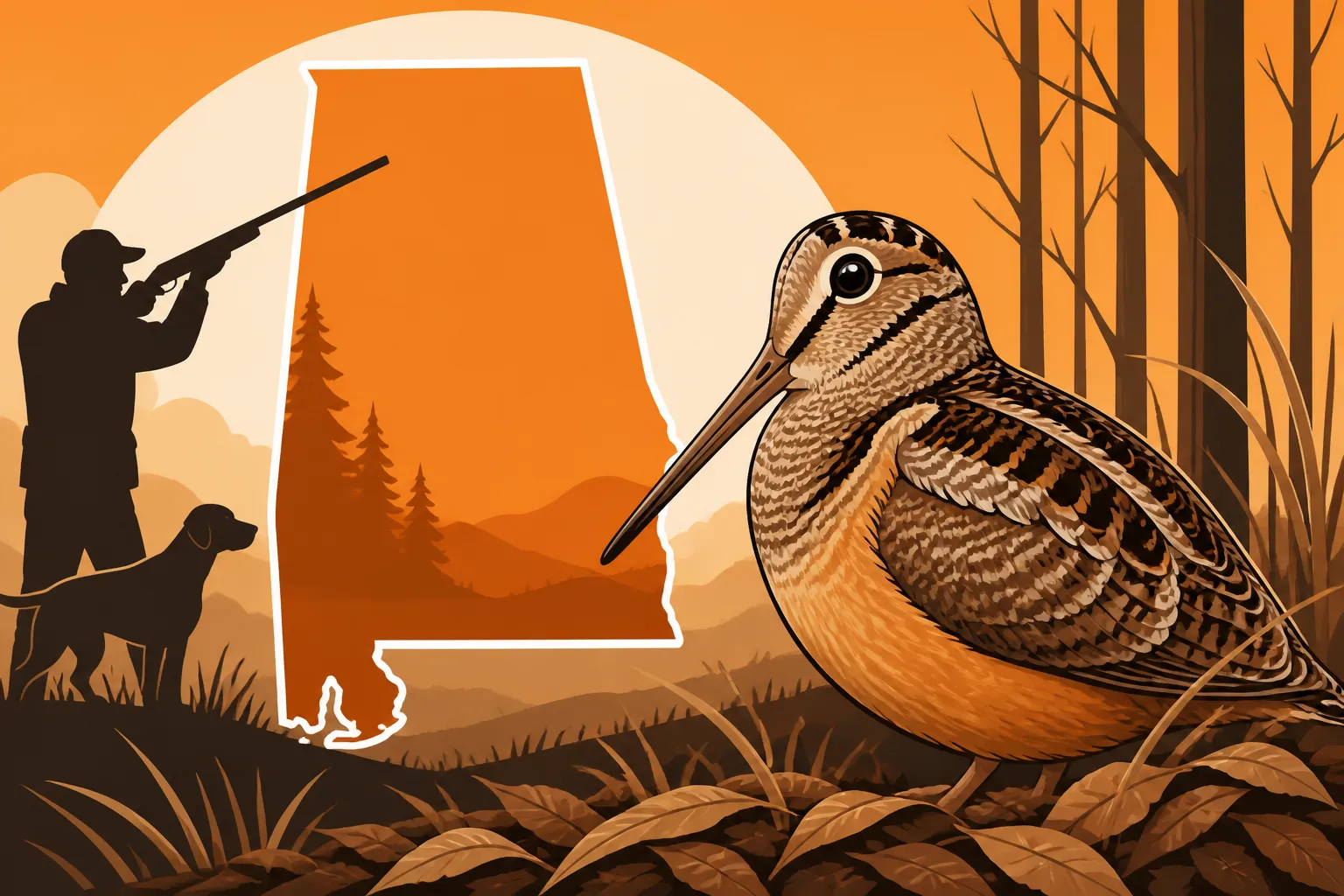
Trying to pin down the exact dates for Alabama's woodcock season can feel a bit like chasing a ghost in the thickets – these elusive birds are migratory, and their season is relatively short, making precise timing crucial for any hunter hoping to experience this unique pursuit. This guide is dedicated to breaking down everything you need to know about Alabama's woodcock season dates, what to expect, and how to make the most of your time afield.
Understanding Alabama's Woodcock Season Dates
Woodcock hunting in Alabama is a niche pursuit, but it's incredibly rewarding for those who appreciate working a good bird dog through dense cover. Unlike resident game, woodcock adhere to federal migratory bird regulations, which means their season dates and bag limits are set with both state and federal oversight.
Why Woodcock Season Dates Matter
The American Woodcock, often affectionately called "timberdoodle," is a fascinating migratory bird that breeds in the northern United States and Canada, then heads south for the winter. Alabama sits squarely in their wintering range, making it a prime destination for hunters when the birds arrive. Knowing the precise season dates is paramount because their stay is temporary, and their presence is highly dependent on cold weather pushing them down and keeping them here. Miss the window, and you're out of luck until next year. The anticipation of their arrival is a yearly ritual for many small game hunters, a sure sign that deep winter is settling in.
Current Season Dates and Key Details
For the most recent and upcoming seasons, Alabama's woodcock season typically opens in mid-December and runs through the end of January or early February. For example, looking at recent seasons, you'd often see dates like December 18th through January 31st. It's a fairly consistent timeframe year after year.
Here's a quick breakdown of what you can generally expect:
| Detail | Typical Regulation |
|---|---|
| Season Start | Mid-December (e.g., December 18th) |
| Season End | Late January to Early February (e.g., January 31st) |
| Daily Bag Limit | 3 woodcock |
| Possession Limit | 9 woodcock (three times the daily bag limit) |
| Shooting Hours | One-half hour before sunrise to sunset |
These dates and limits are uniform statewide, meaning you don't have to worry about different zones like you might for deer or turkey. This simplifies things considerably, allowing you to focus on finding the birds rather than deciphering complex zone maps.
How to Stay Up-to-Date on Regulations
While the dates tend to be consistent, regulations can change. The best way to ensure you have the most current information is always to consult the official source: the Alabama Department of Conservation and Natural Resources (ADCNR) website or their annual hunting and fishing regulation booklet. You can usually find a digital copy online, or pick up a physical one wherever licenses are sold.
Reputable outdoor platforms like GoHunt also provide excellent, frequently updated resources that compile state regulations in an easy-to-digest format. They often highlight any new or changed rules, which can be a lifesaver when planning your season. Don't forget, federal migratory bird regulations also apply, so always make sure you're compliant with both state and federal laws. Every hunter chasing migratory birds, including woodcock, is required to have a Harvest Information Program (HIP) certification. You can learn more about this by checking out the guide on Alabama HIP Certification for Bird Hunters.
The Migratory Nature of Alabama's Woodcock
Understanding the "why" behind the woodcock's presence in Alabama is just as important as knowing the "when." These aren't resident birds; they're truly travelers, and their journey south is a marvel of the avian world.
The Woodcock Flight Through Alabama
American Woodcock undertake extensive migrations, often traveling hundreds or even thousands of miles from their breeding grounds in the northern states and Canadian provinces. Alabama's position in the Deep South makes it a critical wintering area for these birds. While not strictly part of the major waterfowl flyways, woodcock follow general north-south migration corridors. Their arrival in Alabama is often triggered by significant cold fronts pushing down from the Midwest and Northeast. These fronts freeze the ground up north, making it impossible for woodcock to probe for their primary food source: earthworms. When the ground freezes, they pack their bags and head for warmer climes where the soil remains soft and pliable.
This phenomenon, often referred to as "the flight," is what woodcock hunters eagerly await each year. The timing can vary slightly depending on the severity of the northern winter, but generally, by mid-December, you can expect a good number of birds to have settled into suitable Alabama habitats. The guide on When Woodcock Migrate Through Alabama offers a deeper dive into these fascinating patterns.
Ideal Conditions for Finding Woodcock
Woodcock are creatures of specific habitats, and knowing what to look for is key to finding them. They love young, regenerating forests, particularly those with moist, soft soil. Think thick, brushy areas, dense saplings, creek bottoms, overgrown old fields, and edges where forest meets open ground. These areas provide the perfect blend of cover for roosting and soft earth for feeding.
When scouting for woodcock, look for tell-tale signs:
- "Splashes": These are distinctive white droppings, often about the size of a quarter, typically found on leaves or the forest floor where birds have been feeding or roosting.
- "Borings": Small, pencil-sized holes in the soft ground where woodcock have probed with their long bills for earthworms. Finding these is like hitting the jackpot – it tells you birds are actively feeding in the area.
Tracking cold fronts on weather apps is a crucial part of the woodcock hunter's strategy. A strong, sustained cold snap up north usually means a fresh influx of birds in Alabama a few days later. You might also want to explore resources related to Alabama Woodcock Singing Ground Surveys, as while these surveys are for breeding birds, they highlight preferred habitats that are often consistent with wintering grounds too.
Impact of Weather on Their Presence
Weather isn't just a trigger for migration; it also dictates woodcock behavior and availability once they arrive in Alabama. A mild winter, with infrequent or weak cold fronts, might mean fewer birds push all the way south, or they might arrive later and spread out more broadly. Conversely, a brutally cold winter up north can send a massive wave of birds south, concentrating them in specific areas where conditions are still favorable.
Once they're here, local weather plays a role. Prolonged freezing temperatures in Alabama can drive woodcock even further south, or make them incredibly difficult to find as they seek out any remaining unfrozen pockets of ground. A sudden thaw after a freeze can bring them back to areas they previously abandoned. It's a constant chess match with Mother Nature, making woodcock hunting both challenging and exciting.
Practical Tips for Hunting Woodcock in Alabama
Hunting woodcock isn't like deer hunting; it's an active, dog-driven pursuit that requires a different set of skills and equipment. It's truly an immersive experience in the thickest cover Alabama has to offer.
Essential Gear and Dog Work
Success in woodcock hunting often hinges on a good bird dog. These birds hold tight, relying on their incredible camouflage, and can be easily overlooked without a canine companion. Whether you prefer a pointing breed like a Setter or a Pointer, or a flushing dog like a Springer Spaniel, a dog will dramatically increase your chances of finding and retrieving birds in the dense cover. GoHunt, among other outdoor communities, often has forums and articles dedicated to selecting and training bird dogs for this specific type of hunting, offering valuable insights.
As for firearms, a lightweight shotgun with an open choke is the standard. Woodcock flushes are often close and fast, in heavy cover, giving you very little time to react. A 20-gauge or even a .410, choked Skeet or Improved Cylinder, loaded with light field loads of #8 or #9 shot, is perfect. The guide on Alabama Small Game Season Rules provides good general information about what to expect when pursuing other small game, but woodcock have their own specific demands. Don't forget your blaze orange; while not always strictly required for small game, it's always a smart safety choice, especially when working with dogs or hunting with partners in thick woods. You can read up on How Much Blaze Orange Alabama Requires to be fully prepared.
Finding Productive Cover
The secret to finding woodcock is finding their preferred habitat. As mentioned, they seek moist, young timber and brushy areas. In Alabama, this often means:
- River and Creek Bottoms: These areas tend to retain moisture and support the growth of dense, young hardwoods and brush. Look for spots with standing water or very damp soil. You might find some overlap with habitats described in Squirrel Hunting Alabama Bottomland Hardwoods.
- Clear-cuts and Recently Thinned Plantations: Areas that have been clear-cut within the last 5-15 years, or pine plantations that have recently undergone a heavy thinning, will often have a lush undergrowth of saplings, briars, and other thick cover that woodcock love.
- Overgrown Field Edges: Where an agricultural field meets a dense woodline, especially if there's a ditch or wet area, can be a woodcock hotspot.
- Powerline Easements: These cleared corridors, often allowed to grow up in thick brush, can funnel birds and provide ideal habitat.
It's all about finding that "ugly," thick stuff that most other hunters avoid. That's where the timberdoodles hide. Using mapping apps with satellite imagery can help identify these prime areas before you ever step foot in the woods.
Hunting Strategies and Safety
Once you've located promising cover, the hunting strategy is fairly straightforward: walk slowly, often in a zig-zag pattern, working into the wind if possible. This allows your dog to pick up scent more effectively and gives you the best chance to react to a flush. Woodcock bursts from cover quickly, flying a short distance before dropping back into the thicket, often in a corkscrew pattern. You'll need fast reflexes.
Safety is paramount, especially when hunting with dogs and partners in dense cover. Always know where your hunting partners are. Communicate frequently. Keep your shotgun's safety on until you're ready to shoot, and never swing on a bird if it means pointing your barrel at a person or dog. This type of hunting can be physically demanding, requiring navigating uneven terrain and pushing through briars, so sturdy boots, brush pants, and protective eyewear are highly recommended.
Alabama's Place in the Woodcock Conservation Picture
While woodcock hunting is a cherished tradition, it's also important to understand the broader conservation context for these unique migratory birds.
Population Trends and Management Efforts
Globally, American Woodcock populations have shown a long-term decline across much of their range, primarily due to habitat loss. The early successional forests and brushy fields they depend on for both breeding and wintering habitat are often lost to development or mature into older forests that no longer suit their needs.
In Alabama, the ADCNR plays a role in monitoring these migratory populations, often in conjunction with federal agencies like the U.S. Fish and Wildlife Service. This includes participating in Alabama Woodcock Singing Ground Surveys on their breeding grounds further north and monitoring harvest data. While Alabama itself doesn't breed a significant number of woodcock, ensuring healthy wintering grounds here is vital for the overall health of the population. Management efforts often focus on creating and maintaining early successional habitat through practices like timber harvest, prescribed burning, and brush management.
Hunter Contributions to Conservation
As with many hunted species, woodcock hunters are crucial allies in conservation. When you purchase an Alabama Hunting Licenses and What They Cost, or specifically an Alabama All-Game Versus Small-Game License, a portion of that fee goes directly to wildlife management and habitat restoration efforts by the ADCNR. This "user pays, user benefits" model is the bedrock of wildlife conservation in North America.
Furthermore, hunters of migratory birds are required to register with the federal Harvest Information Program (HIP) each year. This program collects vital data on hunter participation and harvest numbers, which helps biologists make informed decisions about season lengths and bag limits to ensure sustainable populations. Your participation in HIP is a direct contribution to woodcock management, even if you don't harvest a bird.
Habitat Protection and Restoration
The core of woodcock conservation lies in habitat. These birds thrive in dynamic, changing landscapes. They need young, dense cover for nesting, brooding, feeding, and protection from predators. Unfortunately, these types of habitats are often temporary, naturally transitioning to more mature forests over time if not disturbed by natural events (like fire or floods) or human activities (like timber harvest).
In Alabama, proactive land management, often supported by hunting license dollars, seeks to create and maintain these vital early successional habitats. This might involve clear-cutting small patches of timber, using controlled burns to set back forest succession, or planting specific types of shrubs and trees that provide good cover. Efforts to maintain healthy and diverse forest ecosystems benefit not only woodcock but also a host of other wildlife species that rely on similar habitats, including rabbits, quail, and various songbirds. So, when you're out there pushing through those thick briar patches, remember that your pursuit supports the health of the entire ecosystem.
Disclaimer
Please note that hunting regulations, including season dates and bag limits, can change. Always consult the official Alabama Department of Conservation and Natural Resources (ADCNR) regulations or their website (outdooralabama.com) before planning any hunting trip to ensure you have the most current and accurate information. The information provided in this guide is for informational purposes only and should not be considered legal advice.