Booking a Guided Plantation Quail Hunt
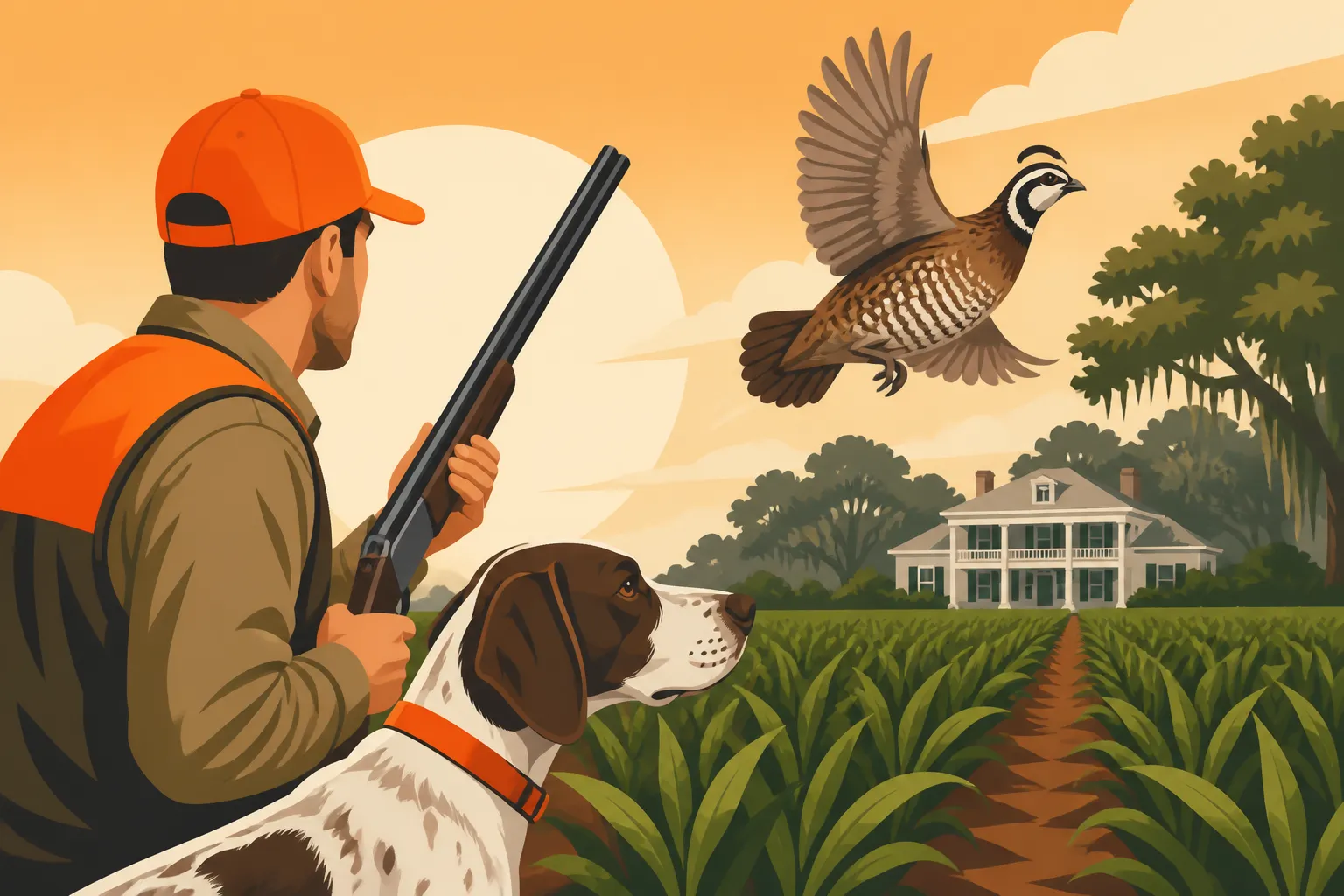
The image of a covey rise, a pointer locked on point, and the crack of a shotgun shattering the crisp Alabama air is a dream for many wingshooters. Yet, for those new to it, booking a guided plantation quail hunt can feel daunting—where do you even start looking, what should you expect, and how do you ensure you pick the right place for that classic Southern experience? This comprehensive guide is here to walk you through every step, helping you confidently navigate the process of finding and booking an unforgettable quail hunt in Alabama.
Understanding the Allure of a Guided Alabama Quail Hunt
There's something truly special about a guided quail hunt on a well-managed Alabama plantation. It's more than just shooting birds; it's an immersion in a cherished Southern tradition, an experience crafted with generations of passion for upland birds and fine dog work. For many, it's the pinnacle of wingshooting, offering a unique blend of sport, hospitality, and natural beauty.
The Classic Southern Quail Experience
When you picture a "Southern quail hunt," chances are you're envisioning exactly what Alabama plantations deliver. We're talking about sprawling acres of meticulously managed habitat – often longleaf pine savannas, dotted with wiregrass and broom sedge, perfectly suited for bobwhite quail. The hunt typically involves well-bred, highly trained pointing dogs, often English Pointers or Setters, working in unison with an experienced guide, sometimes even with a dog handler in tow. The anticipation of watching a dog lock up, the guide flush a covey, and the explosive flush of a dozen or more birds is a thrill unmatched by almost any other form of hunting. It’s a step back in time, where the pace is deliberate, the camaraderie is strong, and the focus is on the quality of the experience, not just the quantity of birds. It’s an opportunity to truly appreciate the skill of the dogs and the knowledge of the guides, making it an ideal choice for both seasoned wingshooters and newcomers to the sport. The tradition is deeply ingrained in the culture here, often including a delicious lunch at the lodge after the morning hunt, reflecting the hospitality the South is famous for.
Benefits Over Self-Guided Hunting
While the romance of scouting public land for wild coveys has its own appeal, as detailed in articles like Quail Hunting Alabama's Black Belt, a guided hunt offers distinct advantages that are hard to replicate on your own. For starters, access to prime habitat is paramount for quail, and many of Alabama’s best quail grounds are on private, intensively managed plantations. These properties invest heavily in habitat improvement, including prescribed burns and planting specific cover, which is critical given Alabama's Historic Quail Decline. This management ensures consistent bird numbers and strong-flying birds, whether they are truly wild coveys or high-quality liberated birds used to supplement the wild population.
Beyond habitat, a guided hunt provides access to exceptional bird dogs. These dogs are the heart of the hunt, and watching a professional string of pointers or setters work is an education in itself. Most hunters don't have the time or resources to train and maintain such dogs to that level. Furthermore, experienced guides know their ground intimately, understanding where coveys will hold and how to approach them effectively. They handle the dogs, navigate the terrain, and ensure your safety, allowing you to focus purely on the shooting and the overall experience. For those unfamiliar with the specific nuances of Working Pointing Dogs on Black Belt Quail, a guided hunt is an invaluable learning opportunity, removing the guesswork and logistical challenges often associated with self-guided trips. You simply show up, and everything is arranged for a seamless hunting adventure.
What to Look for in an Alabama Quail Plantation
Choosing the right plantation is key to a memorable experience. Alabama boasts several fantastic operations, especially within the famed Black Belt region, but quality can vary. It’s important to know what questions to ask and what attributes signal a top-tier operation.
Habitat and Bird Quality
The foundation of any great quail hunt is, without a doubt, the habitat. A premier Alabama quail plantation will showcase diverse and actively managed land. Look for descriptions that highlight longleaf pine ecosystems, frequent prescribed burning (which encourages native grasses and controls underbrush), and a mix of broom sedge, partridge pea, and ragweed. This kind of habitat not only supports wild quail populations but also provides excellent cover for birds, making for challenging and exciting flushes. Don't be shy about asking if they primarily hunt wild coveys, or if they supplement with released birds. Many plantations utilize released birds to guarantee a quality hunt, especially later in the season, and there’s nothing wrong with that, as long as the birds are strong-flying and the experience feels authentic.
A truly top-notch plantation will take pride in its bird management, potentially even participating in programs aimed at restoring How Managed Pine Restored Black Belt Quail. When researching potential outfits, platforms like GoHunt can sometimes offer insights or reviews that speak to the quality of the birds and the habitat management practices of different plantations. It's often worth asking about their bird-to-dog ratio, how many coveys they expect to flush per day, and their philosophy on ethical hunting practices. Remember, a good plantation prioritizes the health of its bird populations and the long-term sustainability of the habitat, which directly translates to a better hunting experience for you.
Guide and Dog Professionalism
The guide and their dogs are central to the entire experience, often making or breaking the hunt. Look for plantations that employ experienced, knowledgeable guides who are not only skilled at handling dogs but also genuinely passionate about quail hunting and conservation. A great guide will be patient, safety-conscious, and adept at reading both the dogs and the terrain. They should also be good communicators, making sure you understand the plan for the day and offering advice as needed.
When inquiring, ask about the dog breeds they use (Pointers, Setters, Brittanys are common) and how well-trained and conditioned their dogs are. You want dogs that are steady on point, retrieve reliably, and have the stamina for a full day in the field. Dog Handlers on a Quail Plantation Hunt are often part of the package on larger operations, ensuring the dogs are always fresh and performing at their peak. Don't hesitate to ask for references from past clients to get an honest assessment of the guides and dogs. A reputable outfitter will be proud to share testimonials about their team. The professionalism of the guides extends to their commitment to safety, their ability to keep the hunt engaging, and their readiness to adapt to your shooting ability and preferences.
Facilities and Amenities
Beyond the hunt itself, the facilities and amenities contribute significantly to the overall experience. Many Alabama quail plantations offer comfortable lodging, ranging from rustic cabins to luxurious lodges, often with delicious Southern cuisine. Ask about meal plans, whether alcoholic beverages are included, and if there are any communal areas for relaxing after the hunt. Some plantations even offer additional activities like fishing, sporting clays, or simply enjoying the peaceful plantation setting.
Consider the equipment provided. Does the plantation offer shotguns for rent or are you expected to bring your own? Is ammunition included in the package, or do you need to purchase it separately? Details like these can impact your packing list and overall budget. Think about the convenience factors, such as proximity to airports if you're traveling from out of state, or nearby attractions if you plan to extend your trip. For example, some outfitters provide What a Managed Quail Hunt Includes, which might cover everything from guns and ammo to meals and lodging, making for a truly hassle-free trip. A comfortable and welcoming lodge environment enhances the entire experience, turning a great hunt into a cherished memory.
The Booking Process and What to Expect
Once you've decided on the kind of experience you're looking for, it's time to dive into the practicalities of booking. This involves careful research, understanding the various package options, and preparing yourself for the hunt.
Researching and Contacting Plantations
The first step is thorough research. Start by searching online for "Alabama quail plantations" or "guided quail hunts Black Belt." Websites like GoHunt can be useful resources for discovering outfitters, reading reviews, and sometimes even finding booking availability. Look for plantations with professional websites, clear pricing, and good photo galleries that show their habitat, dogs, and facilities. Pay attention to reviews on platforms like Google, Facebook, or dedicated hunting forums, but take them with a grain of salt – a few negative reviews shouldn't deter you if the overall consensus is positive.
Once you have a shortlist, the best approach is to call or email them directly. Prepare a list of questions:
- What dates are available?
- What is the typical group size?
- Are there options for Half-Day Versus Full-Day Quail Packages?
- Do they offer Wagon Hunts Versus Walking Quail Hunts?
- What is their policy on non-hunting guests?
- What kind of birds do they hunt (wild, liberated, or a mix)?
- What's included in the price (guide, dogs, meals, lodging, guns, ammo, bird cleaning)?
- What are their deposit and cancellation policies?
Don't be afraid to ask for a detailed itinerary or a sample menu if meals are included. The more information you gather upfront, the better prepared you'll be.
Understanding Packages and Pricing
Quail hunting packages in Alabama can vary significantly in what they include and, consequently, their price. It's crucial to understand these differences to choose a package that fits your budget and expectations.
Common Package Inclusions:
- Guide and Dogs: Almost always included.
- Birds: Can be wild coveys, liberated birds, or a combination.
- Meals: Often includes breakfast, lunch, and dinner, especially for multi-day stays.
- Lodging: For overnight or multi-day hunts.
- Shotguns/Ammunition: Some provide, others require you to bring your own.
- Bird Processing: Cleaning and packaging of your harvested birds.
- Transportation: In-field transportation via hunting buggy or jeep.
Types of Packages:
- Day Hunts: Typically a half-day or full-day of hunting, often without lodging or dinner, suitable for local hunters or those staying nearby.
- Overnight/Multi-Day Hunts: Include lodging, all meals, and usually more hunting time. These are popular for out-of-state visitors.
- All-Inclusive: The most comprehensive, covering nearly everything from the moment you arrive, often including premium amenities.
Pricing can range from a few hundred dollars for a half-day hunt to several thousand for a multi-day, all-inclusive luxury experience. Be sure to clarify what isn't included, such as hunting licenses, gratuities for guides and staff, alcoholic beverages, or specialized gear. A quick look at What a Black Belt Quail Day Hunt Costs might give you a baseline, but remember that prices vary widely based on the reputation of the plantation and the services offered.
Here's a simplified table comparing common package components:
| Feature | Half-Day Hunt (Day Rate) | Full-Day Hunt (Day Rate) | Multi-Day Package (All-Inclusive) |
|---|---|---|---|
| Hunting Time | ~3-4 hours | ~6-8 hours | Multiple full days |
| Guide & Dogs | Yes | Yes | Yes |
| Meals | Often Lunch | Often Lunch | All meals (B, L, D) |
| Lodging | No | Optional/Add-on | Yes |
| Shotguns/Ammo | Rarely included | Rarely included | Often included |
| Bird Cleaning | Often extra | Often extra | Usually included |
| Price Range | Low | Medium | High |
| Best For | Local trips, quick experience | Single-day immersion | Full hunting vacation, luxury |
Preparing for Your Hunt
Once you've booked your hunt, it's time to prepare! First and foremost, ensure your Alabama hunting license is in order. You can usually purchase these online through the Outdoor Alabama website. If you are a new hunter or haven't taken Alabama Hunter Education Requirements, make sure you understand the rules for an apprentice license or mentored hunt.
Next, consider your gear.
- Clothing: Alabama weather can be unpredictable. Layering is key. Wear comfortable, durable clothing suitable for walking through brush. Briar pants or chaps are highly recommended to protect against thorns. Blaze orange is a requirement for certain hunting types and can be a good idea for visibility on a guided hunt, though rules for upland bird hunting may vary by specific location. Always check with your outfitter.
- Footwear: Waterproof, comfortable hunting boots with good ankle support are essential for walking across varied terrain.
- Shotgun: If bringing your own, a 12 or 20 gauge shotgun is standard for quail, often with improved cylinder or skeet chokes. Make sure it's clean and in good working order. Confirm with the plantation if they have any restrictions on gun types or ammunition.
- Ammunition: Bring plenty of #7.5 or #8 shot. Again, confirm with your outfitter if they provide it or have specific requirements.
- Other Essentials: A good pair of shooting glasses, ear protection, a bird vest or shell pouch, and plenty of water are also crucial. Don't forget sunscreen, insect repellent, and any personal medications.
Finally, get yourself physically ready. Quail hunting can involve a lot of walking, especially during a Run-and-Gun Turkey Tactics on Public Land style pursuit, so ensure you're in decent shape to fully enjoy the day.
Making the Most of Your Guided Quail Hunt
You've done the research, booked the trip, and prepared your gear. Now, it's time to soak in every moment of this incredible experience. A little planning and mindful participation can ensure your guided quail hunt is not just successful, but truly memorable.
On the Day of the Hunt
The day of your hunt is finally here! Typically, your guide will meet you at the lodge or a designated meeting point in the morning. This is your chance to ask any last-minute questions and get a feel for the day's plan. Listen intently to your guide's instructions regarding safety, gun handling, and how they prefer to work with the dogs and shooters. They're the experts on their property and birds.
When the dogs go on point, try to stay calm and focus on the flush. Quail are fast, and covey rises can be chaotic and exhilarating. Pick a single bird, swing through it, and follow through with your shot. Don't worry if you miss; it happens to the best of us! The experience of watching the dogs work, the anticipation, and the explosive flush are often as rewarding as the birds in the bag. If you're doing a Wagon Hunts Versus Walking Quail Hunts, enjoy the ride between coveys and be ready to jump out quickly when the dogs hit scent. Pay attention to how the guide communicates with the dogs and positions the shooters; there's always something to learn from experienced professionals.
Etiquette and Tipping
Knowing proper etiquette, especially regarding gratuities, is important on a guided hunt. Tipping your guide and dog handler (if applicable) is customary and a reflection of their hard work and the quality of your experience. A general guideline is 15-20% of the hunt cost, but you can adjust based on exceptional service or if the guide went above and beyond. If a cook or lodge staff made your stay particularly enjoyable, a separate tip for them is also a thoughtful gesture. Present tips discreetly, preferably in cash, at the end of your hunt or stay.
Beyond tipping, common courtesy goes a long way. Be punctual, follow all instructions, and handle your firearm safely at all times. Be respectful of the dogs; they are highly trained athletes. Offer to help load or unload gear. Engage with your guide and fellow hunters. Remember, these hunts are about camaraderie and shared passion, so contribute positively to the atmosphere. A good attitude, even when the shooting isn't stellar, will always be appreciated.
Beyond the Birds: Enjoying the Experience
While harvesting birds is certainly a goal, try to look beyond just the numbers. The true joy of a guided Alabama quail hunt lies in the entire experience: the thrill of the dogs working, the beauty of the Southern landscape, the delicious meals shared at the lodge, and the stories swapped around the fire. Take time to appreciate the crisp air, the unique habitat, and the sound of a covey rise. Learn from your guide about habitat management or Alabama Small Game Season Rules.
Many plantations also offer excellent opportunities for photography, so if you have a camera, bring it along (being mindful not to disrupt the hunt). At the end of the day, you'll have more than just a cooler full of birds; you'll have memories of a classic Southern tradition and perhaps new friendships forged in the field. Embrace the whole package, from the morning chill to the evening relaxation, and you’ll find yourself eagerly planning your return to the Alabama quail fields.
Disclaimer
Hunting is an inherently risky activity. Always prioritize safety, adhere to all Alabama hunting regulations, and ensure you have the proper licenses and permits. The information provided in this guide is for informational purposes only and should not be considered legal advice. Always verify current regulations with the Alabama Department of Conservation and Natural Resources (ADCNR).