Hunting Managed Pine for Wild Quail
For many Alabama hunters, the thought of chasing wild bobwhite quail brings up memories of a bygone era or the sheer frustration of finding consistent coveys in today's landscape. The truth is, wild quail hunting is challenging, but it's far from impossible, especially if you know where to look. This comprehensive guide is dedicated to unlocking the secrets of hunting wild quail within managed pine plantations across Alabama, showing you how these often-overlooked habitats can be absolute havens for "birds of a feather."
The Magic of Managed Pine Habitat for Alabama Quail
It's easy to drive by a pine plantation and think of it as a biological desert, a sterile monoculture with little to offer wildlife. And in many cases, especially with poorly managed, dense stands, you wouldn't be wrong. However, when these pine forests are managed with wildlife, particularly bobwhite quail, in mind, they transform into some of the most productive and exciting wild quail habitats you can find in the state. Understanding this transformation is the first step to success.
Why Managed Pine Stands Are Quail Havens
The key difference between a "dead zone" pine plantation and a vibrant quail haven lies in sunlight and fire. Historically, Alabama's landscape was dominated by vast longleaf pine savannas. These natural ecosystems were characterized by widely spaced pines, an open canopy, and a diverse, herbaceous understory fueled by frequent natural fires. This open, grassy, and weedy forest floor was prime habitat for bobwhites. As these natural savannas declined, so did the quail.
Today, modern forestry practices, particularly those focused on timber production, often lead to dense stands of loblolly or shortleaf pine. If left unmanaged, these stands quickly shade out the forest floor, preventing sunlight from reaching the ground. Without sunlight, native grasses, forbs, and legumes—the very plants that provide food and cover for quail—can't grow. This creates the typical "pine straw desert" that offers nothing to a quail except maybe a temporary roost.
However, when landowners and foresters embrace practices like regular thinning and prescribed fire, these pine stands can mimic the historical savannas. Thinning involves removing a certain percentage of trees, opening up the canopy and allowing crucial sunlight to penetrate all the way to the forest floor. Prescribed fire, conducted every 1-3 years, then works its magic. It clears out competing woody vegetation, cycles nutrients, and stimulates the growth of desirable herbaceous plants and legumes. This burst of tender green growth, seeds, and the insects it attracts creates an ideal environment for quail. It really is a complete ecological turnaround.
Identifying Productive Pine Stands
Finding these hidden gems is critical. It's not enough to simply drive down a road bordered by pine trees and hope for the best. You need to actively seek out stands that show clear signs of beneficial management. The best way to start is by looking for evidence of recent prescribed burns. Fire-managed areas will often have blackened tree trunks, clearings in the understory, and a flush of new, green growth just a few weeks or months after a burn. A burn within the last 1-3 years is typically ideal, as it allows enough time for the herbaceous cover to rebound and produce seed, while still keeping the understory open.
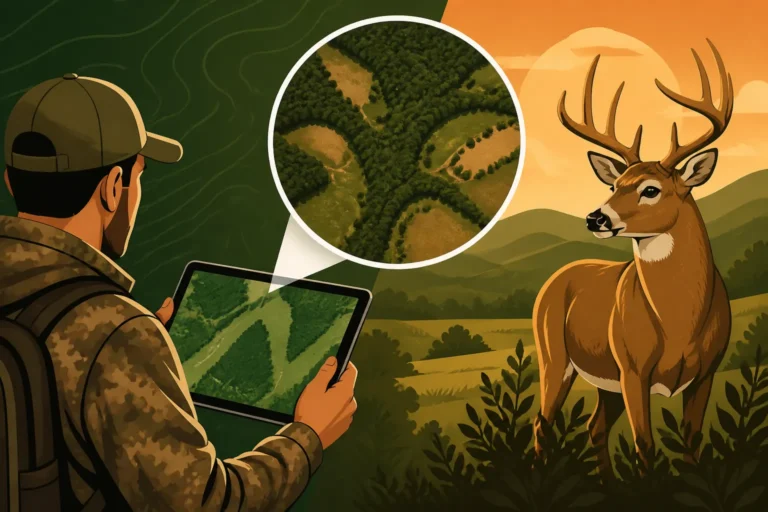
Beyond fire, observe the spacing of the trees themselves. A well-managed pine stand for quail will look relatively open, even in younger age classes. You should be able to see a good distance through the trees, and the ground should not be completely shaded. If the canopy is closed and you only see a carpet of pine needles with no undergrowth, keep moving. These types of stands are often too dense to hold a consistent covey of wild quail. This is where tools like GoHunt, with its satellite imagery and land management overlays, can become invaluable for scouting from afar, helping you identify potential spots before you ever step foot on the ground.
You'll also want to pay attention to edges. Quail, like many game species, thrive in areas where different habitats meet. A thinned pine stand bordering a hardwood bottom, an agricultural field, or even a different age class of pine can create productive transition zones. These edges often provide additional food sources, different types of cover, and natural travel corridors for coveys. Learning to "read" these visual cues will dramatically increase your chances of locating birds. For more on habitat restoration, check out our guide on How Managed Pine Restored Black Belt Quail.
Strategies for Hunting Wild Quail in Pine Plantations
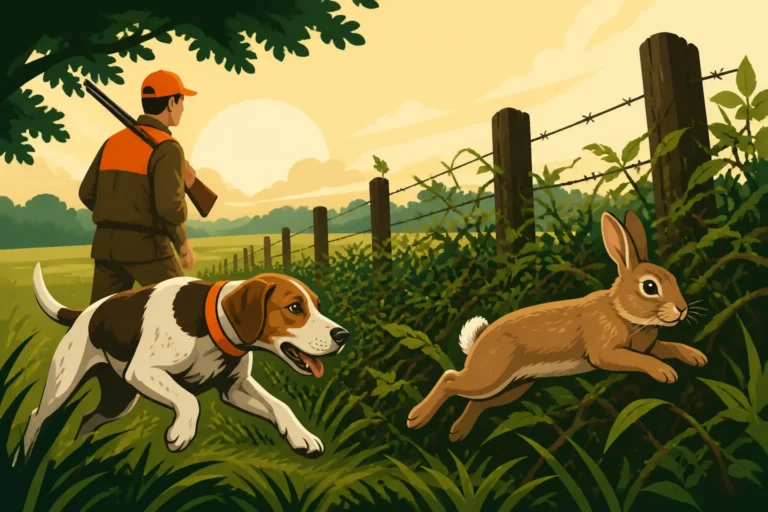
Once you've identified promising managed pine habitat, the real work begins: figuring out how to effectively hunt these unique areas. It’s a different game than walking old CRP fields or fencerows, requiring a keen eye for subtle details and a strategic approach to working your dogs and covering ground.
Reading the Habitat and Covey Locations
Wild quail are masters of camouflage and experts at utilizing every bit of available cover and food. In managed pine, this means constantly looking for the small details that might give away a covey's location. Start by focusing on areas with a high diversity of herbaceous growth. Look for patches of ragweed, partridge pea, native lespedeza, and various native grasses – these are prime food sources. Insects, another vital food source for quail, will also be abundant in these areas.
Dense escape cover is just as crucial. Even in an otherwise open pine stand, quail will gravitate towards clumps of briars, plum thickets, small brush piles left from thinning, or areas with slightly denser native shrubs. These spots offer refuge from predators and bad weather. Pay close attention to subtle depressions or low spots in the terrain, as these can retain moisture longer and support different vegetation, sometimes even providing a small seeping water source. Quail need water, even if they get most of it from dew and insects.
Consider the time of day and weather conditions. On cold, windy days, quail will often be found holding tight in the densest available cover to escape the elements. On warm, calm days, they might be more dispersed and actively feeding in more open areas. The wind direction is also important; quail often feed into the wind, so consider how you approach an area to maximize your dog's ability to scent birds. Unlike hunting deer where you might be looking for large tracks or rub lines, finding quail sign is often about reading the subtle nuances of the plant community and structure.
Working Your Dogs Effectively
Hunting wild quail in managed pine is truly a partnership with your bird dogs. These habitats demand a different kind of dog work compared to open fields. Your dogs need to be wide-ranging enough to cover the expansive areas of a pine plantation but also methodical and responsive to handling in potentially dense pockets of cover. This isn't a place for an overly independent dog that might disappear for long stretches.
Bell collars are an absolute must. The sound of a bell allows you to keep tabs on your dog's general location as they work through the pines, where visual contact can be difficult. The sudden silence of a bell often indicates a dog on point, sending a jolt of anticipation through every quail hunter. You'll need to call your dogs in frequently, especially in areas where you suspect birds, and work them systematically against the wind to maximize their scenting ability. It’s a dance between allowing them to range and reeling them in to cover specific spots. For more guidance on dog training, consider our insights on Working Pointing Dogs on Black Belt Quail.
Training your dogs to hold point in dense cover is paramount. Wild quail will often hold incredibly tight, even allowing a dog to get right on top of them before flushing. Your dog needs to be steady on point, giving you time to approach and get into a shooting position. Practice scenarios in similar cover types during the off-season to prepare them for the real thing. It's a true test of a dog's breeding, training, and nose.
Hunter Positioning and Shooting Lanes
When you’re walking through managed pines, don't think of it like an open dove field. The cover, while open enough for quail, still presents challenges for shooting. Hunters should walk abreast, maintaining a safe and consistent spacing. This allows you to cover a wider swath of ground and ensures that everyone has a clear shooting lane, or at least knows where their partners are at all times.
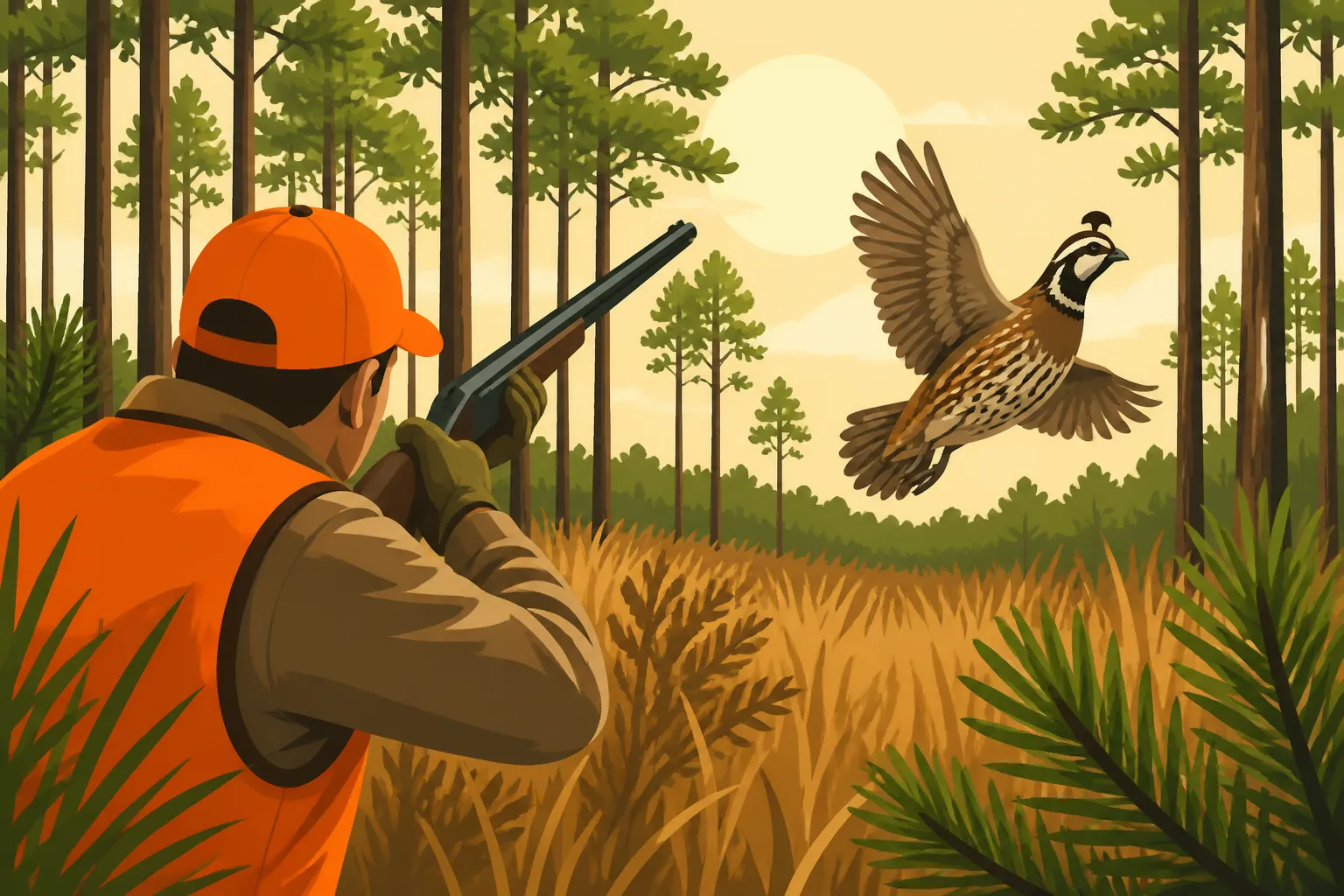
Be prepared for sudden, unpredictable flushes. Wild quail in pine stands don't always fly in a clean, open arc like they might over a cut field. They often rocket up through the branches, banking and weaving, making for challenging shots. This means you need to be ready to mount your gun quickly and swing through tight windows. Practice mounting your shotgun from a relaxed carry position, aiming at imaginary birds through sparse tree limbs.
Safety is, of course, the absolute priority. Always know where your hunting partners and dogs are located. Use blaze orange, not just for visibility to other hunters, but also so you can keep track of each other in the pines. It’s easy to get disoriented, and a good map or GPS app like GoHunt on your phone can be a lifesaver. There’s nothing more frustrating than a covey flush you can't shoot at because someone is in the line of fire, so communication and discipline are key.
Essential Gear and Conservation Mindset
Hunting wild quail in managed pine areas demands not only the right approach but also the right equipment. Furthermore, understanding the crucial role of conservation in maintaining these fragile populations is vital for the future of this classic pursuit.
Recommended Gear for Pine Quail Hunting
When it comes to shotguns, think quick-handling and open chokes. A lightweight 20-gauge or even a 28-gauge is often preferred over a heavy 12-gauge, simply because you'll be carrying it all day, often through briars and thickets, and you need to get it on target fast. Open chokes, like Skeet or Improved Cylinder, are your best friends. Wild quail flushes in the pines are almost always at close range, and a tight pattern from a Modified or Full choke will result in many missed birds or blown-up ones.
For ammunition, lighter loads with smaller shot sizes (7.5 or 8 shot) are ideal. Again, these are close-range shots, and you want a dense pattern of smaller pellets to cleanly harvest birds without excessive penetration. Carrying multiple boxes is smart; a good covey day can burn through shells quickly! Beyond the gun and ammo, dress appropriately. Briar-proof pants or chaps are non-negotiable. You'll be pushing through thorns and tangled undergrowth, and regular denim won't cut it. Sturdy, waterproof boots are also essential, as the ground can be uneven and damp. A comfortable bird vest with plenty of shell loops and a large game pouch will carry your quarry, extra shells, and any other essentials.
Don't forget the dog essentials: water, a portable bowl, and perhaps some dog boots if the ground is particularly rough. A canine first-aid kit is also a smart addition. For yourself, carry plenty of water, snacks, a compass or GPS (like the robust mapping features in GoHunt), and a small first-aid kit. It's better to be overprepared than caught short miles from your truck.
Supporting Wild Quail Conservation
For many, the decline of wild bobwhite quail has been a heartbreaking trend. Alabama, like many southern states, saw its quail populations plummet over the last half-century, primarily due to habitat loss and changes in land use. This is why hunting these managed pine areas isn't just about the thrill of the chase; it's about appreciating and supporting the conservation efforts that make it possible. You can learn more about this decline in our article on Alabama's Historic Quail Decline.
Hunters play a crucial role in conservation by purchasing licenses and stamps, which fund wildlife management agencies and habitat improvement projects. When you hunt a property where the pines are actively managed for quail, you're experiencing firsthand the benefits of these efforts. Supporting landowners who practice responsible timber and wildlife management, even through simply acknowledging their efforts, encourages more of it. Organizations like Quail Forever or the Alabama Wildlife Federation are tireless advocates for habitat restoration, working with private landowners and public agencies to create more places for bobwhites to thrive.
Furthermore, accurately reporting your harvest data, if required, provides valuable information to biologists who track population trends and make management decisions. Being ethical, adhering to bag limits, and respecting the resource ensures that future generations can also experience the magic of a wild covey rise. These efforts are particularly vital in counties like those in the Black Belt, which historically offered some of the Best Alabama Counties for Wild Quail.
Below is a table summarizing the stark differences between poorly and well-managed pine stands, and what that means for quail hunting potential.
| Feature / Aspect | Poorly Managed Pine Stand | Well-Managed Pine Stand (for Quail) |
|---|---|---|
| Canopy Density | Dense, closed canopy; minimal sunlight reaching ground. | Open, thinned canopy; ample sunlight for understory growth. |
| Understory Vegetation | Sparse pine straw, little to no herbaceous growth. | Diverse native grasses, forbs, legumes, scattered shrubs. |
| Prescribed Fire | Rare or never used. | Regular (1-3 year cycle) for habitat maintenance. |
| Food Sources | Very limited seeds, insects, and plant matter. | Abundant seeds (ragweed, partridge pea), insects, berries. |
| Cover Quality | Primarily dense pine saplings; poor escape cover. | Layered cover: herbaceous ground cover, thickets, open pine. |
| Quail Population | Unlikely to hold wild coveys consistently. | High potential for strong, consistent wild quail coveys. |
| Hunting Experience | Frustrating, difficult dog work, low success. | Rewarding, challenging, strong dog work, higher success. |
While hunting wild quail in managed pine can be incredibly rewarding, it’s not the only option. Some hunters prefer the more consistent experience of Hunting a Managed Quail Plantation where habitat is intensively managed and birds are often stocked. However, for those who cherish the challenge and the raw connection to wild birds, learning to navigate and hunt managed pine stands offers an unparalleled experience. It’s about appreciating the small victories, the explosive covey rise, and the incredible effort that goes into making such a hunt possible in Alabama today. Don't forget to review Alabama Small Game Season Rules before heading out.
Disclaimer
Hunting carries inherent risks, including but not limited to injury or death. Always prioritize safety, adhere to all local, state, and federal hunting regulations, and ensure you have the necessary licenses and permits. The information provided in this guide is for informational purposes only and should not be considered a substitute for professional instruction or direct engagement with regulatory bodies like the Alabama Department of Conservation and Natural Resources (ADCNR). Always confirm current regulations before heading afield.