Working Pointing Dogs on Black Belt Quail
For many of us who grew up hearing tales of Alabama's legendary wild quail hunting, the reality today can be a little disheartening. Finding those elusive coveys that hold tight for a pointing dog feels like searching for a needle in a haystack, especially in areas where habitat has dwindled. But don't despair, because with the right approach to working a good pointing dog, you can still experience the magic of flushing wild bobwhites in Alabama's iconic Black Belt. This guide is all about equipping you with the knowledge to make those moments happen, understanding the birds, your dogs, and the ground you hunt.
The Unique Challenge of Black Belt Quail and Their Habitat
Hunting wild bobwhite quail in Alabama's Black Belt isn't like shooting pigeons off a wire; it's an immersive, challenging, and deeply rewarding experience that hinges on understanding the birds and their environment. These aren't the pen-raised birds you might find on some preserves; these are truly wild creatures, born and bred in the thickets and longleaf pines, making them incredibly savvy and demanding of both hunter and dog.
Understanding Black Belt Quail Behavior
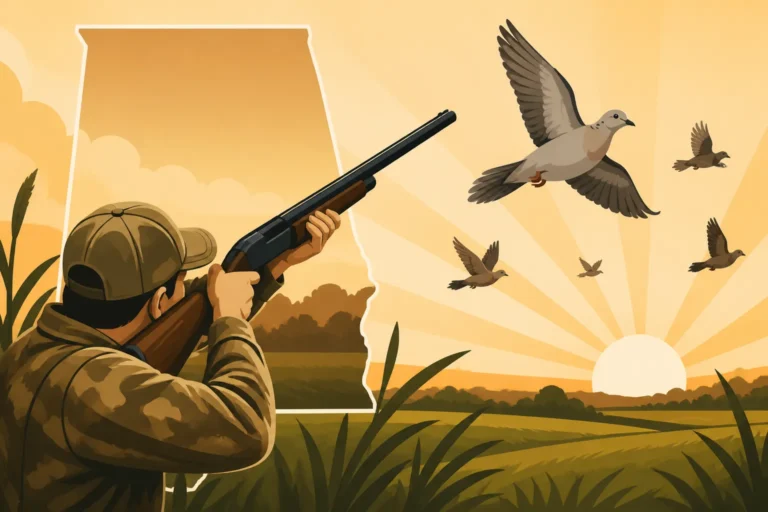
Wild Black Belt quail are masters of survival, and their behavior reflects a lifetime spent evading predators and adapting to their surroundings. Unlike their pen-raised cousins, which often stand their ground or flush haphazardly, wild birds are wired differently. When a pointing dog gets close, these quail are much more prone to run ahead of the dog, attempting to put distance between themselves and the perceived threat before flushing. This makes for a real cat-and-mouse game between the dog's nose and the bird's legs. Sometimes, they'll hold incredibly tight, especially in dense cover, relying on camouflage, which is where a staunch point truly shines. Their survival instincts are honed by everything from coyotes and bobcats to hawks and even feral hogs. The presence of such diverse predators means these birds are constantly on alert, making them quick to run or hunker down. This inherent wariness is why a well-trained pointing dog, with its keen sense of smell and quiet approach, is such an invaluable asset. They can pinpoint birds that a human hunter would walk right past, and their dedicated point allows the hunter to move into position for a shot.
Prime Black Belt Quail Habitat
The Black Belt region of Alabama, characterized by its dark, fertile soils, once supported vast expanses of ideal quail habitat. While much of that landscape has changed due to agricultural practices and development, pockets of prime habitat still exist, thanks largely to dedicated landowners and conservation efforts. What exactly constitutes "prime" quail habitat? Think open pine woodlands, especially those dominated by longleaf pine, with a diverse understory of native grasses and wildflowers. These areas provide the crucial elements quail need: nesting cover, escape cover, and abundant food sources like seeds, insects, and berries.
These habitats are often managed with prescribed fire, which is a game-changer for quail. Fire helps to reduce dense woody vegetation, stimulates the growth of beneficial native plants, and opens up the forest floor, making it easier for quail to move and forage. Without this type of management, the understory can become too thick and brushy, making it difficult for quail to thrive and virtually impossible for pointing dogs to work effectively. Many successful quail operations in the Black Belt are a testament to intensive habitat management, showcasing that where the habitat is, the birds will follow. These healthy ecosystems also support other wildlife, and you might even find yourself in an area that also holds good numbers of deer, perhaps even presenting opportunities for Hunting Black Belt Prairie Farmland Deer later in the season. Understanding these habitat features is critical for scouting; knowing what a covey wants will tell you where to focus your dog's efforts.
Choosing and Training Your Pointing Dog for Wild Quail
The success of your Black Belt quail hunt hinges significantly on the quality and training of your pointing dog. This isn't just about having a dog that can smell birds; it's about having a partner that understands the nuances of wild quail, works cooperatively, and has the stamina to cover ground in challenging conditions.
Ideal Breeds for Black Belt Quail
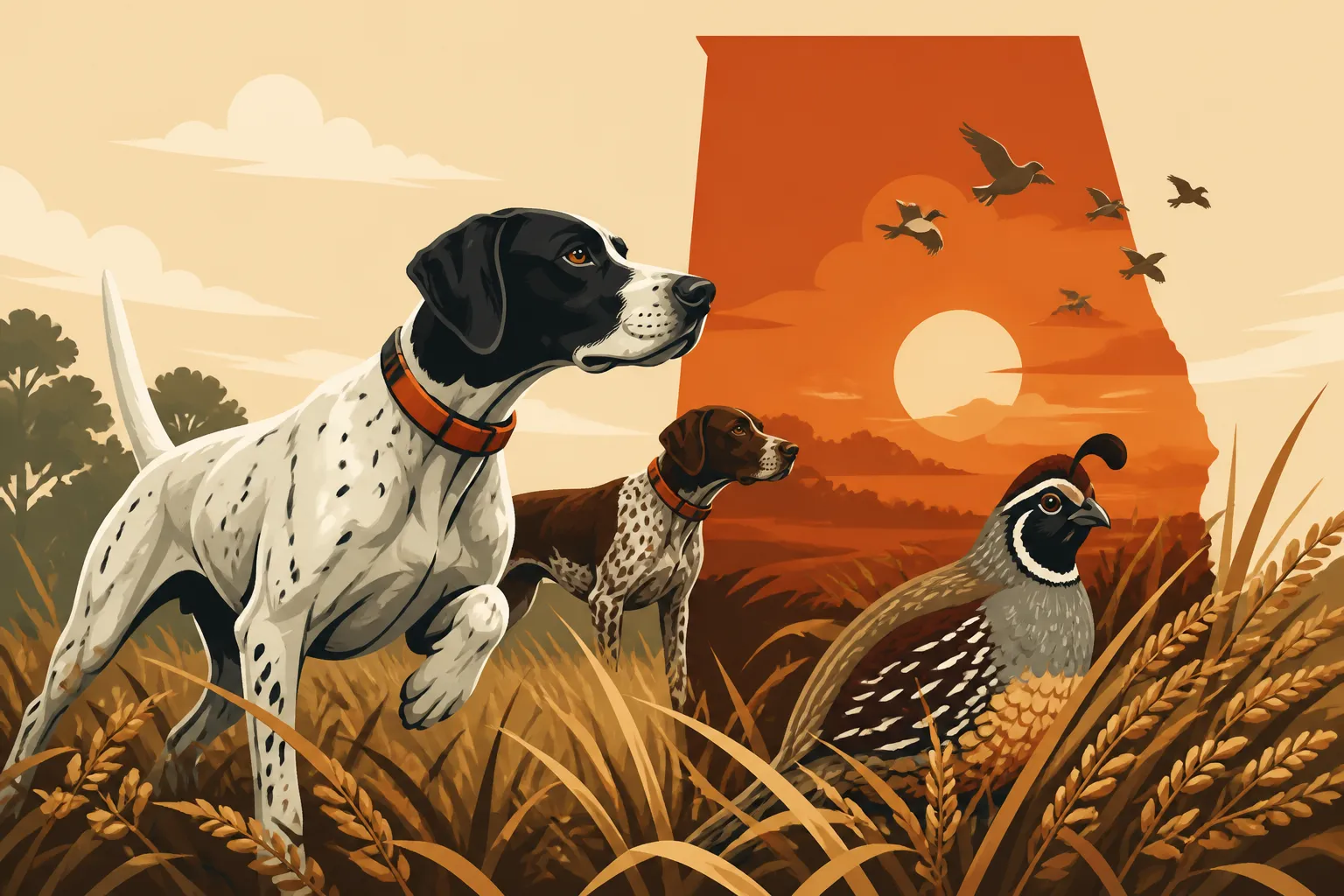
When it comes to pointing dogs for wild quail, some breeds consistently rise to the top, each bringing its own strengths to the field. The English Pointer is arguably the quintessential wild bird dog, renowned for its incredible drive, blistering speed, and often statuesque point. They cover ground with enthusiasm, making them excellent choices for large tracts of open cover. German Shorthaired Pointers (GSPs) are incredibly versatile, known for their strong prey drive, biddability, and ability to handle both upland birds and waterfowl. They tend to hunt a bit closer than a Pointer, which can be advantageous in tighter cover, and their shorter coat is generally easier to maintain in the field. Brittanys, while smaller, are absolute powerhouses, covering ground tirelessly and possessing a fantastic nose. They are often described as "big dogs in little packages" and make wonderful companions both in the field and at home. Other breeds like English Setters (with their flowing coats and elegant points), Vizslas, and Wirehaired Pointing Griffons also excel, each offering a unique blend of hunting style and temperament.
The best breed for you will depend on your personal hunting style, the type of cover you typically hunt, and the amount of dog you want to handle. When considering a pup, look for a reputable breeder who prioritizes good health, strong genetics, and proven hunting lines. The traits you're after include high energy, an innate bird drive, a naturally keen nose, and a trainable disposition. A dog that naturally points and shows intensity from a young age is a strong candidate, as these instincts are much harder to teach than obedience. Remember, you're looking for a partner for a decade or more, so choose wisely.
Essential Training for Wild Birds
Training a pointing dog for wild quail is a journey, not a destination, and it demands consistency, patience, and an understanding of canine behavior. The foundation begins with basic obedience: reliable recall ("come"), "whoa" (to stop and hold a position), and "hup" (to sit or lie down). These commands are not just for manners; they are critical safety tools in the field and allow you to control your dog around birds and other hunters. Once basic obedience is solid, you'll move to bird work. This is where the magic happens, introducing the dog to birds in a controlled environment to develop its point, flush, and retrieve instincts.
A crucial aspect of wild bird training is steadiness to wing and shot. This means the dog must remain "whoa'd" on point even after the bird flushes, and continue to hold its position even after the shot. This prevents the dog from chasing birds out of range or running in to retrieve before instructed, which can spoil a hunt and even be dangerous. Another vital skill, especially if you hunt with multiple dogs, is honoring another dog's point. This means one dog will back (honor) its brace mate's point by stopping and pointing in the same direction, respecting the other dog's find. This teamwork is beautiful to witness and incredibly effective. Field conditioning is also key; your dog needs the stamina to cover miles of often challenging terrain, so regular exercise is paramount. There are many excellent resources for training, from local clubs to online programs. Many hunters find tools like GPS e-collars invaluable for training and keeping track of their dogs in the field. Websites like GoHunt often feature articles or gear reviews related to dog training, offering insights and product recommendations that can help you along the way.
Field Strategies for Working Pointing Dogs in the Black Belt
Once you've got a well-trained dog, the real fun begins: putting those skills to use in the field. But even with the best dog, a successful wild quail hunt in the Black Belt requires strategy, observation, and adaptability.
Reading the Dog and the Terrain
A good pointing dog is constantly communicating with you, and learning to "read" your dog's body language is fundamental. When a dog is working bird scent, its head will often be high, sniffing the wind, and its tail might have a different, more intense action. A sudden change in pace, a deliberate turn, or an increasingly intense posture signals that birds are near. As your dog locks up on point, you'll see a distinct change: its body will stiffen, tail rigid, nose pointed directly at the birds. This is the moment of truth.
Always try to hunt into the wind. Quail scent travels downwind, allowing your dog to pick up the scent from a greater distance and pinpoint the covey more accurately. Hunting crosswind or downwind significantly hinders your dog's ability to locate birds efficiently. When your dog goes on point, observe its body language. Is it a "soft" point, indicating the birds might be moving, or a "hard" point, suggesting they're hunkered down? Your approach needs to be strategic. Walk in front of your dog, often slightly to the side where you expect the birds to flush, always ready to shoot. Pay attention to natural cover and contours—quail often use fencerows, creek bottoms, and the edges of thickets for travel and escape. Knowing these tendencies will help you anticipate flushes and position yourself for the shot. Remember, every piece of cover provides a clue; a good resource like GoHunt's mapping tools can help you identify these features before you even step foot in the woods.
Handling Covey Flushes and Singles
The moment a covey flushes is exhilarating, chaotic, and often over in a flash. When the birds explode from cover, your primary goal is to identify a target bird, get a clean shot, and then mark where the rest of the covey scattered. This is where your dog's steadiness to wing and shot truly pays off. A steady dog will hold its point through the flush and shot, preventing it from busting more birds or interfering with your shot. If you're hunting with multiple dogs, it's even more critical that they honor each other's points and remain steady.
After the initial covey rise, the hunt shifts focus to working the scattered singles. Wild quail often scatter to dense, isolated cover, and these singles can be even harder to find than the original covey. Mark the fall of any downed birds meticulously; this is where a reliable retriever comes into play. If your dog isn't a natural retriever, or isn't well-trained in it, you'll spend precious time looking for birds, which can lead to lost game. Teach your dog to "fetch" on command, and ensure it delivers birds to hand. When working singles, slow down. Birds that have been flushed once tend to hold much tighter. Your dog will need to work these areas methodically, often with a shorter range. Be prepared for a closer flush, and approach each point carefully. This meticulous work is often the most rewarding part of the hunt, demonstrating the true partnership between hunter and dog. For strategies specific to the initial burst, you might find it helpful to review tactics for Working a Black Belt Quail Covey Rise.
Optimizing Your Hunt: Timing, Weather, and Gear
Successful quail hunting in the Black Belt is about more than just a good dog and sound strategy; it also involves knowing when and how to hunt, considering the conditions, and having the right equipment.
Best Times to Hunt Black Belt Quail
Timing your hunt correctly can significantly impact your success rate. Generally, the best times to hunt Black Belt quail are during the early morning hours (from first light until about 10 or 11 AM) and again in the late afternoon (from about 3 PM until dusk). During these periods, quail are most active, moving from roosting cover to feeding areas, making them more accessible to pointing dogs. Mid-day, especially on warmer days, birds tend to hunker down in dense cover to loaf, making them harder to find.
Weather plays a huge role. Cool, crisp mornings with light winds are often ideal. The scenting conditions are usually excellent, allowing your dog's nose to work most effectively. After a rain, particularly if it's been dry, scenting can be phenomenal as the moisture helps to "hold" the bird scent closer to the ground. Conversely, very hot, dry, or windy days can make it extremely challenging for dogs to pick up scent, leading to fewer points and more frustration. Consider the season too. Early in the season, coveys might be larger and less wary, offering great opportunities. As the season progresses, birds become more educated due to hunting pressure, requiring a more subtle approach. Alabama's quail season structure often overlaps with other small game opportunities, but always check the current Alabama Small Game Season Rules to ensure you're hunting legally. For broader insights into targeting these birds, our guide on Quail Hunting Alabama's Black Belt offers excellent context.
Essential Gear for Hunter and Dog
Having the right gear isn't just about comfort; it's about safety and efficiency in the field. For the hunter, a lightweight, fast-swinging shotgun in 12, 20, or even 28 gauge is ideal for quick-flushing quail. A good hunting vest or pack with plenty of room for shells, water, a first-aid kit, and harvested birds is essential. Comfortable, waterproof boots are non-negotiable for covering miles of sometimes damp or rough terrain. Eye protection and ear protection should also be standard. A compass or GPS device (like the mapping features on the GoHunt app) can be invaluable for navigating unfamiliar territory, especially if you venture into public lands or larger private tracts.
For your canine partner, several pieces of gear are critical. A reliable GPS collar is a must-have, allowing you to track your dog's location, monitor its activity, and even retrieve it if it gets out of range or lost. Brands like Garmin are popular among serious bird hunters for their robust and accurate systems. Many collars also include e-collar functions, which, when used correctly, are powerful training and communication tools in the field. A dog bell is also useful, especially in thicker cover, to help you keep track of your dog's general whereabouts. Always carry plenty of water for your dog, especially on warmer days, and offer it frequently. A small dog first-aid kit, containing items like antiseptic wipes, paw balm, and wraps, can address minor injuries in the field. GoHunt's gear reviews often cover the latest and most effective products for both hunters and their dogs, helping you make informed decisions on purchases. Remember, these tools are investments in your hunting experience and your dog's well-being.
Ethical Considerations and Conservation
As hunters, we are stewards of the land and its wildlife. Ethical behavior and a commitment to conservation are not just good practices; they are foundational to the future of quail hunting in Alabama's Black Belt.
Respecting the Resource and Landowners
Operating ethically in the field means understanding and adhering to all hunting regulations. Always be aware of the daily bag limits and season dates for quail. The goal is to harvest birds responsibly, ensuring a healthy breeding population remains. It's generally a good practice to leave some birds in each covey, as this allows the remaining birds to regroup and continue their breeding cycle. Another crucial ethical responsibility is to retrieve every downed bird. Not only is this respectful to the animal, but it's also a fundamental part of being a responsible hunter. A well-trained retrieving dog is invaluable in this regard.
Furthermore, respecting landowners and their property is paramount. Most wild quail hunting in Alabama takes place on private land, and access is a privilege, not a right. Always secure explicit permission before hunting, and follow any specific rules or requests the landowner might have. Leave gates as you found them, pick up your spent shells, and avoid causing any damage to fences or crops. Building and maintaining a positive relationship with landowners is key to ensuring continued access to prime hunting grounds. The tradition of Alabama Deer Camp Traditions often extends to quail, fostering a community built on respect for each other and the land.
Supporting Quail Habitat and Conservation
The decline of wild bobwhite quail across the Southeast, including parts of Alabama, is well-documented. Alabama's Historic Quail Decline can be largely attributed to habitat loss and degradation, making conservation efforts more critical than ever. As hunters, we have a vital role to play in supporting these efforts. The most impactful way to conserve quail is through habitat management. This includes practices like prescribed burning, which rejuvenates native plant communities, and planting native grasses and legumes that provide both food and cover. Many successful quail operations in the Black Belt have implemented these management strategies, proving that with dedicated effort, quail populations can rebound. Our insights on How Managed Pine Restored Black Belt Quail dive deeper into these successful initiatives.
Financial contributions to conservation organizations like Quail Forever, the National Bobwhite Conservation Initiative, or local land trusts are another important way to support quail. These organizations work tirelessly to fund research, implement habitat projects, and advocate for policies that benefit quail and other wildlife. When you purchase your hunting license and any federal or state duck stamps, you're directly contributing to conservation funding through the American System of Conservation Funding, which supports wildlife management and habitat restoration across the state. Even sharing your hunting experiences responsibly and educating others about the importance of habitat can contribute to a broader conservation ethic. Tools and resources found on platforms like GoHunt can often connect you with regional conservation initiatives or provide information on how to participate in local projects.
Comparing Pointing Dog Breeds for Quail
Choosing the right pointing dog breed is a personal decision, but understanding the typical characteristics of popular breeds can certainly help. Here's a brief comparison of some top contenders for quail hunting in Alabama's Black Belt:
| Breed | Key Traits | Hunting Style | Pros | Cons |
|---|---|---|---|---|
| English Pointer | High drive, speed, intense point, birdy | Wide-ranging, covers lots of ground quickly | Excellent nose, incredible stamina, classic "picture point" | Can be too wide-ranging for small properties, requires significant exercise |
| German Shorthaired | Versatile, biddable, strong retrieve, tough | Medium-ranging, thorough, good in varied cover | Adaptable, good family dog, handles heat well, strong retriever | Can be prone to skin issues, requires consistent training to refine range |
| Brittany | Energetic, intelligent, keen nose, smaller | Closer working, meticulous in thick cover | Excellent nose, compact size, great family companion, tireless | Can be stubborn, requires mental stimulation, coat needs regular grooming |
| English Setter | Elegant, stylish, good nose, bird-finding | Medium to wide-ranging, graceful, methodical | Beautiful point, gentle nature, covers ground gracefully | Long coat requires significant grooming, can be sensitive to harsh conditions |
| Vizsla | Affectionate, athletic, soft mouth, intelligent | Medium-ranging, good retrieve, strong bond | Excellent with family, good stamina, minimal grooming, very biddable | Can be "needy," sensitive to cold, prone to separation anxiety |
This table provides a snapshot, but remember that individual dogs within a breed can vary greatly. Spend time with different breeds, talk to breeders and other hunters, and consider your lifestyle before making a commitment.
Disclaimer
Hunting is an inherently risky activity. Always prioritize safety, follow all local, state, and federal regulations, and practice ethical hunting principles. This guide provides general information and recommendations; individual results may vary. Consult with experienced local guides, landowners, and wildlife agencies for the most current and specific advice for your hunting situation.