When Self-Guided Public Land Makes More Sense
The lure of an Alabama hunting trip often conjures images of rustic lodges, experienced guides, and guaranteed success. But for many of us, that's not always the dream, or frankly, not always the reality our wallets can accommodate. The truth is, sometimes, paying for a fully outfitted hunt just doesn't align with what you're looking for, whether it's the cost, the challenge, or simply the desire to do it all yourself. This guide is here to walk you through the scenarios where striking out on your own on Alabama's vast public lands makes not just good sense, but offers an incredibly rewarding experience.
Understanding Your Hunting Goals and Budget Realities
Let's be honest, we all have a hunting fantasy in our heads. For some, it's that five-star lodge experience. For others, it's the raw, self-sufficient adventure. Deciding between a guided hunt and a self-guided trip on public land often boils down to a few key factors: your personal aspirations, your budget, and how much "work" you're willing to put in.
The Appeal of DIY Freedom and Challenge
There's a deep, primal satisfaction that comes from earning your hunt. When you spend countless hours pouring over maps, scouting remote ridges, deciphering fresh tracks, and ultimately tagging an animal all on your own terms, that feeling is truly unmatched. It's not just about the harvest; it's about the entire journey of problem-solving, resilience, and intimate connection with the land. A self-guided hunt forces you to become a better hunter, plain and simple. You learn to trust your instincts, read the subtle nuances of the woods, and adapt when things inevitably go sideways. It transforms a hunt from a transaction into a personal odyssey. For many, that's the real trophy. You're not just a passenger; you're the captain of your own adventure, finding that elusive bed in places like Where Bankhead Forest Bucks Bed after days of diligent searching.
When Cost is a Primary Concern
Let's talk brass tacks: guided hunts, while offering convenience and expertise, come with a hefty price tag. We're talking hundreds, sometimes thousands of dollars, just for a few days afield, not including your travel, license, and gear. For many working folks and families, that's simply out of reach. Public land hunting dramatically levels the playing field. Your primary expenses become your Alabama hunting license, perhaps a WMA permit, and gas for your truck. Most of us already own our hunting rifles, bows, and basic camping gear. When you weigh the financial impact, opting for a self-guided public land hunt often frees up funds for better equipment, more hunting trips throughout the year, or even just filling the freezer. Websites like GoHunt can be a fantastic resource, offering detailed mapping tools and public land information that helps you plan without having to pay a guide.
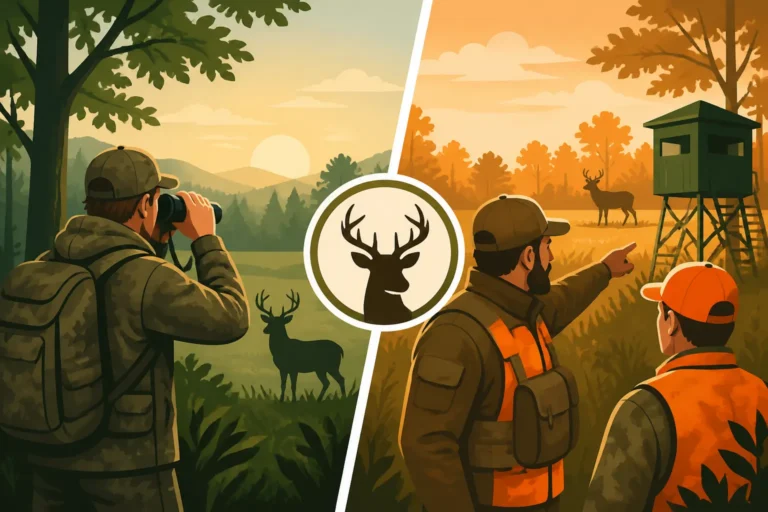
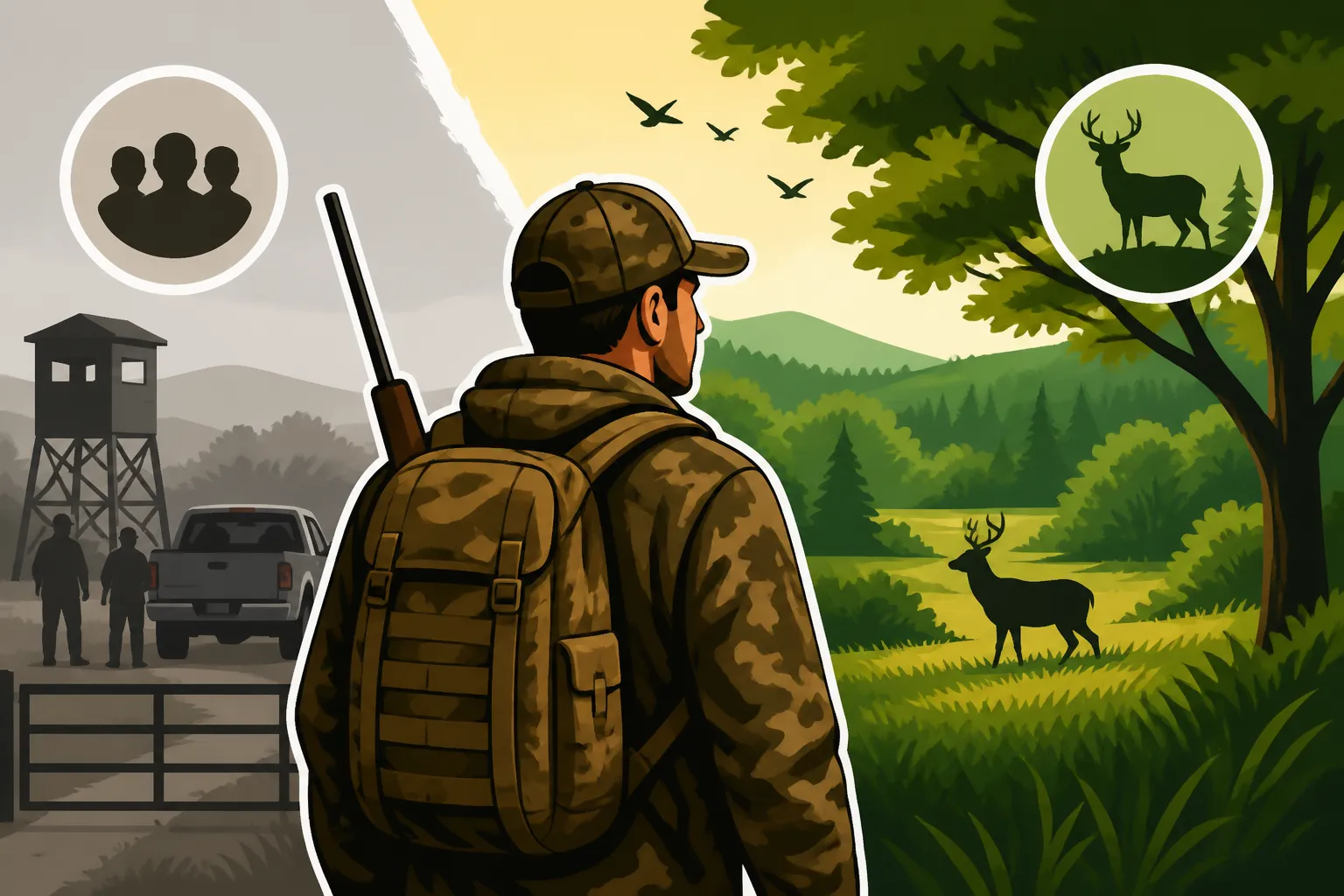
Here's a quick comparison to illustrate the general differences in cost and experience:
| Feature | Self-Guided Public Land Hunt | Guided Private Land Hunt |
|---|---|---|
| Cost | Minimal (license, gas, existing gear) | Significant (daily rates, package deals, tips) |
| Planning Effort | High (scouting, mapping, logistics, regulations) | Low (outfitter handles most details) |
| Flexibility | High (can change plans, move locations easily) | Moderate (tied to guide's schedule and property) |
| Learning Curve | High (develops self-reliance, woodsmanship) | Moderate (can learn from guide, but less DIY skill) |
| Solitude | High (can find remote spots, less human interaction) | Moderate (may hunt with other clients or guides) |
| "Trophy" Value | Often based on personal effort and challenge | Often based on antler size or species rarity |
| Success Rates | Variable (depends on hunter skill, effort, luck) | Generally higher (access to managed land, guide expertise) |
| Accommodation | Camping, inexpensive lodging, home | Lodge, cabin, bunkhouse (often included in price) |
| Food | Self-provided | Often provided (cooks, lodge meals) |
Desire for a More Authentic, Immersive Experience
There's a raw, unfiltered beauty to stepping onto vast public land, knowing that every success, every failure, is entirely your own. It's about being fully present in the moment, feeling the crisp morning air, hearing the subtle sounds of the forest, and engaging all your senses. This isn't just about bagging an animal; it's about reconnecting with nature on a fundamental level. For many, a guided hunt, while often very successful, can sometimes feel a bit like a transaction, removing some of that wildness and personal connection. With a self-guided trip, you become intimately familiar with the terrain, the local flora and fauna, and the rhythms of the ecosystem. It's the kind of experience where you might spend days Scouting Alabama Public Land Before Season, uncovering hidden travel corridors and bedding areas, creating memories far beyond just pulling a trigger.
Public Land Opportunities Across Alabama
Alabama is truly blessed with an abundance of public land, offering incredible opportunities for self-guided hunters. It might take a little more legwork and research, but the rewards are well worth it.
The Vastness of National Forests and WMAs
From the northern reaches of the state to the southern pines, Alabama boasts millions of acres of public ground. Our National Forests, like Talladega National Forest Hunting, William B. Bankhead National Forest Hunting, and Conecuh National Forest, provide expansive, largely undeveloped tracts where a hunter can truly get lost in the woods – in the best possible way. These areas often have less intense pressure than some of the more accessible Wildlife Management Areas (WMAs), especially if you're willing to walk a little deeper.
WMAs, on the other hand, are often intensely managed for specific game species and habitat, offering fantastic hunting, though they can sometimes see higher hunter densities. Each WMA has its own unique set of regulations, season dates, and sometimes even quota hunt requirements, so it's absolutely crucial to do your homework well in advance. Whether it's the rolling hills of the Talladega National Forest or the river bottoms within various WMAs, these public lands provide diverse hunting environments for deer, turkey, hogs, and small game. While websites like BookYourHunt focus on guided experiences, they can sometimes indirectly inform you about popular hunting regions where you might consider self-guided public land as an alternative to an expensive outfitter in that same general area.
Learning to Read the Land and Adapt
Self-guided public land hunting demands a keen eye and a willing spirit to learn. You're the scout, the tracker, and the strategist all rolled into one. This means understanding how deer use terrain, identifying food sources, and recognizing subtle signs of game presence. Are they hitting acorns on a specific ridge? Is there a fresh scrape line along a creek bottom? What's the best approach to that bedding area given the wind direction?
Learning to read aerial maps and topographical maps is non-negotiable. Knowing how to interpret a Reading a Ridge for North Alabama Deer or how to find a pinch point where deer funnel through, like a Hunting a Funnel Between Two Creek Bottoms, will be your greatest assets. You'll also become intimately familiar with how Wind and Thermals on a Piedmont Ridge affect deer movement and your scent dispersion. This process, while challenging, is incredibly empowering. It's how true woodsmanship is built, developing a deep understanding of the environment and the animals that call it home.
Overcoming Public Land Challenges
Let's not sugarcoat it: public land hunting can be tough. You're often dealing with more hunting pressure than on private, managed ground, and the deer might be warier. This is where your ability to adapt and strategize truly comes into play. Instead of viewing pressure as a deterrent, think of it as a factor to exploit. Other hunters can push deer to you, or they might abandon areas, leaving prime real estate for those willing to go the extra mile.
Consider hunting during weekdays, when crowds are typically thinner. Target areas that are difficult to access, requiring a long hike, a paddle in a canoe, or crossing tricky terrain. Most hunters won't venture far from the road, so the deeper you go, the more solitude you'll find, and often, less pressured game. Learning how to identify Finding Ground Others Walk Past is a key skill. While Hunting Pressure on Alabama Public Land is a reality, it doesn't mean success is impossible; it just means you need to hunt smarter, not harder.
Practicalities of Self-Guided Hunting
So, you're committed to the self-guided route. Fantastic! Now let's talk about the practical steps to make your hunt safe, legal, and successful.
Essential Gear and Preparation
A successful self-guided hunt starts long before you ever step foot in the woods. Your gear list will be more comprehensive than if you were relying on an outfitter. Beyond your weapon of choice, consider these essentials:
- Mapping & Navigation: A GPS unit or a reliable smartphone app with downloaded maps (like the Outdoor Alabama app or GoHunt's mapping features) is crucial. Don't rely solely on cell service.
- Optics: Binoculars are vital for spotting game and surveying terrain.
- Layered Clothing: Alabama weather can be unpredictable. Be ready for anything from a warm drizzle to a cold snap.
- Scent Control: While debated, it can't hurt, especially on pressured public land.
- Game Retrieval: A good deer cart, game bag, and field dressing kit are indispensable.
- First Aid Kit: Always, always carry one, and know how to use it.
- Shelter/Blind: Whether it's a lightweight tent for an overnight trip or a portable ground blind, be prepared.
- Tree Stands/Climbing Sticks: If you plan to hunt from a height, ensure your equipment is safe and you know the regulations for leaving stands on public land. Using a Ground Blind on Alabama Public Land offers flexibility, while Hanging a Stand on a Talladega Ridge requires more commitment but can provide excellent vantage points.
Physical preparation is also key. Public land often means covering significant ground, sometimes in challenging terrain. Start hiking and getting in shape well before the season opens.
Understanding Alabama Regulations
Ignorance of the law is never an excuse. Before you even think about stepping into the woods, you must understand Alabama's hunting regulations. This includes:
- Licensing: Familiarize yourself with Alabama Hunting Licenses and What They Cost, including any specific permits for WMAs or federal lands.
- Season Dates & Zones: Alabama operates on a zone system for deer and turkey. Know Alabama Deer Season Structure Explained for your specific hunting area.
- Bag Limits: Understand the state's limits, such as Alabama's Three-Buck Season Limit and any antlerless restrictions.
- Reporting: All harvested deer and turkeys must be reported through Alabama's Game Check system.
- CWD Zone: If you're hunting near the Alabama's Chronic Wasting Disease Management Zone, be aware of specific regulations regarding carcass movement and mandatory testing weekends.
The "Outdoor Alabama" website is your best friend for up-to-date regulations. Read it thoroughly, and don't hesitate to call your local wildlife office if you have questions.
Planning Your Hunt Strategy
This is where the real fun begins! Your strategy will vary depending on your target species, the time of year, and the specific piece of public land.
- Scout, Scout, Scout: Use aerial maps to identify potential bedding areas, food sources, and travel corridors. Look for water sources, old logging roads, and changes in topography. If possible, put boots on the ground long before the season opens.
- Focus on Food Sources: Deer and other game are driven by food. In early season, think about soft mast like persimmons or hard mast like acorns. In late season, look for Late-Season Food Sources for Alabama Whitetails like green browse or agricultural fields adjacent to public land.
- Consider Time of Year: The rut, late season cold fronts, or the peak of Hunting Into the Late February Either-Sex Window will all require different tactics.
- Entry and Exit: Plan how you'll get to your stand or blind without alerting game. Approach from downwind, move slowly, and consider using terrain to your advantage.
- Backup Plans: What if your primary spot is occupied by another hunter? What if the wind shifts? Always have a Plan B (and C!).
The satisfaction of devising a strategy, executing it, and having it pay off on your own terms is an unparalleled experience in the hunting world.
When a Guide Might Still Be the Right Choice
While self-guided public land hunting offers immense rewards, it's not always the best option for everyone, every time. There are definitely situations where booking an outfitter or guide makes perfect sense.
Specialized Hunts and Limited Time
Sometimes, you have a very specific hunting goal or a very limited window of opportunity. Perhaps you're traveling from out of state and only have a few days to hunt, or you're after a particular species that requires specialized knowledge or access. For example, if you're dreaming of a classic Booking a Black Belt Quail Plantation Hunt, an experienced outfitter with access to prime, managed habitat and well-trained dogs will dramatically increase your chances of success and provide a specific type of experience you might not easily replicate on public land. Guides often have years of experience on specific tracts of land, knowing exactly where the game is and how to hunt it efficiently. This can be invaluable if your vacation time is precious and you want to maximize your chances of a successful harvest.
Learning New Skills and Techniques
Think of a guided hunt as an intensive seminar. For new hunters, or those looking to expand their skillset, spending a few days with an experienced guide can be an incredible learning experience. They can teach you everything from advanced calling techniques for turkeys to how to read subtle deer sign, field dress an animal efficiently, or even how to set up a treestand safely. It's hands-on mentorship without the long-term commitment of joining a hunting club. You might not want to rely on a guide for every hunt, but one or two guided trips can accelerate your learning curve significantly, giving you the confidence and knowledge to tackle self-guided adventures more effectively in the future.
Maximizing Comfort and Logistics
Let's face it, hunting can be hard work. Not everyone wants to rough it in a tent, cook their own meals, or deal with all the logistics of a hunt. Guided hunts often include comfortable lodging, delicious meals, transportation in the field, and all the behind-the-scenes work handled for you. For hunters who prioritize comfort, convenience, or simply want a worry-free experience, an outfitted trip is a fantastic choice. It allows you to focus solely on the hunting itself, without the added stress of camp chores, cooking, or navigating unfamiliar territory. If your idea of a perfect hunting trip includes hot meals, a warm bed, and someone else dragging your deer out of the creek bottom, then an outfitter is definitely worth considering.
Disclaimer
This article is for general informational purposes only and does not constitute professional advice. Laws, prices and regulations vary by location and change over time. Consult a qualified professional for guidance on your specific situation.