Shipping Game Meat Home After an Alabama Hunt
You've spent days, maybe even weeks, Scouting Alabama Public Land Before Season and hunting, pouring your heart and soul into a successful Alabama deer or turkey hunt. You finally connect with that trophy buck or gobbler, the freezer is about to get a whole lot fuller, and then it hits you: how are you actually going to get all this delicious game meat home, especially if "home" is hundreds, or even thousands, of miles away? The last thing you want is for your hard-earned venison or turkey to spoil, or to run into unexpected roadblocks at the airport or on the highway. This guide is here to walk you through every step of shipping your game meat safely and effectively from Alabama to your dinner table.
The Challenge of Getting Your Hard-Earned Venison Home
Bringing home wild game after a successful hunt is one of the most rewarding parts of the experience, but it’s also where many hunters, especially those traveling from out-of-state, hit a wall. You’re often tired, excited, and already thinking about the next hunt, so the logistics of meat transport can feel like a daunting afterthought. Yet, a little planning goes a long way in ensuring your harvest doesn't go to waste.
Why Just Throwing It in a Cooler Isn't Always Enough
We've all seen it: a hunter, beaming with pride, loads a quartered deer into a standard cooler with some ice, thinking they're good to go for a 10-hour drive. While this might work for a quick trip down the road, it’s a recipe for disaster on longer hauls or if you're facing airline restrictions. Regular ice melts, water sloshes around, and that precious meat sits in a lukewarm bath, accelerating spoilage. Imagine the heartache of arriving home only to find your hard-won venison has gone bad – it’s not just a financial loss, but a deep emotional one. You put in the time, effort, and expense, and to lose that final reward is truly frustrating. Plus, on an Alabama hunting trip, especially in the warmer early or late seasons, maintaining consistent cold temperatures is a constant battle. The humidity alone can make ice melt faster than you anticipate, turning your ice chest into a cooler-soup of diluted deer blood and water.
Understanding Transportation Regulations
Beyond just keeping things cold, you need to navigate a maze of regulations. First, there are state-specific rules. For instance, if you're hunting in Alabama's CWD Management Zone, there are strict guidelines on what parts of a deer carcass can leave the zone. You can’t just pack up an entire deer head with spinal column and drive it across state lines if you’re coming from certain areas. Then, if flying, airlines have their own set of rules regarding perishable goods, weight limits, and the use of dry ice. Ignoring these can lead to your cooler being rejected at the counter, or worse, confiscated. It's not just about what you can do, but what you're allowed to do, and these details can vary significantly. Trying to figure all this out on the fly at a regional airport near a hunting camp is precisely the kind of stress you don't need after a successful, but exhausting, hunt.
Preparing Your Game Meat for the Journey
The journey of your game meat home truly begins the moment the animal is on the ground. Proper initial care is non-negotiable for preserving quality and ensuring it makes it to your freezer without issue. Think of it as investing in the flavor and safety of your future meals.
Field Dressing and Cooling: The First Critical Steps
Immediately after the harvest, proper field dressing is paramount. This isn't just about removing the guts; it's about rapidly cooling the carcass. The Alabama heat, even outside of summer, can be unforgiving. Bacteria thrive in warm conditions, so getting that internal heat out of the animal's body cavity as quickly as possible is essential. After field dressing, if possible, hang the animal or elevate it to allow air circulation. Many hunters will even pack the body cavity with ice if they can get it quickly, especially if the weather is warm and they know it will be some time before the animal can be brought to a processor or cooler. Cleanliness during this stage is also crucial; use clean knives and avoid contaminating the meat with dirt or gut contents. A quick rinse of the cavity (if it can be thoroughly dried afterward) can help, but simply getting the heat out is the main goal. This diligent initial effort significantly reduces the chances of spoilage and preserves the quality of the meat.
Professional Processing Versus DIY Butchering
Once your animal is field dressed and cooled, you have a choice: take it to a professional processor or handle the butchering yourself. For many traveling hunters, a professional processor is an absolute godsend. These folks are experts; they can skin, quarter, de-bone, cut, grind, package, and often vacuum-seal and freeze your meat solid. This eliminates a huge amount of work and ensures your meat is prepared optimally for transport. Most processors are also well-versed in CWD regulations and can advise on legal transport if you're heading out of state. However, professional processing comes with a cost, and during peak season, turnaround times can sometimes be a few days, so plan accordingly.
On the other hand, if you’re a seasoned butcher or prefer to handle your own meat, DIY butchering gives you complete control over cuts and processing. This can be more economical, but it demands time, proper equipment (sharp knives, a clean workspace, a grinder if you want burger), and the knowledge to do it correctly and safely. If you go this route, you’ll still need to ensure your de-boned meat is thoroughly chilled and then frozen solid before transport. For traveling, the biggest hurdle with DIY is often having access to the necessary facilities and equipment at your hunting camp or temporary lodging, which can be challenging to say the least.
Packaging Your Meat for Safe Travel
Once your meat is processed, the real packing challenge begins. Proper packaging is the barrier between your delicious future meals and the unfortunate reality of spoilage, leaks, or outright rejection by carriers. It's about creating a miniature Arctic environment that can withstand the rigors of travel.
The Art of Freezing Solid
This cannot be stressed enough: your game meat needs to be frozen solid. Not just cold, not just firm, but frozen through to its core, like a brick. This is especially true if you plan to fly or ship via courier. Meat that is only partially frozen will thaw much faster, dramatically increasing the risk of spoilage. For larger cuts or vacuum-sealed packages, it can take 24-48 hours, or even longer, in a deep freezer to reach this rock-solid state. Don't rush this step! The frozen meat itself acts as a coolant, helping to keep everything else in the package cold. Many hunters will drop off their meat at a local processor in Alabama who can then properly cut, vacuum seal, and freeze the meat for a couple of days before the hunter picks it up for their journey home. This is often the most reliable way to ensure maximum freezing. The vacuum sealing itself is also a critical part of this "art," as it removes air, preventing freezer burn and further extending the meat's shelf life during its journey. It’s like creating a protective barrier around each precious cut.
Choosing the Right Cooler or Shipping Container
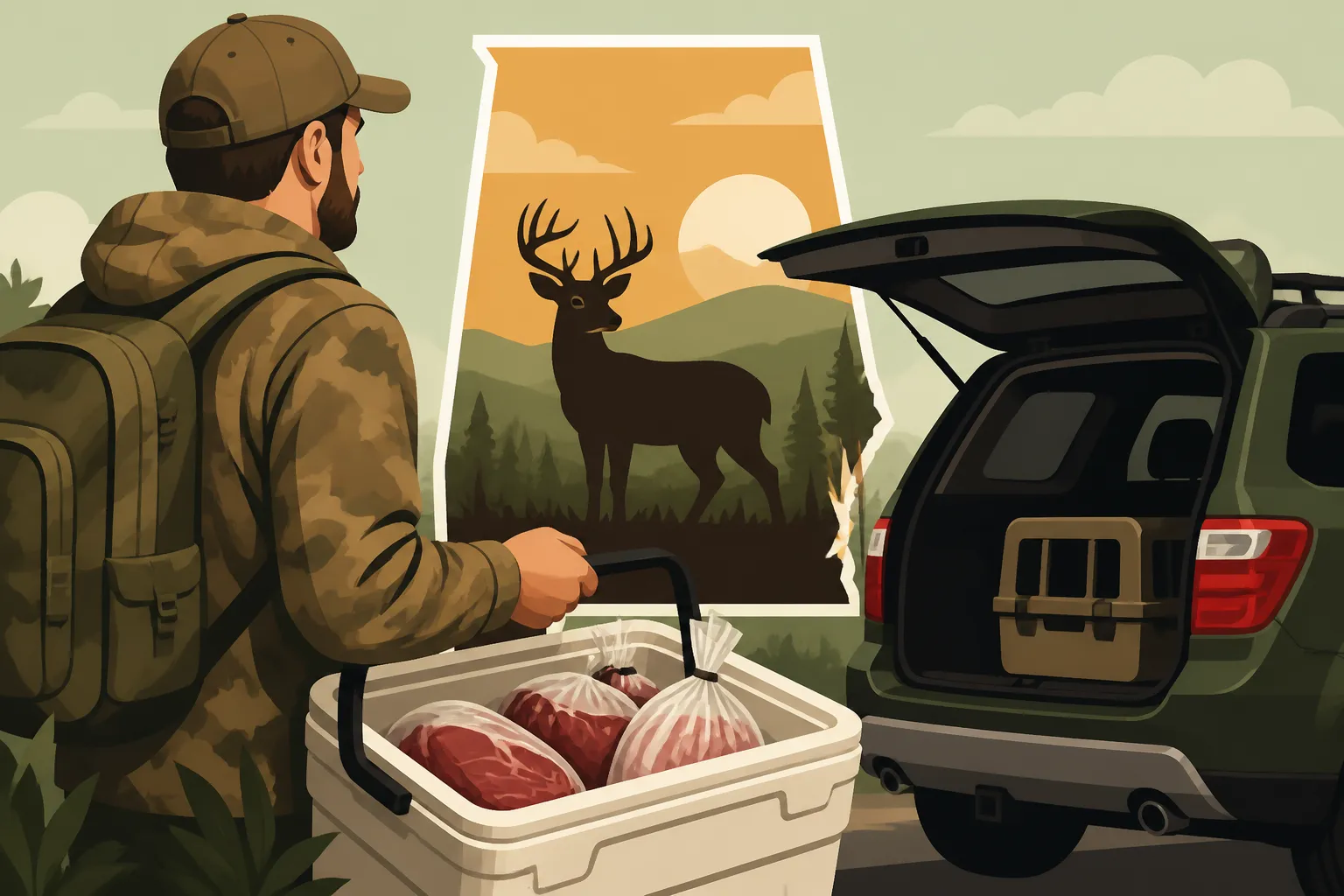
The type of container you use is crucial. For driving, a high-quality, rotomolded cooler (like those from Yeti, RTIC, or similar brands) is often the best choice. These coolers offer superior insulation and can hold ice or dry ice for days. Pack your frozen meat tightly inside, leaving as little air space as possible. Consider layering insulation within the cooler, such as newspaper or cardboard, especially around the dry ice.
If you’re flying or using a professional shipping service, you’ll need containers approved for such transport. Most airlines require a sturdy, leak-proof container. Many hunters opt for specialized insulated shipping boxes made of thick styrofoam, often placed inside a cardboard outer box. When using dry ice, remember that it needs ventilation (it's sublimating CO2, after all), so don't completely airtight seal a container with dry ice inside. A small hole or loosely taped seam is usually sufficient to prevent pressure buildup. Always check with your specific airline or shipping carrier for their exact requirements regarding coolers, dry ice, and packaging materials. For a quick trip, a simple foam cooler might suffice, but for anything longer than a few hours, invest in quality insulation.
| Method | Recommended Container | Dry Ice Compatibility | Typical Duration Kept Cold | Key Consideration |
|---|---|---|---|---|
| Driving | High-end Rotomolded Cooler | Yes | 3-7+ Days | Insulation quality, frequent ice/dry ice checks. |
| Flying | Sturdy Hard-Sided Cooler or Styrofoam Shipper Box | Yes (with venting) | 24-48 Hours | Airline-specific rules, weight limits, TSA regulations. |
| Pro Shipping | Specialized Insulated Shipping Box | Yes (with venting) | 24-72 Hours | Carrier-specific rules, proper labeling, cost, drop-off times. |
Labeling and Documentation
Once your meat is packed, proper labeling is your last line of defense. Clearly label each container with your full name, address, and contact information. Also, clearly state "Wild Game Meat – Frozen" on the outside. This helps identify the contents and ensures that if a package gets separated, it can be traced back to you.
For hunters from out of state, it’s a good idea to keep copies of your Alabama hunting license, harvest record, and any CWD testing results (if applicable, especially if hunting in a CWD zone) with your travel documents. While not always required to be affixed to the package, having them readily available can save a lot of headaches if questions arise during inspection, whether at an airport or a state border checkpoint. Some airlines or states might require specific declarations for wild game, so being prepared with documentation is always wise. Never assume, always check the requirements for the state you're leaving and the state you're entering.
Shipping Options: Driving, Flying, or Professional Courier?
Deciding how to get your meat home depends on your travel plans, budget, and the amount of meat you've harvested. Each method has its own set of advantages and challenges, and what works best for one hunter might not be ideal for another.
Driving It Home: The Road Trip Strategy
For many hunters, especially those within a day's drive of Alabama, loading the coolers into the truck and hitting the road is the most straightforward option. This gives you direct control over your meat and allows you to avoid airline fees and regulations. The key here is preparedness. Make sure your coolers are top-notch and, as mentioned, your meat is frozen solid before it even goes into the cooler. Consider supplementing regular ice with dry ice for longer drives, placing a layer of cardboard between the dry ice and the meat to prevent direct contact, which can cause freezer burn.
Plan your route to include stops where you can purchase more ice or dry ice if needed. Keep the coolers out of direct sunlight as much as possible, perhaps under a tonneau cover or even inside the cab if space allows and the AC is blasting. Bringing extra towels or a tarp can protect your vehicle from condensation or potential leaks. Even with the best coolers, a melting ice block will inevitably produce some water, and a small leak can quickly turn into a major mess. The peace of mind that comes from personally overseeing your harvest for the entire journey is often well worth the effort. For those hunting in areas like Hunting the Rut in the Northern Zones or Hunting the Rut in the Southern Zones and then driving back north or south, maintaining consistent cold is crucial over those long miles.
Flying with Game Meat: Navigating Airline Rules
Flying with game meat is certainly possible, but it requires careful planning and strict adherence to airline policies. Most major airlines allow frozen meat as checked baggage, but they all have specific rules:
- Packaging: It must be securely packed in a leak-proof container. Many hunters use insulated fish boxes or sturdy coolers.
- Dry Ice: Dry ice is generally permitted, but there are limits (usually 5-5.5 lbs per passenger) and it must be properly vented. The container must be clearly marked "DRY ICE" with the net weight of the dry ice and a hazardous material label.
- Weight Limits: Your cooler will count towards your checked baggage weight allowance, and exceeding that will incur hefty overweight fees. A quartered deer can quickly push these limits.
- No Carry-On: You cannot take raw meat in your carry-on luggage.
Always call your specific airline in advance to confirm their current policy. Policies can change, and you don't want to find yourself at the airport counter with a cooler full of meat that can't fly. Airlines like Southwest, Delta, and American generally have provisions for frozen perishables, but the details can vary. Be prepared for potential delays or unexpected re-routing, which could impact the frozen state of your meat. Think about flying directly from regional airports near your hunting ground, like those around Hunting the Tennessee River Valley or Hunting the Alabama Gulf Coast, to minimize transit time.
Professional Shipping Services (UPS, FedEx, Specialized)
For maximum convenience, or if you're flying and don't want to deal with checked baggage hassles, professional shipping services like UPS or FedEx are an option. They offer expedited services (overnight, two-day air) for perishables. This method is often the most expensive, but it offers the highest level of reliability and speed.
Here's what to expect:
- Packaging: You'll need specialized, heavy-duty insulated shipping containers. These often come as a Styrofoam cooler within a cardboard outer box. They must be sealed properly to prevent leaks, but still allow for dry ice venting if used.
- Cost: Prepare for significant costs, especially for overnight or two-day delivery. Shipping large quantities of frozen meat over long distances is not cheap.
- Drop-off: You'll need to drop off your package at a UPS or FedEx hub or authorized shipping center. Ensure you understand their cut-off times for perishable shipments.
- Tracking: You'll get a tracking number, allowing you to monitor your package's journey and estimated arrival time.
Some hunters also utilize specialized game meat shipping services, though these are less common. These companies often work directly with outfitters or processors to handle the entire logistics of getting your meat from the field to your home freezer. While potentially even more expensive, they offer a turn-key solution that removes all the stress from the hunter. Finding an Alabama processor that partners with these services can simplify the process immensely.
Special Considerations for Alabama Hunters
Alabama offers fantastic hunting opportunities, from whitetail deer to wild turkeys and feral hogs. However, specific regional concerns, particularly regarding Chronic Wasting Disease (CWD), add an extra layer of complexity to meat transport that every hunter needs to be aware of.
The CWD Management Zone and Carcass Movement
This is a critical point for anyone hunting deer in Alabama, particularly if you're in the northern part of the state. Alabama has a Chronic Wasting Disease (CWD) Management Zone (CMZ) in certain counties. If you harvest a deer within this zone, there are strict rules about what parts of the carcass can be moved out of the zone. The goal is to prevent the spread of CWD to other areas.
Generally, you can only move the following out of the CMZ:
- Deboned meat (with no brain or spinal tissue attached).
- Clean skull plates (antlers attached to a clean skull plate with no brain or spinal tissue).
- Hides (without the head).
- Finished taxidermy products.
- Bones or teeth (clean and free of tissue).
This means you cannot transport a whole deer carcass, a deer head with brain tissue, or a spine out of the CMZ. For out-of-state hunters, this pretty much necessitates taking your deer to a professional processor within or very close to the CMZ. They can ensure the meat is properly deboned and prepared for legal transport. Always check the latest regulations from the Alabama Department of Conservation and Natural Resources (ADCNR) regarding the Alabama's Chronic Wasting Disease Management Zone as these rules can change. You certainly don't want to be caught at a checkpoint with an illegally transported carcass, which could lead to fines and the confiscation of your hard-earned game. The rules for Moving a Deer Carcass Out of the CMZ are stringent for a very good reason, to protect Alabama's deer herd.
Partnering with Local Processors
For both in-state and out-of-state hunters, establishing a relationship with a local Alabama game processor can make all the difference. These businesses are often the unsung heroes of the hunting season. They understand the local regulations, the climate challenges, and the specific needs of hunters.
Here's why they are so valuable:
- Expert Preparation: They can handle everything from skinning and quartering to deboning, grinding, and making specialty products like sausage or jerky.
- Proper Freezing: They have large, commercial-grade freezers capable of freezing large quantities of meat rock-solid, which is crucial for safe transport. Many processors near popular hunting areas like Hunting Alabama's Black Belt Prairie or the Tennessee River Valley are accustomed to handling high volumes.
- Vacuum Sealing: Many offer vacuum sealing services, which is the gold standard for preserving meat quality and preventing freezer burn during extended storage or travel.
- Shipping Coordination: Some processors have partnerships with shipping companies or can guide you on the best methods for shipping your processed meat. They might even box it up for you, ready for pickup by a carrier.
- Compliance: They are generally up-to-date on CWD regulations and can ensure your meat is prepared in a way that complies with all state and federal transport laws.
Before your hunt, research processors in the area where you'll be hunting. Give them a call, ask about their services, pricing, and turnaround times, especially during peak season. A good processor can take a huge amount of stress off your plate, allowing you to focus on the hunt itself and then enjoy the delicious reward later. For hunters traveling a long distance, a processor who can hold your meat for a few extra days to ensure deep freezing is an invaluable asset.
Disclaimer
This article is for general informational purposes only and does not constitute professional advice. Laws, prices and regulations vary by location and change over time. Consult a qualified professional for guidance on your specific situation.