Alabama Outfitters in the Black Belt
Finding reliable hunting access in Alabama's legendary Black Belt region can feel like a daunting task, especially when you're dreaming of big bucks or classic quail hunts but don't have private land connections. Many hunters struggle to break into this sought-after area, often feeling lost when trying to navigate leases or find reputable operations. This guide is here to shed light on working with Alabama outfitters in the Black Belt, helping you understand what to expect and how to secure a memorable hunt.
The Allure of Alabama's Black Belt for Hunters
The Black Belt region of Alabama holds a near-mythical status among hunters, and for very good reason. This crescent-shaped band of fertile, dark soil stretches across the central part of the state, defining both its agricultural history and its incredible wildlife habitat. For generations, this area has been synonymous with robust deer populations and some of the finest bobwhite quail hunting in the South. But why exactly is it such a magnet for hunters, and what makes finding an outfitter here so appealing?
Understanding the Black Belt's Unique Habitat
At its heart, the Black Belt's appeal comes down to its rich soil, derived from ancient marine deposits. This isn't just any dirt; it's a foundation that produces an abundance of nutrient-dense forage, from lush clovers and native browse to productive acorn crops. White-tailed deer in this region often have access to a higher-quality diet than those in other parts of the state, which directly translates to healthier animals and, yes, often larger antlers. You'll find a mosaic of open agricultural fields—soybeans, corn, peanuts—interspersed with hardwood bottoms, pine plantations, and dense riverine swamps. This diverse landscape provides ideal cover, bedding areas, and food sources, creating a perfect environment for deer to thrive and mature. It's a land where deer don't just survive; they truly flourish.
A Legacy of Quality Deer and Quail Hunting
Beyond the soil itself, the Black Belt has a long-standing tradition of dedicated land management, much of it geared towards enhancing wildlife. Many large landholdings, some passed down through families for centuries, have implemented intensive deer and quail management programs. This often includes carefully managed timber harvests, extensive food plot programs, and selective harvesting practices designed to improve herd age structure and genetic potential. For quail, it means strategically burned pine savannas, native grass restoration, and diligent predator control, all aimed at fostering thriving wild coveys. This isn't just accidental abundance; it's the result of concerted effort. When you're looking for an outfitter here, you're tapping into this legacy of well-managed land, which often translates into higher success rates and a richer hunting experience. It's why this region is a particular draw for those seeking Why the Black Belt Grows Big Bucks and a classic quail experience.
Types of Outfitters and Hunts in the Black Belt
The Black Belt is not a one-size-fits-all hunting destination. Outfitters here cater to a range of preferences, from the dedicated deer hunter seeking a trophy to the wingshooter dreaming of covey flushes behind well-trained dogs, and even those looking to tackle the ever-present feral hog problem. Knowing what kind of experience you're after is the first step in finding the perfect outfitter.
Deer Hunting: From Stand Hunts to Lodge Packages
Deer hunting is arguably the cornerstone of the Black Belt's outfitting industry. Most outfitters here offer some form of guided or semi-guided deer hunt, which can range from a simple day rate for access to a pre-set stand, to multi-day, all-inclusive lodge packages.
- Stand Hunts: You'll typically be assigned a ladder stand, box blind, or ground blind overlooking a food plot, a natural funnel, or a scrape line. These stands are usually pre-scouted, and the outfitter will often provide transportation to and from the hunting location. This is a popular option for hunters who enjoy quiet solitude but benefit from the outfitter's knowledge of deer movement and managed habitat. The sheer amount of managed land available for these types of hunts is a testament to the region's focus on deer.
- Stalking and Still-Hunting: While less common than stand hunting, some outfitters on larger tracts or in more diverse timber might offer opportunities for still-hunting or spot-and-stalk, especially during the peak of the rut. This requires more active participation and often suits hunters who enjoy a more dynamic approach.
- Lodge Packages: Many Black Belt outfitters provide comprehensive lodge packages that include meals, comfortable accommodations, transportation to hunting areas, and often capes and quartering services for harvested game. These are ideal for hunters traveling from a distance or those seeking a truly immersive experience where all the logistics are handled. The community aspect of sharing a lodge with fellow hunters, swapping stories over dinner, is a cherished part of these packages. If you're looking into What a Guided Alabama Deer Hunt Costs, these packages will be at the higher end, but offer significant value.
Quail Hunting: A Southern Tradition
For many, the Black Belt evokes images of classic bobwhite quail hunts with pointing dogs working through native cover. While wild quail populations have faced challenges across much of the Southeast, the Black Belt stands out due to dedicated conservation efforts and a tradition of managed quail plantations.
- Managed Plantation Hunts: These hunts are a truly unique experience. You'll typically hunt from a buggy or wagon, with skilled dog handlers and a brace of high-quality pointing dogs. When the dogs lock up on a covey, you'll walk in for the flush, experiencing the explosive rise of birds that define Southern quail hunting. These hunts focus on providing a high-quality experience with good dog work and plentiful birds. Many of these operations are world-class, offering a taste of a bygone era. If you're interested in Booking a Black Belt Quail Plantation Hunt, research plantations known for their habitat management.
- Wild Covey Hunts: Some smaller, more intensely managed properties might offer hunts for truly wild coveys, though these are typically harder to come by and often more expensive due to the lower bird density and the skill required. Regardless of the type, a good outfitter will prioritize safety, dog care, and a memorable experience. You can find options on platforms like BookYourHunt, which often lists various quail hunting opportunities.
Feral Hog Hunting: An Abundant Opportunity
Feral hogs are a persistent challenge for landowners across Alabama, and the Black Belt is no exception. This means abundant opportunities for hunters looking to help control populations while enjoying an exciting hunt.
- Year-Round Hunts: Unlike deer and turkey, feral hogs can be hunted year-round on private land, which makes them a great option for an off-season trip or an add-on to a deer or quail hunt. Many outfitters will integrate hog hunting into their deer packages or offer dedicated hog hunts, often at a more accessible price point.
- Night Hunting with Thermal or Lights: A popular and effective method for hogs is night hunting, often using thermal optics or specialized lights. Some outfitters specialize in these adrenaline-pumping nocturnal adventures. This is an exciting way to hunt and can be incredibly effective given that hogs are largely crepuscular and nocturnal. Booking a Guided Alabama Hog Hunt might involve a variety of methods.
- Trapping and Dog Drives: Some outfitters also employ trapping methods or traditional dog drives for hogs, which can offer a unique and active hunting experience. If you're looking to help landowners with a pervasive problem while getting plenty of action, hog hunting with a Black Belt outfitter is a fantastic option.
Selecting the Right Black Belt Outfitter for Your Hunt
Choosing an outfitter isn't just about finding available dates; it's about finding the right fit for your expectations, budget, and hunting style. The Black Belt has many excellent operations, but doing your due diligence is crucial to ensure a positive experience.
Key Questions to Ask Before Booking
When you're ready to start contacting outfitters, come prepared with a list of questions. A good outfitter will be transparent and happy to provide detailed answers.
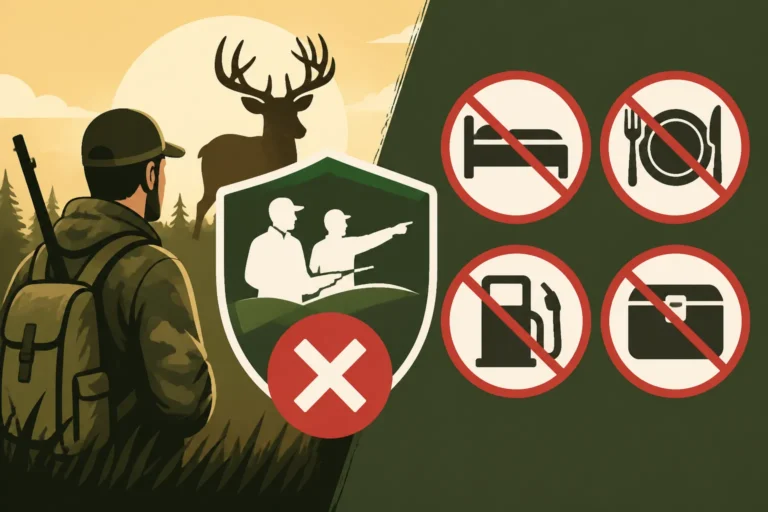
- Hunt Style and Inclusions: Clarify exactly what's included in the price. Is it fully guided or semi-guided? Are meals and lodging part of the package? What about transportation to the stands? Are there any hidden fees for game recovery, processing, or caping? Understand the daily schedule and what an average hunting day looks like. Some outfits include guide tips, others expect them separately.
- Success Rates and Trophy Expectations: Ask about their average success rates for the type of game you're pursuing. Be realistic; "100% success" is often a red flag. Inquire about the typical size or age class of deer harvested. For quail, ask about the number of coveys typically flushed per day. A reputable outfitter will discuss realistic expectations based on past seasons and current conditions.
- Land Management and Hunter Density: How many acres does the outfitter manage or lease? How many hunters are typically in camp at one time? This gives you an idea of hunting pressure and the quality of the overall experience. A lower hunter-to-acre ratio often means less pressure and a better chance at encountering game. They should be able to tell you about their specific land management strategies, especially if you're keen on Hunting Black Belt Prairie Farmland Deer.
- Accommodations and Amenities: If lodging is included, ask for photos of the lodge and rooms. Are there private baths or shared facilities? What kind of meals are provided? Is there cell service or Wi-Fi available? These details contribute significantly to the overall comfort of your trip.
- References and Reviews: Ask for recent references from past clients, ideally from the current or previous season. Take the time to call these references and ask specific questions about their experience. You can also check online reviews on platforms like BookYourHunt or GoHunt, but always remember to take reviews with a grain of salt and balance them with direct communication.
- Cancellation and Payment Policies: Understand the deposit requirements, payment schedule, and cancellation policy. Life happens, and knowing these details upfront can save a lot of headaches later.
Vetting and Researching Potential Outfitters
Beyond asking questions, a little research goes a long way. This is where you become your own investigative reporter.
- Online Presence: Check the outfitter's website and social media channels. Look for consistency in their messaging, photos, and hunt reports. Are their posts recent? Do they showcase a variety of successful hunts, not just one or two exceptionally large animals? A professional online presence usually indicates a professional operation.
- Client Testimonials and Photos: Pay close attention to client photos. Do the hunters look happy and well-taken care of? Do the animals appear healthy and wild? Look for consistency in the quality of game harvested over several seasons.
- Licensing and Insurance: A professional outfitter should be properly licensed by the state and carry adequate insurance. While you might not ask for proof directly, a good outfitter will mention these aspects as part of their professionalism. Understanding Vetting an Alabama Outfitter Before You Book is vital to protecting your investment and ensuring a safe trip.
- Trust Your Gut: After all the research and questions, sometimes it comes down to a feeling. Do you feel comfortable with the outfitter? Are they responsive and transparent? If something feels off, it's usually best to explore other options. Alabama has so much to offer, and platforms like GoHunt can help you compare many choices.
| Hunt Type | Typical Experience | What to Ask | Key Considerations |
|---|---|---|---|
| Deer | Stand hunting over food plots, lodge packages | Success rates, typical buck size, guide-to-hunter ratio, processing services | Quality of land management, trophy fees, rut timing |
| Quail | Walk-up with dogs/buggy, managed plantations | Covey flush rates, dog quality, walking vs. buggy, bird release program | Dog handling skill, habitat type, authentic experience |
| Hog | Night hunting (thermal/lights), trapping, drives | Seasonality (year-round), weapon restrictions, success rates | Abundance of hogs, method of hunt, included processing |
| General | Accommodation, meals, transportation, licenses | Full inclusions, cancellation policy, references, required gear | Overall cost, travel logistics, personal comfort |
Remember, hunting in Alabama, especially in a storied region like the Black Belt, is an incredible experience. By doing your homework and asking the right questions, you can find an outfitter who will help you create lasting memories and perhaps even put that trophy buck on the wall. Make sure you're always up-to-date on Alabama Hunting Licenses and What They Cost and Alabama Deer Season Structure Explained before heading afield.
Disclaimer
This article is for general informational purposes only and does not constitute professional advice. Laws, prices and regulations vary by location and change over time. Consult a qualified professional for guidance on your specific situation.