How Alabama’s Archery Season Runs Into February
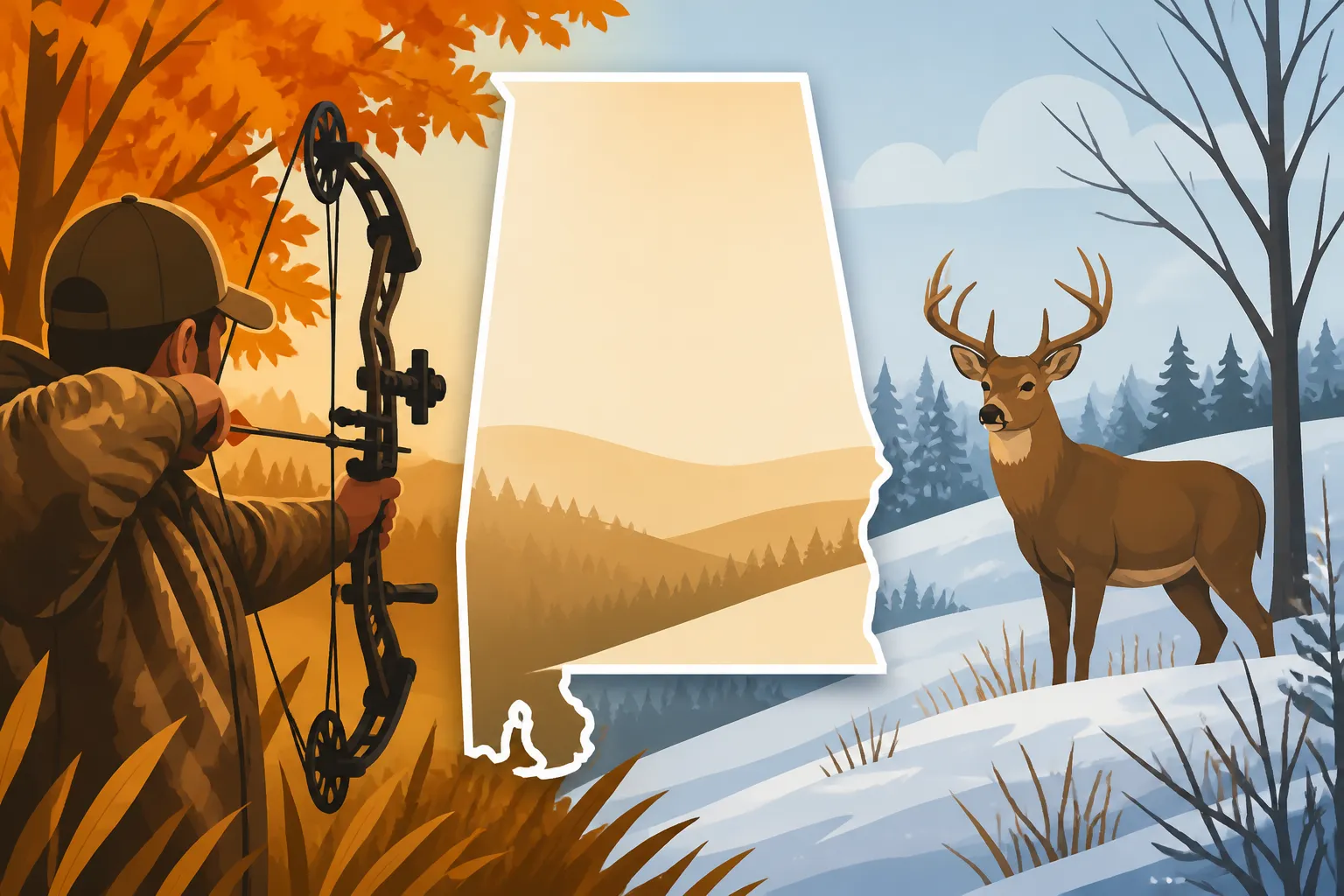
For many deer hunters across the country, the sight of a February calendar page means it’s time to hang up the bow, pack away the gear, and start dreaming of next season. But here in Alabama, things are a little different, and if you’re an archer, that means your deer season can stretch right into the heart of winter. This extended season offers unique challenges and incredible opportunities, and this guide will walk you through exactly how Alabama's archery season runs into February and how you can make the most of those precious late-season days.
Alabama's Distinct Archery Season Calendar
Unlike many states with uniform season dates, Alabama's approach to deer hunting seasons is designed with regional differences in mind. This means archers often get a much longer window of opportunity, especially as the calendar flips from January to February in certain parts of the state. It’s a testament to our robust deer population and the desire to provide ample opportunity for ethical harvest.
Why the Season Extends
The primary reason our archery season can run into February boils down to the diverse landscape and the varied timing of the deer rut across Alabama. The state is divided into five distinct deer zones, each with its own set of regulations and season dates that cater to the biological patterns of the local deer herds. While some zones might see their season conclude earlier, others, particularly those with later rutting activity, have extended archery opportunities. This structure ensures that hunters in different regions can still participate during peak activity periods, even if those peaks occur later in the year. It’s a smart way to manage the resource while maximizing hunter enjoyment.
Overlap with Other Seasons
One thing that often surprises hunters new to Alabama is the significant overlap of the archery season with other hunting methods. While you might be out there with your bow in February, you'll also find that portions of the gun season, particularly the either-sex gun days, are often still open in some zones. Muzzleloader and air rifle seasons can also coincide with the late archery window. This overlap means that while you're focused on stealth and archery-specific tactics, you need to be acutely aware of other hunters in the woods, especially on public lands. Always wear hunter orange when required, even if you’re strictly bowhunting, for maximum safety. It's a busy time in the woods, and being mindful of others is paramount for a safe and enjoyable hunt. This long season gives bowhunters a unique chance to hunt throughout various stages of the deer year, as detailed in our comprehensive guide on Alabama Archery Season Dates.
Understanding the Zone System for Late-Season Archery
Navigating Alabama's deer season requires a solid understanding of its zone system. It's not a one-size-fits-all approach, and for late-season archery, knowing which zone you're in is absolutely critical to avoid unintentional violations and maximize your hunting time. This tiered system directly influences when and where you can pursue deer with a bow into February.
Zone-Specific Dates and Bag Limits
Alabama is primarily divided into five deer zones: A, B, C, D, and E, with additional considerations for specific counties. Each zone has a slightly different opening and closing date for deer season, including the archery segment. For archers looking to hunt into February, Zones D and E often provide those extended opportunities, sometimes even pushing to mid-February for certain deer. For example, some zones might end January 31st, while others could extend to February 10th or even February 15th. It's a short but crucial extension that makes all the difference. Beyond just the dates, understanding the specific bag limits for antlered and unantlered deer within your zone for that late window is vital. Some zones might have tighter antlerless limits or even antlered-only periods late in the season, which could influence your hunting strategy. Always double-check the current year's Alabama Department of Conservation and Natural Resources (ADCNR) regulations booklet or the Outdoor Alabama website for the most accurate and up-to-date information regarding Alabama Deer Season Structure Explained and specific zone details.
Impact of the CWD Management Zone
Adding another layer of complexity, especially for those hunting in northwest Alabama, is the Chronic Wasting Disease (CWD) Management Zone (CMZ). Currently, this zone primarily encompasses Lauderdale and Colbert counties, with portions of Franklin County designated as a High-Risk Zone. For archers hunting within these areas, there are additional regulations that go beyond standard zone dates and bag limits. These can include mandatory CWD testing requirements during certain periods, restrictions on carcass movement, and specific rules regarding baiting or supplemental feeding. If you're planning to hunt in or near the CMZ, it's non-negotiable to be fully informed about these rules. Failing to comply can lead to significant penalties and, more importantly, can hinder efforts to contain this serious deer disease. Always check the latest ADCNR advisories for the CMZ, including any updated Alabama Carcass Movement Restrictions, before you head into the field. Knowing your zone, and any special considerations like the CMZ, is your first step to a successful and legal late-season archery hunt.
Here’s a simplified table illustrating typical archery season end dates by zone, though these can shift annually, so always verify current regulations:
| Deer Zone | Typical Archery Season End Date | Notes for February Hunting |
|---|---|---|
| Zone A | January 31st | Archery typically concludes before February. |
| Zone B | January 31st | Archery typically concludes before February. |
| Zone C | January 31st | Archery typically concludes before February. |
| Zone D | February 10th – 15th (approx.) | Offers extended archery into February. |
| Zone E | February 10th – 15th (approx.) | Offers extended archery into February. |
| CMZ | Zone-specific + CWD rules | Follows underlying zone dates but with additional CWD regulations. |
Note: These dates are approximate and for illustrative purposes only. Always consult the current year's Alabama hunting regulations for exact dates and rules.
Tactics for February Archery Success
By February, deer behavior has typically shifted significantly from the frenetic activity of the rut. The primary drivers are now survival: finding consistent food sources to recover from the breeding season and seeking secure cover from both predators and hunting pressure. Success in late-season archery hinges on understanding these shifts and adapting your strategy accordingly.
Focusing on Food Sources
After the energy drain of the rut, bucks, in particular, are looking to replenish their fat reserves. Does are also seeking high-energy forage to sustain themselves through the latter part of winter. This makes reliable food sources absolute magnets for deer in February. Forget about calling or rattling; this is about finding the groceries. Think about overlooked agricultural fields with leftover corn or soybeans, especially those near thick cover. Green fields planted for deer, like winter wheat, oats, or brassicas, will be hot spots, as natural browse becomes scarce. Natural mast crops, if any are left after a poor acorn year, can still draw deer, but often these have been picked over. You need to identify the most nutritious and accessible food sources in your hunting area. Using mapping tools like GoHunt can help you pinpoint these agricultural fields or locate prime green plots, especially when combined with real-time scouting reports. Deer will often hit these food sources in the late afternoon, making an evening hunt overlooking a prime food plot a top tactic. Understanding Late-Season Food Sources for Alabama Whitetails is paramount for these hunts.
Adapting to Post-Rut Behavior
The seeking, chasing, and breeding behavior of the rut is largely over by February. While a secondary rut might occur, it's not the primary pattern to bank on. Instead, deer movement becomes more predictable and often nocturnal, especially on pressured lands. Bucks are likely to be solitary or form bachelor groups again, though these groups might be smaller than pre-rut. They are conserving energy, moving less, and focusing on bedding, feeding, and recuperating. Your approach needs to be less about aggressive calling or decoying and more about patience, stealth, and intercepting deer along their travel corridors between bedding and feeding areas. This means identifying those subtle trails, pinch points, and funnel areas that deer use to move securely. Early morning hunts near bedding areas and late afternoon hunts near food sources are often the most productive, as deer will move during the last hours of daylight to feed.
Using Thermal Cover and Bedding Areas
February can bring colder temperatures, even in Alabama, and deer will seek thermal cover to stay warm and conserve energy. This means dense pine thickets, river bottom canebrakes, clear-cut regrowth, or other areas with heavy, protective vegetation become crucial bedding sites. These areas also offer security from hunting pressure. Deer will often bed on south-facing slopes during sunny, cold days to soak up warmth, or tuck into the thickest cover available on windy, overcast days. Learning to read these landscape features and understanding where deer will choose to bed is critical for setting up effective ambushes. Rather than trying to push deer out of these thickets, which can be difficult and disruptive, focus on setting up downwind of trails leading in and out of these areas. Identifying these bedding zones and their connection to prime food sources using detailed satellite imagery on platforms like GoHunt can give you a significant advantage. This thoughtful approach to understanding deer movement can be greatly enhanced by understanding optimal Warm-Weather Sitting Strategy in Alabama, as February can still have surprisingly mild days.
Gear Considerations for Late-Season Conditions
Hunting into February in Alabama means facing a variety of weather conditions. It can range from surprisingly mild, almost spring-like days, to sharp, biting cold fronts. Your gear needs to be adaptable, comfortable, and reliable to ensure you can stay in the stand long enough for an opportunity. Don't let your equipment fail you during those critical late-season moments.
Clothing and Layering Strategies
The key to comfort in February is layering. Start with a good base layer that wicks moisture away from your skin, even if you anticipate a cold day. Sweating while walking in can lead to a chill later in the stand. A mid-layer for insulation, like a fleece or lightweight down, is essential. For your outer layer, prioritize quiet, windproof, and water-resistant materials. Camouflage patterns that mimic the muted tones of late winter – browns, grays, and darker greens – will blend in best. Remember to bring a warm hat, gloves or mittens, and insulated boots. Cold feet and hands are often the first things that drive a hunter out of the woods. On days that start frosty but warm up, you'll appreciate layers you can easily shed and pack away quietly. This adaptability is crucial for long sits, especially when hunting from a Treestand Setups in Talladega National Forest where you're exposed to the elements.
Bow and Arrow Setup for Cold Weather
Cold weather can affect your bow and arrow performance, so it’s wise to take some precautions. First, ensure your bow strings and cables are in good condition; cold can make materials more brittle. A good string wax application before a cold hunt can help. If you shoot a mechanical broadhead, practice with it in colder temperatures to ensure it deploys correctly. Some broadheads can be stiff or even fail to deploy if they're caked with ice or debris. For arrows, ensure your fletchings are securely attached, as they can sometimes become less flexible in extreme cold, potentially affecting flight. It's also a good idea to ensure your release aid is functioning smoothly. If you have a strap-style release, check that the buckle or velcro is still secure, especially if worn over thick gloves. Consider using a release with a larger trigger or button that's easier to manipulate with gloved hands.
Essential Accessories for February Hunts
Beyond your primary gear, a few accessories become especially important for late-season archery. A good rangefinder is always helpful, but in sparse late-winter woods, judging distance can be tricky. Make sure your rangefinder's battery is fresh, as cold temperatures can drain them quickly. Bring extra batteries for any electronic devices, like a headlamp or trail camera. A thermos filled with hot coffee, tea, or broth can make a significant difference in comfort and morale during a long, cold sit. Hand warmers and toe warmers are absolute game-changers, especially if you tend to get cold easily. Also, don't forget a sturdy game cart or sled for extraction, as late-season deer can be heavy, and the ground might be wet or muddy. Finally, always have a fully charged phone with a mapping app like GoHunt downloaded, especially if you're on unfamiliar public land, to help with navigation and marking spots. You can also utilize the Scouting With the Outdoor Alabama App for additional resources.
Navigating Public Land in Late Archery Season
Hunting public land in Alabama during the late archery season presents its own set of challenges and rewards. While private land might offer more control over conditions, public areas like National Forests and Wildlife Management Areas (WMAs) provide accessible hunting opportunities well into February for those willing to put in the effort. The key is to understand the dynamics of public land use at this time of year.
Finding Unpressured Areas
By February, deer on public land have been hunted for several months. They are wary, nocturnal, and highly sensitive to pressure. The most productive areas will often be those that are difficult to access or overlooked by other hunters. This means putting in the legwork. Look for areas deep off main roads, behind natural barriers like swamps or steep ridges, or within large tracts of timber that few people bother to penetrate. Utilize topographic maps and aerial imagery, perhaps through GoHunt, to identify these potential sanctuaries. Creek bottoms, thick clear-cuts, and remote pine plantations often hold deer that have sought refuge from pressure. The willingness to walk further than others, or access areas via canoe or kayak if available, can often put you into undisturbed pockets of deer. Remember, deer on public land are often using Reading a Ridge for North Alabama Deer or other natural features to avoid detection, so think like a deer, not a hunter.
Dealing with Increased Hunting Pressure
Even in February, public lands can see considerable hunting pressure, especially on weekends or during periods of good weather. This pressure pushes deer into thicker cover and makes them more nocturnal. If you encounter other hunters, stay courteous and safe. Consider changing your strategy. Instead of hunting directly over a food plot that might be heavily used, focus on trails leading to it from bedding cover, especially those that offer more security. You might even find success hunting away from traditional hotspots, looking for "refuge" areas where deer have retreated. Sometimes, hunting mid-week can significantly reduce the amount of pressure you encounter. Be mindful of others' setups and give them ample space. The goal is to find deer, not to compete with other hunters.
Scouting with Mapping Tools
Mapping tools have revolutionized public land hunting, and they are indispensable for late-season archery in Alabama. Platforms like GoHunt allow you to virtually scout areas from your couch, identifying potential bedding areas, food sources, travel corridors, and access points. You can use satellite imagery to spot subtle features like changes in timber type, drainage ditches that act as funnels, or secluded clearings. Marking potential stand sites and entry/exit routes on your map beforehand saves valuable time and minimizes disturbance when you're in the field. GoHunt also allows you to track your movements, mark sign, and analyze past hunts, giving you a detailed understanding of the terrain. Even more importantly, ensure you understand Alabama Public Land Hunting Hours to avoid any issues with dawn and dusk timing. When you arrive, verify your virtual scouting with on-the-ground recon, looking for fresh sign like rubs, scrapes (though fewer in February), and fresh droppings. The combination of digital scouting and physical boots-on-the-ground work is the most effective way to unlock public land success in the late archery season.
The Importance of Scouting and Adaptation
If there's one overarching theme to successful late-season archery in Alabama, it's the critical role of scouting and the ability to adapt. Deer behavior is constantly shifting with weather patterns, food availability, and hunting pressure. What worked in November might be entirely ineffective in February. Being a dynamic and observant hunter is key to punching that late-season tag.
Pre-Season vs. In-Season Scouting
Most hunters do their primary scouting in the off-season or just before opening day. While this pre-season work is vital for understanding terrain and identifying general deer patterns, it's simply not enough for late-season success. By February, food sources that were abundant in October might be depleted, bedding areas may have shifted due to pressure, and deer travel routes can change significantly. This means continuous, in-season scouting is paramount. This doesn't necessarily mean walking miles every day; it can be done from your stand, observing deer patterns, or by making quick, stealthy recon trips between hunts. Look for fresh tracks, droppings, and any signs of current feeding activity. Pay attention to how deer enter and exit fields, which thickets they disappear into, and how they react to different winds. Your "pre-season" for February starts in January.
Reading Sign and Adjusting Tactics
Deer leave clues everywhere, and learning to read them effectively is a skill that takes time and practice. In February, fresh tracks in mud or snow, fresh droppings (which indicate recent feeding), and trails leading to the most appealing food sources are your most valuable intel. While rubs and scrapes from the rut will still be visible, they are unlikely to be actively used. Focus on identifying the current hot food sources and the safest travel routes deer are using to get there. If you're seeing deer but they're not coming into range, or they're consistently busting you, it's time to adjust. Move your stand. Change your entry and exit routes. Alter your hunting times. Sometimes a small adjustment, like moving a stand 20 yards to catch a different trail or setting up on the opposite side of a food plot to account for a wind shift, can make all the difference. Don't be afraid to experiment, as the deer have already adapted to the season, so you must too. This constant adjustment is what makes Hunting a Funnel Between Two Creek Bottoms or Hunting a Green Field Planted for Deer so effective when conditions are just right.
The Role of Trail Cameras
Trail cameras are invaluable scouting tools, especially for late-season archery. They allow you to monitor deer activity without putting human pressure on your hunting area. Set cameras up on active food plots, along travel corridors, or near thick bedding areas. Pay attention to the time of day deer are moving. Are they mostly nocturnal? Are mature bucks showing up during legal shooting light? This information helps you decide when and where to hunt. Use trail camera data to identify specific bucks, understand their travel patterns, and determine which food sources are being hit most consistently. The ability to verify activity before you commit to a long, cold sit is a huge advantage. Just be mindful of local regulations regarding trail camera use on public land, as rules can vary. When utilizing technology, ensure you're using something like GoHunt's mapping features to mark camera locations and monitor conditions. Consistent use of trail cameras, combined with hands-on scouting, forms a powerful combination for success in the challenging but rewarding Alabama February archery season.
Disclaimer
The information provided in this guide is for general informational purposes only and is not a substitute for official hunting regulations. Hunters are responsible for knowing and adhering to all current Alabama Department of Conservation and Natural Resources (ADCNR) laws and regulations, including specific zone dates, bag limits, and any special provisions for areas like the CWD Management Zone. Always consult the most recent official Alabama Hunting & Fishing Digest or the Outdoor Alabama website before engaging in any hunting activity. Seasons, rules, and regulations are subject to change annually.