Alabama Junior Hunting License Rules
Getting your child or a young family member into hunting is one of the most rewarding experiences you can imagine, but let's be honest, navigating all the rules and regulations can feel like trying to track a mature buck through a briar thicket. It’s not always straightforward figuring out what licenses your young hunter needs, when they need it, and what the exceptions are. This comprehensive guide is here to clear up all the confusion, laying out Alabama's junior hunting license rules in plain language so you can focus on making memories in the field.
Demystifying Alabama's Junior Hunter Definitions and Exemptions
Before you even think about hitting the woods, it’s crucial to understand who Alabama considers a "junior hunter" and, more importantly, when they actually need a license. It’s not a one-size-fits-all rule, and knowing the specifics can save you a headache (and a potential fine) down the line.
Age and Residency: Who Qualifies as a Junior Hunter?
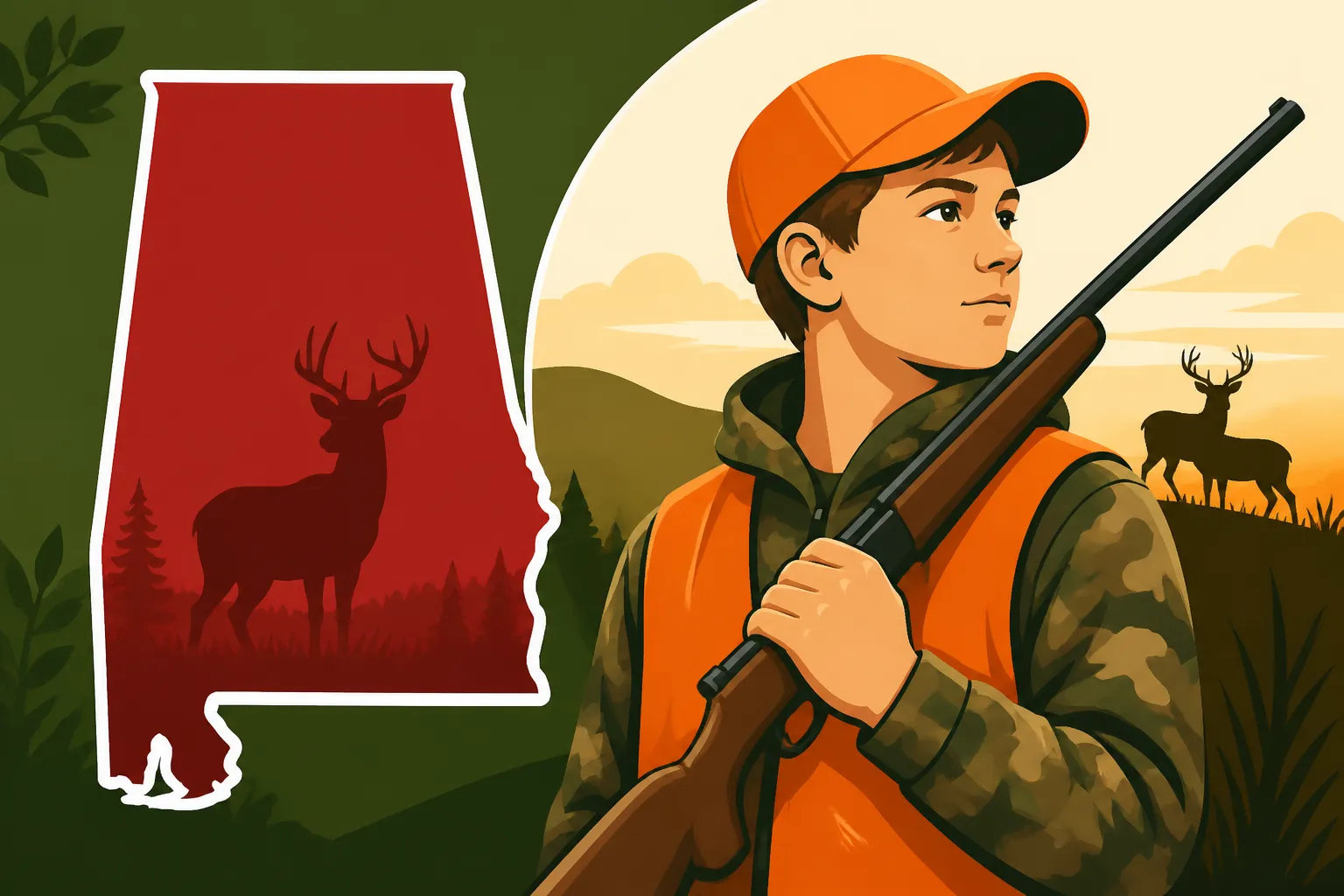
In Alabama, the primary designation for a "junior hunter" revolves around age. Generally, anyone under the age of 16 falls into this category for most hunting regulations. However, it's not just about their birthday; residency plays a huge role in determining what licenses, if any, they need. A resident junior is treated differently than a non-resident junior, even if they're the same age. For instance, a 14-year-old who lives in Mobile County is under different rules than a 14-year-old visiting from Georgia. The state wants to encourage its own young residents to get outdoors, which is why some of the exemptions are specifically for them. It’s all about fostering a love for the outdoors in the next generation of Alabama hunters.
This age classification is consistent across most game species, whether you're chasing whitetails or trying to call in a gobbler. Knowing this baseline age helps you understand the foundation of all other rules, from license exemptions to hunter education requirements. It’s the starting point for figuring out your family’s next hunting adventure in the Yellowhammer State.
When a License Isn't Needed: The Supervised Resident Youth Exemption
Here’s where it gets a little easier for Alabama families: resident youths under 16 years of age are exempt from needing a hunting license if they are under the direct supervision of a licensed adult hunter. This is a fantastic provision designed to remove barriers for parents and guardians who want to introduce their kids to hunting without immediately incurring license costs or jumping through hoops. Imagine taking your 12-year-old daughter on her first squirrel hunt in the hardwoods of the Bankhead National Forest, you’ve got your license, she’s got her youth model .22, and because she’s under your direct, constant supervision, she doesn’t need her own license yet. This is a game-changer for getting kids hooked.
"Direct supervision" isn't just a suggestion; it means the adult hunter must be physically present and close enough to immediately assume control of the hunting device. You can't just drop your child off at a stand and expect them to be legal. This exemption is explicitly detailed in the Alabama's Under-16 and Senior License Exemption rules, emphasizing the state's commitment to safe, mentored experiences. It’s worth noting, however, that while a license might not be needed for supervised hunting, other requirements, like species-specific tags for certain game or adherence to bag limits, still apply to the youth as part of the hunting party. This isn't a free-for-all; it's a supervised learning opportunity.
Essential Junior Hunting Licenses and Their Costs
While the under-16 resident exemption is a great starting point, there will come a time when your young hunter needs their own license, whether for hunting solo, traveling out of state, or simply because they've turned 16. The options and costs vary significantly based on residency and the type of game pursued.
Resident Junior Hunting License Options and Purchase
For Alabama residents, once that under-16 exemption no longer applies (either due to age or desire for unsupervised hunting), or if they simply want their own license, there are several pathways. The most common is the Annual Resident All-Game Hunting License, which covers everything from deer and turkey to small game. As of the most recent regulations, a resident junior (ages 16-18) would typically fall into the same category as an adult for these licenses, although prices are very reasonable compared to non-resident rates. For younger residents (under 16) who want a license, perhaps for a youth-only weekend hunt where they might be slightly less directly supervised by an adult (though still generally mentored), they can certainly purchase one. The current cost for an annual resident all-game hunting license is quite affordable, usually around $35, which also covers the harvest record. If your junior hunter is primarily interested in small game, the Small Game Hunting License is an even more economical option, costing significantly less. You can easily purchase these licenses online through the Outdoor Alabama website, via a licensed agent, or even over the phone. Using online platforms or apps that integrate license purchasing, like GoHunt, can often make this process smoother, allowing you to quickly secure the necessary permits from your phone or computer. It makes planning for the Alabama Youth Gun Weekend Dates or any other hunt much easier.
It's also worth considering a more long-term investment: the Lifetime Hunting License. This is an incredible value for young hunters, providing them with hunting privileges for their entire lives, no matter how old they get, for a one-time fee. While the upfront cost is higher, it can save thousands over a lifetime of hunting and ensures they're always covered. Imagine the peace of mind knowing your child will always have their hunting license, no renewals, no fuss, especially if they plan to be a lifelong hunter. These options, including the Alabama Resident Hunting License Options, cater to various needs and commitment levels.
Non-Resident Junior Licenses: What Visitors Need to Know
If your junior hunter isn't an Alabama resident, the rules change pretty significantly. The exemption for supervised hunting does not typically apply to non-residents. This means if you're bringing a young hunter from another state to experience deer hunting in the Black Belt, or to try their hand at Spring Turkey Hunting in Alabama, they will almost certainly need a license, regardless of their age or whether they are supervised. This is a crucial distinction and a common pitfall for visiting families. The state aims to regulate hunting pressure and generate revenue from non-resident hunters, regardless of age.
Non-resident junior hunters (under 16 or 18, depending on the specific license type) generally need to purchase a non-resident annual hunting license or a non-resident trip license. Options include a 3-day, 10-day, or annual non-resident All-Game license. For example, a 10-day non-resident All-Game license might cost around $130, while an annual non-resident All-Game license can be significantly higher, often exceeding $300. These costs are subject to change, so always check the latest ADCNR regulations. When planning a trip, platforms like GoHunt can be invaluable for quickly looking up the specific non-resident license requirements and costs, ensuring you're compliant before you even cross the state line. Making sure you have the proper Alabama Nonresident Hunting License Options in advance is key to a stress-free hunt.
Here’s a quick overview of typical junior license scenarios:
| Scenario | Resident (Under 16) | Resident (16-18) | Non-Resident (Under 16) | Non-Resident (16-18) |
|---|---|---|---|---|
| Supervised by Licensed Adult | No License Required | Annual All-Game License Needed | Annual or Trip License Needed | Annual or Trip License Needed |
| Hunting Unsupervised | Not Permitted | Annual All-Game License Needed | Annual or Trip License Needed | Annual or Trip License Needed |
| Hunter Education Requirement | Generally Required (see H3) | Required | Required (see H3) | Required |
| Cost (Approx. Annual All-Game) | N/A (Exempt) | ~$35 | ~$300+ (Annual) or ~$130 (10-Day) | ~$300+ (Annual) or ~$130 (10-Day) |
Note: Costs are approximate and subject to change. Always verify current prices and regulations with the Alabama DCNR.
The Path to Independent Hunting: Mentored Programs and Hunter Education
Hunting is more than just pulling a trigger; it's about tradition, conservation, and responsible outdoor ethics. Alabama recognizes this and provides structured programs to ensure young hunters are well-prepared, safe, and knowledgeable before they head out on their own.
Embracing Alabama's Mentored Youth Hunting Program
The Mentored Youth Hunting Program is a fantastic initiative that complements the under-16 license exemption, offering a pathway for young, aspiring hunters to gain crucial field experience safely. This program allows individuals (of any age, not just youth) who have not completed hunter education to hunt under the direct supervision of a licensed, hunter-education-certified mentor. For junior hunters, it’s often their first real taste of hunting, providing them with hands-on learning in a controlled environment. The mentor acts as a guide, teaching everything from ethical shot placement and game identification to tracking and safety protocols. This isn't just about avoiding a license; it's about instilling proper hunting values from the start.
Under this program, the mentor must be at least 21 years old and hold a valid Alabama hunting license and proof of hunter education. They must maintain direct supervision, remaining within normal voice communication and close physical proximity to the mentored hunter. This means the mentor is effectively taking on the legal responsibility for the mentored individual's actions in the field. This immersive experience is invaluable for teaching young hunters the nuances of the outdoors, whether it's learning how to scout for deer or understand the intricacies of Working a Creek Bottom for Late-Season Deer. It’s a foundational step towards becoming a skilled and responsible independent hunter, and the details are clearly outlined in the Alabama Mentored Youth Hunting Rules.
Fulfilling Hunter Education Requirements for Young Hunters
While mentored hunting allows for initial field experience, becoming an independent hunter in Alabama means completing a state-approved hunter education course. This isn't just a suggestion; it's a mandatory requirement for anyone born on or after August 1, 1977, before they can purchase an unmentored hunting license. For junior hunters approaching the age of 16, or for any youth who wishes to hunt without direct, constant adult supervision (even if they still have the "under 16" exemption), hunter education is the next critical step. This comprehensive course covers firearm safety, wildlife identification, hunting ethics, conservation principles, and survival skills. It's truly an education in responsible hunting.
There are several ways to fulfill this requirement in Alabama. You can attend a traditional classroom course, which often includes hands-on components and direct interaction with instructors. Alternatively, for those with busy schedules, online courses are available, followed by a mandatory field day session to cover practical skills. The field day is crucial as it ensures the student can apply what they've learned in a practical setting, handling firearms safely and demonstrating proficiency. For many young hunters, completing hunter education is a rite of passage, signifying their readiness to take on the responsibilities of hunting. You can find all the information regarding course schedules and requirements on the Outdoor Alabama website or by checking resources like GoHunt, which often aggregates this type of crucial regulatory information. The Alabama Hunter Education Requirements are in place to ensure a safe and ethical hunting tradition for generations to come.
Equipping for Success: Safety, Gear, and Digital Tools
Beyond licenses and education, setting up your junior hunter for success means prioritizing safety, ensuring they have the right gear, and leveraging modern tools to navigate the hunting landscape.
Prioritizing Safety and Responsibility in the Field
When hunting with a junior, safety is absolutely non-negotiable, and it extends far beyond just knowing how to operate a firearm. It starts with proper training, reinforcing the ten commandments of firearm safety every single time you step into the woods. This means always treating every firearm as if it's loaded, never pointing your muzzle at anything you're not willing to destroy, being sure of your target and what's beyond it, and keeping your finger off the trigger until you’re ready to shoot. For younger hunters, these habits need to be ingrained through constant repetition and positive reinforcement. Beyond the gun, it’s about understanding the environment – knowing how to climb into a treestand safely, navigating challenging terrain, and understanding weather patterns. Teaching them about Wind and Thermals on a Piedmont Ridge can be just as crucial as trigger discipline.
Equipping them with properly fitting gear is also a huge part of safety. A rifle that's too heavy or too long for a smaller frame can be difficult to control, leading to unsafe handling. Ensuring they have appropriate blaze orange (or blaze pink, which is also legal in Alabama) for visibility, proper eye and ear protection, and comfortable, weather-appropriate clothing can prevent accidents and make their experience much more enjoyable. It’s about building a foundation of responsibility where they understand the gravity of their actions and their role in preserving the hunting heritage. Remember, the Minimum Age for Unsupervised Alabama Hunting is tied directly to their ability to act safely and responsibly.
Streamlining Your Hunt with Modern Resources and Planning
In today's world, hunters have access to an incredible array of digital tools and resources that can simplify trip planning and help junior hunters stay informed and safe. Platforms like GoHunt aren't just for purchasing licenses; they often provide access to updated regulations, weather forecasts, and even mapping tools that can help scout potential hunting areas or navigate public lands. For a junior hunter, learning to use these tools can be an exciting part of their hunting education, teaching them modern navigation and research skills. Imagine being able to pull up an aerial map with your child, pointing out potential bedding areas or travel corridors before you ever step foot in the woods. This kind of preparation fosters anticipation and deepens their understanding of deer behavior.
Beyond digital tools, good old-fashioned planning is essential. Before any hunt, especially with a junior, sit down and discuss the plan for the day: where you'll go, what you'll hunt, expected weather, and what to do in an emergency. Make sure everyone knows how to contact each other and understands the plan for retrieving game. Teaching a junior hunter how to properly use their phone to keep Carrying Proof of License on Your Phone or access emergency contacts is also a modern safety measure. This comprehensive approach ensures that the experience is not only successful in terms of harvest but, more importantly, safe, educational, and fun for everyone involved, creating lifelong memories in Alabama's beautiful outdoors.
Disclaimer
The information provided in this guide is for general informational purposes only and is subject to change. Hunting regulations, license costs, and season dates are determined by the Alabama Department of Conservation and Natural Resources (ADCNR) and can be updated annually. Always consult the official ADCNR website or their current hunting and fishing regulations handbook for the most accurate and up-to-date information before participating in any hunting activity.