Alabama Beaver Population and Damage
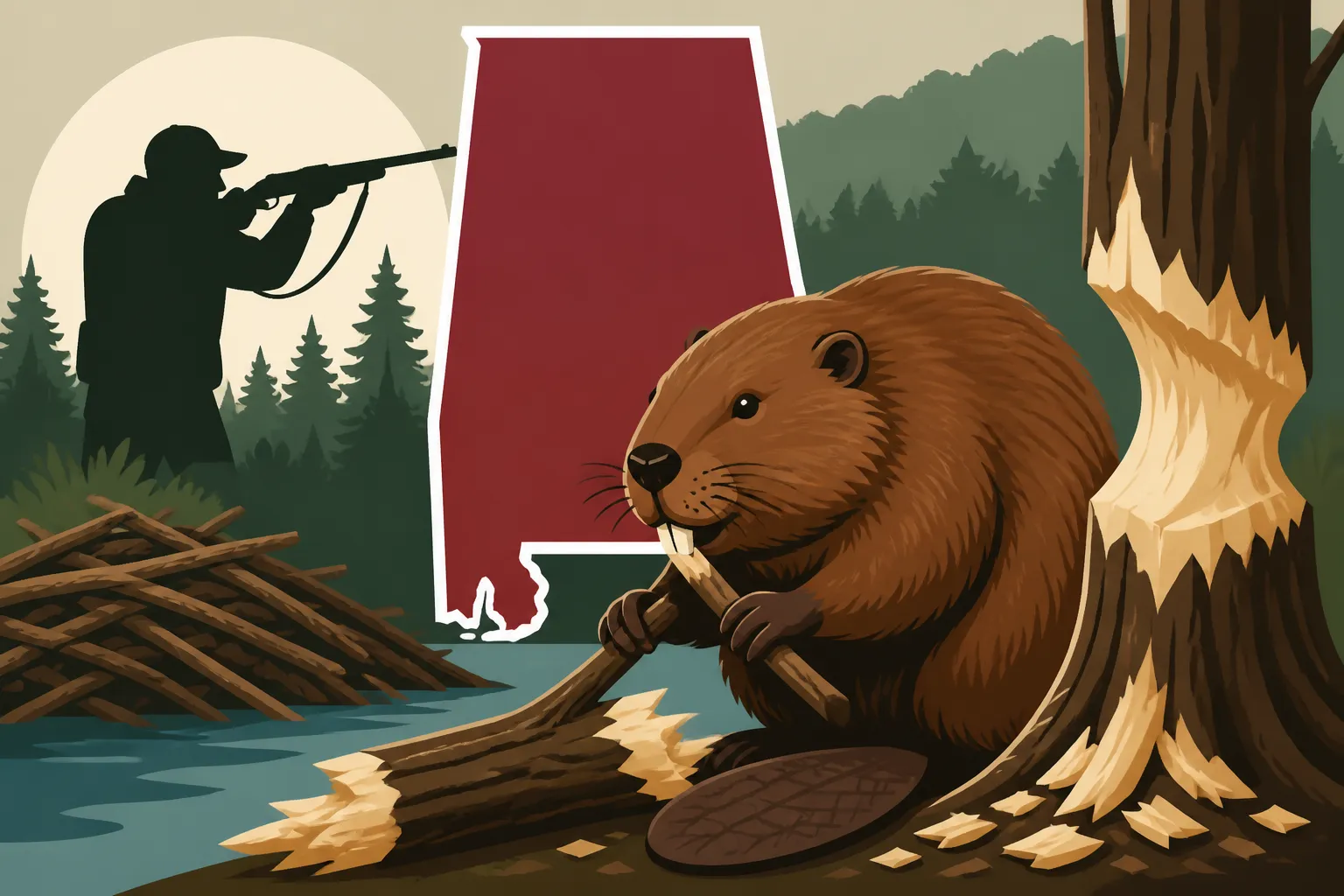
If you're an Alabama landowner, hunter, or simply someone who enjoys the outdoors, chances are you've encountered the tell-tale signs of beavers – or, more accurately, the significant damage they leave behind. These industrious rodents, while fascinating, can quickly become a serious headache, turning thriving timberland into flooded swamps and undermining vital infrastructure. This guide will walk you through understanding Alabama's pervasive beaver population, the specific damage they inflict, how to identify their activity, and what practical steps you can take to manage their impact on your property.
Beavers: An Alabama Nuisance with Deep Roots
Alabama is a haven for wildlife, but some species, when left unchecked, can pose considerable challenges. Beavers, with their uncanny ability to alter landscapes, are definitely on that list. Their presence isn't just about a few chewed saplings; it's about a widespread ecological and economic issue that impacts landowners, farmers, and even public land managers across the state.
Historical Presence and Population Growth
Beavers are native to Alabama, and their presence predates European settlement. Historically, they were a valuable furbearer, heavily trapped for their pelts. This intensive trapping actually kept their numbers relatively low for a long time. However, with changing markets and conservation efforts, beaver populations rebounded dramatically, especially in areas where trapping pressure decreased. Our state's abundant water sources, rich timber, and mild climate provide an ideal environment for them to thrive, multiply, and spread.
Today, you'd be hard-pressed to find a county in Alabama that doesn't have a robust beaver population. They've adapted incredibly well to various habitats, from remote national forests like the William B. Bankhead National Forest to agricultural areas and even suburban creeks. Their rapid reproductive rates, coupled with a lack of significant natural predators that can truly keep their numbers in check across the board, mean their populations often exceed what the landscape can sustain without human intervention. It’s a classic case of nature finding a way, sometimes to our detriment.
Ideal Habitat in Alabama
What makes Alabama such a perfect home for beavers? It boils down to three key things: water, food, and cover. We've got an abundance of all three. From the major river systems like the Alabama, Tombigbee, and Cahaba, to countless smaller creeks, streams, and farm ponds, water is everywhere. Beavers need permanent water to build their dams and lodges, and our extensive network of waterways provides endless opportunities.
When it comes to food, beavers are primarily herbivores, feasting on the bark and cambium layer of various trees and shrubs. Sweet gum, poplars, willow, and pines are often on their menu, and Alabama has no shortage of these species, particularly in riparian zones. They'll also munch on aquatic vegetation and agricultural crops if available. Finally, the dense undergrowth and mature timber found along our waterways offer ample cover from predators and plenty of building materials for their lodges and dams. It's a perfect storm for beaver expansion, making them a consistent feature of our natural landscape, even if they're often hidden from plain sight until their damage becomes obvious. Their ability to turn a quiet stream into a flooded timberland provides excellent habitat for other species, such as wood ducks, but can also negatively impact other game like deer by destroying traditional travel corridors and food sources, affecting even something like Hunting the Alabama Rut by Zone.
The Silent Saboteurs: How Beavers Impact Alabama Land
Beavers might work silently through the night, but their impact is anything but quiet. Their dam-building and tree-felling habits can profoundly reshape landscapes, leading to significant economic losses and environmental shifts that affect everything from timber production to road maintenance. It's not just an inconvenience; it's a real challenge for many Alabamians.
Timber and Forest Damage
For anyone managing timberland in Alabama, beavers are a perennial headache. They fell trees not just for food, but also for building their elaborate dams and lodges. They prefer certain species, especially softer woods like sweet gum, poplars, and willow, but they are opportunistic and will take down pines, oaks, and other hardwoods if they're convenient to water. The problem isn't just the trees they cut down; it's the widespread flooding their dams cause.
Imagine a pristine stand of mature pines or hardwoods, years in the making. A beaver dam goes up downstream, and suddenly, that timber is sitting in several feet of standing water. Most tree species simply can't survive prolonged inundation. Roots rot, trees die, and what was once a valuable future timber harvest turns into a ghost forest of dead snags. This isn't a quick process; it can take months or even a year for the full extent of the damage to become apparent. The loss of valuable timber can be financially devastating for private landowners, making it harder to realize an income from their land. Furthermore, this alteration of habitat can indirectly impact White-Tailed Deer Across Alabama as their food sources and bedding areas are inundated.
Agricultural Crop Destruction
Farmers in Alabama also bear the brunt of beaver activity. While trees are their primary food source, beavers are not above sampling agricultural crops that are conveniently located near water. Fields of corn, soybeans, and even peanuts that are close to creeks or ditches can become targets. Beavers will often chew down crops, either to eat or to incorporate into their dams.
Beyond direct consumption, the flooding caused by beaver dams is a far greater threat to agriculture. A dam built in a drainage ditch or small stream can back up water onto crop fields, saturating the soil and preventing planting or destroying young plants. This can lead to significant yield losses, costing farmers substantial income. What's more, the saturated ground can become impassable for farm equipment, disrupting planting and harvesting schedules. It’s a frustrating cycle for farmers who work hard to cultivate their fields, only to have them submerged by a beaver's engineering project.
Infrastructure Woes
The reach of beaver damage extends beyond just forests and farms; it often impacts public and private infrastructure. Roads, culverts, drain pipes, and even small bridges are all vulnerable to beaver activity. Beavers see these structures as prime locations to construct their dams, often plugging culverts with sticks, mud, and debris.
When a culvert is blocked, water can't flow through, leading to water backing up onto roads. This can cause significant erosion, washouts, and even undermine the structural integrity of the road itself, creating dangerous driving conditions. Imagine a county road suddenly collapsing due to persistent water damage from a hidden beaver dam! The cost of repairing these roads and clearing blocked culverts falls on county maintenance departments and private landowners alike. Power lines, too, can be affected if beavers fell trees onto them, leading to outages. Their impact is a constant, expensive battle against nature's most dedicated engineers, disrupting daily life and requiring ongoing vigilance.
Spotting the Signs: Identifying Beaver Activity on Your Property
Knowing how to identify beaver activity is the first step in managing their impact. They're often most active at dawn and dusk, so while you might not always see the beavers themselves, their work leaves unmistakable calling cards. Being observant can help you address issues before they escalate into major problems.
Dams and Lodges as Indicators
The most obvious signs of beaver presence are their dams and lodges. A beaver dam is typically a formidable structure built across a stream, creek, or ditch, designed to create a deeper, more stable pool of water. These dams are usually constructed from sticks, branches, mud, rocks, and even vegetation. They vary greatly in size, from small, hastily built affairs to massive structures spanning dozens of feet and backing up acres of water. Look for fresh sticks with stripped bark, or mud that looks recently applied, which indicates an active dam.
Lodges, on the other hand, are the beavers' homes. These dome-shaped structures, also built from sticks and mud, often rise out of the water in the middle of a pond or on a bank, with underwater entrances to keep predators out. If you see a well-maintained dam and a sturdy lodge, you can be sure there's an active beaver colony nearby. Sometimes, they might simply burrow into a bank, creating a less obvious den. Using a mapping tool like GoHunt can help you mark potential beaver dam locations or areas of flooded timber, allowing you to track changes over time or plan access for management. Observing these structures can also give you clues about the health of the beaver population, much like assessing Alabama Deer Population Estimate helps biologists understand herd health.
Chewed Trees and Runways
Even without a visible dam or lodge, chewed trees are a dead giveaway. Beavers have incredibly strong teeth that leave distinctive marks. Look for trees, especially those near water, that have been gnawed around the base. The chewing will typically form a conical shape, resembling an hourglass or sharpened pencil, with visible tooth marks. These marks are often fresh and pale if the beaver has been active recently. They'll fell trees of various sizes, from small saplings to trees over a foot in diameter.
Beyond the chewing, beavers create distinct "runways" or slides where they drag felled timber and branches into the water. These are often muddy paths leading from the bank into the water, smoothed by repeated use. You might also find piles of smaller branches and sticks in the water, which are caches of food stored for winter. These areas of heavy activity provide excellent clues for locating potential trapping sites or determining their primary travel routes.
Flooding and Water Level Changes
Perhaps the most insidious sign of beaver activity is the impact they have on water levels. If you notice areas that were once dry or had normal water flow are now consistently inundated, a beaver dam is a prime suspect. This can manifest as standing water in timber, fields, or even over access roads. Pay attention to how water drains – or doesn't drain – after heavy rains.
A sudden, unexplained rise in water level in a pond, stream, or ditch, especially one that persists, almost certainly points to a beaver dam. This flooding can lead to the death of bottomland timber, as discussed, and can change the habitat dramatically. It also influences other game species, as areas that once held deer might now be too wet, forcing them to shift their patterns, possibly impacting Where Bankhead Forest Bucks Bed if their traditional areas become flooded. Keeping an eye on water levels and using tools like GoHunt to mark historical water boundaries can really help you pinpoint where beavers are making the biggest difference on your land.
| Sign of Beaver Activity | Appearance | Immediate Implication | Long-Term Impact Potential |
|---|---|---|---|
| Dam | Sticks, mud, rocks, debris built across a waterway. | Active beaver colony nearby. | Flooding, timber death, infrastructure damage. |
| Lodge | Dome-shaped stick/mud mound in water or bank. | Active beaver home. | Confirms sustained beaver presence and colony. |
| Chewed Trees | Conical gnaw marks at tree base, felled trees. | Beavers are feeding and building. | Loss of valuable timber, aesthetic damage. |
| Runways/Slides | Smooth, muddy paths from land to water. | Regular beaver travel routes. | Indicates access points for beaver management. |
| Flooding | Unexplained standing water in fields, timber, roads. | Dam is backing up water. | Erosion, crop loss, road damage, habitat alteration. |
| Food Caches | Piles of stripped branches underwater near lodge/dam. | Beavers are actively storing food. | Confirms strong, active colony. |
Taking Action: Managing Alabama's Beaver Problem
Dealing with beavers effectively requires a multi-pronged approach. Simply tearing down a dam often isn't enough; they're tenacious builders and will rebuild quickly. Successful management involves understanding their behavior, employing appropriate removal methods, and considering long-term habitat adjustments. It’s a commitment, but one that can save you a lot of grief and money in the long run.
Trapping Methods and Regulations
Trapping is by far the most effective and widely used method for controlling beaver populations in Alabama. Since beavers are considered nuisance animals when they cause damage, they can be harvested year-round on private land without a closed season. However, there are specific regulations regarding trapping devices and methods that you must adhere to. Body-gripping traps (like Conibear or foothold traps) are common, but their placement and use are strictly regulated, especially near public pathways or where pets might encounter them. Live traps are also an option if relocation is desired, though finding suitable release sites can be challenging and often not advisable due to the potential for simply moving the problem.
For those unfamiliar with trapping, it's highly recommended to consult with a professional nuisance wildlife trapper. They have the expertise, specialized equipment, and knowledge of regulations to effectively and safely remove problem beavers. Learning about Alabama Feral Hog Trapping Rules might give you some insight into nuisance animal trapping in general, but always ensure you understand the specific nuances for beavers. A well-placed trap can remove a problem beaver quickly, stopping the damage. Remember, consistency is key; beavers often live in family groups, so removing one may not solve the problem entirely.
Habitat Modification and Exclusion
Beyond direct removal, modifying the habitat can deter beavers or minimize their impact. The goal here is to make the area less appealing or physically block their access to sensitive areas. One common method is tree wrapping. If you have valuable specimen trees near water, wrapping their trunks with heavy-gauge wire mesh or hardware cloth up to about three feet high can prevent beavers from chewing them. This won't stop them from felling unprotected trees, but it can save your prize oaks or fruit trees.
Another strategy is to manage water flow more effectively. "Beaver deceivers" or "pond levelers" are flow-control devices that can be installed through dams to maintain a desired water level, preventing excessive flooding while still allowing the beavers to maintain their dam (which they are less likely to abandon if the dam is still intact but merely "leaking"). These devices hide the outflow pipe, making it difficult for beavers to plug them up. For areas where beavers are constantly blocking culverts, installing fencing or specialized guards around the culvert entrances can make it much harder for them to build a dam in that critical spot. Using a detailed map from GoHunt can help you identify strategic locations for these modifications, especially along creek bottoms or where Hunting Coastal Alabama River Swamps meets valuable timber.
The Continuous Challenge of Control
Managing beavers in Alabama isn't a one-and-done deal; it's an ongoing commitment. Their prolific nature and adaptability mean that even after successfully removing a colony, new beavers can quickly move into the vacated territory. This is why a consistent management plan is so crucial. Regular scouting of your property is essential to catch new activity early. This might involve periodic walks along waterways, checking for fresh chews, or monitoring water levels.
Some landowners incorporate beaver management into their overall land management strategy, much like they would manage deer populations. Understanding the dynamics of Alabama Deer Season Structure Explained helps plan hunting efforts, and similarly, understanding beaver behavior helps plan control efforts. For larger land holdings or areas with persistent problems, establishing a long-term trapping program, possibly in conjunction with professional trappers, is often necessary. The financial and labor investment in beaver control can be substantial, but it's often far less than the cost of unchecked damage to timber, crops, and infrastructure. It's a continuous balancing act between living with nature and protecting your valuable resources.
Disclaimer
This article is for general informational purposes only and does not constitute professional advice. Laws, prices and regulations vary by location and change over time. Consult a qualified professional for guidance on your specific situation.