Alabama Muskrat and Mink Trapping Trends
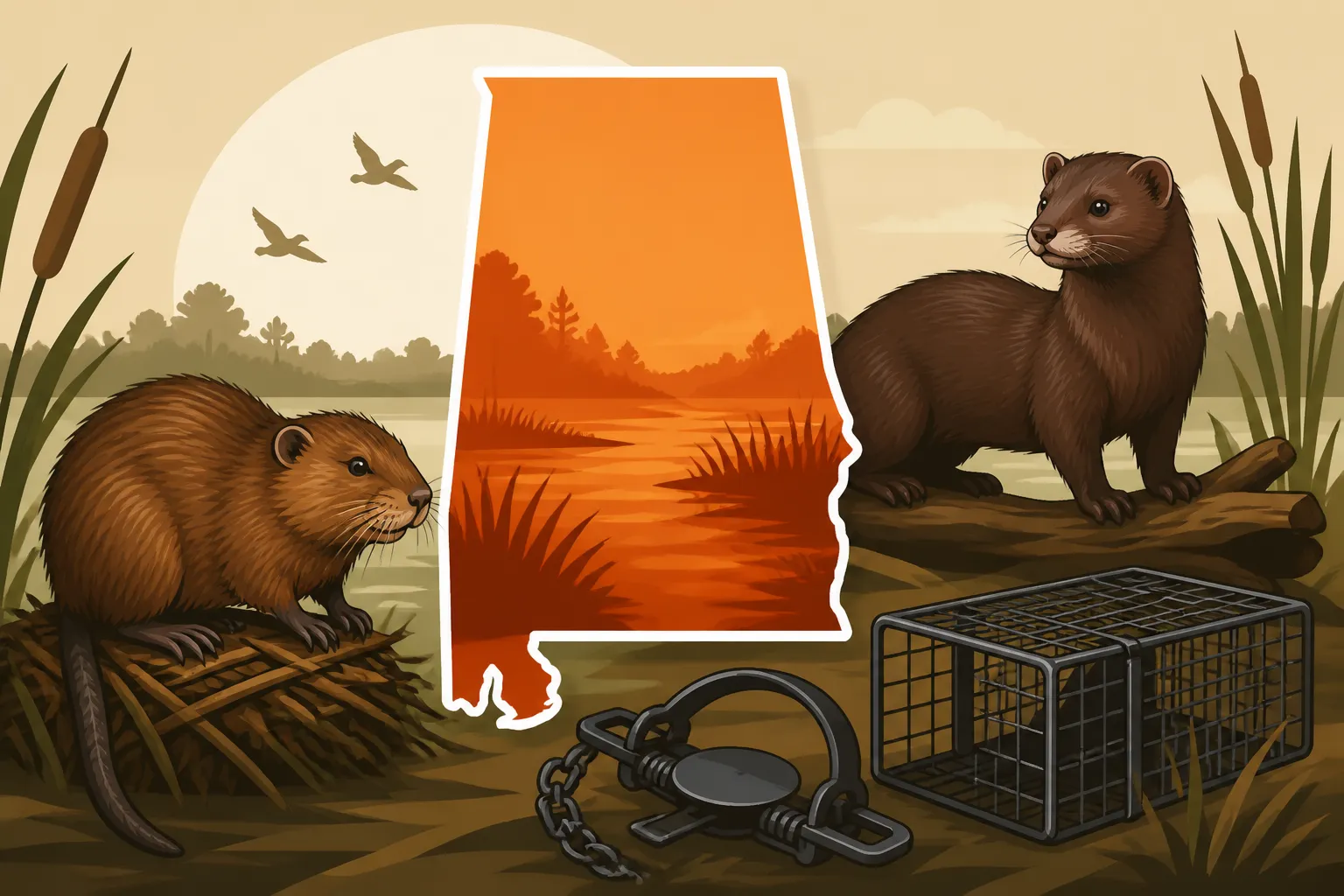
Muskrat and mink trapping in Alabama can feel like a quiet, almost forgotten corner of the outdoor world, especially when everyone else is focused on the big whitetail bucks or gobbling turkeys. But for those who know the subtle signs along a creek bank or the hidden value of a marshy ditch, these smaller furbearers offer a unique challenge and a deep connection to Alabama’s wilder places. This guide will take a look at the current trends for muskrat and mink trapping, from understanding where these elusive critters live to navigating the regulations, and even touching on the often-tough realities of the fur market.
Understanding Alabama's Muskrat and Mink Populations
Hunting the more glamorous game often overshadows the pursuit of furbearers, but muskrats and mink are vital parts of Alabama's aquatic and semi-aquatic ecosystems. Understanding their populations and habits is the first step toward successful trapping. It’s not about sheer numbers like deer, but more about finding the right pockets of habitat where they thrive.
Historical and Current Population Trends
Looking back, muskrats and mink have always been present in Alabama, though their populations have certainly seen their ups and downs. Muskrats, in particular, used to be more widespread in prime wetland habitats. As development has encroached on marshes and smaller waterways, we’ve definitely seen some localized declines. However, where good habitat persists, especially along the larger river systems like the Mobile-Tensaw Delta or the Tennessee River, and even in many agricultural areas with irrigation ditches and canals, muskrats can still be quite abundant. They're resilient little engineers!
Mink, on the other hand, are a bit more secretive and generally less numerous than muskrats. They've always been more solitary, preferring the dense cover of stream banks, swamps, and beaver ponds. Their populations tend to be more stable where water quality is good and suitable cover exists. You're not going to find "mink hotbeds" in the same way you might find a high deer density area, but rather consistent, scattered populations wherever there's healthy aquatic habitat. When you're running a trapline, it's those hidden, untouched stretches of water that often hold the most promise for these adaptable predators.
Habitat Preferences and Key Indicators
If you want to find muskrats and mink, you've got to think like them. Muskrats are basically aquatic rodents, so water is non-negotiable. They absolutely adore slow-moving water with abundant emergent vegetation like cattails, bulrushes, and sedges. Think farm ponds, irrigation ditches, marshy lake edges, and slow-moving creeks. They build conical "houses" out of vegetation in shallow water or burrow into banks. These burrows usually have underwater entrances and often lead to a feeding platform or den chamber.
| Species | Primary Habitat | Key Sign | Best Time to Scout |
|---|---|---|---|
| Muskrat | Marshes, ponds, ditches, slow creeks with vegetation | Conical houses, bank burrows, feeding platforms, "runs" in vegetation, scat | Late Fall / Early Winter |
| Mink | Stream banks, swamps, beaver ponds, log jams, rock piles | Tracks (often in mud/snow), scat (long, twisted, with fur/bone), latrines | Year-round (post-rain) |
When scouting for muskrats, look for those tell-tale houses, or "push-ups"—small domes of vegetation where they might be feeding or resting. Bank burrows are often harder to spot, but look for disturbed mud around the waterline. Their runs through shallow water vegetation are like highways, and you'll often find fresh cuttings of plants on feeding platforms. Reading Alabama Mud for Fresh Deer Movement is a great resource for learning to interpret tracks, and many of those skills translate directly to identifying muskrat and mink sign around water.
Mink are a bit tougher to scout for because they're so stealthy. They use den sites under roots, in rock piles, or old beaver lodges. Look for their distinct, five-toed tracks along muddy banks or in soft soil near water. Their scat is often long, dark, and twisted, frequently containing fur, feathers, or tiny bones, and they often use "latrine" sites—specific spots where they consistently deposit droppings. Finding these is a goldmine for a trapper. The more you know about these habitat preferences and how to read the subtle clues, the more successful you'll be. It often means getting off the beaten path, away from where the deer hunters are focused, and exploring the hidden waterways. A mapping tool like GoHunt can be invaluable here, helping you identify promising water features and potential access points, whether on public land or for seeking private permission.
Regulatory Framework and Licensing for Furbearer Trapping
Before you even think about setting a trap, you need to understand the rules of the game. Alabama has specific regulations governing furbearer trapping, and knowing them inside and out is crucial for legal and ethical trapping. It's not just about avoiding fines; it's about being a responsible steward of the resource.
Alabama's Trapping License Requirements
In Alabama, if you plan to trap furbearers like muskrats and mink, you'll need to purchase a specific trapping license. This isn't usually covered by a general hunting license. The Alabama Department of Conservation and Natural Resources (ADCNR) outlines these requirements, and it's always best practice to check their official website for the most up-to-date information. Generally, there are different license options for residents and non-residents, and the costs will vary.
For Alabama residents, you’ll typically need an annual trapping license. There might also be combined licenses or all-game licenses that include trapping privileges, but make sure to verify exactly what your chosen license covers. If you're new to trapping, sometimes there are mentored or apprentice options, similar to what's available for hunting, so it’s worth looking into if you’re learning the ropes from an experienced trapper. Non-residents, as you might expect, usually face higher license fees, and their options might be limited to annual or perhaps short-term trapping licenses. Just like with hunting, carrying proof of your license while afield is mandatory, whether it's a physical card or on your phone through the Outdoor Alabama app. For a deeper dive into what's required, check out Alabama Trapping License Requirements. It covers all the nitty-gritty details.
Season Dates and Bag Limits
Unlike deer or turkey, where seasons can be quite complex with different zones and weapon types, furbearer trapping seasons in Alabama are generally more straightforward. However, "straightforward" doesn't mean "ignore the dates." The season for furbearers, which includes muskrats and mink, typically opens in the late fall or early winter and runs for a set period. These dates are established annually by the ADCNR and are designed to coincide with prime fur conditions when the animals' pelts are at their best.
There typically aren't daily or seasonal bag limits for muskrats and mink in Alabama, unlike game animals. This is because these species are often managed through season length and general trapping pressure rather than specific harvest quotas. However, it's absolutely vital to confirm the exact season dates each year. Conditions can change, and regulations can be tweaked, so what was true last year might not be true this year. Always consult the current Alabama Game and Fish regulations before you set your first trap. It might feel like a hassle, but it's part of being a responsible trapper and ensures you're operating within the law. If you're trapping other furbearers, you might also be interested in specifics like Alabama Fox and Bobcat Trapping Season or Alabama Raccoon Season Dates to ensure you're compliant across the board. Using a platform like GoHunt can sometimes help you quickly access these regulations or at least point you to the official sources for the most current information.
Effective Trapping Techniques for Muskrats and Mink in Alabama
Once you've got your license and know the season, it's time to talk tactics. Trapping muskrats and mink requires specific knowledge of their behavior and a keen eye for trap placement. These aren't big, dumb animals; they're clever and wary, so your sets need to be precise and well-executed.
Muskrat Trapping Strategies
Muskrats are relatively easy to trap once you find active sign. The key is finding their "travel lanes" and feeding areas. One of the most common and effective traps for muskrats is the body-grip trap, often called a Conibear, typically a #110 or #120 size. These traps dispatch the animal quickly and humanely. Foothold traps, usually a #1 or #1.5 coilspring or longspring, are also highly effective, especially when used in drowning sets.
Here are some go-to muskrat sets:
- Run Sets: Muskrats create distinct underwater or semi-submerged runs in shallow water, especially through dense vegetation. Placing a body-grip trap directly in one of these runs, often supported by stakes, is incredibly effective. The trap should be positioned so the muskrat has no choice but to swim through it.
- Feed Bed/Platform Sets: Muskrats often have specific areas where they climb out of the water to feed on vegetation. Place a foothold trap on these platforms, either blind (no bait) or lightly baited with a piece of apple or carrot. If using a foothold, it's highly recommended to use a drowning wire setup to ensure the animal quickly drowns, preventing escape and dispatching humanely.
- Den Entrance Sets: If you can locate a bank burrow, placing a trap (either body-grip or foothold) at the underwater entrance is a prime location. Be cautious not to destroy the den, as it can be home to other species.
- Culvert Sets: Drainage culverts are muskrat superhighways. A body-grip trap set inside a culvert or at its entrance can be very productive.
Remember, cleanliness in muskrat trapping isn't as critical as with mink, but always aim for quick, clean sets. Proper anchoring of traps is essential. Muskrats are strong for their size, and a poorly anchored trap can lead to a lost animal. For more general trapping advice that applies to any furbearer, including muskrats, be sure to read Running a Trapline in Rural Alabama.
Mink Trapping Strategies
Mink are predatory and highly curious, which works to the trapper's advantage. They patrol waterways constantly, investigating every nook and cranny for prey or shelter. This makes them susceptible to well-placed "lure" or "cubby" sets. Body-grip traps (like a #110 or #120) and small foothold traps (like a #1 or #1.5) are the primary tools.
Consider these mink trapping tactics:
- Cubby Sets: This is a classic mink set. Create a small enclosure (a "cubby") using natural materials like logs, rocks, or even a section of hollow log, positioned close to the water's edge. Place bait (fish scraps, muskrat carcass, or commercial mink lure) at the back of the cubby and a body-grip trap or foothold trap at the entrance. The mink's natural curiosity leads it right into the trap.
- Pocket Sets: Similar to cubby sets, but you're digging a small "pocket" into a bank, often under an overhanging root or log. Bait goes in the back, and a foothold trap is placed just inside the entrance, usually with a drowning wire.
- Bridge/Log Sets: Mink often cross waterways on fallen logs or under small bridges. Placing a body-grip trap directly on a log the mink is likely to traverse, or suspended under a bridge where they would squeeze through, can be deadly effective.
- Blind Sets: For mink, blind sets (traps placed without bait or lure) are often used in natural constrictions or travel routes they repeatedly use, such as narrow passages between rocks or fences, or at the entrance to a known den.
When trapping mink, scent control is much more important than with muskrats. While you don't need to be fanatical, try to minimize human scent on your traps and around your sets. Wearing gloves and using natural materials to construct cubbies helps. Also, always ensure your traps are stable and camouflaged. A mink is incredibly observant, and a poorly hidden or wobbly trap can easily be avoided. A platform like GoHunt can help you scout those natural pinch points and potential den sites from aerial views, giving you a head start on where to place your trapline.
Current Challenges and Future Outlook for Trappers
Trapping isn't just about the hunt; it's also about understanding the broader landscape of the fur industry and the ecological pressures facing these species. For muskrat and mink trappers in Alabama, the challenges are varied, from fickle markets to changing habitats.
Market Value and Economic Realities
Let's be honest, for many trappers, the dream of making a substantial income from fur is largely a thing of the past. The market value for muskrat and mink pelts has fluctuated wildly over the years, often remaining quite low. There was a time when a good mink pelt could fetch a decent sum, making a winter's worth of trapping a profitable endeavor. Today, prices are much more modest, influenced by global demand, fashion trends, and the availability of cheaper alternatives.
This low market value is a real frustration for many trappers. The time, effort, and expense involved in setting a line, checking traps daily, skinning, fleshing, and preparing pelts can often outweigh the financial return, especially for these smaller furbearers. This means that for most Alabama trappers, pursuing muskrats and mink is primarily a passion project, a way to connect with nature, manage local wildlife populations, and uphold a traditional skill. It's less about the money and more about the experience. However, there are still niche markets or local buyers who appreciate quality fur, so it's worth researching potential outlets for your pelts if you do decide to trap. Don't go into it expecting to get rich; go into it for the love of the chase and the connection to the wild.
Conservation Concerns and Habitat Pressures
While muskrats and mink are generally adaptable, they are not immune to the impacts of habitat degradation and environmental changes. Both species rely heavily on healthy aquatic ecosystems. Muskrats are particularly vulnerable to the draining of wetlands, the channelization of natural streams, and the conversion of marshy areas for development or agriculture. When their cattail and bulrush havens disappear, so do the muskrats. Similarly, mink suffer when stream banks are cleared of cover, water quality declines due to pollution, or prey populations (like frogs, crayfish, and small fish) are impacted.
We've seen how factors like Alabama Beaver Population and Damage can indirectly affect mink populations – when beaver ponds dry up or are removed, that prime mink habitat vanishes. Responsible trapping actually plays a conservation role, as trappers are often the first to notice changes in wildlife populations or habitat health. They act as eyes and ears on the ground, reporting unusual observations or concerns. The future of muskrat and mink populations in Alabama, and thus the future of trapping them, is intrinsically linked to our efforts in wetland preservation, maintaining riparian corridors, and improving water quality. So, while you're out there checking your traps, remember you're also a silent guardian of these valuable ecosystems, constantly observing the pulse of Alabama's wild. It's a role that carries significant responsibility and reward.
Disclaimer
This article is for general informational purposes only and does not constitute professional advice. Laws, prices and regulations vary by location and change over time. Consult a qualified professional for guidance on your specific situation.