Why Alabama Bears Stay Fully Protected
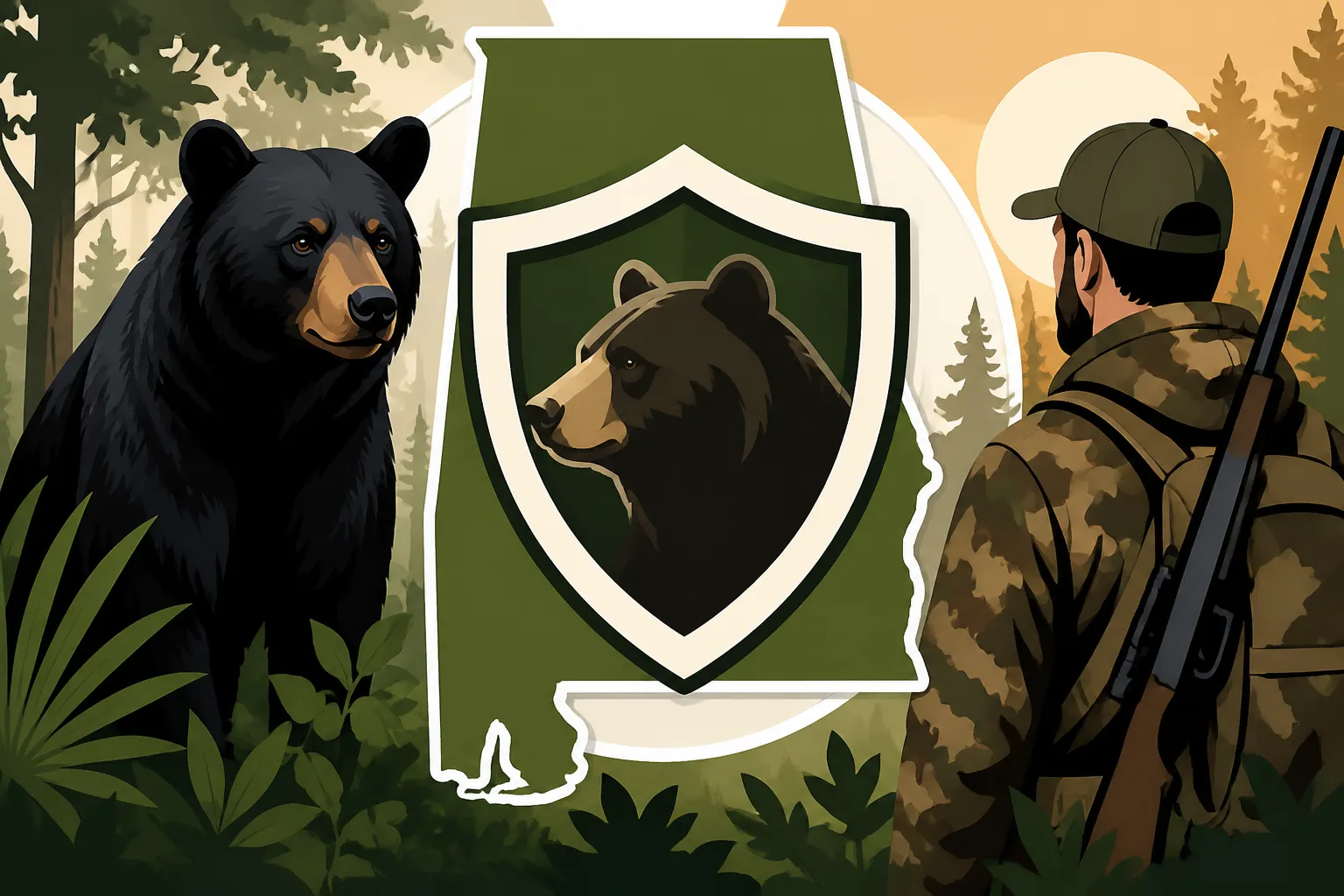
It's completely natural to wonder why some game animals have seasons and limits while others remain off-limits, especially when you start hearing more and more about a particular species. For many hunters and outdoor enthusiasts in Alabama, that species is the black bear. You might be seeing more signs of them, hearing stories, or even catching a glimpse yourself, leading to the question: why can't we hunt them? This guide will dive deep into the fascinating and often challenging journey of Alabama's black bear population, explaining precisely why they remain fully protected by state law and what that means for their future and for those of us sharing the woods with them.
The Historical Decline of Alabama's Black Bear Population
To truly understand why Alabama's black bears are so carefully protected today, we have to look back in time. It's a story of abundance, then near-disappearance, and now, a slow but hopeful return. For generations, black bears were an integral part of Alabama's wild landscapes, thriving in the dense forests and river bottoms across the state. They were a fixture, a powerful symbol of the deep wilderness that once covered so much of our beautiful state.
A Landscape Transformed and Habitats Lost
Imagine Alabama before widespread settlement: vast, unbroken tracts of hardwood forests, longleaf pine savannas, and intricate river swamp systems. In this rich tapestry of habitats, black bears were plentiful, roaming freely and finding everything they needed to survive. They were apex predators, crucial to the ecosystem, but their fortunes began to change dramatically with the arrival of European settlers. As the population grew, so did the demand for land. Forests were cleared at an astonishing rate for timber, agricultural fields, and homesteads. The very wildness that bears depended on was systematically dismantled, parcel by parcel.
This rapid transformation of the landscape had devastating consequences. Bear habitat was not just reduced; it was fragmented, leaving isolated pockets where populations became increasingly vulnerable. Beyond habitat loss, unregulated hunting played a significant role. Bears were often viewed as pests, a threat to livestock, or simply a source of meat and hides, and without any protective regulations, their numbers dwindled precipitously. It was a perfect storm of environmental change and unchecked exploitation that pushed these magnificent animals to the brink.
Extirpation and Isolated Remnants
By the early 20th century, the situation for black bears in Alabama was dire. What was once a widespread and robust population had been decimated, and bears were considered functionally extirpated from much of their historic range. When you looked across the state, the chances of encountering a bear were incredibly slim, outside of a very few, extremely isolated areas. These last holdouts were typically in the most remote, impenetrable swamps and river basins, places so wild and difficult to access that human encroachment was minimal.
One of these crucial remaining strongholds was the Mobile River Basin, particularly the vast swamp systems near the coast. Another was the rugged terrain around the Little River Canyon in Northeast Alabama, where steep cliffs and dense forests provided a refuge. These tiny, fragile populations were literally the last thread, clinging to existence while the rest of the state had largely forgotten what a wild bear looked like. The idea of hunting them at this point would have been unthinkable; there simply weren't enough to sustain any pressure whatsoever.
Current Recovery Efforts and Their Impact
The story isn't all gloom, though. Thanks to a monumental shift in conservation ethics and proactive management, Alabama's black bears are slowly, cautiously, making a comeback. It's been a long road, but the efforts of dedicated biologists and the natural resilience of the species are yielding positive results.
Natural Expansion and Reintroductions
One of the most heartening aspects of the black bear recovery in Alabama has been the natural expansion of existing populations. Bears from neighboring states, particularly healthy populations in Florida and Georgia, have gradually begun to filter back into suitable Alabama habitats. This slow, steady trickle of new individuals helps bolster our own recovering numbers. It’s like nature's own reintroduction program, with bears doing what bears do best – exploring and settling new territories. This natural movement, combined with any targeted reintroduction efforts, has been key to establishing new breeding populations. We now recognize Alabama's Two Bear Subpopulations, primarily those stemming from these original remnant groups and migrating bears.
Public land, like the Conecuh National Forest Hunting area in the southern part of the state, has served as a vital stepping stone for bears expanding north from Florida. Similarly, the mountainous regions of Northeast Alabama benefit from bears moving in from Georgia. While you might be scouting for deer or turkey, it’s worth being aware that you could be sharing the woods with a bear. Using mapping tools like GoHunt can help you understand the landscape features in these national forests and identify areas that might provide good cover for bears, even if you’re not targeting them for a hunt. This awareness is a crucial part of coexisting.
Habitat Protection and Corridor Development
Beyond the bears themselves, much of the recovery effort focuses on protecting and enhancing their habitat. You can't have bears without places for them to live, forage, and reproduce without constant human conflict. This means safeguarding large, unbroken tracts of wild land and, perhaps even more critically, developing and maintaining habitat corridors. These corridors are like wildlife highways, allowing bears (and other animals) to move safely between fragmented patches of habitat, reducing the risk of being isolated and increasing genetic exchange between subpopulations.
Our national forests—like the Conecuh, Talladega, and Bankhead—and various state wildlife management areas play an absolutely vital role in this. These large public land holdings provide the core habitat and crucial connective tissue that bears need to thrive. When you're out Scouting Alabama Public Land Before Season for your next deer hunt, take a moment to appreciate these expansive areas. They aren't just for deer; they're critical refuges for a whole host of wildlife, including bears. Conservation efforts often involve careful forest management, including prescribed burns and thinning, to create the diverse habitat structures that support a healthy bear population. For those who use mapping applications like GoHunt, understanding property lines and designated conservation areas can give you insight into where these crucial habitats are located and how extensive they are.
Why Protection Remains Critical for Long-Term Viability
Even with the positive signs of recovery, the journey for Alabama's black bears is far from over. Their continued existence in our state relies heavily on sustained protection, for reasons deeply rooted in their biology and the challenges of a modern landscape. It's not just about getting them back; it's about making sure they can stay.
Slow Reproduction and Vulnerable Populations
Black bears are simply not prolific breeders, which makes their populations inherently vulnerable to any form of increased mortality. Unlike some other game species that can bounce back quickly, bears mature slowly, often not breeding until they are three or four years old. When they do reproduce, litter sizes are typically small, usually one to three cubs, and these cubs stay with their mother for a long time—up to 18 months or even longer. This means a female bear might only produce a litter every two or three years.
This slow reproductive rate has a compounding effect on a recovering population. If even a small number of breeding females are lost, it can set back recovery efforts by years. The delicate balance of their numbers is such that any additional pressure, such as a hunting season, could easily tip the scales back towards decline. Biologists continue to monitor these trends closely, knowing that every single bear, especially a breeding female, is incredibly important to the overall health and future of the population. This is why you'll often hear about Why Black Bear Is a Species of Highest Concern in state wildlife planning.
Ongoing Threats Beyond Hunting
While the absence of a hunting season is a critical protective measure, bears in Alabama still face significant threats from other sources. Road mortality, for example, is a major concern. As bears expand their range and cross roads more frequently, collisions with vehicles become more common. This is especially true for younger bears dispersing to find new territories. Habitat loss and fragmentation, despite conservation efforts, remain ongoing issues as human development continues to push into wild areas. Even protected lands can be surrounded by development, creating barriers for bear movement.
Another persistent threat, though hopefully less prevalent now, is poaching. Illegal killing of bears undermines all conservation efforts and can be particularly damaging to small, recovering populations. Beyond these direct threats, human-bear conflicts also pose a challenge. When bears become habituated to human food sources, they can become "nuisance bears," which often leads to unfortunate outcomes for the animal. It's a sad reality that sometimes, a bear that becomes too comfortable around people is a bear that won't be around for long. This underscores why proactive measures to prevent conflicts are so crucial. If you ever witness or suspect illegal activity, knowing Reporting a Poacher in Alabama is important for helping wildlife officials protect these animals. And it is a serious offense; What Happens If You Shoot an Alabama Bear without justification can lead to significant penalties.
Scientific Monitoring and Management Goals
The decision to keep black bears fully protected isn't just an arbitrary one; it's deeply rooted in sound scientific principles and ongoing biological monitoring. Wildlife agencies, like the Alabama Department of Conservation and Natural Resources (ADCNR), continuously track bear sightings, road mortalities, and other indicators to assess population health, distribution, and growth. Biologists are working to understand movement patterns, reproductive success, and genetic diversity to ensure that the recovery is robust and sustainable.
The long-term goal is to establish a truly self-sustaining black bear population that can withstand natural fluctuations and human impacts. While it's tempting to think about a hunting season once numbers are up, the reality is that the population needs to reach a much higher threshold of stability and genetic diversity before such a consideration could even begin. Every report, every photograph, and every observed sign helps contribute to this crucial data. Using tools like GoHunt for general scouting in areas where bears are present can inadvertently help you observe and report any sightings to ADCNR, contributing to their data pool. This scientific approach ensures that decisions are made for the best long-term interest of the species. Alabama's Recovering Black Bear Population is a testament to this careful management.
Living Alongside Alabama's Recovering Bears
As black bears continue to expand their range across Alabama, the chances of encountering one are increasing for more and more people. This presents both an exciting opportunity to witness these magnificent animals in the wild and a responsibility to understand how to coexist safely and respectfully.
Encountering Bears in the Wild (and Near Home)
For many of us who spend time in Alabama's woods, encountering a black bear can be a truly unforgettable experience. Whether you're hiking in the William B. Bankhead National Forest Hunting, fishing a river swamp, or deer hunting in a remote WMA like Alabama Wildlife Management Areas, seeing a bear is a rare privilege. The key to these encounters, both in the deep woods and closer to developed areas, is to understand bear behavior. Generally, black bears are shy and prefer to avoid humans. Most encounters are fleeting glimpses as a bear quickly retreats.
However, as bears move into new areas, sometimes Bears Moving Into North Alabama Suburbs or other communities, interactions can become more frequent. If you encounter a bear, whether in the wilderness or near your home, remember to stay calm. Make noise, make yourself look as large as possible, and slowly back away. Never run, as this might trigger a chase instinct. It's crucial to understand What to Do If You See an Alabama Black Bear – it's often much less about aggression and more about curiosity or seeking food.
Securing Your Property and Attractants
One of the most critical aspects of living with a recovering bear population, especially in areas where sightings are increasing, is preventing bears from associating humans with food. This often comes down to managing attractants around your home and property. Bears are incredibly smart and have an amazing sense of smell. If they find an easy meal, they'll remember that spot and keep coming back. This is why securing your trash, even if it's in a sturdy can, is paramount. Consider bear-resistant containers or keeping trash in a garage until collection day.
Other attractants include pet food bowls left outside, bird feeders (especially during spring and summer when bears are most active), outdoor grills with food residue, and even compost piles. By taking these simple steps, you can significantly reduce the likelihood of a bear becoming a "problem bear" – one that becomes habituated to human presence and food, often leading to negative outcomes for the bear. We often hear the saying, "a fed bear is a dead bear," and while harsh, it reflects the tragic reality that habitual nuisance bears often need to be removed from the population for public safety.
The Role of Hunters in Conservation
While Alabama hunters cannot pursue black bears, our community plays an incredibly vital role in their conservation and continued recovery. Hunters are often the first line of defense for wildlife, deeply connected to the land and attuned to its changes. Our purchase of Alabama Hunting Licenses and What They Cost, along with federal excise taxes on hunting equipment, directly funds state wildlife agencies and their conservation programs—including those benefiting black bears. This financial support is a cornerstone of American wildlife management.
Furthermore, hunters are critical observers in the field. By being vigilant and reporting bear sightings to ADCNR, you contribute valuable data that biologists use to track population trends and range expansion. If you ever see a bear that appears injured, sick, or is causing a problem, contacting wildlife officials is the right thing to do. Our ethical commitment to wildlife management, even for species we cannot hunt, is a testament to the broader conservation ethic of hunters. Being an informed and responsible outdoors person is perhaps the greatest way we can support the long-term future of Alabama's magnificent black bears. Whether you're hunting deer in the Public Hunting Land in Alabama or pursuing small game, you're a part of the bear's neighborhood now.
Here's a quick look at the journey of Alabama's black bears:
| Aspect | Early 20th Century (Pre-Protection) | Present Day (Under Protection) |
|---|---|---|
| Population Status | Critically low, near extirpation | Recovering, slowly increasing |
| Primary Threats | Habitat destruction, unregulated hunting | Road mortality, habitat fragmentation, human-bear conflict |
| Habitat Extent | Severely fragmented, limited refugia | Expanding, focused on protected public lands |
| Reproduction Rate | Unsustainable losses | Slow, but net positive due to protection |
| Legal Status | Unprotected, often considered vermin | Fully protected, illegal to hunt |
| Public Awareness | Low, bears largely forgotten | Growing, increased sightings and education efforts |
Disclaimer
This article is for general informational purposes only and does not constitute professional advice. Laws, prices and regulations vary by location and change over time. Consult a qualified professional for guidance on your specific situation.