Alabama Turkey Population Estimate
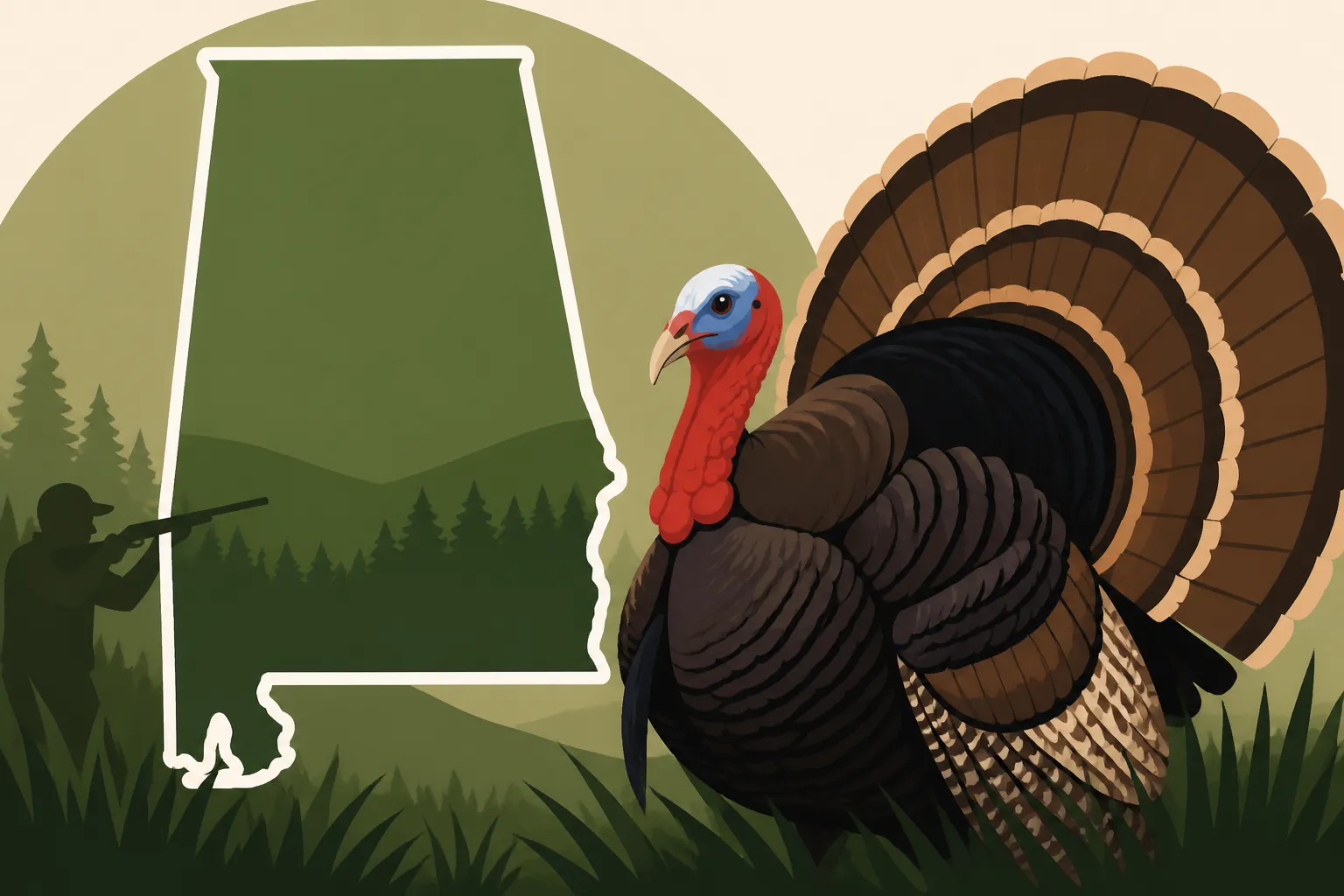
It's a question every turkey hunter in Alabama asks themselves when they're sitting in the pre-dawn quiet, waiting for the woods to wake up: How are the birds doing this year? We all hope for a booming population, full of gobbling longbeards, but the reality is often more complex. This guide will walk you through how biologists arrive at the Alabama turkey population estimate, what factors make that number fluctuate, and what it really means for your spring hunt.
Understanding Alabama's Turkey Population Estimate
Let's be honest, trying to count every wild turkey in Alabama is like trying to count every pine needle in the Talladega National Forest—it’s just not feasible. What state wildlife agencies provide, instead, is an estimate. This estimate is a crucial tool for wildlife managers, giving them a broad understanding of the health and density of our turkey populations across the state. It helps them make informed decisions about season lengths, bag limits, and habitat management efforts.
These estimates aren't just pulled out of thin air. They're the result of years of data collection, scientific modeling, and dedicated fieldwork by biologists and technicians who are deeply passionate about these birds. While you might not get a precise number down to the last gobbler, what you do get is a reliable indicator of whether the population is trending up, down, or holding steady. This information is vital for ensuring we have turkeys to hunt for generations to come, preventing overharvesting in lean years, and allowing for more generous seasons when the birds are thriving. It's a balancing act that requires a lot of biological expertise and a keen understanding of the state's diverse habitats.
Factors Influencing Alabama's Turkey Numbers
Wild turkey populations are incredibly dynamic, constantly shifting based on a multitude of environmental and biological factors. It's never just one thing that impacts the numbers; it's a complex interplay. Understanding these factors can give you a better grasp of why one year might feel like a turkey paradise and the next a bit tougher.
Weather Patterns and Reproduction Success
One of the biggest drivers of turkey numbers, particularly year-to-year fluctuations, is the weather during nesting and brooding season. Think about it: a hen lays her clutch of eggs, and then those little poults hatch. If you have prolonged, cold, and rainy weather during these critical periods, it can be devastating. Poult survival, or the ability of young turkeys to make it past their first few weeks, is absolutely paramount to a strong population. Heavy, cold rains can lead to hypothermia in vulnerable poults, and wet conditions can also reduce insect availability, which are a critical food source for growing youngsters. Conversely, mild, dry springs often lead to excellent poult survival, and you’ll often hear hunters talking about seeing more birds the following season. This directly impacts Poult-to-Hen Ratios and What They Mean, a key metric biologists watch closely.
Habitat Quality and Availability
You can’t have turkeys without good habitat. Alabama is rich in diverse ecosystems, from the piney woods of the Wiregrass to the hardwood bottomlands along the river deltas, and each offers different levels of support for wild turkeys. Turkeys need a mosaic of different habitat types: open areas for strutting and bugging, dense cover for nesting, and mature timber for roosting. Changes in land use, timber practices, and agricultural patterns can all significantly impact how many birds an area can support. For instance, clear-cutting without proper regeneration can remove crucial nesting cover, while carefully managed longleaf pine forests can provide excellent conditions for turkeys and other game birds. Habitat quality is probably the most enduring factor in how many turkeys an area will consistently hold. A good example of this is seen in the differences in bird numbers if you compare the forested northern zones to the more agricultural Black Belt.
Predation Pressure on Nests and Poult
Predators are a natural part of any ecosystem, and turkeys have evolved alongside them. However, an imbalance in predator populations can certainly put pressure on turkey numbers, especially during nesting and poult-rearing seasons. Raccoons, opossums, coyotes, and even snakes are all keen egg eaters, and an increase in their numbers can lead to higher rates of Nest Predation and Alabama Turkey Hatches. While a healthy turkey population can generally withstand some predation, intense pressure, especially when combined with poor weather or degraded habitat, can certainly hinder population growth. Hunters often try to manage predator numbers on their private land, but on a statewide scale, this is a complex issue driven by ecological balance.
Disease and Health
Just like any wildlife species, turkeys can be susceptible to various diseases. While widespread outbreaks are less common than other factors, localized incidents of diseases or parasites can certainly impact flock health and survival. Biologists monitor for signs of disease, and a healthy, well-fed population with good habitat is generally more resilient to these challenges. While we don't often see major die-offs from disease in turkeys like we might in deer with EHD, it's still a background factor that plays a role in overall population vitality.
How Biologists Track Turkey Populations
So, if counting every bird is impossible, how do biologists come up with these estimates? It's a combination of direct observation, hunter surveys, and scientific modeling, all designed to give the most accurate picture possible of the Alabama Turkey Population Estimate. It's a methodical process that takes a lot of time and effort from dedicated wildlife professionals.
Brood Surveys and Poult-to-Hen Ratios
One of the most critical tools for gauging the health of a turkey population is the annual brood survey. These surveys typically take place in the summer months, after the nesting and hatching period is mostly over. Biologists and trained volunteers drive established routes or observe specific areas, recording every hen they see and how many poults are accompanying her. This data helps calculate the crucial "poult-to-hen ratio"—how many young birds are being produced per hen. A high ratio suggests a successful nesting season and good poult survival, signaling a potentially strong recruitment of young birds into the population for future years. A low ratio, conversely, raises concerns about next year's numbers. Hunters can even contribute to these surveys by reporting their sightings through the Outdoor Alabama app or website, giving valuable localized data points that supplement the official surveys. This kind of citizen science is incredibly important. If you want to dive deeper into this, check out the information on Alabama Turkey Brood Survey Results.
Hunter Harvest Data and Reporting
Every time you harvest a turkey in Alabama and report it through the Game Check system, you're contributing valuable data to the population estimate. This isn't just a regulatory hoop; it's a vital piece of the puzzle. The number of birds harvested, the average age of gobblers, and success rates reported by hunters all provide insights into the overall population health and how hunting pressure is impacting it. If harvest numbers decline significantly despite consistent hunting effort, it can signal a dip in the population. Conversely, rising harvest numbers suggest a healthy or growing population. This data, combined with population estimates, helps inform decisions about Alabama Turkey Bag Limit Rules and season structures. Analyzing Alabama Turkey Harvest Numbers over time gives a trend line that's often reflective of the population's general health.
Scientific Research and Modeling
Beyond direct observations and hunter reports, biologists also conduct various scientific studies. This can include trapping and banding turkeys to track their movements, survival rates, and reproductive success. Telemetry studies, where turkeys are fitted with small transmitters, can provide detailed information on nesting success, poult survival, and habitat use. All of this intensive data is then fed into sophisticated population models. These models use statistical analysis to estimate population size, project future trends, and assess the impact of different management strategies. It’s a complex scientific endeavor that helps paint the most complete picture possible of Alabama's wild turkey populations. Tools like those found on GoHunt can sometimes help hunters interpret complex data or understand broader ecological trends that influence these models.
| Method of Estimation | What it Tracks | Key Insight Provided | Challenges |
|---|---|---|---|
| Brood Surveys | Poult survival, hen productivity | Recruitment of young birds into the population | Weather dependence, observer bias |
| Hunter Harvest Data | Harvest rates, hunter success | Population trends, impact of hunting pressure | Compliance with reporting, varying hunter effort |
| Trapping & Banding | Survival, movement, reproductive data | Detailed biological metrics, local population dynamics | Labor intensive, small sample sizes |
| Telemetry Studies | Nesting success, habitat use | Fine-scale ecological understanding | Costly, small study areas |
What the Estimate Means for Hunters
Okay, so biologists have crunched the numbers and given us an estimate. What does that mean for you, the hunter who’s itching to hit the woods this spring? Understanding the estimate isn't just about curiosity; it can actually inform your hunting strategy and expectations.
Adjusting Expectations Based on Trends
If the statewide estimate suggests a dip in turkey numbers, particularly after a few years of poor poult production, it's a good idea to adjust your expectations. This might mean working harder for fewer opportunities, passing on marginal birds, or focusing more on scouting to find pockets of higher bird density. It doesn't mean you won't kill a bird, but it does mean that success might require more patience and persistence. On the flip side, if the numbers are looking strong, you might experience more consistent gobbling and more opportunities throughout the season. Knowing the general trend, whether it's up or down, helps manage your mental game. You can check resources like the Outdoor Alabama app or even GoHunt to potentially cross-reference data from different hunting years to spot these trends more easily.
Focusing on Local Hotspots and Habitat
A statewide estimate is just that – a broad average. It doesn't mean every single county or specific patch of woods will mirror that trend. Even in years where the overall numbers are down, you can still find strong local populations where habitat is exceptional, or conditions were particularly favorable. This highlights the importance of thorough Scouting Alabama Public Land Before Season or your private hunting ground. Look for areas with diverse habitat, good roosting timber, and plenty of bugging areas. Focus on food sources like acorns from the previous fall, which can concentrate birds. Even if the broader picture is challenging, diligent scouting can still put you on birds. This is where understanding specific regions, like the Best Alabama Counties for Turkeys, can also be beneficial.
Advocating for Sound Management Practices
As hunters, we have a vested interest in healthy turkey populations. Understanding how these estimates are derived and the factors that influence them empowers us to be better stewards of the resource. Support for habitat improvement projects, responsible timber management, and participating in hunter surveys are all ways we can contribute. Knowing the population estimate helps us understand the "why" behind hunting regulations, such as the timing of When Alabama Turkey Decoys Become Legal or daily bag limits. It reinforces the idea that hunting isn't just about the harvest; it's about being an active part of conservation, ensuring that Alabama continues to be a fantastic place for Spring Turkey Hunting in Alabama for future generations. We all want to hear those gobblers sound off, and being informed helps make sure that continues to happen.
Disclaimer
This article is for general informational purposes only and does not constitute professional advice. Laws, prices and regulations vary by location and change over time. Consult a qualified professional for guidance on your specific situation.