Alabama Special Opportunity Dove Fields
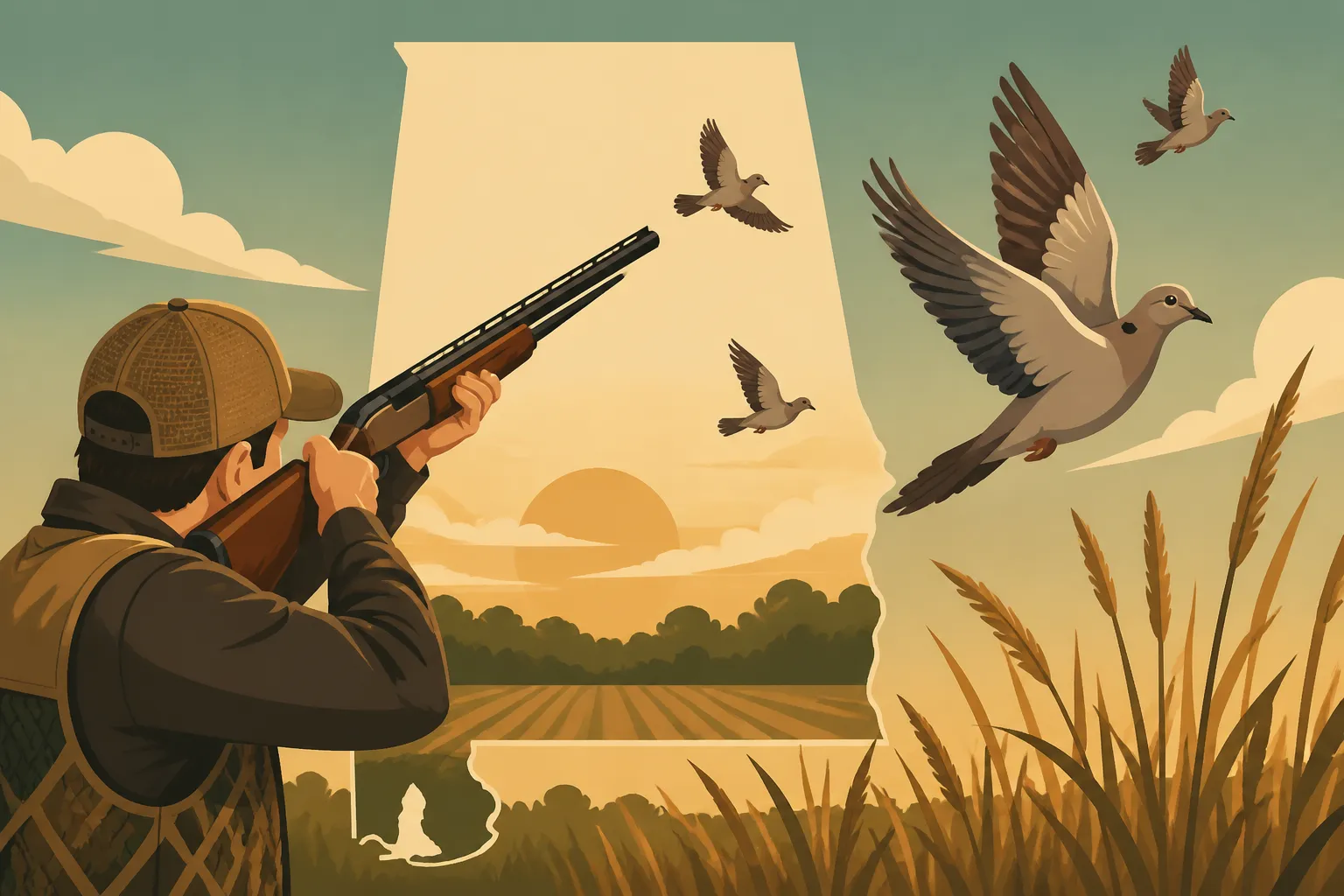
Finding a prime dove hunting spot can feel like a yearly battle, especially if you’re trying to navigate public lands that often see immense pressure. It’s tough to scout effectively, and even tougher to find a field that hasn't been picked over. That’s where Alabama’s Special Opportunity Dove Fields come in, offering a managed, less crowded experience designed to give hunters a better chance at a successful hunt. This guide will walk you through what these fields are, how to apply, and what you need to know to make the most of this unique hunting opportunity.
What Are Alabama Special Opportunity Dove Fields?
Alabama’s Special Opportunity Dove Fields are a fantastic initiative by the Alabama Wildlife and Freshwater Fisheries Division (AWFF) to provide enhanced dove hunting experiences for sportsmen. Unlike typical public dove fields that are open to anyone with a license, these fields are managed parcels of land, usually planted with dove-attracting crops like sunflowers, millet, or corn, and access is strictly controlled through a limited draw system. This means fewer hunters on a given day, translating to a higher-quality experience and often better hunting success.
The Purpose of Special Opportunity Fields
The primary goal of these fields is to distribute hunting pressure and provide a premium experience. Think about it: a regular public field can sometimes feel like a firing squad on opening day, with doves flaring long before they get into shotgun range due to the sheer volume of hunters and continuous shooting. The special opportunity fields mitigate this by limiting the number of hunters to a manageable level for the field's size. This allows birds to decoy more naturally and provides a safer, more enjoyable environment for everyone. These fields are often located on Wildlife Management Areas (WMAs) or other state-owned lands, ensuring consistent management and habitat improvement focused on migratory birds.
How They Differ from Regular Public Fields
The most significant difference, as mentioned, is the access method. Regular public dove fields operate on a first-come, first-served basis, which can lead to overcrowding and intense competition for prime spots. Hunters might show up hours before legal shooting light just to claim a good spot, which isn't always feasible for everyone. Special Opportunity Dove Fields, however, require a pre-season application and a random draw. If your name is drawn, you receive a permit for a specific date and time slot, guaranteeing your access and a controlled number of fellow hunters. This system removes the stress of fighting for a spot and ensures a more distributed and fair hunting opportunity. Furthermore, these fields are often managed more intensively for doves, with careful attention paid to planting schedules and field conditions, making them highly attractive to migrating birds.
Let's look at a quick comparison:
| Feature | Regular Public Dove Field | Special Opportunity Dove Field |
|---|---|---|
| Access | First-come, first-served; open to all licensed hunters | Controlled by lottery draw; limited permits per hunt day |
| Hunter Density | Can be very high, especially on opening day | Low, pre-determined number of hunters |
| Management Intensity | Varies; some are managed, some are simply open fields | High; actively planted with dove-attracting crops |
| Scouting | Generally allowed, but high pressure can make it less effective | Often restricted until hunt day; reliance on management |
| Overall Experience | Can be chaotic, competitive, less predictable | Managed, calmer, often higher quality, more predictable |
Applying for a Special Opportunity Dove Field Hunt
The application process for these special hunts is a crucial step, and understanding the timelines and requirements is key to even having a chance at participating. It's not overly complicated, but it does require some forethought and timely action.
The Application Process and Key Dates
All applications for Special Opportunity Dove Fields are handled online through the Outdoor Alabama website. Typically, the application window opens sometime in late summer, often in July or early August, leading up to the state's traditional Alabama Dove Season Opening Weekend. It’s vital to check the Outdoor Alabama website or sign up for their email alerts well in advance to catch the exact dates. Missing the application deadline means missing out on these hunts for the year. The application is usually simple, requiring your license information and preferences for certain hunt dates or locations if multiple options are available. There might be a small application fee, but it's generally nominal, just a few dollars, to help cover administrative costs.
Once the application window closes, the AWFF conducts a random drawing. Successful applicants are usually notified a few weeks before the season opens, giving you enough time to plan. You'll often receive an email notification if you've been drawn, along with specific instructions for your hunt, including directions to the field, start times, and any unique rules for that particular location.
Necessary Permits and Licenses
Before you even think about applying for a Special Opportunity Dove Field, you need to ensure you have all your standard Alabama hunting licenses in order. This includes:
- A valid Alabama Hunting License: This is your base license, whether you're a resident or non-resident. You can find details on various options like the Alabama Resident All-Game License Cost on the Outdoor Alabama site.
- Harvest Information Program (HIP) Certification: This is mandatory for anyone hunting migratory birds in Alabama, including doves. It's free and usually completed when you purchase your hunting license. This helps wildlife agencies gather data on migratory bird harvests. You'll want to review the Alabama Migratory Bird Certification requirements carefully.
- Alabama Waterfowl Stamp (State Duck Stamp): While doves are not waterfowl, some Special Opportunity Fields may be on WMAs that require a WMA license or permit. Always double-check the specific requirements for the field you're applying for. You can usually purchase this online at the same time as your regular hunting license.
It's a good idea to buy your licenses well before the application period opens to avoid any last-minute rushes or technical glitches. While tools like GoHunt are fantastic for scouting and understanding general public land hunting regulations in Alabama, the actual application for these special dove hunts must be done directly through the official Outdoor Alabama portal. Don't rely on third-party apps for the application itself.
Rules and Regulations for Special Opportunity Hunts
Hunting on a Special Opportunity Dove Field comes with a specific set of rules designed to maintain safety, ensure fair chase, and manage the resource effectively. These rules are usually clearly communicated to drawn hunters, but it's your responsibility to know and follow them.
Field-Specific Rules and Guidelines
When you're drawn for a Special Opportunity hunt, your permit will come with precise instructions. These often include a map of the specific field and designated parking areas. Unlike some public lands where you can walk in anywhere, these fields usually have controlled access points. You might also be assigned a specific area or "stand" within the field, or it might be free-roam within the marked boundaries, but with a hard cap on hunter numbers. Always confirm the details on your permit.
Blaze Orange: For dove hunting, blaze orange is typically not required, as it is for deer hunting. However, on some multi-use WMAs, if other hunting seasons are open concurrently, there might be specific requirements. When in doubt, it’s always better to wear some blaze orange while moving through areas where deer or other big game hunters might be present. Check your permit or the WMA's specific regulations.
Shot Size and Shell Limits: Generally, for dove hunting in Alabama, shotguns must be plugged to hold no more than three shells total (one in the chamber, two in the magazine). This is a federal migratory bird regulation. As for shot size, anything from 7.5 to 9 is common for doves, but some fields might have restrictions on larger shot sizes to prevent potential damage to crops or for safety reasons. Again, refer to your specific permit.
Bag Limits and Decoy Rules
Alabama has established clear bag limits for doves, and these apply to Special Opportunity Fields just as they would to any other hunt. The current daily bag limit for mourning doves is typically 15 birds per hunter. Possession limits also apply, usually being three times the daily bag limit. It's crucial to correctly identify your birds and keep an accurate count. You can find the most current limits on the Outdoor Alabama website or by checking the Alabama Dove Season Bag Limit information.
Regarding decoys, the use of decoys is generally permitted for doves. This includes traditional static decoys, spinning-wing decoys (like Mojo doves), or even silhouette decoys. These can be highly effective in drawing birds into range. However, it's worth noting the Alabama's Ten-Day Decoy Restriction rule that applies to turkeys, which is not applicable to doves. For doves, you're usually good to go with your preferred decoy setup, but as always, a quick check of your specific hunt instructions will confirm. Some fields might have rules about placement or leaving decoys overnight, but these are usually minor details.
Baiting: It is illegal to hunt doves over a baited field in Alabama. "Baiting" means placing or scattering grain or other feed to attract birds. Special Opportunity Dove Fields are planted and managed to naturally attract doves through standing crops or fields prepared for harvest, which is legal. Always be aware of the Alabama Dove Field Baiting Rules to ensure your hunt is legal and ethical.
Maximizing Your Success on a Special Opportunity Dove Field
Being drawn for a Special Opportunity Dove Field hunt is just the first step. To truly make the most of it, you need to prepare thoroughly and employ smart hunting tactics. These fields are managed, but success still hinges on your approach.
Pre-Hunt Preparation and Scouting
Since access to these fields is restricted until your hunt day, traditional, in-person scouting might not be possible. However, you can still do a lot of homework beforehand. Use online mapping tools, including the Outdoor Alabama app, to examine the field layout, identify potential flyways, and locate areas of cover or isolated trees that doves might use. You can also leverage satellite imagery from services like GoHunt to get a bird's-eye view, looking for features like power lines, water sources, or adjacent fields that could influence dove movement. Pay attention to wind direction forecasts for your hunt day, as doves often fly into the wind when approaching a field.
Consider the time of year and general dove behavior. Early season doves might be more patterned to specific food sources, while later season birds might be seeking water or grit more actively. Reviewing the Setting Up a Dove Field Before Opening Day or Working a Dove Field on Opening Day resources can offer valuable generic strategies that can be adapted to these specific fields. Pack all your essentials the night before: shotgun, shells (plenty of them!), cooler with ice, water, snacks, a comfortable chair or bucket, sunglasses, ear protection, and bug spray.
Effective Setup and Decoy Strategies
Once you arrive at the field and understand your assigned area or the general layout, choose your setup spot wisely. Look for natural cover like fencerows, standing weeds, or the edge of treelines where you can break up your silhouette. If natural cover is scarce, bring a small portable blind or camouflaged netting. The key is to blend in with your surroundings. Doves have excellent eyesight, and they will flare if they spot you.
Decoys can be incredibly effective on these managed fields. Place spinning-wing decoys (like a Mojo) strategically to imitate landing birds, typically 15-20 yards out from your position, with static decoys scattered around them to create a realistic flock. Face the spinning-wing decoy into the wind, as real birds land into the wind. If you're near a Pass-Shooting Doves Over a Water Hole, consider placing decoys on the edge of the water to draw in thirsty birds. Experiment with decoy placement throughout the day if activity slows down – sometimes a small adjustment can make a big difference. Remember, the goal is to make your setup look inviting and safe to incoming doves.
Hunting Ethics and Shot Placement
Even on a managed field, practicing good hunting ethics is paramount. When a dove is shot, mark its fall immediately and retrieve it as quickly as possible. This minimizes lost birds and ensures humane treatment. Be mindful of other hunters in the field; always know their positions and maintain safe shooting lanes. Never swing your gun on a bird that is headed towards another hunter's zone or directly overhead without a safe backdrop. Communication with other hunters, even if you don't know them, can enhance safety and the overall experience.
For shot placement, aim for the head or body, leading the bird appropriately based on its speed and angle. Doves are small and fast, so accurate lead is essential. Don't take excessively long shots, as this often leads to wounded birds that are difficult to recover. Stick to reasonable ranges where you are confident in your ability to make a clean kill. After the hunt, remember to properly dispose of all your spent shells, trash, and any harvested birds. Leaving the field cleaner than you found it is a testament to responsible hunting.
Disclaimer
Hunting is an inherently dangerous activity. Always prioritize safety by adhering to all firearm safety rules, wearing appropriate personal protective equipment, and being aware of your surroundings. This guide provides general information, but hunting regulations can change. It is your responsibility to review and comply with all current Alabama Department of Conservation and Natural Resources (ADCNR) regulations, local laws, and specific permit requirements for any hunt. Ensure you possess all necessary licenses and permits before heading afield.