Alabama Quota Hunt Application Window
Oh, the Alabama quota hunt application window! If you've ever felt like you're trying to hit a moving target or find a needle in a haystack when it comes to figuring out when and how to apply for those coveted spots, you're definitely not alone. It can feel a bit overwhelming, with specific dates, different species, and a whole process to navigate. This guide is here to untangle all that confusion, giving you a clear roadmap so you don't miss out on your chance to hunt some of Alabama's most unique and well-managed areas.
Decoding Alabama's Quota Hunt System
Before we dive into the nitty-gritty of application windows, it’s really helpful to understand why Alabama even has a quota hunt system in the first place. It's not just another hoop to jump through; it's a vital tool for wildlife management and ensuring quality hunting experiences for everyone.
Why Quota Hunts Are a Necessary Tool
Imagine every hunter in Alabama showing up at the same prime spot on opening day. Chaos, right? That’s exactly what quota hunts aim to prevent. These hunts are designed to limit the number of hunters in specific areas, especially on Wildlife Management Areas (WMAs) and other highly desirable public lands. This controlled access isn't about exclusion; it's about managing hunting pressure, maintaining healthy game populations, and providing a more solitary, high-quality experience for those lucky enough to draw a tag.
Think about it: fewer hunters often mean less disturbance to wildlife, which can lead to more natural animal behavior and a better chance for you to encounter game. It also allows the Alabama Wildlife and Freshwater Fisheries Division (AWFF) to gather crucial data on harvest rates within those controlled environments, helping them make smarter decisions for the future of Alabama's game species. Without these systems, some of our most productive public lands would be overrun, diminishing the experience for everyone and potentially harming the resource. This management also contributes to maintaining healthy populations, which is crucial, especially when you're looking at things like the current deer population estimate in different regions.
Diverse Opportunities: What Quota Hunts Offer
Alabama's quota hunt system isn't just for one type of game; it's quite diverse! You'll find quota opportunities for some of the most sought-after species in the state. Primarily, these include:
- White-tailed Deer: These are perhaps the most popular, offering limited-entry hunts in areas known for quality deer or simply to reduce pressure on specific WMA tracts. Many hunters dream of drawing a deer tag for a prime WMA like Barbour WMA, hoping for a crack at a mature buck in a less pressured environment.
- Wild Turkeys: Spring turkey hunts under a quota system are highly prized. They allow hunters access to areas where gobblers might be less pressured, increasing your chances of a successful spring hunt.
- Waterfowl: Special quota hunts for ducks and geese, particularly in prime wetland habitats or along major river systems like the Tennessee River, are also available, often involving specific blind locations or access points.
- Feral Hogs: While feral hogs are a year-round target in most of Alabama, some quota hunts might offer special access or unique opportunities, perhaps combining them with deer or other species hunts in specific zones.
These diverse offerings mean there’s usually something for every type of hunter looking for a unique public land experience, beyond just your standard Alabama Deer Season Structure Explained or Spring Turkey Hunting in Alabama options.
The Specifics: Where Quota Hunts Happen
Quota hunts are almost exclusively held on specific public land tracts managed by the state, primarily within Alabama’s extensive network of Wildlife Management Areas (WMAs) and certain National Wildlife Refuges. These are often areas that receive significant hunting pressure or possess unique habitat features that make them particularly valuable for wildlife.
For instance, you might find quota hunts within regions of the Oakmulgee District Deer Hunting or the Black Warrior WMA Inside Bankhead Forest. These are prime examples of public lands where controlled access helps maintain quality. The specific locations can change year to year based on management needs and wildlife surveys, so it's always crucial to check the latest regulations directly from the Alabama DCNR (Department of Conservation and Natural Resources) or through resources like the Outdoor Alabama App. Being familiar with the layout and specific rules of a WMA is also important, especially regarding things like Treestand Setups in Talladega National Forest or Ground Blind Rules on Alabama WMAs.
Navigating the Application Window and Process
This is where the rubber meets the road! Knowing when to apply is just as important as knowing how. Missing the window means missing your shot at some incredible hunting opportunities.
The All-Important Application Dates for Deer, Waterfowl, and More
For the general big game and waterfowl quota hunts – primarily deer, but often including some hog or special waterfowl opportunities – the application window in Alabama typically runs during the summer months.
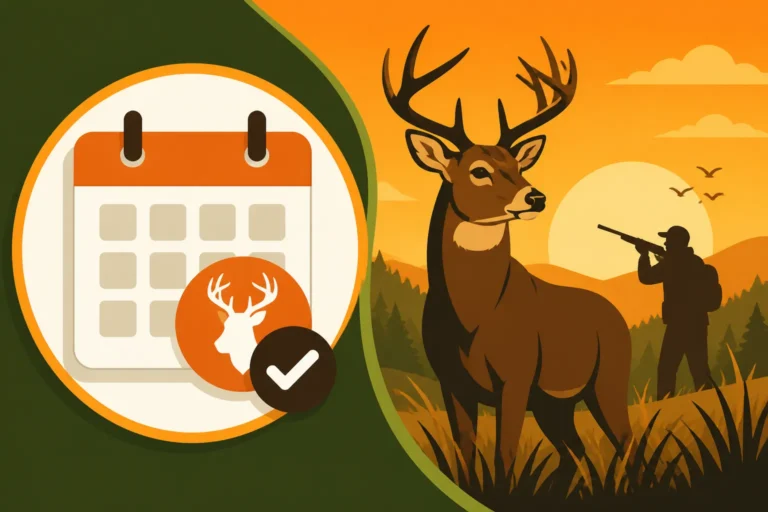
Based on recent years, you can usually mark your calendar for July 1st through August 31st. This two-month window is your primary chance to apply for the fall and winter deer, small game, and waterfowl quota hunts. It's a critical period to get your applications in for hunts that will take place later in the year, coinciding with the regular hunting seasons. This timing allows the AWFF to conduct the draw, notify hunters, and allow time for successful applicants to plan their hunts well before opening day. I always advise setting a reminder on your phone for early July and another for mid-August, just to be safe!
Spring Turkey Quota Hunt Application Details
Spring turkey hunters, listen up! Your application window for quota hunts usually operates on a different schedule than the fall/winter hunts. Typically, the application period for spring turkey quota hunts opens in the dead of winter, giving you time to plan your gobbler pursuit.
You can generally expect the spring turkey quota hunt application window to be open for the entire month of February (February 1st through February 28th/29th). These hunts, as you might guess, are for the various spring turkey zones and dates across the state. Given the fervor for turkey hunting in Alabama, these spots are highly competitive. So, if chasing a longbeard in a less pressured environment is your goal, make sure to mark February on your calendar.
A Step-by-Step Guide to Applying Online
Applying for an Alabama quota hunt is a fairly straightforward online process, but it requires attention to detail.
- Access the Outdoor Alabama Website: Your first stop is always the official Outdoor Alabama website. Look for the "Licenses & Permits" section, and then navigate to the "Quota Hunts" link. This is the central hub for all things related to applications.
- Log In or Create an Account: If you already have an Alabama hunting license, you’ll have an existing customer ID. If not, you'll need to create one. This account will link to your Alabama Hunting Licenses and What They Cost and your hunter education status.
- Browse Available Quota Hunts: Once logged in, you'll see a list of all available quota hunts for the current application period. These will be broken down by species, WMA, hunt dates, and the number of available permits. Take your time to review the options.
- Select Your Choices: This is where strategy comes in. You'll typically be allowed to select multiple choices, usually ranked by preference. For example, you might pick three different deer hunts on three different WMAs, ranking your first, second, and third choices. Be mindful of the hunt dates and ensure they don't overlap if you're applying for multiple species.
- Provide Necessary Information: You’ll need to confirm your personal details and often indicate if you’re applying as an individual or as part of a group. More on group applications in a bit!
- Pay the Application Fee: There's usually a small, non-refundable application fee per hunt or per application. Make sure to have a credit or debit card ready. This fee covers the administrative costs of running the lottery.
- Confirm and Print: After submitting, you’ll receive a confirmation. It’s always a good idea to print this out or save a digital copy for your records. This confirmation is your proof of application.
Platforms like GoHunt, while primarily focused on Western states, offer valuable tools for hunt planning and research that can apply anywhere, even if you’re not directly using them for the Alabama application itself. Their filtering and scouting features can help you better understand what makes a good hunting spot, even on an Alabama WMA.
Understanding the Drawing and Notification Process
Once the application window closes, the waiting game begins. The Alabama Wildlife and Freshwater Fisheries Division conducts a computerized random drawing to select successful applicants.
- Drawing Timeline: For the summer application period (deer, waterfowl, etc.), drawings are typically held in late September or early October. For spring turkey, the drawing is usually in early March.
- Notification: If you are successful in the draw, you will typically be notified via email. It's crucial to ensure your contact information is up-to-date in your Outdoor Alabama account and to check your spam folder regularly during the notification period.
- Acceptance and Payment: If you draw a permit, you usually have a short window (e.g., 7-10 days) to accept the permit and pay any associated permit fees. Do not miss this deadline! If you fail to accept and pay, your permit will be forfeited and may be offered to an alternate.
- Unsuccessful Applicants: If you're not drawn, you'll often receive an email notification as well, or you can check your status directly on the Outdoor Alabama website. Don't get discouraged! Many of these hunts are highly competitive, and it's common to take multiple tries.
Strategies for Improving Your Odds (Even Without Preference Points)
Let's be real, drawing a quota hunt can feel like winning the lottery, and in many ways, it is! While Alabama doesn't use a preference point system to give you a cumulative advantage over time, there are still some strategic choices you can make to subtly improve your chances.
Researching High-Potential Quota Areas
Knowledge is power, especially in the quota hunt game. Don't just pick a WMA at random; do your homework!
- Review Past Harvest Data: The AWFF often publishes harvest reports from WMAs. While these aren't always specific to quota hunts, they can give you an idea of overall deer or turkey densities and success rates for areas. Look for patterns in Alabama Deer Harvest Records or Alabama Turkey Harvest Numbers.
- Consult WMA Specific Regulations: Each WMA has its own set of rules and, often, its own habitat characteristics. Some might be known for growing larger bucks, while others might have a higher density of does. Understand what kind of experience each WMA offers.
- Talk to Other Hunters: Online forums, local hunting clubs, or even folks you meet at the local bait shop can offer invaluable anecdotal evidence about certain areas.
- Utilize Mapping Tools: Digital mapping tools like the Outdoor Alabama App or GoHunt's mapping layers can help you virtually scout different WMAs. Look for habitat features that might concentrate game, such as creek bottoms, dense cover, food plots, or areas that seem harder to access for the general public. Identifying these features can help you select hunts in areas with higher inherent potential. Pay attention to how the land is managed; some WMAs might have active timber management, which creates fresh browse and bedding areas.
The Truth About Alabama's Draw System: No Preference Points
This is a really important point and a common source of confusion for hunters coming from other states. Many Western states, and even some in the Southeast, employ a preference point or bonus point system where unsuccessful applicants accrue points that give them a mathematical advantage in future draws. This rewards persistence.
However, as of now, Alabama does NOT utilize a preference point system for its quota hunts. Every single application, whether it's your first time or your tenth, goes into the lottery with an equal chance for that specific hunt. This means:
- No Cumulative Advantage: You don't get "credit" for past unsuccessful applications.
- Every Draw is a Fresh Start: This can be frustrating if you've been applying for years, but it also means a first-time applicant has just as good a chance as a seasoned veteran.
- Focus on Quantity and Strategy: Since there's no preference point system, your best bet is to apply consistently, make smart choices with your ranked selections, and consider group applications.
Making Smart Choices for Group Applications and Hunt Dates
While you don't get preference points, you can still be strategic.
- Group Applications: Many quota hunts allow for group applications (often up to four hunters). If one person in the group draws, everyone in the group draws. This can be a huge advantage! If you and three buddies all apply individually, you each have one chance. If you apply as a group, you still have essentially one "ticket" in the draw, but if that ticket wins, four people get to hunt. The downside is if you apply as a group, and only one person's application is drawn, the entire group is either selected or not. However, it's often a better bet than everyone applying separately for the same hunt and only one person getting in.
- Important: All members of a group application must meet the eligibility requirements, including having valid hunting licenses and hunter education certification. Make sure everyone in your group is committed to the hunt dates before applying.
- Less Popular Hunt Dates: Some hunt dates are inherently more popular than others. Opening weekend of gun season, for example, will always be highly sought after. Consider applying for hunts that fall mid-week, or perhaps later in the season during less optimal weather. These often have lower application numbers, subtly increasing your odds.
- Targeting Less Popular WMAs: Some WMAs, perhaps due to their size, location, or perceived lower game density, might receive fewer applications. While you always want a good hunting experience, sometimes trading a highly competitive "trophy" WMA for a less-known but still productive area can improve your chances significantly. Remember, a drawn tag in a decent area is far better than no tag at all! Looking into specific WMAs and their individual success rates through the Reading an Alabama Harvest Report can offer insights. You might also want to explore concepts like Finding Ground Others Walk Past or Hunting Pressure on Alabama Public Land to identify those hidden gems.
Important Considerations After a Successful Draw
Congratulations! You beat the odds and drew a quota hunt tag. But the work isn't over. There are still crucial steps to take to ensure your hunt is successful and compliant.
Mandatory Check-In and Reporting Requirements
Quota hunts often come with stricter rules than general season hunting, and for good reason. These rules help the state manage pressure and gather data.
- Mandatory Check-In: Many WMAs with quota hunts require successful applicants to check in at a designated location (often a WMA headquarters or check station) before their hunt begins. This isn't optional; it's a critical step. They'll verify your permit, provide specific instructions, and sometimes assign you a hunt compartment or area. Make sure you understand the rules for Alabama WMA Quota Hunt Sign-In Process.
- Daily or Post-Hunt Reporting: Depending on the specific hunt, you might be required to check out daily or report your harvest immediately after taking an animal. This is vital data for wildlife biologists. Ensure you know the specific rules for Alabama Deer Reporting Rules or turkey harvest reporting for your quota hunt. Failing to comply can result in fines or loss of future hunting privileges. Always have your permit readily accessible, along with your hunting license and any other required documentation.
Preparing for Your Specific Quota Hunt Area
Drawing the tag is just the beginning. Now it's time to strategize and prepare for the actual hunt.
- Read All Regulations Thoroughly: Every quota hunt comes with a specific set of rules. These can include restrictions on weapon types (e.g., archery-only, muzzleloader-only, specific caliber restrictions), antler point restrictions, antlerless harvest limits, shooting hours, stand placement rules, and even vehicle access. Do not assume; read the regulations for your specific hunt multiple times.
- Scout, Scout, Scout: If possible, visit the WMA or hunt area well in advance of your hunt dates. This allows you to understand the terrain, locate potential food sources, identify bedding areas, and find travel corridors. Even a day trip of Scouting Alabama Public Land Before Season can make a huge difference. Use maps, trail cameras (if allowed), and boot leather to get to know your area. Remember, just because it’s a quota hunt doesn’t mean the animals will walk directly to you!
- Gear Up Appropriately: Consider the specific demands of the area. Is it rugged terrain requiring extra sturdy boots? Will you be still-hunting Bankhead Forest Ridges, meaning quiet clothing is paramount? Do you need a ground blind or a specific type of treestand for the habitat? Pack for the weather, and be prepared for anything, as Alabama weather can be fickle.
- Understand the Local Pressure: Even in quota hunts, there will be other hunters. Knowing how to Find Ground That Sees Fewer Hunters by walking further, getting into tougher terrain, or targeting less obvious spots can still give you an edge within a controlled environment.
| Quota Hunt Type | Typical Application Window | Typical Drawing/Notification | Key Considerations |
|---|---|---|---|
| Deer/General Fall/Winter | July 1 – August 31 | Late Sept – Early Oct | Highly competitive, group applications often an advantage |
| Spring Turkey | February 1 – February 28/29 | Early March | Very competitive, know your zones |
| Waterfowl | July 1 – August 31 | Late Sept – Early Oct | Specific blind/access rules, usually limited spots |
Wrapping It Up: Don't Miss Your Chance!
Hunting Alabama’s public lands through the quota hunt system offers some of the most unique and rewarding experiences available to sportsmen and women in the state. While the application process can seem a little daunting at first glance, knowing the application windows for deer, turkey, and other species, understanding the online application steps, and making a few strategic choices can greatly increase your chances of drawing a tag.
Remember, consistency is key, as is thorough research into the areas you're applying for. There's no preference point system in Alabama, so every year is a fresh opportunity for everyone. Get those dates marked on your calendar, double-check your account info, and good luck in the draw. With a little preparation and a sprinkle of good fortune, you might just find yourself in some of Alabama's most special hunting spots this season!
Disclaimer
The information provided in this guide is for general informational purposes only and does not constitute legal advice. Hunting regulations, application dates, and fees are subject to change by the Alabama Department of Conservation and Natural Resources (ADCNR). Hunters are responsible for consulting the most current official Alabama hunting regulations and WMA-specific rules before applying for or participating in any quota hunt.