What Happens If Water Levels Drop Mid-Season
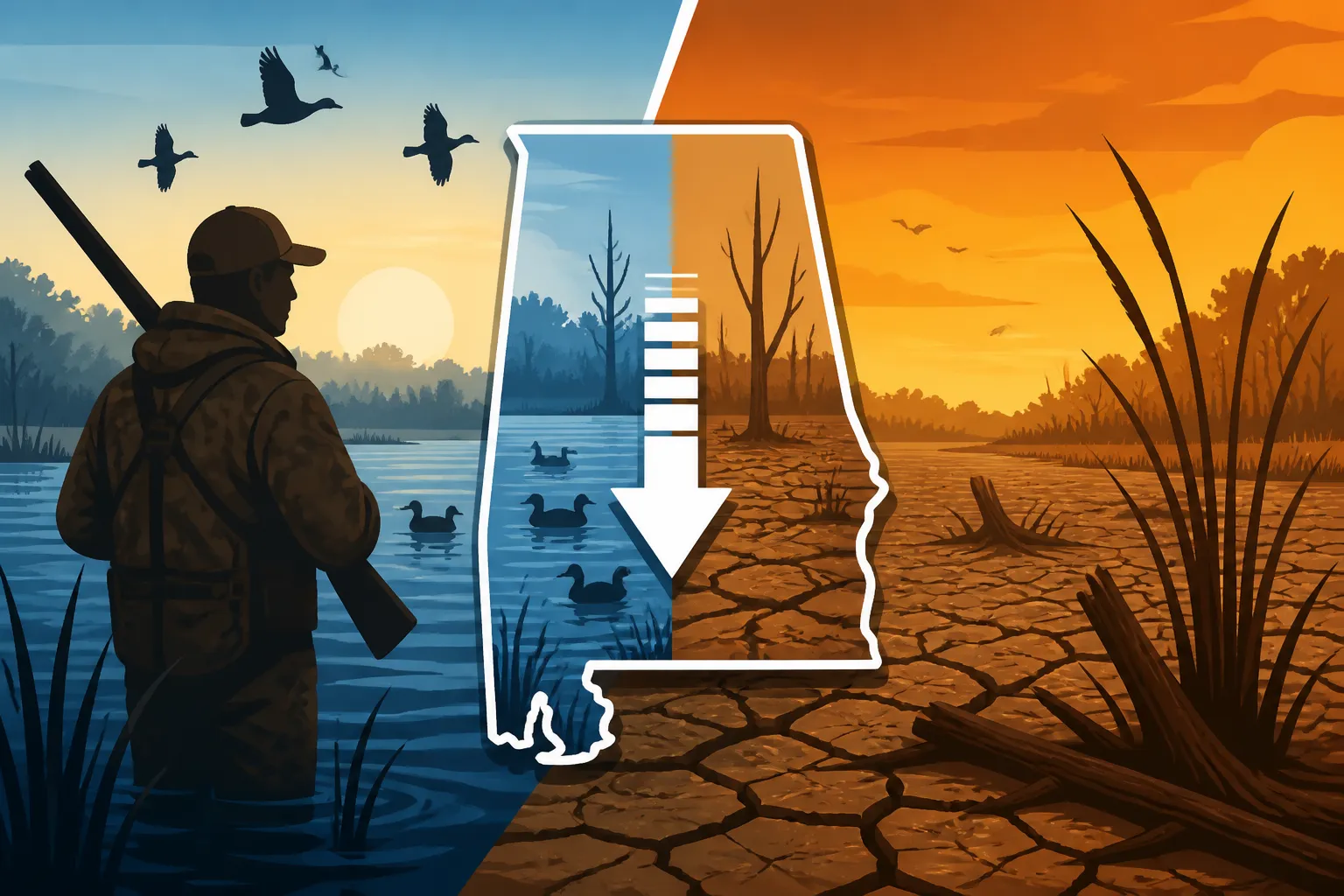
It’s a scenario no waterfowl hunter wants to face: you’ve scouted, planned, and perhaps even booked a trip, only for the water levels to drop mid-season, turning your prime hunting grounds into a muddy mess. This can be incredibly frustrating, especially when you’ve invested time and money into what looked like a promising season. But don't despair! Understanding why this happens and how to adapt your strategies can help you salvage your hunt or pivot to other opportunities.
The Immediate Impact of Dropping Water Levels on Alabama Waterfowl
When the water literally starts to dry up beneath your hunting plans, it creates a cascade of effects for both the birds and the hunters pursuing them. It’s not just about a little less water; it fundamentally changes the landscape and the behavior of the game.
How Ducks and Geese Respond to Evaporating Habitat
Waterfowl are, by definition, dependent on water. When their preferred feeding, resting, and loafing areas start to shrink or disappear entirely, they don't just stick around hoping for rain. They are incredibly mobile creatures, and their instincts drive them to seek out new, more suitable habitats.
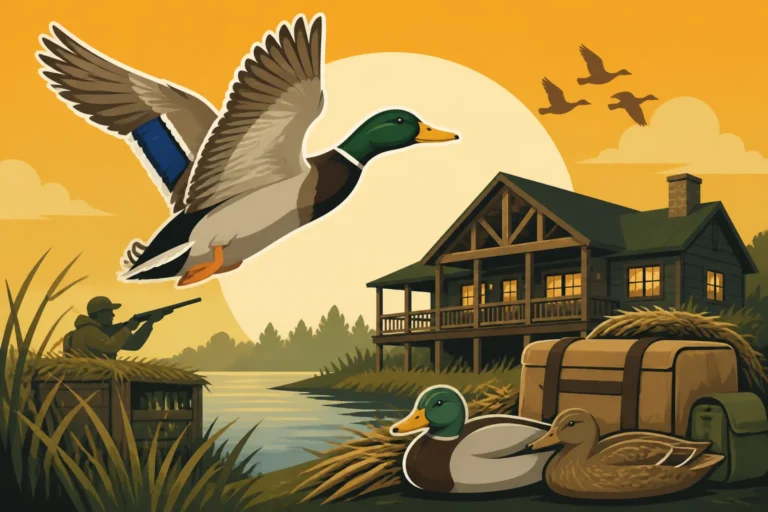
Imagine a beautiful flooded timber hole that was full of acorns and perfect for mallards. As the water recedes, those acorns become exposed, and the shallow water that offered protection from predators is gone. The ducks, sensing this, will quickly abandon that area. They’ll move to deeper main river channels, larger lakes, or even completely different regions if the drought is widespread. This can leave hunters staring at empty skies over what was once a bustling honey hole. Similarly, geese feeding in flooded agricultural fields will simply move to drier fields or larger bodies of water if their water source vanishes. The birds might congregate in fewer, deeper spots, making those areas incredibly attractive, but also far more challenging to access and hunt effectively due to increased competition.
The Ripple Effect on Hunting Pressure and Access
Reduced water levels don't just move the birds; they also concentrate the hunters. If a major river system or a specific Wildlife Management Area (WMA) usually has multiple productive sloughs or flooded areas, a significant drop in water might leave only one or two viable spots. Suddenly, what was once spread out is now a highly competitive bottleneck.
Think about a river bottom where you typically have several access points for launching a small boat or kayak. With low water, those ramps might become too shallow, or the creek leading to your spot might be unnavigable. You might find yourself having to drag your boat or decoys through thick mud, making a pre-dawn setup far more physically demanding and noisy. Setting out a decoy spread in shrinking water also becomes a challenge. What was once a subtle, natural spread in open water might now be half on mud, looking completely unnatural to wary birds. Concealment is also compromised; your perfectly brushed-in blind might suddenly be high and dry, exposing you to the sharp eyes of circling ducks. Trying to still-hunt or jump-shoot smaller ponds that are now just puddles can be almost impossible, as any movement spooks the few remaining birds.
Tactical Adjustments for Low-Water Waterfowl Hunting
Facing low water can feel like playing a whole new game, but with the right mindset and a willingness to adapt, you can still find success. It requires more effort, more scouting, and a complete re-evaluation of your usual tactics.
Scouting for New Opportunities and Alternative Water Sources
When your go-to spots are dry, it’s time to hit the road and scout, scout, scout. This is where modern tools and old-fashioned legwork really pay off. Start by pouring over aerial maps, like those available on platforms such as GoHunt. Look for any areas that might naturally hold deeper water or be less affected by the drought. This could be deeper bends in major rivers, oxbow lakes that maintain more consistent levels, or even isolated farm ponds that might be fed by groundwater or have a deeper basin.
Don't just rely on maps; get out there in person. Drive rural roads, glass distant fields with good binoculars, and look for any sign of standing water, even small puddles that might be attracting dabblers. Pay attention to ditches, sloughs, and secondary creeks that might be off the beaten path but still hold enough water for ducks to feel safe. Sometimes, even a small, seemingly insignificant pothole can hold a few wood ducks or mallards looking for refuge. Remember, when birds are concentrated, even a small area can be highly productive. Focus your efforts on these overlooked spots. This dynamic approach to finding new opportunities can really make a difference. Check out Hunting the Tennessee River Delta for Waterfowl for ideas on focusing on larger river systems, or Jump-Shooting Alabama Beaver Ponds for Wood Ducks for tactics on smaller, more secluded spots.
Modifying Decoy Spreads and Blind Setups
With less water, your usual elaborate decoy spread might be overkill, or simply impossible to deploy. Think minimalist. If birds are concentrated in a smaller area, you likely don't need dozens of decoys. A smaller, tighter spread of a dozen or fewer will often do the trick, appearing more natural and less threatening in a constricted space. Focus on motion: a jerk string or a spinning-wing decoy can be much more effective at drawing attention in a smaller, low-water setup than sheer numbers.
Your blind setup will also need a complete overhaul. Forget the fancy pop-up blind in the middle of a field if the water has receded. Instead, focus on natural cover. Look for dense brush lines, fallen logs, or thick cattail edges that now border the remaining water. Use pruning shears to cut natural vegetation like cane, marsh grass, or pine branches to brush in a ground blind that blends seamlessly with the exposed bank. The key is to disappear into the landscape. You might even find yourself lying flat in a layout blind on the edge of a muddy bank, brushed in with whatever natural debris you can find, similar to tactics for Layout Blind Hunting Delta Farm Fields. The ducks will be looking for safety, and if your setup looks completely natural, you'll have a much better chance.
When to Pivot: Exploring Different Species or Hunting Areas
Sometimes, despite your best efforts, the ducks just aren't cooperating. The water is too low, the birds have moved on, and the hunting is simply not worth the effort. This is when a flexible hunter knows how to pivot. Alabama offers a wealth of other hunting opportunities, and often, drought conditions that impact waterfowl have little to no effect on other species.
Considering Small Game or Upland Bird Opportunities
If the duck hunting is a bust, why not switch gears entirely? Alabama has fantastic small game hunting, which often thrives in conditions that might make waterfowl scarce. Squirrels, for instance, are abundant in the state's hardwood bottoms and pine forests. You can easily transition to a morning of Squirrel Hunting Alabama Bottomland Hardwoods, walking quietly and listening for the tell-tale chatter or rustle of leaves. Rabbits are another great option, especially around briar patches, fencerows, and thick cover. Check out Rabbit Hunting Alabama Fencerows for tips on where to find these elusive critters.
If you have access to property with good habitat, bobwhite quail offer an exciting challenge. While wild quail populations have seen declines, many managed plantations in the Black Belt offer excellent guided hunts. A low-water duck season could be the perfect excuse to experience a classic quail hunt behind a good pointing dog. It's a completely different rhythm and challenge, and a wonderful way to enjoy the outdoors when ducks aren't flying. For more general guidance, look into Squirrel and Small Game Hunting in Alabama.
Shifting Focus to Deer or Hogs if Waterfowl Isn't Producing
If the low water happens during the deer season, you have an excellent backup plan. Deer are not nearly as dependent on specific water levels as waterfowl, and in some ways, low water can even make them more predictable. Dry creek beds and exposed river bottoms can become natural travel corridors for deer, especially if typical crossing points are now easily traversable. Look for fresh tracks and rub lines in these newly exposed areas. Setting up a stand or ground blind along these routes can be very effective. Consider tactics like Working a Creek Bottom for Late-Season Deer.
Feral hogs are another prime candidate for a mid-season pivot. Alabama has a year-round open season on hogs, and their populations are robust. Hogs are incredibly adaptable and, while they enjoy wallows, they aren't going to vanish because a river dropped a few feet. In fact, exposed creek beds might make it easier to track their movements. You can even bait hogs on private land to draw them in. Building and maintaining a bait site can be a fun and productive way to fill your freezer, especially if the ducks are a no-show. For specific advice, see Hunting Alabama's Year-Round Feral Hogs or Building and Freshening a Hog Bait Site.
Proactive Planning and Communicating with Outfitters for Variable Conditions
The best defense against a disappointing low-water hunt is a good offense: proactive planning and clear communication. This is especially true if you're booking a guided trip or securing a lease. Don't leave things to chance; ask the tough questions up front.
Vetting Outfitters About Water Management and Backup Plans
If you're investing in a guided waterfowl hunt, particularly one that involves flooded timber or managed impoundments, it is absolutely critical to vet your outfitter regarding their water management strategies. Don't be shy about asking:
- "What are your typical water levels, and how do you manage them during dry spells?" A good outfitter might have pumps, access to well water, or simply multiple properties with varying water sources (some naturally deeper than others).
- "Do you have alternative hunting areas if your primary spots are affected by low water?" They might have access to deeper river sloughs, large farm ponds, or even field hunts for geese that are less dependent on specific water depths.
- "What is your policy if water levels drop to an unhuntable state?" This is crucial. Do they offer rain checks, discounts, or a chance to switch to another type of hunt (like hogs)?
Using platforms like BookYourHunt can be a good way to research and compare outfitters, often providing reviews that might mention flexibility or challenges. Always get their policies in writing. It's important to understand Weather Contingency Policies for Duck Guides before you put down a deposit. A professional outfitter will appreciate your thoroughness and be transparent about their capabilities and contingencies.
Understanding Lease Agreements and Flexibility
For those who lease private land, understanding the fine print of your lease agreement is vital. While a lease is primarily about securing access, fluctuating natural conditions like water levels can impact the value and huntability of your tract.
Consider discussing with the landowner or lease manager what happens in extreme weather conditions. Are there any clauses that address natural disasters, including prolonged drought? While it's rare to get a refund for a natural event, you might be able to negotiate access to other parts of the property, or perhaps have the landowner take steps to mitigate the impact, such as improving shallow water areas with small dams or pumps for future seasons. Within a hunting club, make sure there's open communication about water conditions. Sharing information and adapting as a group can ensure everyone has a better experience. Knowing how to secure a good lease and what questions to ask are key; learning about Alabama Hunting Lease Costs and Finding an Alabama Hunting Lease can equip you for these discussions.
It's clear that low water levels can throw a wrench into the best-laid hunting plans, especially for waterfowl. But by staying informed, being flexible with your tactics, and planning ahead, you can turn a potential disappointment into an opportunity to explore new areas, try different types of hunting, or simply deepen your understanding of Alabama's diverse outdoor landscape.
Disclaimer
This article is for general informational purposes only and does not constitute professional advice. Laws, prices and regulations vary by location and change over time. Consult a qualified professional for guidance on your specific situation.